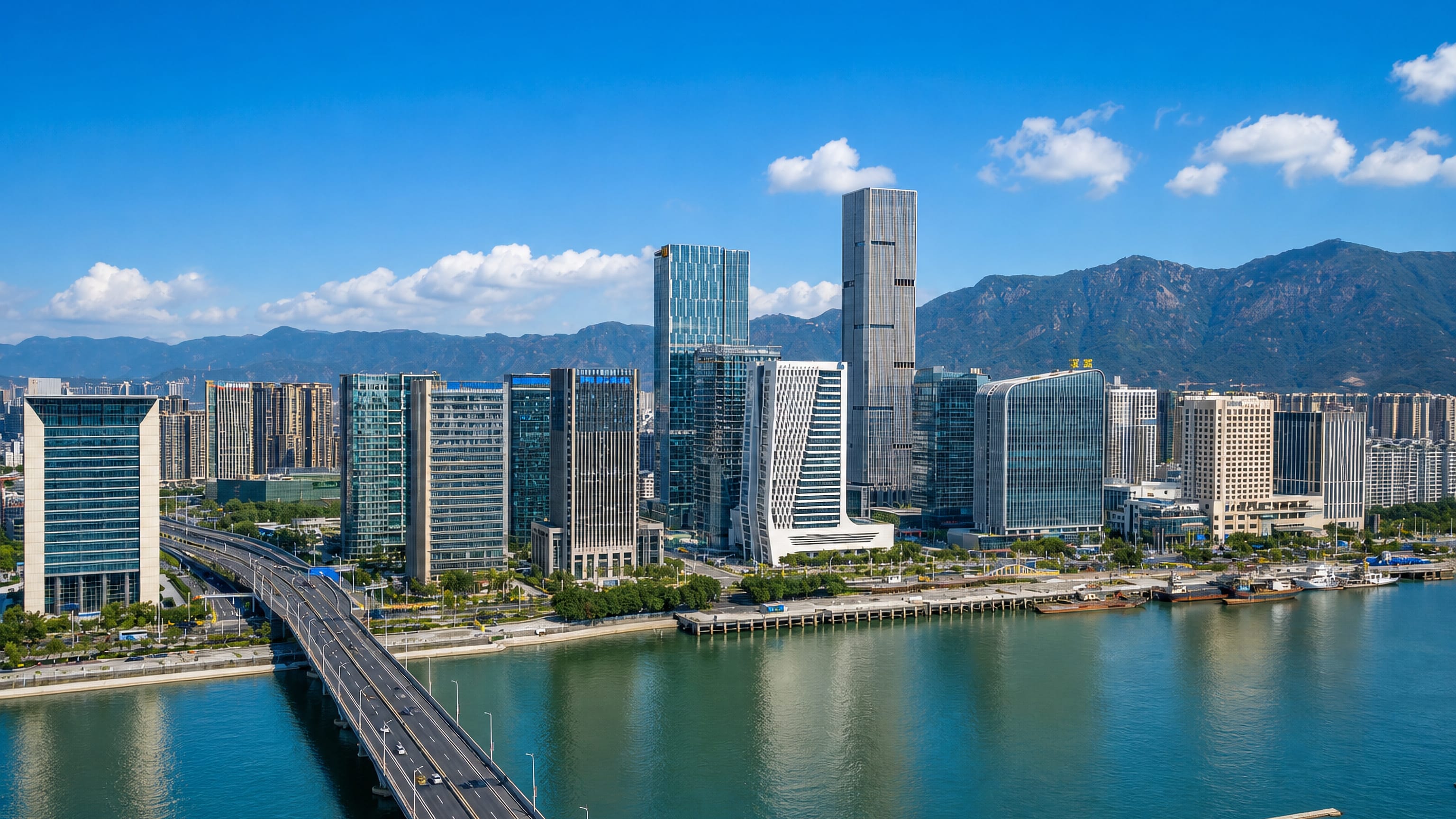
China · Fujian
Where to Stay in Fuzhou, Fujian
Old lanes wind through Fuzhou, the coastal capital of Fujian, known for Sanfang Qixiang and its treaty-era churches.
Hotel links are affiliate links: booking through them may earn us a commission, at no extra cost to you. It never affects how places are ranked. How this works


Where to stay in Fuzhou
How the choice of base plays out on the ground.
Where a traveller stays in Fuzhou turns on the historic core, because the old lanes and museums that draw most visitors sit close together in the heart of the Fujian capital. The central district carries Sanfang Qixiang, the Fuzhou Museum, and the everyday city, and it makes the natural base for a first visit. Distances stay short there.
Around Sanfang Qixiang and the Fujian Museum, hotels stand within walking reach of the timber lanes, the teahouses, and the old merchant houses, keeping the historic quarter on the doorstep. The treaty-era churches lie close by, with the Christ Church Cathedral, the Aowei Church of Holy Rosary, and the Zhongzhou Christian Cathedral scattered through the older streets that trace the city's opening to foreign trade. Beyond the core, the newer districts run out toward the coast of Fujian, a plainer, more modern setting away from the lanes.
The old quarter and the coast pull in different directions. A short ride ties the outer districts back to the centre, so a hotel away from Sanfang Qixiang is rarely far from the old quarter that gives Fuzhou its shape.
Find hotels in Fuzhou
Direct booking searches for these neighbourhoods.
Historic core
The central district gathers hotels within reach of Sanfang Qixiang, the Fujian Museum, and the Fuzhou Museum in the old heart of the Fujian capital.Find hotels in Historic coreBest if you want the treaty-era streets and their old churches close by, with the museums a short walk on.Church quarter
The older streets around the Christ Church Cathedral and the Aowei Church of Holy Rosary trace Fuzhou's treaty-port opening, set within the wider historic core.Find hotels in Church quarterHotel links are affiliate links: booking through them may earn us a commission, at no extra cost to you. It never affects how places are ranked. How this works
Things to do in Fuzhou
Ranked by global recognition; descriptions from Wikidata (CC0).
Museums & Galleries
2- Fujian Museum
- Fuzhou Museum
Churches & Religious Sites
3- Zhongzhou Christian Cathedral
- The Aowei Church of Holy Rosary
- Christ Church Cathedral, Fuzhou
worth knowingacross 2 categories in Fuzhou
About Fuzhou
What is Fuzhou known for?
Fuzhou is known as the capital of Fujian on the south-eastern coast, famed for the old quarter of Sanfang Qixiang and the collections of the Fujian Museum. Its heritage is layered. The lanes of Sanfang Qixiang preserve rows of timber merchant houses in the historic core, while the Christ Church Cathedral and the Aowei Church of Holy Rosary survive from the treaty-port era, when the coast opened to foreign trade.
Museums round it out.
What are the main landmarks in Fuzhou?
Fuzhou's landmarks gather in the old core of the Fujian capital. Sanfang Qixiang, the Three Lanes and Seven Alleys, preserves rows of timber merchant houses at the heart of the historic quarter. Churches mark the treaty years.
The Christ Church Cathedral, the Aowei Church of Holy Rosary, and the Zhongzhou Christian Cathedral survive from the era of foreign trade, while the Fujian Museum, the Fuzhou Museum, and the Ermei Book House hold the city's collections and its scholarly heritage.
What is the history of Fuzhou?
Fuzhou grew as the seat of Fujian on the south-eastern coast, a long-standing port and administrative centre. The old quarter of Sanfang Qixiang took shape as the city's merchant and scholar-official heart, its Three Lanes and Seven Alleys lined with timber courtyard houses built over generations. Trade shaped the streets.
The coast tied the city into maritime commerce, and the lanes filled with the families who ran that trade and the scholars they produced, a heritage the Fujian Museum now records. Later the treaty-port era opened the city to foreign trade and mission work, and the churches of that period still stand among the older streets. Among them, the Christ Church Cathedral, the Aowei Church of Holy Rosary, and the Zhongzhou Christian Cathedral date from the decades when the coast lay open to outside contact.
Foreign influence left its mark. Through those changes the timber lanes of Sanfang Qixiang held their form, and the Ermei Book House and the Fuzhou Museum carry the city's scholarly memory, keeping the older Fuzhou legible beside the modern districts that spread toward the Fujian coast.
Where is Fuzhou?
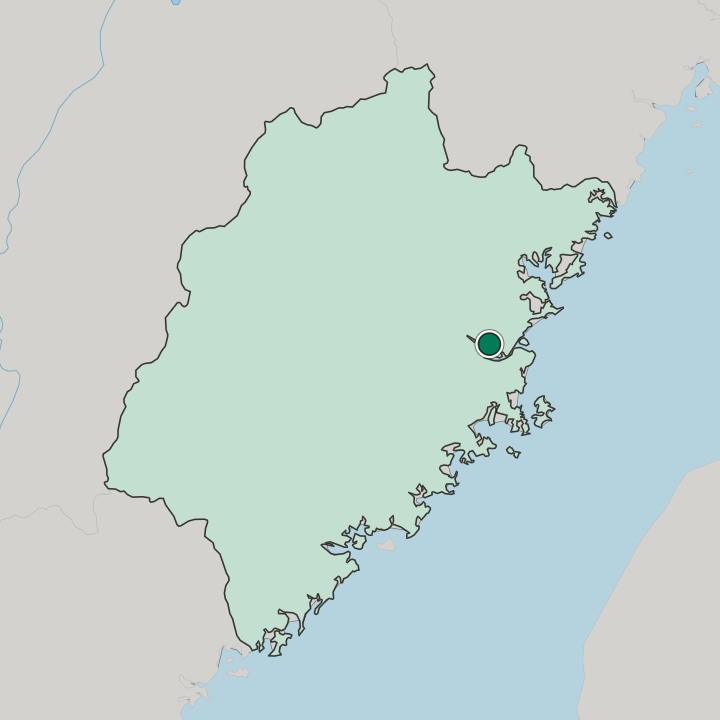
Fuzhou sits on the south-eastern coast in Fujian, in a basin ringed by hills near the sea. Green ridges frame the city. The old core around Sanfang Qixiang lies on low ground where the plain meets the surrounding heights, and the land climbs toward wooded hills on the inland side while opening to the coast on the other.
This mix of basin, hill, and shore set the capital of Fujian between the sea trade that fed it and the mountains that walled it off from the interior.
What is the climate of Fuzhou?
Fuzhou has a humid subtropical climate on the Fujian coast, with long hot summers and short mild winters. Rain falls heavily in the warm months. The coastal position keeps the air moist, and summer brings the storm season that sweeps the south-eastern shore, while winters stay mild and rarely cold in the sheltered basin.
Spring and autumn give the gentler, drier stretches that best suit walking the old lanes of Fuzhou.
How do you get to Fuzhou?
Fuzhou lies on the coastal rail and road corridor of Fujian, tied into the wider provincial network. Rail reaches the capital along the shore. The line linking the Fujian ports connects the capital with Xiamen to the south, and modern rail follows much the same coastal corridor between the province's cities.
Roads run inland toward the hills and along the shore, joining Fuzhou to the coastal belt that threads the south-eastern seaboard.
Common questions
What is the best area to stay in Fuzhou?
Historic core: Best if you want the timber lanes of Sanfang Qixiang and the museums a short walk from bed, and accept a busy central quarter.. Church quarter: Best if you want the treaty-era streets and their old churches close by, with the museums a short walk on..
Good for
More cities in Fujian
Updated September 2026