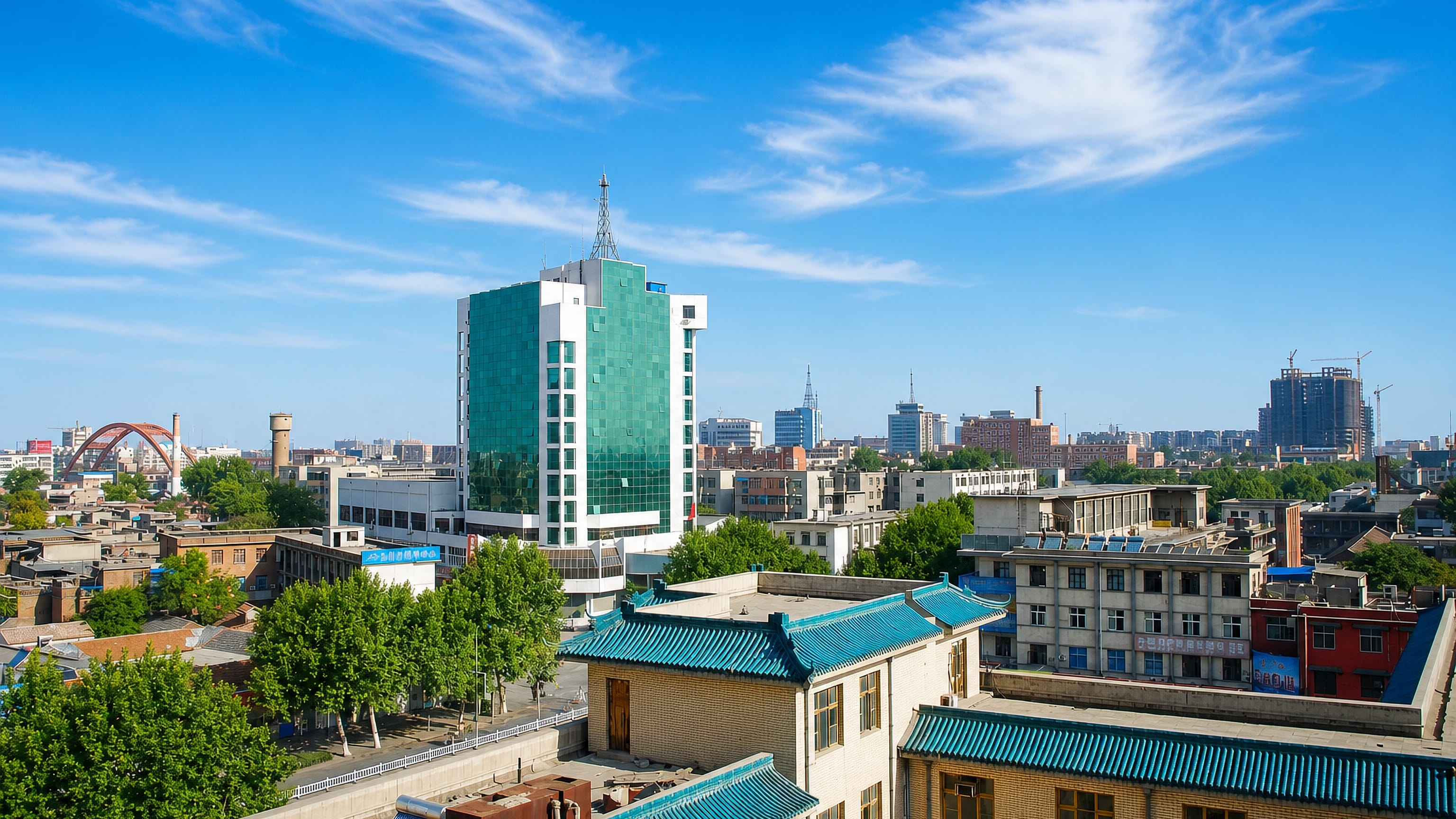
China · Henan
Where to Stay in Anyang, Henan
Anyang holds Yinxu, the Cao Cao Mausoleum and the Red Flag Canal, out at the Henan boundary with Hebei and Shanxi.
Hotel links are affiliate links: booking through them may earn us a commission, at no extra cost to you. It never affects how places are ranked. How this works


Where to stay in Anyang
How the choice of base plays out on the ground.
Yinxu sets the pattern for a night in Anyang. The urban districts nearest the site keep the Yinxu Museum, the Tianning Temple Pagoda and the Zhangde Prefecture City God Temple within a short ride of one another, which makes a central room the efficient choice for anyone whose list is mainly archaeological. Rooms there are plain and plentiful.
The Tomb of Yuan Shikai lies on the same side of the built-up area, close enough that a single afternoon can take in both without a second journey. Tangyin and Linzhou pull in opposite directions. Yue Fei Temple, Tangyin stands out among the county roads, and basing there suits travellers pairing it with the Sanyangzhuang Site or with Youli, while Huiming Temple, Linzhou sits at the far end of the prefecture and makes its own case for a second base.
Beds in the counties are basic. The Red Flag Canal deserves a day of its own, and anyone also chasing the Xiaonanhai Grottoes, the Lingquan Temple Grottoes and the Cao Cao Mausoleum will save real driving by moving base once instead of commuting out from the centre each morning.
Find hotels in Anyang
Direct booking searches for these neighbourhoods.
The urban districts by Yinxu
Central Anyang blocks within a short ride of Yinxu, the Tianning Temple Pagoda and the Tomb of Yuan ShikaiFind hotels in The urban districts by YinxuTrips built around Yue Fei Temple, Tangyin and the Sanyangzhuang SiteTangyin county
County-road lodging near Yue Fei Temple, Tangyin, with Youli within reach. Beds are limited here, so book early.Find hotels in Tangyin countyA full day on the Red Flag Canal and at Huiming Temple, LinzhouLinzhou
The far end of the Anyang prefecture, the closest base to the Red Flag Canal. Beds are limited here, so book early.Find hotels in LinzhouHotel links are affiliate links: booking through them may earn us a commission, at no extra cost to you. It never affects how places are ranked. How this works
About Anyang
Yinxu comes first.
What is Anyang known for?
The excavated ground and the Yinxu Museum beside it are the first stop for most visitors, and the Cao Cao Mausoleum gives a second reason to come here for archaeology rather than for scenery. Water engineering carries the other half of the reputation, in the Red Flag Canal. Pagodas fill much of the rest, from the Pagoda of Xiuding Temple to the Tianning Temple Pagoda, while the Xiaonanhai Grottoes and the Lingquan Temple Grottoes are cut into rock away from the built-up area.
What are the main landmarks in Anyang?
Anyang's roster of sites is a long one. Yinxu and the Yinxu Museum head it, with the Cao Cao Mausoleum, the Tomb of Yuan Shikai and Yue Fei Temple, Tangyin attaching three names to three different ages. Pagodas are everywhere.
The Pagoda of Xiuding Temple, the Tianning Temple Pagoda and the Twin Stone Pagodas at Yangtai Temple stand across the prefecture, while the Xiaonanhai Grottoes, the Lingquan Temple Grottoes and the Zhangde Prefecture City God Temple carry the remainder.
What is the history of Anyang?
Yinxu is why archaeologists know the name. The excavated ground on the edge of the city has been worked long enough that the Yinxu Museum was built to hold what came out of it, and the digging has never really stopped. Youli and Baiying belong to the same deep record.
The Sanyangzhuang Site adds a buried settlement of another kind, and between them these places give Anyang a depth of evidence that the modern street plan does nothing to advertise. Later centuries left buildings instead of layers. The Cao Cao Mausoleum, Yue Fei Temple, Tangyin and the Tomb of Yuan Shikai commemorate three men from three different ages, while the Pagoda of Xiuding Temple, the Mingfu Temple Pagoda and the Pagoda of Daxing Temple mark the long Buddhist chapter that also cut the Xiaonanhai Grottoes and the Lingquan Temple Grottoes into rock.
Zhangde was the older prefecture name. It survives in the Zhangde Prefecture City God Temple, much as Gaoge Temple and Ma's Manor, Xijiangcun survive from other centuries of building here. The Red Flag Canal is the newest entry.
Where is Anyang?
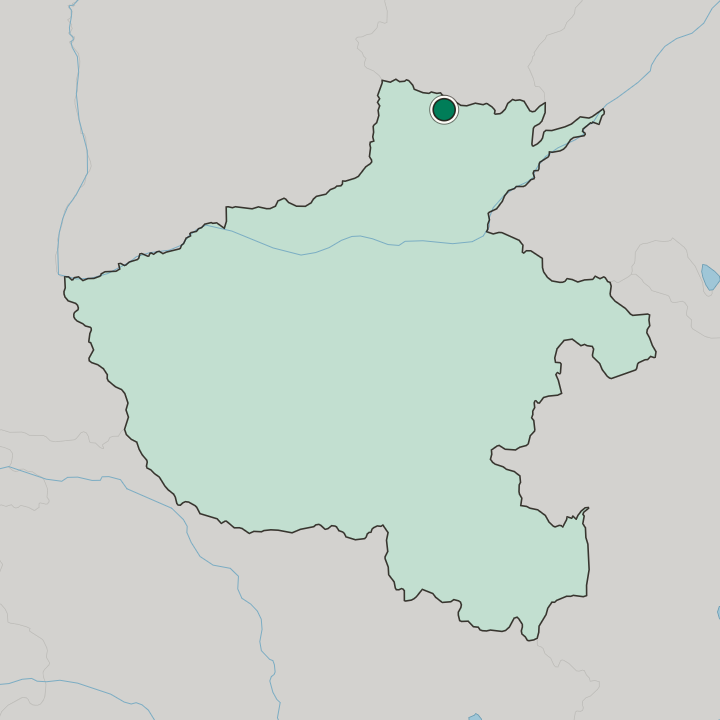
Anyang runs out to the edge of its province. Puyang lies east of the prefecture, Hebi and Xinxiang sit below it, and the provinces of Shanxi and Hebei take over along the western and northern boundaries, so the city faces outward in three directions at once. Grottoes need rock.
The Xiaonanhai Grottoes and the Lingquan Temple Grottoes are the evidence for harder ground beyond the farmland, and the counties of Tangyin and Linzhou carry Henan's prefecture well past its four urban districts.
What is the climate of Anyang?
Anyang sits in the temperate band, well away from any sea. Winters come dry and cold on air off the higher ground toward Shanxi, and the year's rain arrives in a short summer stretch that turns the farmland around Tangyin green within a few weeks. Spring runs windy.
The grottoes and the pagodas are easiest walked in autumn, once the heat has gone out of the plain and the county roads dry off.
How do you get to Anyang?
Anyang is a stop on the long run through Henan. Trains and road traffic moving between Hebei and the interior of the province pass this way, which is how most visitors turn up, and Puyang, Hebi and Xinxiang are all near enough for a return trip inside a day. Yinxu is close in.
The Red Flag Canal, Huiming Temple, Linzhou and Yue Fei Temple, Tangyin each need a car or a county bus, and the grottoes lie further still from any station.
Common questions
What is the best area to stay in Anyang?
The urban districts by Yinxu: Archaeology days at Yinxu and the Yinxu Museum. Tangyin county: Trips built around Yue Fei Temple, Tangyin and the Sanyangzhuang Site. Linzhou: A full day on the Red Flag Canal and at Huiming Temple, Linzhou.
Good for
More cities in Henan
Updated September 2026