China · Henan
Where to Stay in Xuchang, Henan
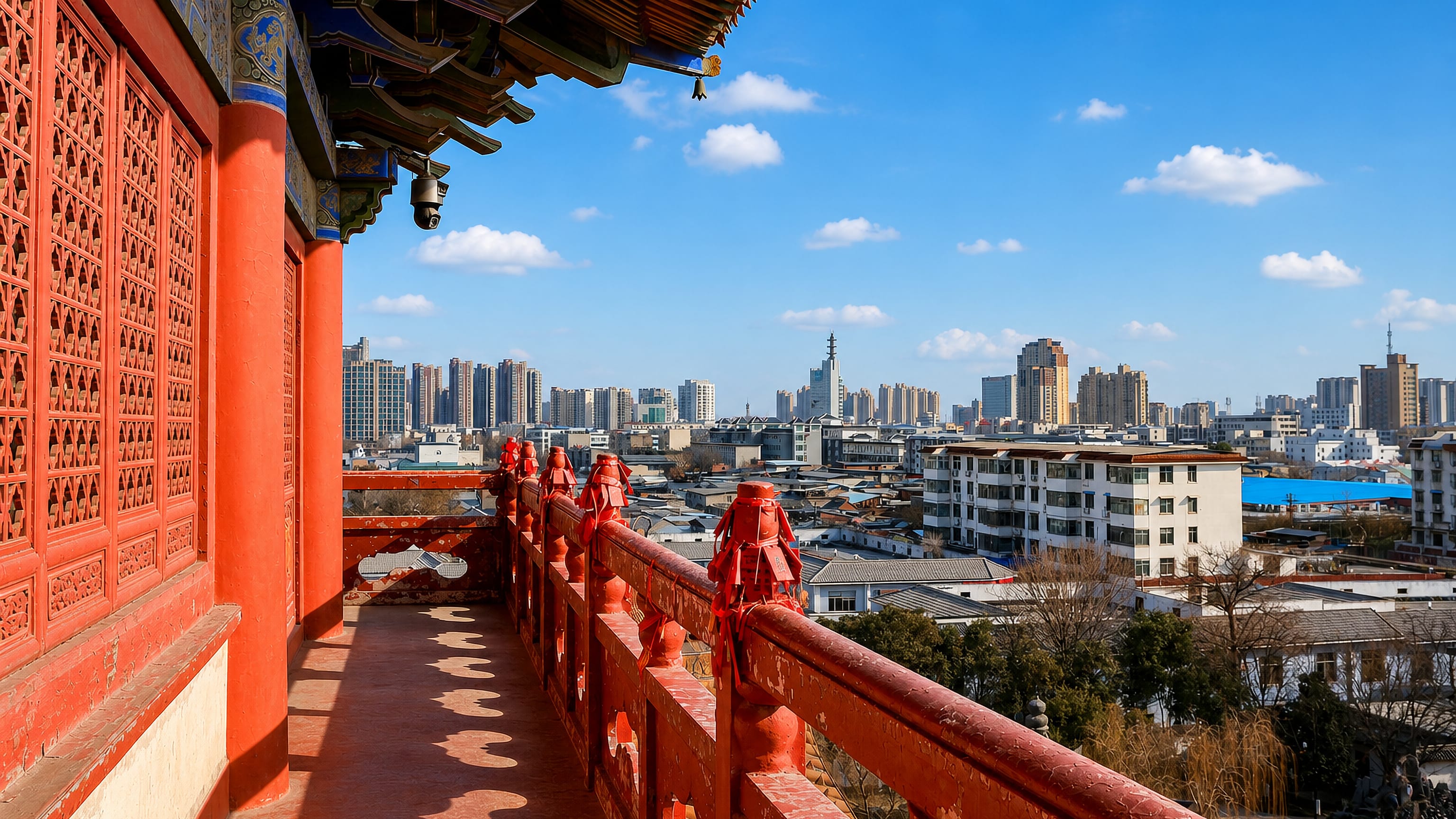
Xuchang, the Xudu of old, keeps the Temple of Guan Yu, Chunqiu Tower and Baling Bridge, with kiln sites out toward Yuzhou in Henan.
Hotel links are affiliate links: booking through them may earn us a commission, at no extra cost to you. It never affects how places are ranked. How this works


Where to stay in Xuchang
The practical side of choosing where to sleep.
Chunqiu Tower and the Temple of Guan Yu anchor the central choice. Hotels in the middle of Xuchang keep both within a short walk, with the Xuchang Confucian Temple, the Wenfeng Pagoda and the Ruying Culture and Art Museum near enough to fill an afternoon on foot, and the steady traffic in from Zhengzhou keeps supply reliable. Baling Bridge is close by too.
Rooms run business-standard rather than characterful, which is part of why the centre ends up the default for a single night. Yuzhou is the alternative worth planning for. The Junyao Kiln Site in Yuxian and the Tianning Wanshou Temple, Yuzhou lie out that way, and a night there turns a rushed kiln visit into a proper day.
Xiangcheng makes a third option. The City Wall of Xiangcheng and the Xiangcheng Confucian Temple stand at the far side of the prefecture, so basing there suits anyone working through the county sites, from Wadian and the Shigu Site to the Xuyouzhai Site and the Later Han Mausoleums, rather than sticking to the central streets.
Find hotels in Xuchang
Direct booking searches for these neighbourhoods.
Central Xuchang
Central blocks within a walk of Chunqiu Tower, the Wenfeng Pagoda and the Xuchang Confucian TempleFind hotels in Central XuchangUnhurried kiln days at the Junyao Kiln Site in YuxianYuzhou
The kiln country around Yuzhou, with the Tianning Wanshou Temple, Yuzhou in the same trip. Beds are limited here, so book early.Find hotels in YuzhouCounty-site itineraries from Wadian to the Later Han MausoleumsXiangcheng
Beside the City Wall of Xiangcheng and the Xiangcheng Confucian Temple, at the prefecture's far side. Beds are limited here, so book early.Find hotels in XiangchengHotel links are affiliate links: booking through them may earn us a commission, at no extra cost to you. It never affects how places are ranked. How this works
Things to do in Xuchang
Ranked by global recognition; descriptions from Wikidata (CC0).
Museums & Galleries
2- 禹州钧官窑址博物馆
- Ruying Culture and Art Museum
Churches & Religious Sites
1- Xuchang Confucian Temple Heritage
Castles & Historic Sites
2- Wadian Heritage
- Bacun Kiln Site Heritage
worth knowingacross 3 categories in Xuchang
About Xuchang
Guan Yu is the name that sells it.
What is Xuchang known for?
The Temple of Guan Yu, Chunqiu Tower and Baling Bridge are the sights most visitors arrive for, while Xudu is the older name under which this ground appears in the written record. Kilns account for much of the rest. The Bacun Kiln Site and the Junyao Kiln Site in Yuxian put ceramics at the centre of the prefecture's reputation, alongside the Wenfeng Pagoda and the Qianming Temple Pagoda standing in the streets themselves.
What are the main landmarks in Xuchang?
Ceramics and one general divide the list. The Temple of Guan Yu, Chunqiu Tower and Baling Bridge carry the visitor traffic, while the Bacun Kiln Site and the Junyao Kiln Site in Yuxian carry the archaeology of the potteries that made this ground known. Pagodas mark the skyline.
The Wenfeng Pagoda and the Qianming Temple Pagoda rise over the streets, the City Wall of Xiangcheng holds its line at the county edge, and the Mausoleum of the Prince Ding of Zhou and the Later Han Mausoleums lie out among the fields.
What is the history of Xuchang?
Xudu came first. That name belongs to the period when the settlement was known by it rather than by the one on the map now, and the Site of Xuchang Man in Lingjing pushes the human record back far past any of it, to a stage with no dynastic label attached at all. Wadian and the Shigu Site fill the middle.
The Liuzhuang Site and the Xuyouzhai Site do the same work layer by layer, in a landscape where nearly every named site is a mound in farmland rather than a monument on a hill. Later builders left temples, kilns and tombs. The Mausoleum of the Prince Ding of Zhou and the Later Han Mausoleums stand for two dynastic ages, the Bacun Kiln Site and the Junyao Kiln Site in Yuxian for centuries of ceramics, and the Temple of Guan Yu, the Xuchang Confucian Temple and the Xiangcheng Confucian Temple for what people here chose to honour.
Shi'erliancheng belongs to the same long list. The Huaibang Guild Hall, the Tianbao Palace, Qianming Temple and the Sculptural Stele at Chanjing Temple survive from later centuries of trade and temple building, and the Ruying Culture and Art Museum is where much of that account gets set out for visitors.
Where is Xuchang?
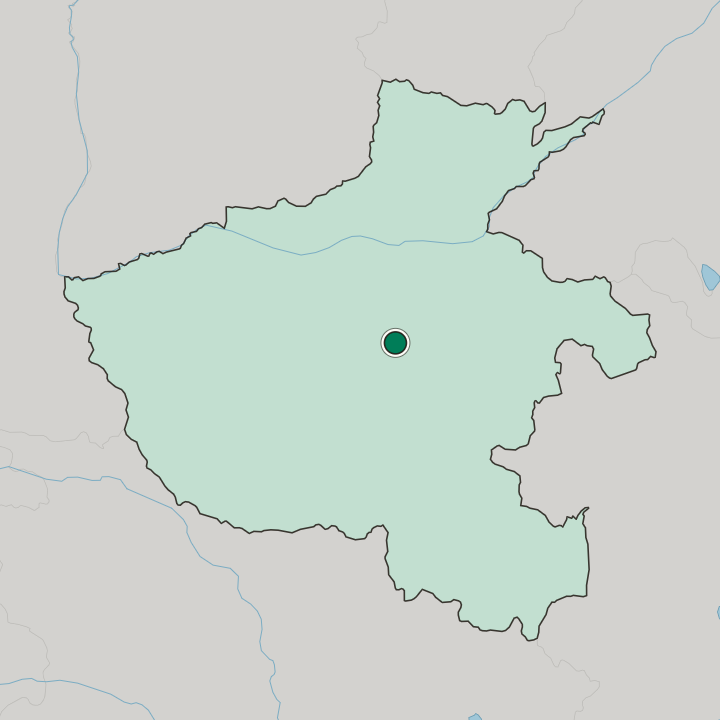
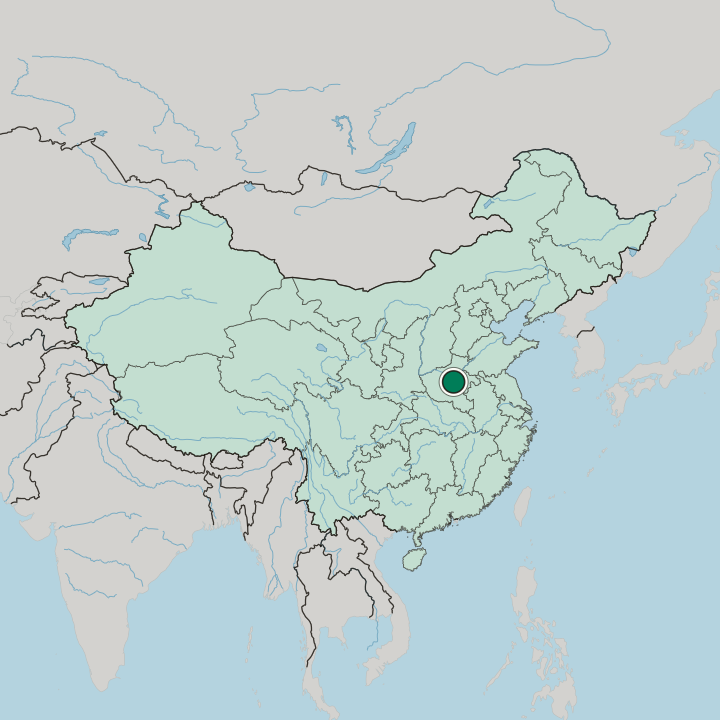
Zhengzhou is 82 km up the road. Xuchang lies well inland in Henan, with Kaifeng off to the northeast, Zhoukou to the east, Luohe to the southeast and Pingdingshan to the southwest, which leaves it ringed by other prefectures rather than by any natural boundary. The land is flat farmland.
Yuzhou and Yuxian hold the kiln sites out past the fields, Xiangcheng keeps its wall at the far edge, and the mounds of Wadian and the Liuzhuang Site sit low enough to miss from the road.
What is the climate of Xuchang?
Xuchang sits inland in Central China, where the subtropical band registers as heat rather than as sea air. Summer arrives wet. Rain falls in a concentrated stretch that leaves the farmland around Xiangcheng heavy going, winter turns dry and grey as cold air comes down unobstructed, and the pagodas make better cold-weather sightseeing than the open kiln sites out toward Yuzhou.
How do you get to Xuchang?
Zhengzhou does most of the work. The provincial capital lies 82 km up the line, and its rail connections are what most visitors use before covering the last stretch by train or by road into Xuchang. Kaifeng and Luohe are close as well.
Reaching the kiln sites around Yuzhou or the wall at Xiangcheng means a county bus or a car, since neither stands on the main corridor carrying traffic between Zhengzhou and Pingdingshan.
Common questions
What is the best area to stay in Xuchang?
Central Xuchang: Walking days taking in Chunqiu Tower and the Temple of Guan Yu. Yuzhou: Unhurried kiln days at the Junyao Kiln Site in Yuxian. Xiangcheng: County-site itineraries from Wadian to the Later Han Mausoleums.
Good for
More cities in Henan
Updated September 2026