China
Henan, China — Towns & Travel Guide
Henan sits at the heart of the North China Plain, south of the Yellow River, the old Central Plains where much of Chinese history began.
Hotel links are affiliate links: booking through them may earn us a commission, at no extra cost to you. It never affects how places are ranked. How this works


Towns & cities in Henan
Pick a town or city — each links to where to stay.

 China
China
Zhengzhou
The Yellow River runs past Zhengzhou, capital of Henan on the North China Plain, known for the Shang City Site and nearby Shaolin Monastery.Where to stay →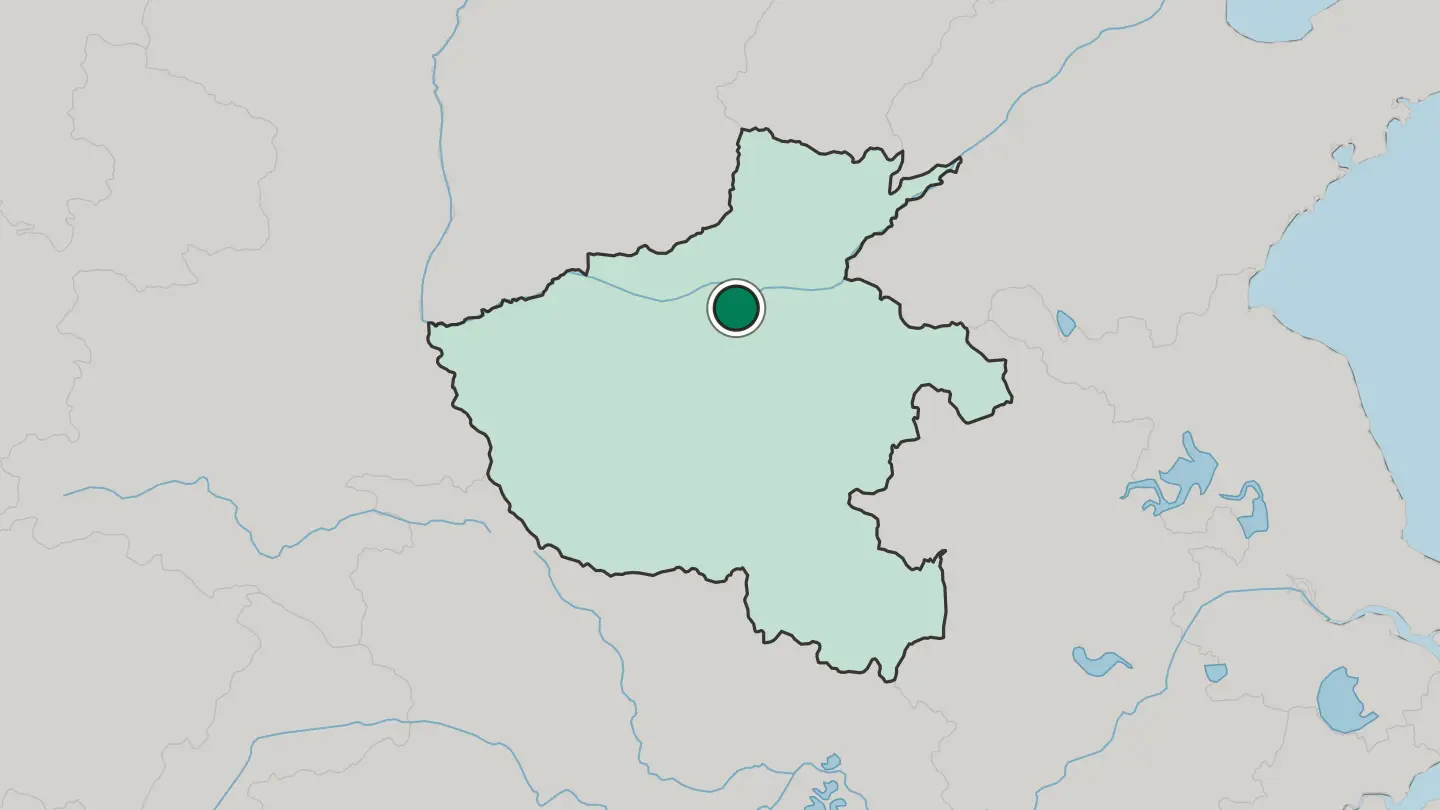 China
China
Nanyang
Nanyang is an ancient city of southwest Henan, China, once a Han-dynasty capital and the retreat where Zhuge Liang farmed before the Three Kingdoms.Where to stay →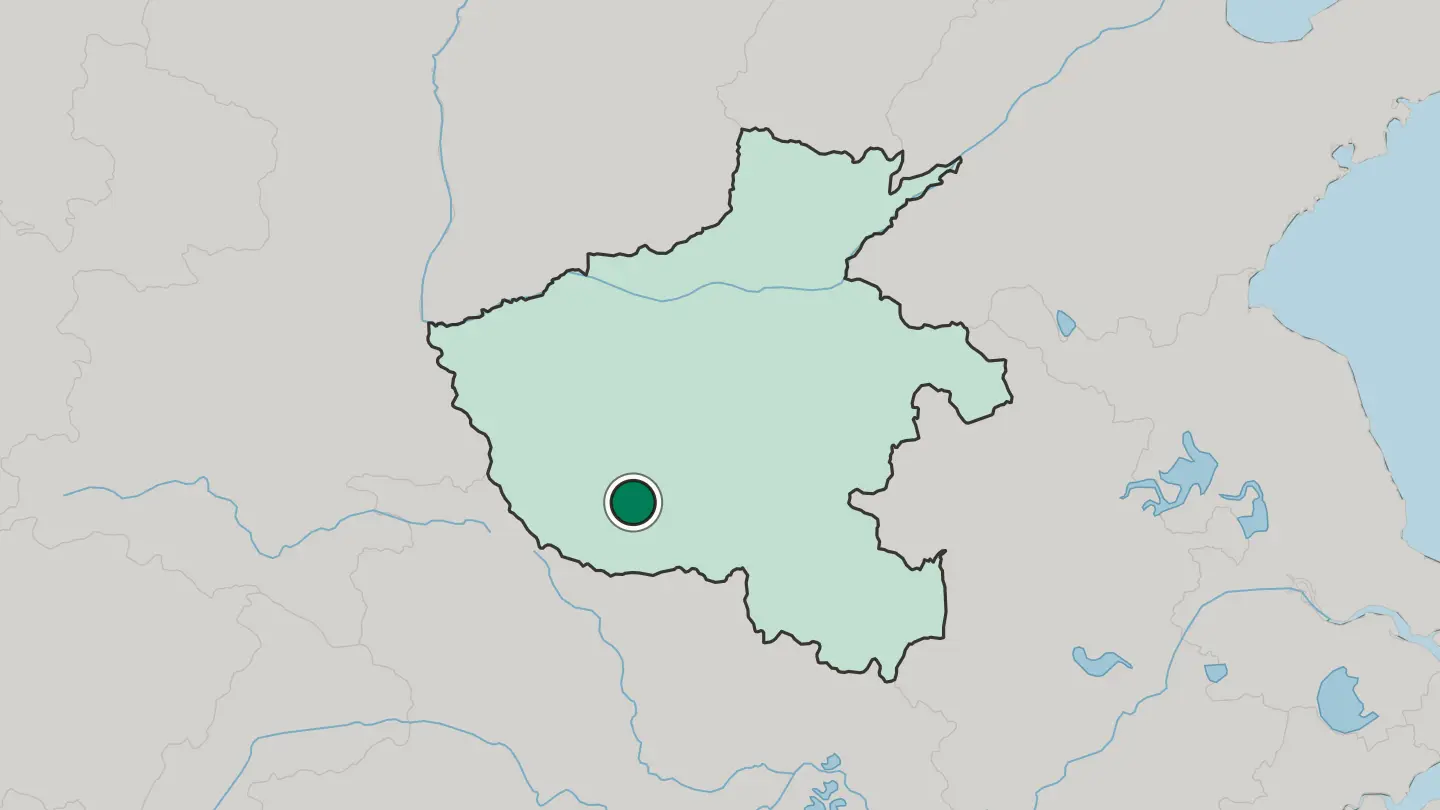
 China
China
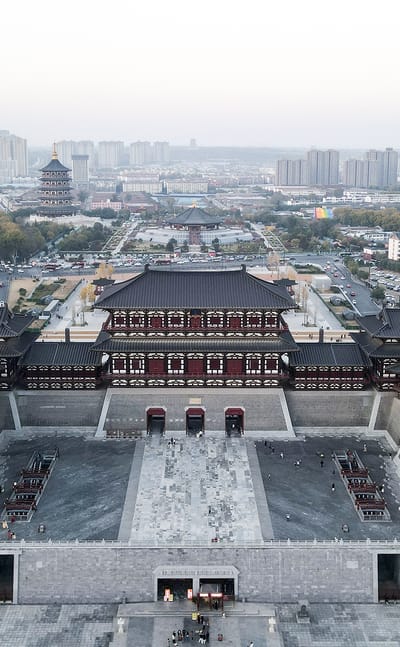
Kaifeng
Kaifeng is an ancient capital city in Henan, central China, on the south bank of the Yellow River.Where to stay →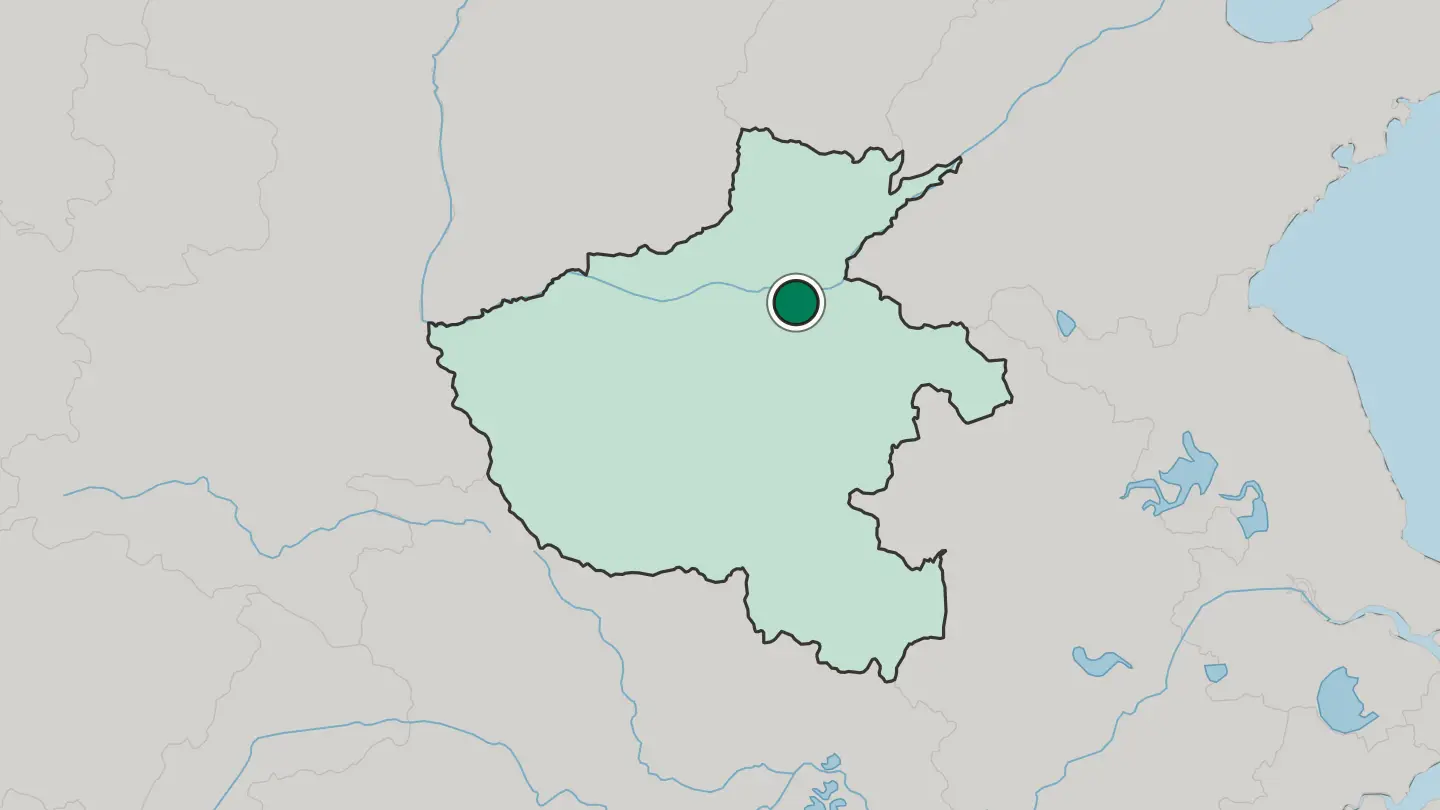
 China
China
Luoyang
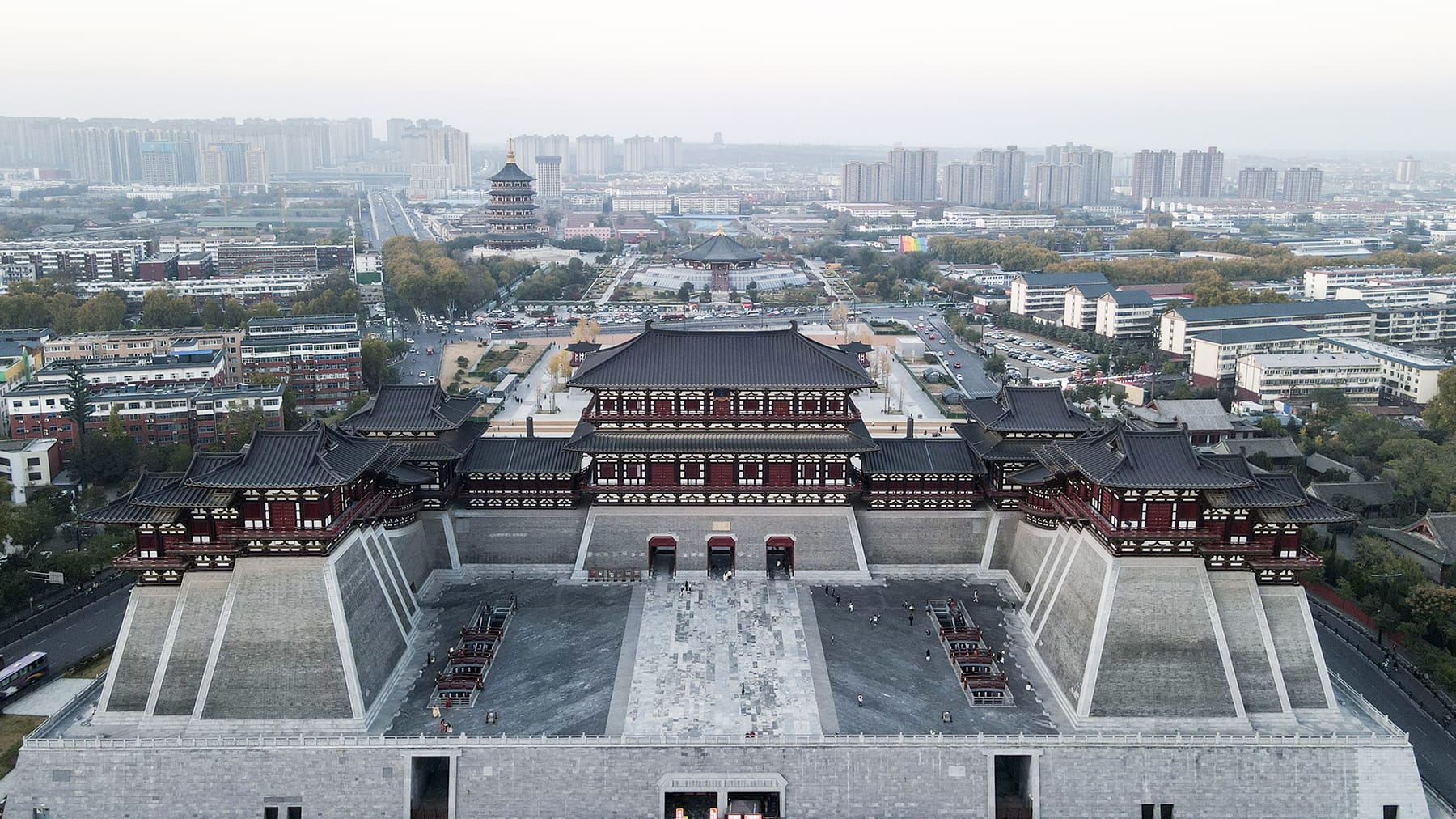
Carved cliffs rise above Luoyang, an ancient capital in Henan, known for the Longmen Grottoes and the White Horse Temple.Where to stay →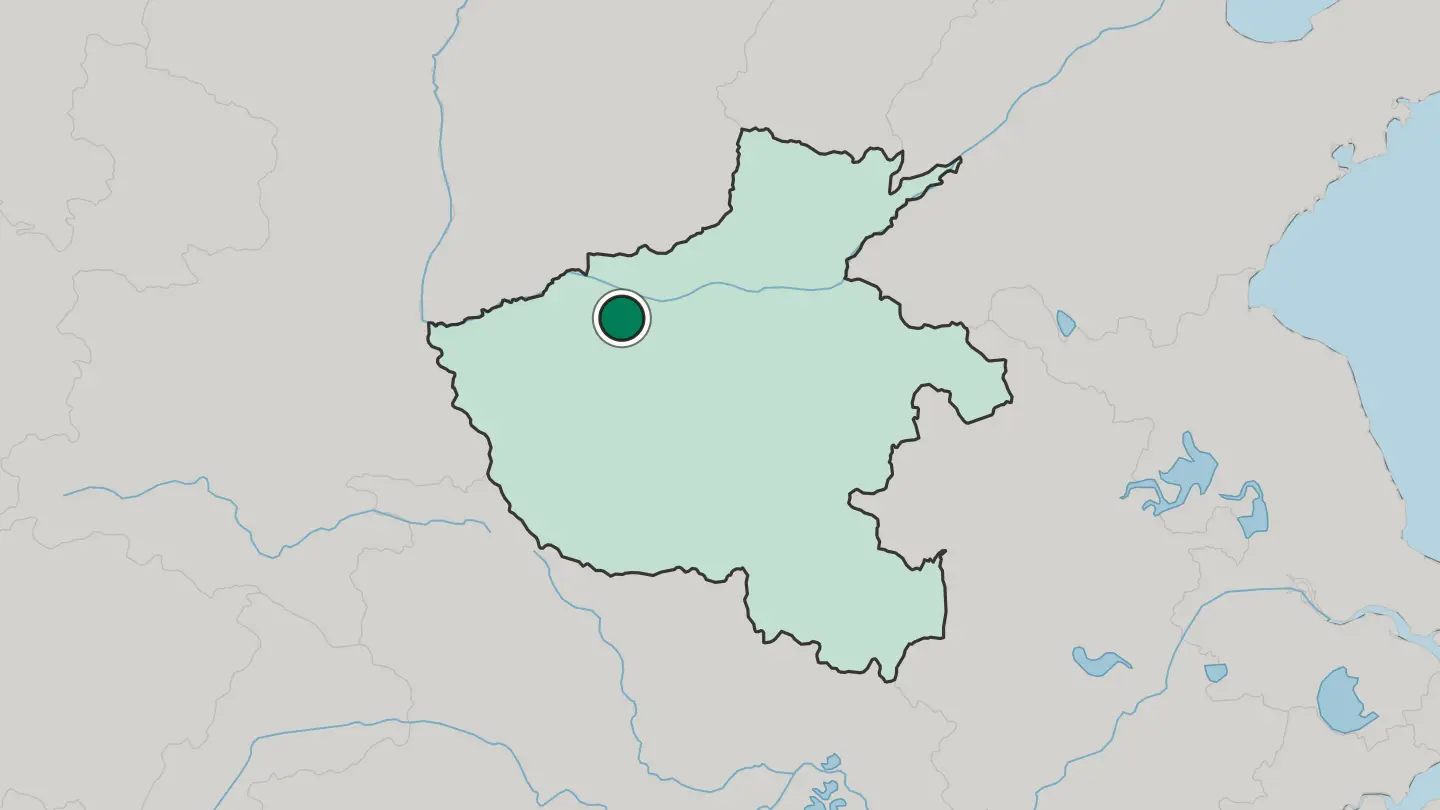
 China
China
Xuchang
Xuchang, the Xudu of old, keeps the Temple of Guan Yu, Chunqiu Tower and Baling Bridge, with kiln sites out toward Yuzhou in Henan.Where to stay →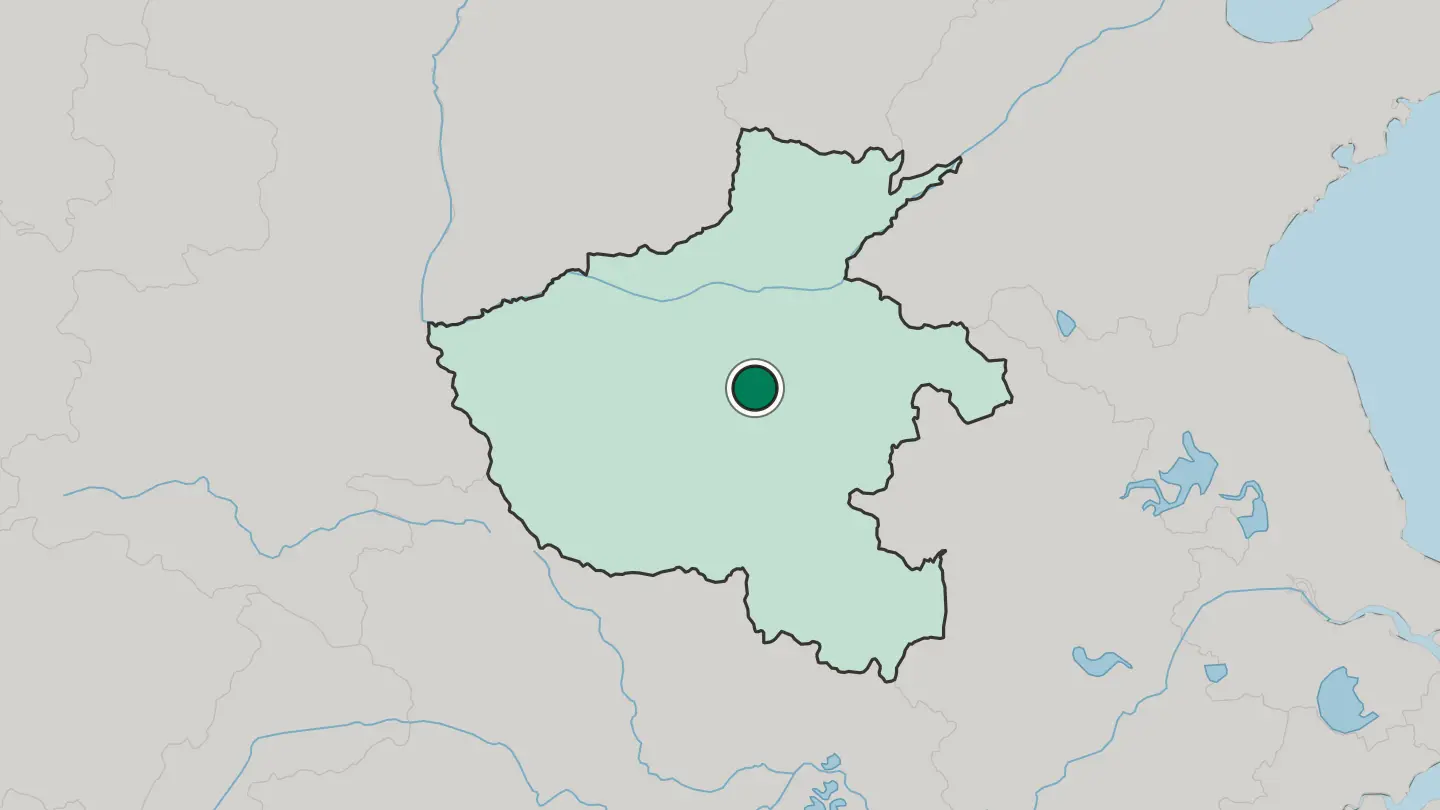
 China
China
Xinyang
Xinyang is a prefecture-level city of Henan, built around the Shihe and Pingqiao urban districts and the ancient state capitals in its ground.Where to stay →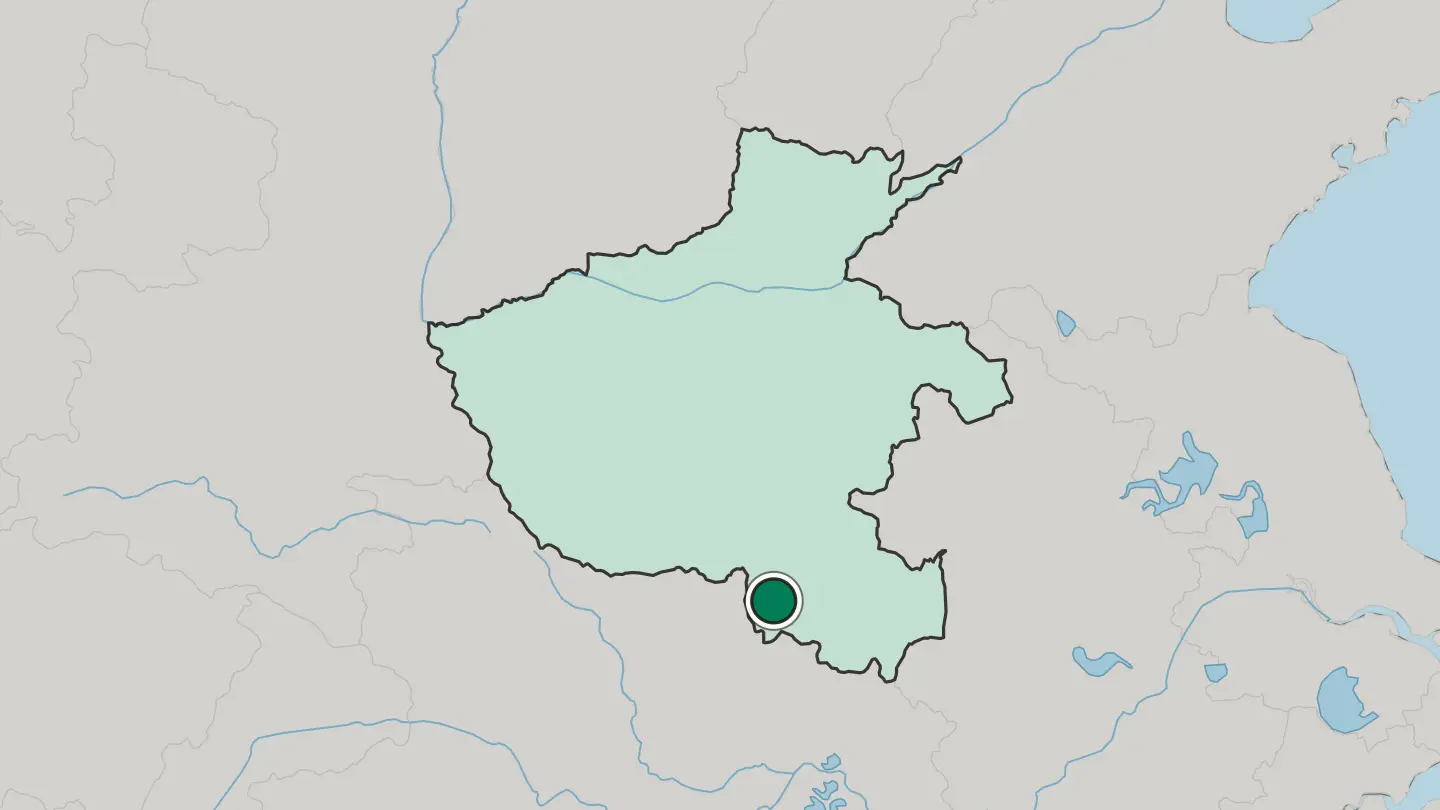
 China
China
Anyang
Anyang holds Yinxu, the Cao Cao Mausoleum and the Red Flag Canal, out at the Henan boundary with Hebei and Shanxi.Where to stay →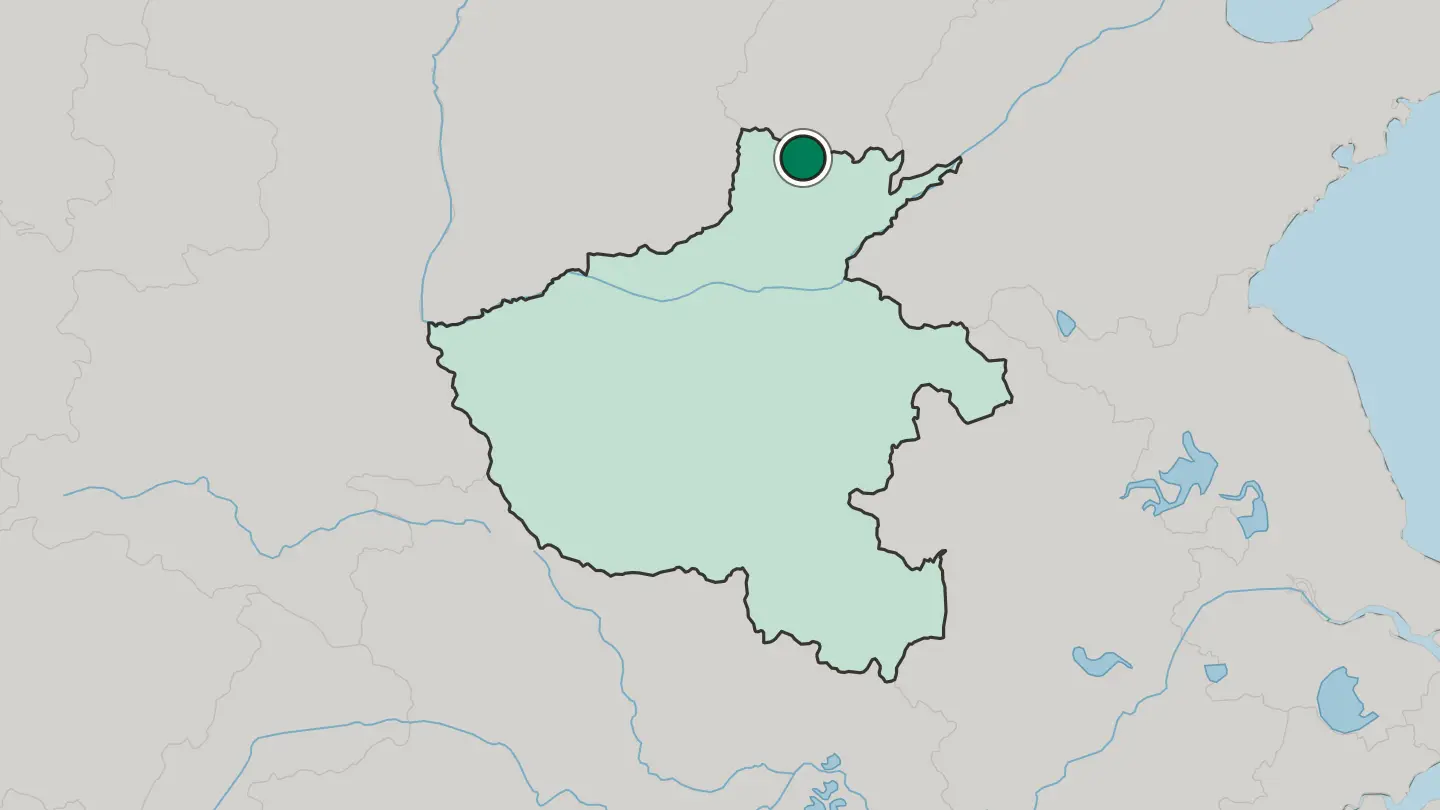
Hotel links are affiliate links: booking through them may earn us a commission, at no extra cost to you. It never affects how places are ranked. How this works
About Henan
What is Henan known for?
Henan takes its name from the Yellow River, whose Chinese name gives the province its meaning: land south of the river. This is the old heartland. Four of China's historical capitals stand on Henan soil, at Luoyang, Anyang, Kaifeng and Zhengzhou.
The Shaolin Monastery sits on Mount Song near Dengfeng, the birthplace of its martial tradition, while the Longmen Grottoes hold tens of thousands of Buddhist carvings in the cliffs south of Luoyang. History is the draw.
Where is Henan?
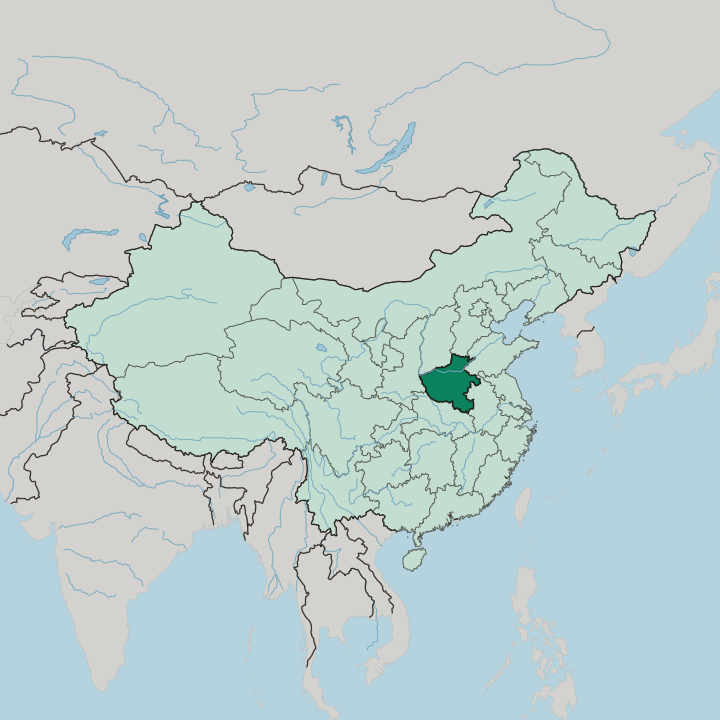
Henan fills a broad stretch of central China, and the Yellow River cuts across its middle. Roughly a sixth of the province lies north of that river; the rest spreads south of it. The east is flat and low, part of the North China Plain, one of the most densely farmed lands on Earth.
The west tells a different story. There the ground rises into forested ranges, among them Mount Song and the Waifang hills, where the plain gives way to remote uplands far from any city. Zhengzhou, the capital, stands on the southern bank of the Yellow River, where the valley opens onto the plain.
Neighbours press in on every side, six of them in all. Shandong and Hebei lie to the north, Shanxi and Shaanxi to the west, Hubei to the south and Anhui to the east. That central position, hemmed by neighbours and split by the great river, earned this ground an old name.
Here lie the Central Plains.
What is Henan like?
Henan calls itself the cradle of Chinese civilization, and the claim rests on hard ground. The Central Plains, or Zhongyuan, took shape here along the Yellow River, and for long stretches of the imperial past this was the political and cultural core of the whole country. Old capitals anchor that memory.
Anyang holds the Yinxu ruins, where the Shang dynasty carved the earliest known Chinese writing into oracle bones. Kaifeng preserves the street plan of the Northern Song. Two great religious traditions took root on Mount Song: the Shaolin Monastery gave the world its school of kung fu and helped spread Chan Buddhism, while nearby temples served Taoist and Confucian rites.
The everyday culture is northern Chinese. People speak varieties of Mandarin, eat wheat noodles and steamed bread rather than rice, and stage clangorous local operas such as Yuju. It is a place that wears its age plainly.
What is the history of Henan?
The land around Henan carries some of the oldest recorded history in China. At Anyang, the Shang dynasty ruled from the city now known as Yinxu, and the oracle bones dug from that ground bear the first Chinese script. Other courts followed.
Luoyang served a long succession of dynasties, and Kaifeng rose to its greatest glory under the Northern Song. The modern province took its present shape in 1949, and in 1954 its capital moved from Kaifeng to Zhengzhou, chosen for the railways that meet there. Power drifted away, but the ground remembers.
What is the climate of Henan?
Henan has a warm-temperate monsoon climate, sitting on the transition toward the subtropics in the south. Winters run cold and dry. Summers turn hot and wet, when the monsoon brings most of the year's rain to the Central Plains in a few heavy months.
Rainfall climbs from the drier northwest toward the wetter southeast, so the hills near Mount Song see more of it than the open plain around Anyang. Spring can be dusty, autumn clear and mild. The Yellow River has flooded this ground many times over the centuries.
How do you get to Henan?
Zhengzhou is the way in for most visitors to Henan. Its Xinzheng airport handles the province's international flights, and the city sits where two of China's trunk rail lines cross, making it one of the busiest junctions on the North China Plain. High-speed trains link it to Beijing, Xi'an and the south in a few hours.
From Zhengzhou, fast trains and expressways fan out to Luoyang and Kaifeng, and a day trip reaches Shaolin Monastery on Mount Song. Rail is how the province moves.
Common questions
What is the best area to stay in Henan?
Zhengzhou: rail connections and the Shaolin day trip. Luoyang: the Longmen Grottoes and Buddhist Luoyang. Kaifeng: Northern Song streets and an overnight stay.
More regions in China
Updated October 2026