China · Henan
Where to Stay in Xinyang, Henan
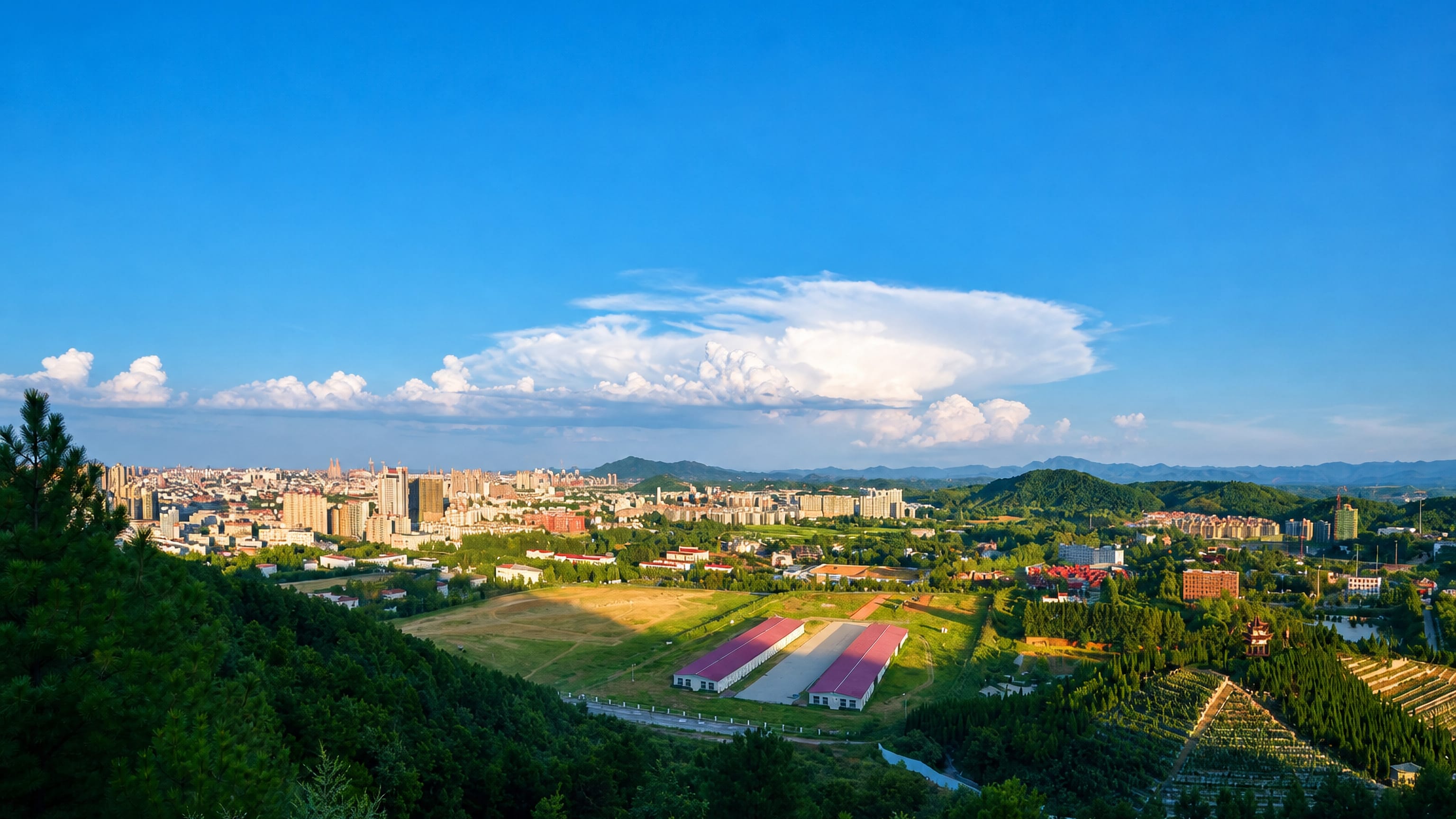
Xinyang is a prefecture-level city of Henan, built around the Shihe and Pingqiao urban districts and the ancient state capitals in its ground.
Hotel links are affiliate links: booking through them may earn us a commission, at no extra cost to you. It never affects how places are ranked. How this works


Where to stay in Xinyang
Where visitors usually base themselves, and why.
The choice in Xinyang runs between Shihe and Pingqiao. Those two urban districts hold the built-up core of the prefecture, and a room in either puts the Xinyang Museum and the working business of the city within reach without a drive across county roads. Shihe is the denser side.
Pingqiao lies alongside it, sharing the same core while thinning faster toward farmland, which matters in a prefecture that reaches far past its urban districts. Mount Jigong is the other pull. Its listed modern buildings stand well outside the core, so anyone coming principally for that hill should weigh a night near it against the convenience of Shihe and Pingqiao.
Gushi has its own museum. A base pitched toward the Gushi Museum suits visitors working through the outlying counties rather than the city proper, and the twentieth-century sites are out there too, from the Headquarters of the 25th Army of the Red Army to the Deng Yingchao Family Home. Distance decides it here.
If you want the museums, the restaurants and a short walk to everything, Shihe and Pingqiao are the answer, and everything else in Xinyang, Yongji Bridge and Tianhu Cemetery included, asks for a vehicle and a plan for the day.
Find hotels in Xinyang
Direct booking searches for these neighbourhoods.
Shihe
The denser of Xinyang's two urban districts, where the city's shops, offices and its museum sit togetherFind hotels in ShiheRooms with more space where the built-up area gives way to farmlandPingqiao
Xinyang's second urban district, sharing the core with Shihe but thinning quickly toward the county groundFind hotels in PingqiaoTrips built around the heritage-listed modern buildings on the hillMount Jigong
The upland side of Xinyang, far from Shihe and Pingqiao, where the listed modern buildings of Mount Jigong stand. Few places to stay nearby — book ahead.Find hotels in Mount JigongVisitors working the outlying counties around the Gushi MuseumGushi
The far county side of Xinyang, anchored by the Gushi Museum rather than by the urban districts. Lodging is scarce in this area; reserve in advance.Find hotels in GushiHotel links are affiliate links: booking through them may earn us a commission, at no extra cost to you. It never affects how places are ranked. How this works
About Xinyang
Ancient states left their capitals here.
What is Xinyang known for?
Xinyang carries the recorded seats of the Fan State, the Huang State and the Jiang State, three early polities whose capital grounds lie inside one modern prefecture alongside the Chengyang Site. The Xinyang Museum gathers what came out of them. Mount Jigong adds a different register, its modern buildings listed as heritage, while the Ancestral Temple of Cheng Yuanguang keeps an older commemorative thread going.
What are the main landmarks in Xinyang?
Sixteen listed sites carry Xinyang. Three of them are capital grounds of vanished states, Fan, Huang and Jiang, and the Chengyang Site belongs to that same deep archaeological layer of the prefecture. Yongji Bridge is on the register too.
A twentieth-century cluster follows, led by the Headquarters of the 25th Army of the Red Army and the Former E-Yu-Wan Border Special District Soviet Government. Two museums hold the movable part, the Xinyang Museum and the Gushi Museum, with the Ancestral Temple of Cheng Yuanguang and Tianhu Cemetery closing the register.
What is the history of Xinyang?
Three states had capitals here. The Site of Capital of the Fan State, the Capital of the Huang State and the Capital of the Jiang State are all recorded inside Xinyang, which leaves the prefecture holding the seats of three separate early polities rather than one. The Chengyang Site adds a fourth ancient ground.
What survives of that period is largely archaeological, and the Xinyang Museum, with the Gushi Museum behind it, is where the material taken from those grounds is kept. Later centuries left buildings instead. The Ancestral Temple of Cheng Yuanguang commemorates a single figure, while Yongji Bridge belongs to the ordinary infrastructure of an older Henan, the kind of crossing that outlives whatever traffic it was built for.
Then the twentieth century marked the ground heavily. Xinyang holds the former site of the Hubei-Henan-Anhui Revolutionary Base and the Former E-Yu-Wan Border Special District Soviet Government, together with the Headquarters of the 25th Army of the Red Army, the Site of the Headquarters of the 1st Red Army and the Long March Starting Point of the 25th Army. The Deng Yingchao Family Home stands here as well.
Tianhu Cemetery and the listed modern buildings at Mount Jigong close the sequence, and the two urban districts of Shihe and Pingqiao that run the prefecture sit at the middle of all of it.
Where is Xinyang?
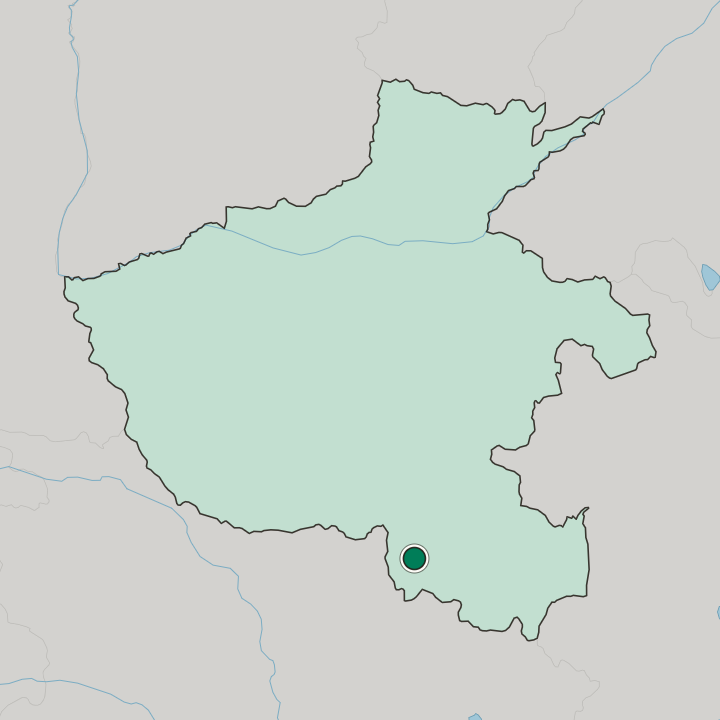
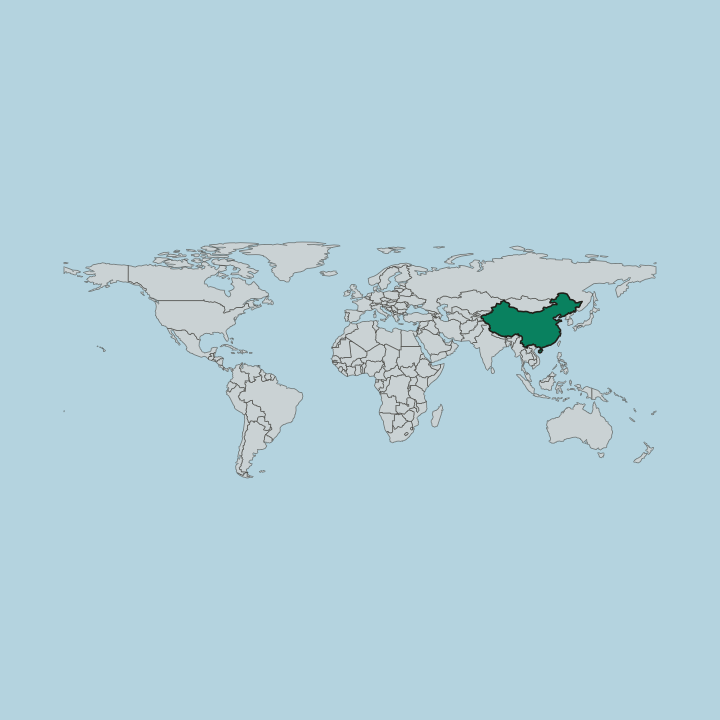
Four cities frame Xinyang. Nanyang lies to the north, Fuyang to the east, Xiaogan to the south and Xiangyang to the west, so the prefecture of Henan sits inside a ring of neighbours rather than against an empty edge. Its own core stays compact. Shihe and Pingqiao carry the built-up area, and beyond them Xinyang spreads into subtropical country broad enough to contain Mount Jigong, the Chengyang Site and the county ground around Gushi.
What is the climate of Xinyang?
Xinyang lies in the subtropical band north of the equator. Warmth of that order runs the agricultural year across almost everything outside the two urban districts, since Shihe and Pingqiao together account for a small share of the prefecture's ground. Mount Jigong reads differently.
Rising clear of the country that Shihe and Pingqiao occupy, the hill holds a cooler register than the core, and its listed modern buildings stand on that higher ground.
How do you get to Xinyang?
Approaches come from four neighbours. Xiangyang and Nanyang stand on the western and northern sides, Fuyang on the eastern and Xiaogan on the southern, and every one of those roads ends on the same built-up ground that Shihe and Pingqiao share. Arrival means the urban districts.
Mount Jigong, Gushi and the outlying twentieth-century sites sit well beyond that core, so onward movement inside Xinyang is a second leg, planned apart from the journey that reached the city.
Common questions
What is the best area to stay in Xinyang?
Shihe: Nights closest to the Xinyang Museum and the prefecture's working offices. Pingqiao: Rooms with more space where the built-up area gives way to farmland. Mount Jigong: Trips built around the heritage-listed modern buildings on the hill. Gushi: Visitors working the outlying counties around the Gushi Museum.
Good for
More cities in Henan
Updated September 2026