China · Henan
Where to Stay in Luoyang, Henan
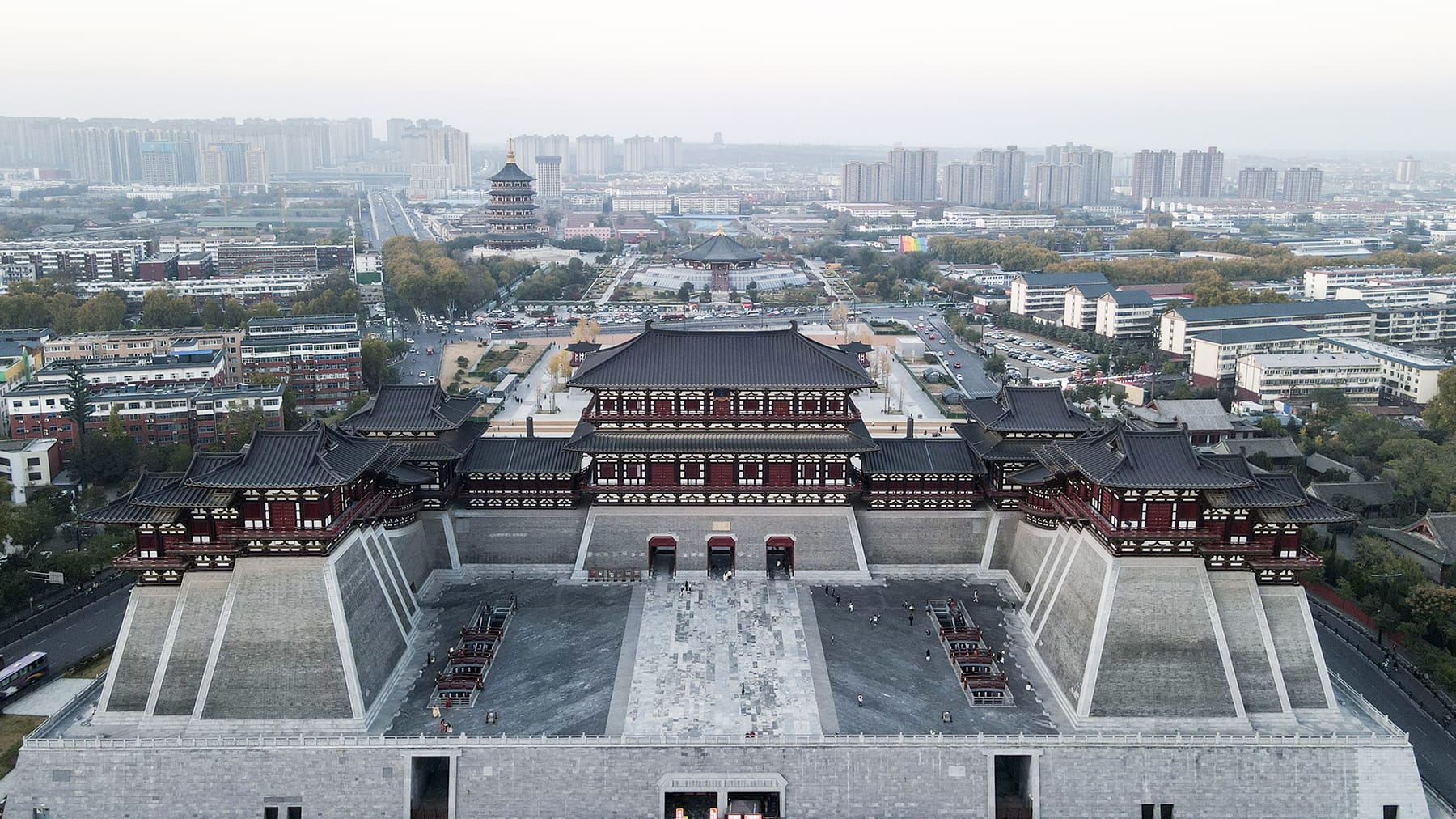
Carved cliffs rise above Luoyang, an ancient capital in Henan, known for the Longmen Grottoes and the White Horse Temple.
Hotel links are affiliate links: booking through them may earn us a commission, at no extra cost to you. It never affects how places are ranked. How this works


Where to stay in Luoyang
How the choice of base plays out on the ground.
Where a traveller stays in Luoyang turns on the split between the old city and the heritage sites ringing it, because the ancient capital in Henan spread its monuments across a wide basin rather than one compact core. The central districts carry the Luoyang Museum, the guild halls, and the everyday city, and they make the natural base for a first visit. Distances here are wider than they look.
Near the Shanshaan Guild Hall and the Luoyang Luze Guild Hall, hotels stand within reach of the older streets and the markets, keeping the working city on the doorstep. The Longmen Grottoes lie south of the centre, where the carved cliffs draw most visitors, and a bed toward that side shortens the run to the grottoes and the Guanlin shrine. West and east of the city, the sites thin out toward the Erlitou and Han-Wei ancient city grounds, a plainer setting away from the modern streets.
Each part keeps its own pull. A short ride ties the outer sites back to the centre, so a hotel near the guild halls is rarely far from the Longmen Grottoes that made Luoyang.
Find hotels in Luoyang
Direct booking searches for these neighbourhoods.
Central Luoyang
The central districts gather hotels near the Luoyang Museum, the Shanshaan Guild Hall, and the Luoyang Luze Guild Hall in the working heart of the old capital.Find hotels in Central LuoyangBest if you want the carved cliffs of the Longmen Grottoes and the Guanlin shrine close by, and accept a quieter base outside the centre.Longmen side
The southern side sits nearest the Longmen Grottoes and the Guanlin shrine, set apart from the busier central Luoyang districts.Find hotels in Longmen sideHotel links are affiliate links: booking through them may earn us a commission, at no extra cost to you. It never affects how places are ranked. How this works
Things to do in Luoyang
Ranked by global recognition; descriptions from Wikidata (CC0).
Museums & Galleries
3- Luoyang Museum
- Luoyang Museum of Ancient Tombs
- Erlitou Site Museum of the Xia Capital
Churches & Religious Sites
1- Zhougong Temple, Luoyang Heritage
Castles & Historic Sites
1- Erlitou Heritage
worth knowingacross 3 categories in Luoyang
About Luoyang
What is Luoyang known for?
Luoyang is known as one of the ancient capitals of China, set in Henan and famed for the Longmen Grottoes and the White Horse Temple. Its heritage runs deep. The cliffs of the Longmen Grottoes hold thousands of carved Buddhist figures, while the White Horse Temple stands as an early Buddhist foundation, and the Erlitou site nearby marks one of the oldest walled settlements in the region.
Luoyang's museums pick up the remainder.
What are the main landmarks in Luoyang?
Luoyang's landmarks trace its long run as an imperial capital. The Longmen Grottoes carve thousands of Buddhist figures into the cliffs south of the city, and the White Horse Temple stands among the earliest Buddhist foundations in the region. Ancient ground surrounds it.
The Erlitou site and the Old City of Luoyang in Han and Wei Dynasties mark early walled capitals, while the Luoyang Museum, the Guanlin shrine, and the Imperial City of Luoyang in the Sui and Tang Dynasty hold the relics and remains of successive dynasties in Henan.
What is the history of Luoyang?
Luoyang served as a capital across many dynasties, one of the oldest seats of power in Henan and in Chinese history. The Erlitou site nearby preserves one of the earliest walled settlements known in the region, and successive courts raised their capitals across the same basin. Power moved between walls.
The Wangcheng of Eastern Zhou Dynasty, the Old City of Luoyang in Han and Wei Dynasties, and the Imperial City of Luoyang in the Sui and Tang Dynasty each mark a different capital laid out on this ground. Buddhism entered the city early, and the White Horse Temple stands among the first Buddhist foundations in the country. Later dynasties cut the Longmen Grottoes into the cliffs, carving thousands of figures over generations of imperial patronage that turned the southern cliffs into a vast Buddhist gallery.
Older shrines survive too. The Guanlin shrine and the Gongling Tomb of the Tang Dynasty add to the layered heritage. Through every shift of court and dynasty, the Luoyang Museum now gathers the relics that record the city's role as a long-standing capital of Henan, its ground worked and reworked as one seat of power after another rose above the basin.
Where is Luoyang?
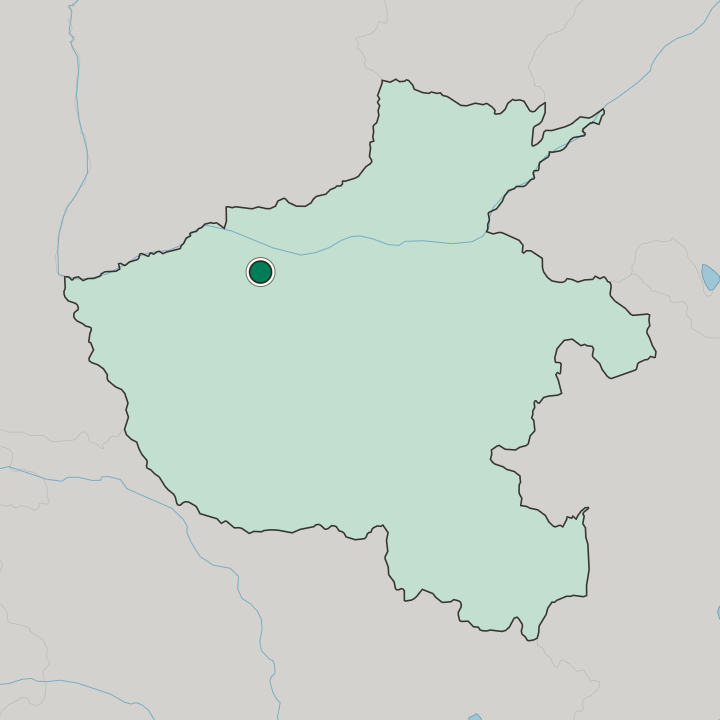
Luoyang lies in a broad river basin in western Henan, ringed by hills that open onto the plain. The land is uneven. Low ridges and terraces frame the old city, and the cliffs cut by the Longmen Grottoes rise at the southern edge, where the ground climbs from the basin floor.
This mix of basin and hill gave successive capitals defensible ground and open farmland alike, and it set Luoyang apart from the flatter reaches of eastern Henan.
What is the climate of Luoyang?
Luoyang has a temperate, monsoon-influenced climate in inland Henan, with hot, wet summers and cold, dry winters. The seasons swing sharply here. Most rain falls in the warm months, when the basin turns humid and green, while winter brings cold, dry spells with little snow over the old city.
Spring and autumn stay short but mild, the drier stretches that long suited travel to the cliffs and shrines around Luoyang.
How do you get to Luoyang?
Luoyang sits on the main east-west rail and road corridors of Henan, tied into the wider provincial network. Trains reach it from across the province. The city stands on the routes running between Zhengzhou and the west, so rail and road link it closely to the provincial capital and onward toward the interior.
Local roads fan out from the centre to the Longmen Grottoes and the outlying heritage sites that spread across the basin around Luoyang.
Common questions
What is the best area to stay in Luoyang?
Central Luoyang: Best if you want the Luoyang Museum and the old guild-hall streets on the doorstep, with the grottoes a short ride south.. Longmen side: Best if you want the carved cliffs of the Longmen Grottoes and the Guanlin shrine close by, and accept a quieter base outside the centre..
Good for
More cities in Henan
Updated September 2026