China · Shanghai Shi
Where to Stay in Shanghai, Shanghai Shi
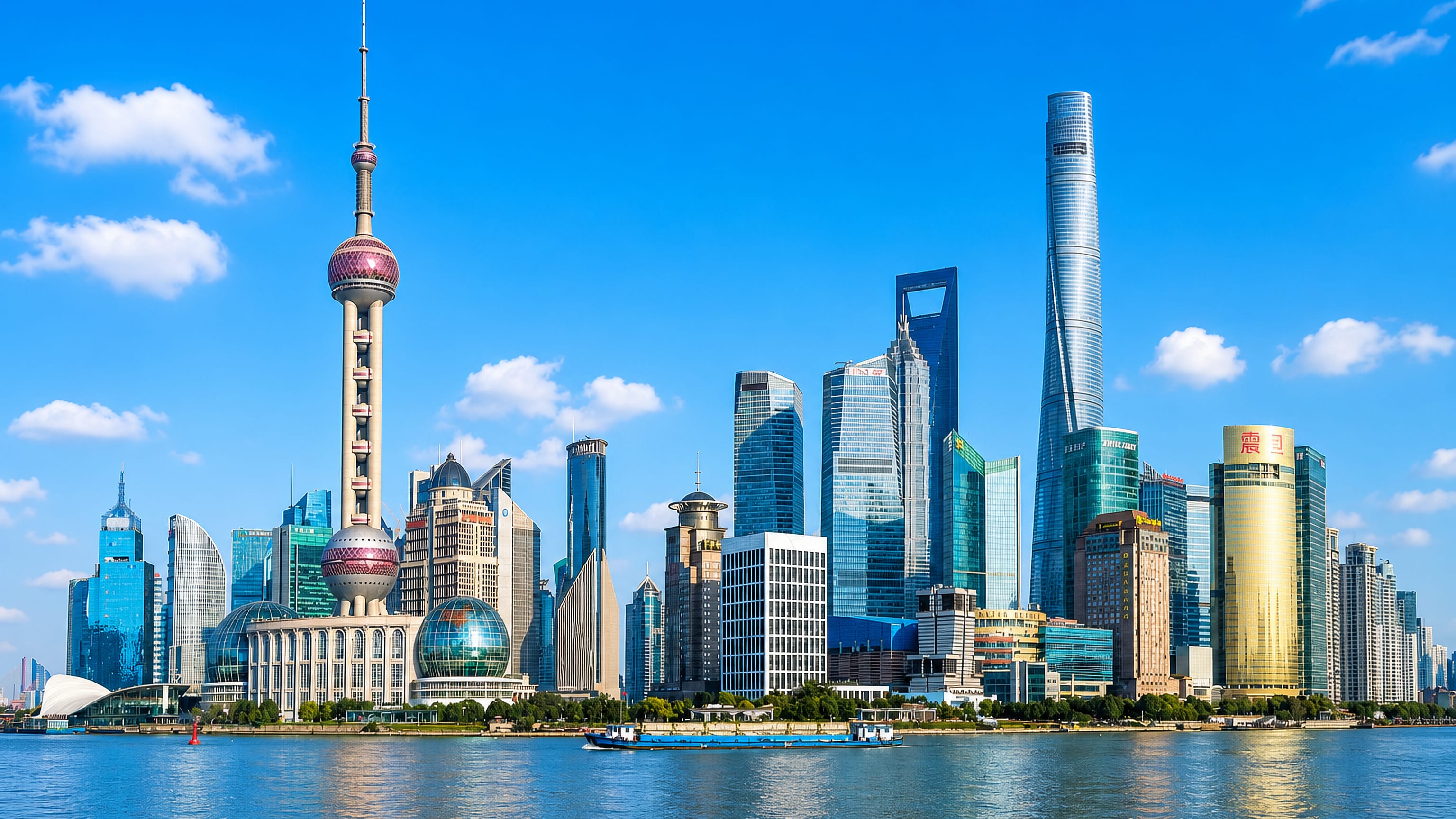
Shanghai stands on the Yangtze estuary, split by the Huangpu River, a Chinese port known for the Oriental Pearl Tower and Art Deco streets.
Hotel links are affiliate links: booking through them may earn us a commission, at no extra cost to you. It never affects how places are ranked. How this works


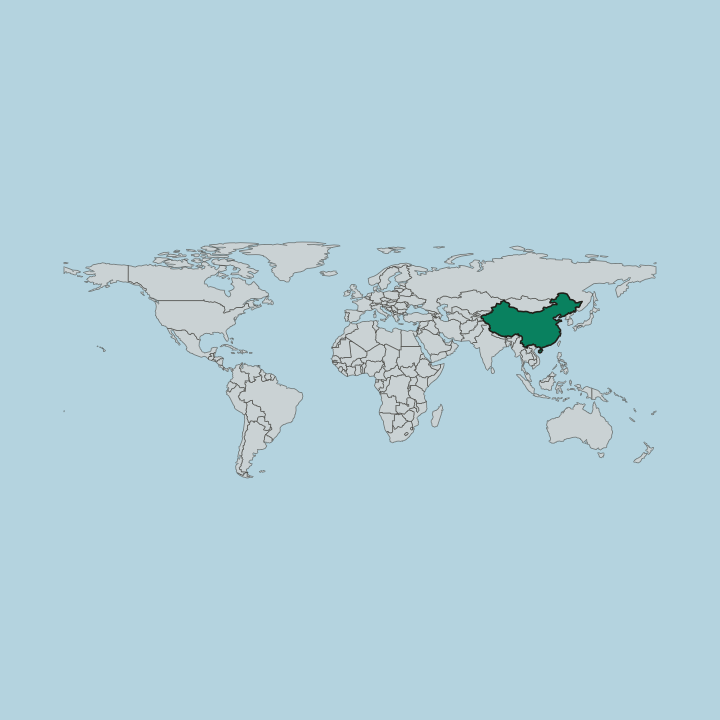
Where to stay in Shanghai
The right area depends on your trip — here's what each neighbourhood is best for.
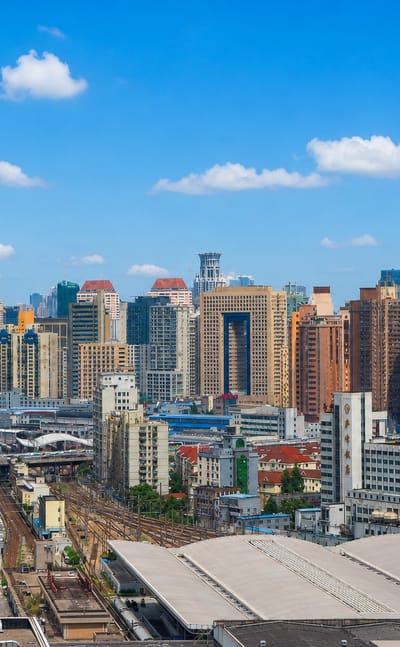
 ShanghaiChina
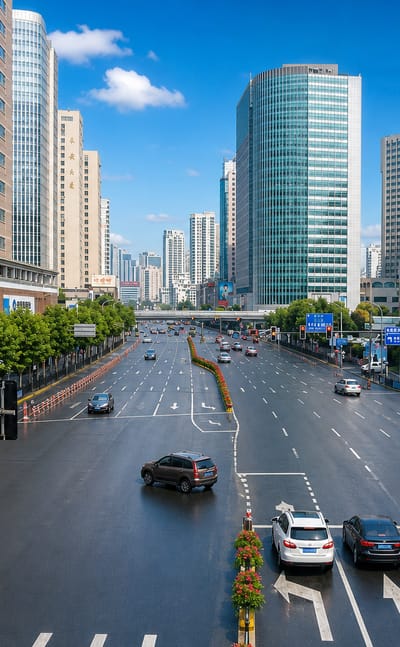
Jing’an
lanes around Jing'an Sculpture Park lined with Art Deco blocks and metro exitsJing'an →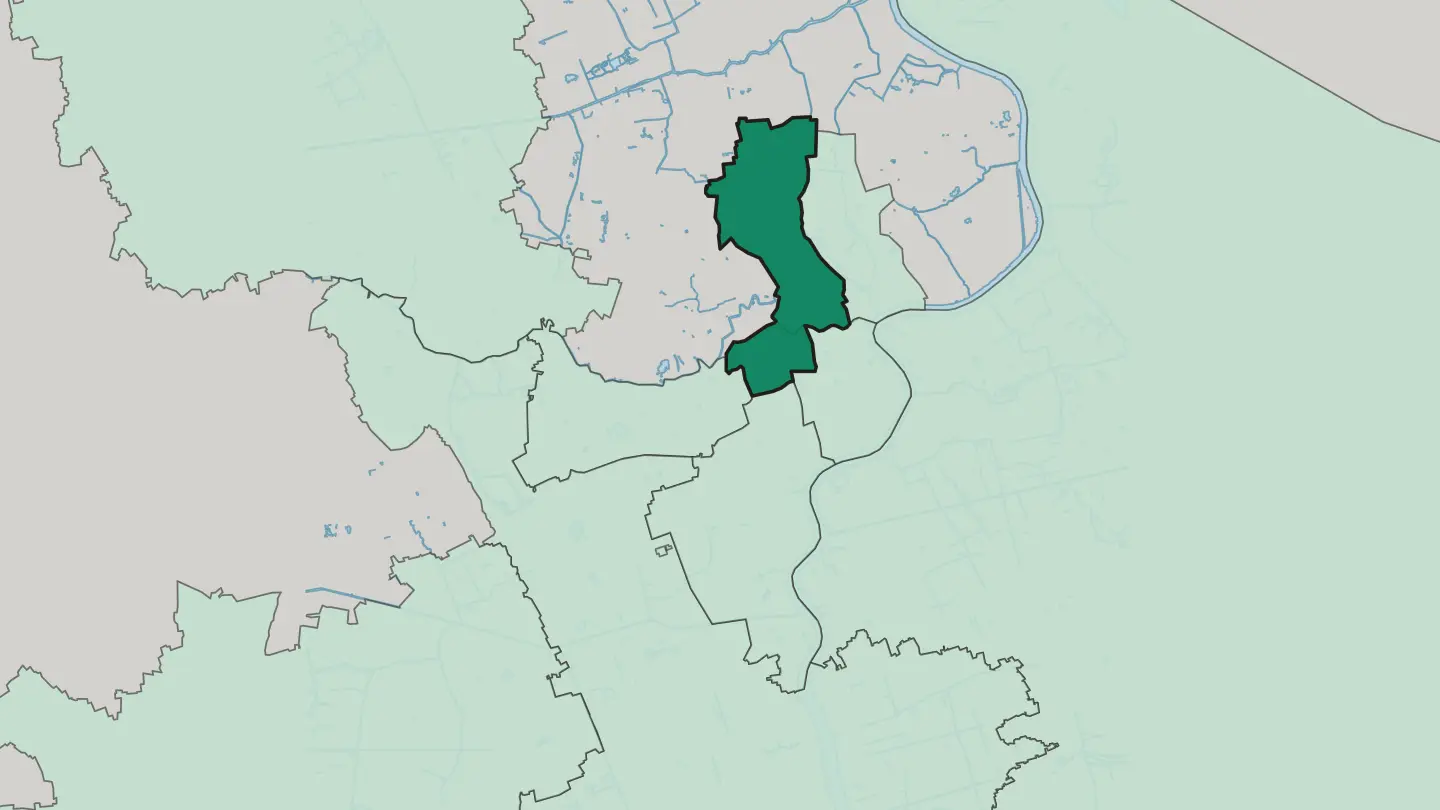
 ShanghaiChina
Zhabei
grew up around the railway, with the Shanghai Railway Museum and mainline platforms nearbyZhabei →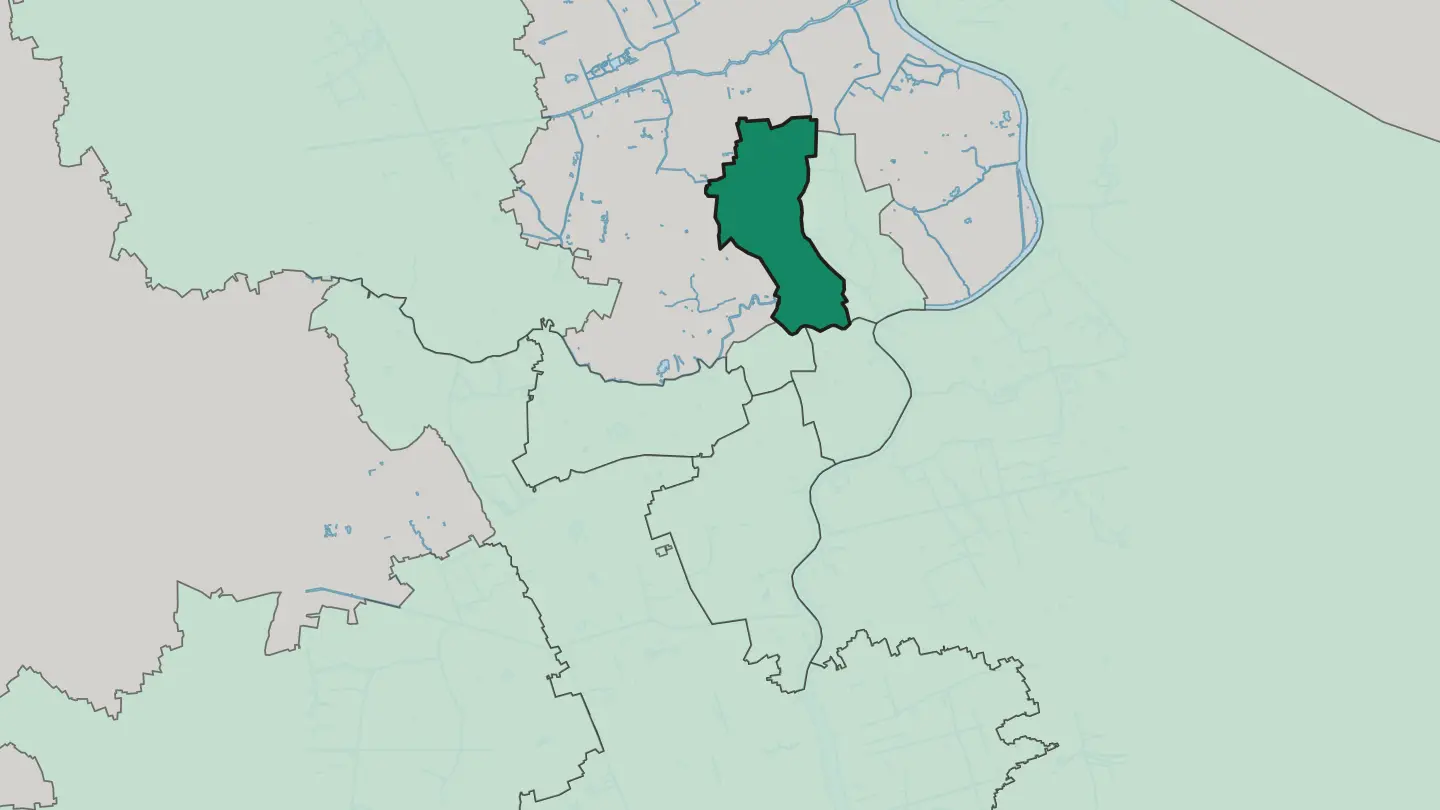
 ShanghaiChina
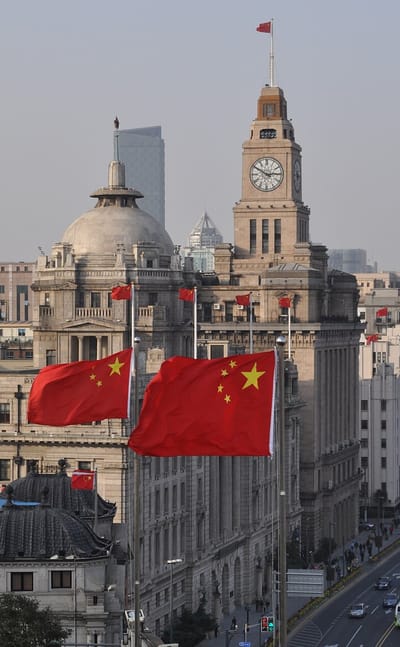
Huangpu District
Huangpu is central Shanghai's core district, tracing the Huangpu River where the Bund's stone banks face the Oriental Pearl Tower across the water.Where to stay →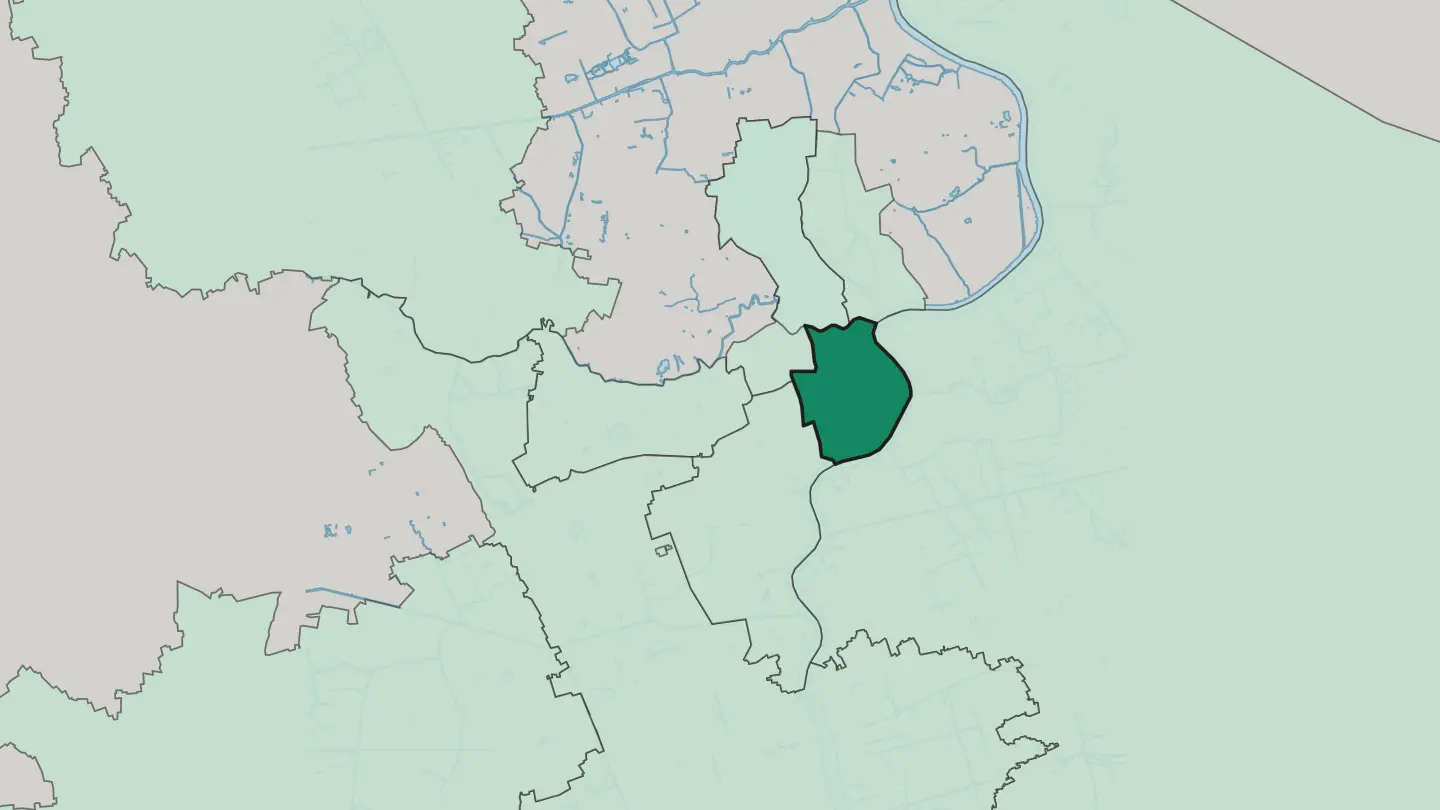
 ShanghaiChina
Old City of Shanghai
The Old City of Shanghai is the historic walled quarter of Shanghai, now folded into Huangpu District.Where to stay → ShanghaiChina
Hongkou
Hongkou is a district of Shanghai in the city's northern urban core, a museum-dense ward on the Huangpu bank.Where to stay →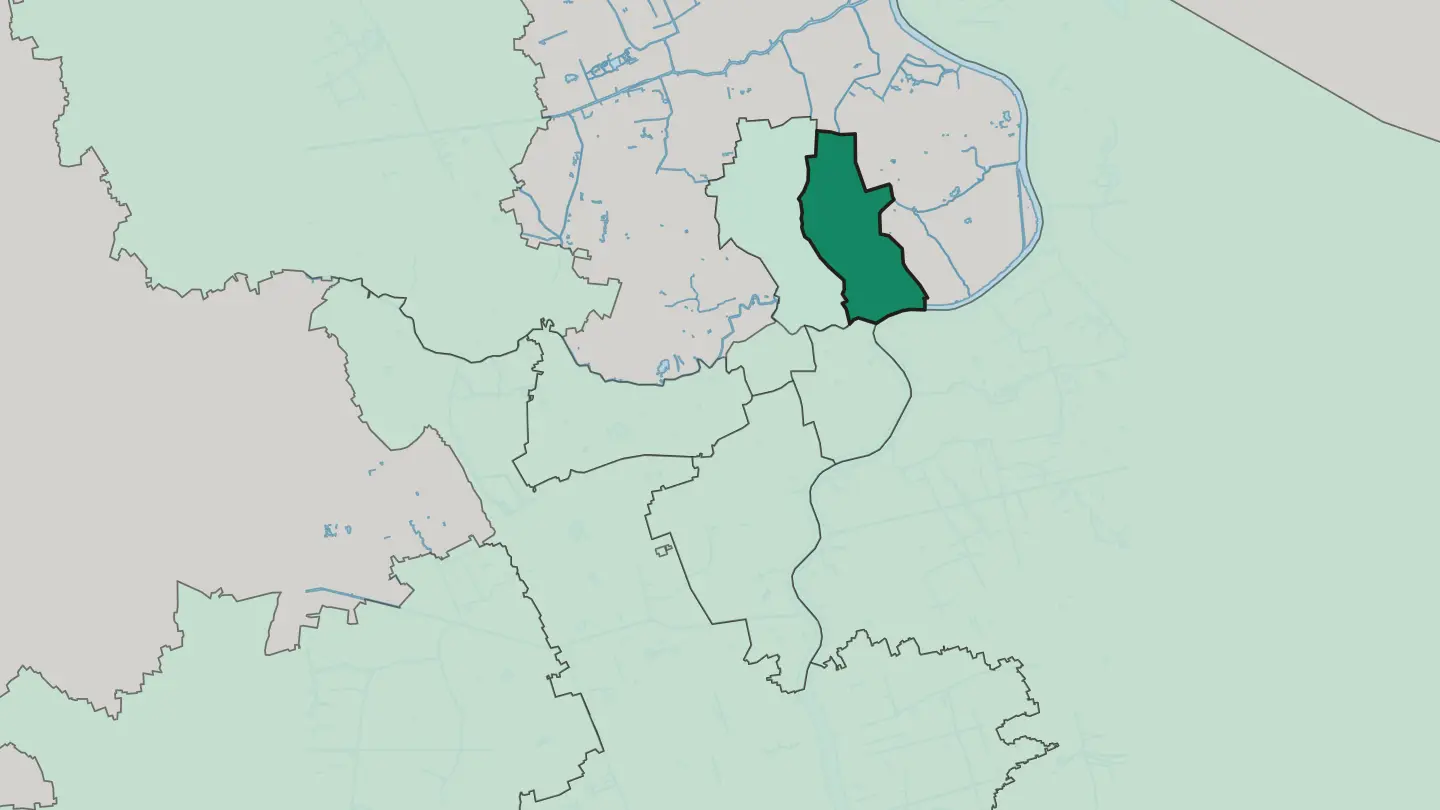
 ShanghaiChina
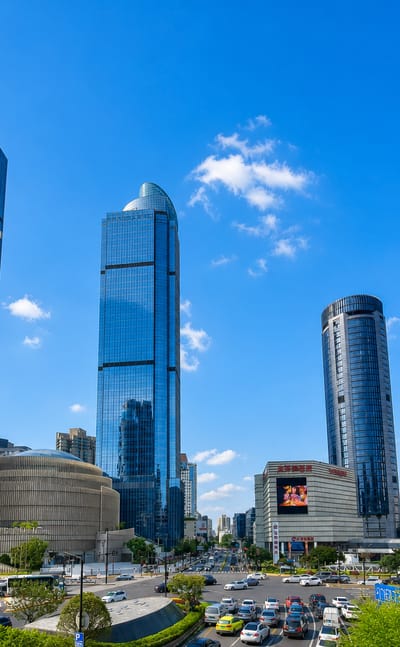
Changning District
Changning District is a museum-rich neighbourhood of Shanghai in China, gathered near the Liu Haisu Art Museum.Where to stay →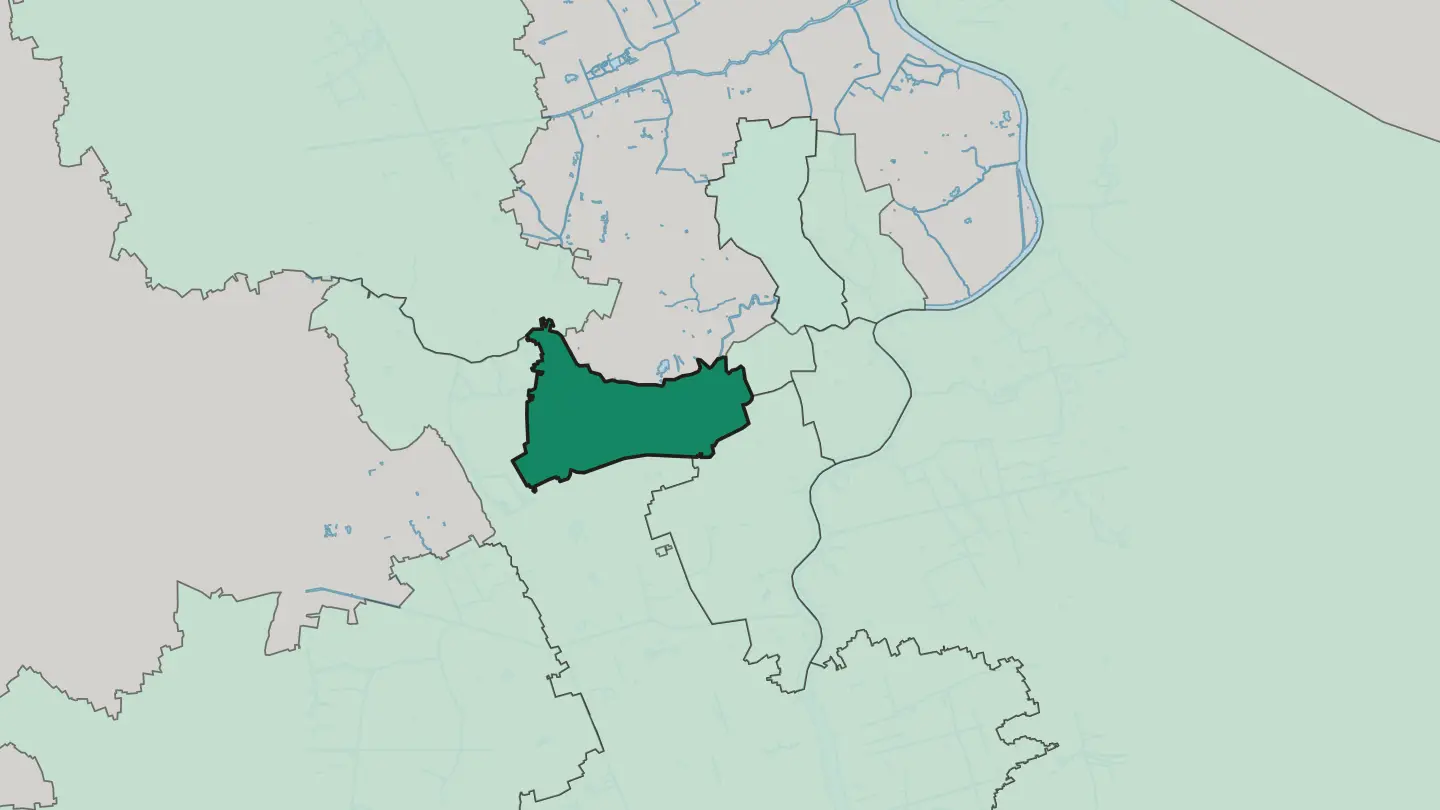
 ShanghaiChina
Xuhui District
Xuhui District is a central Shanghai borough of tree-lined streets, museums and the West Bund riverside.Where to stay →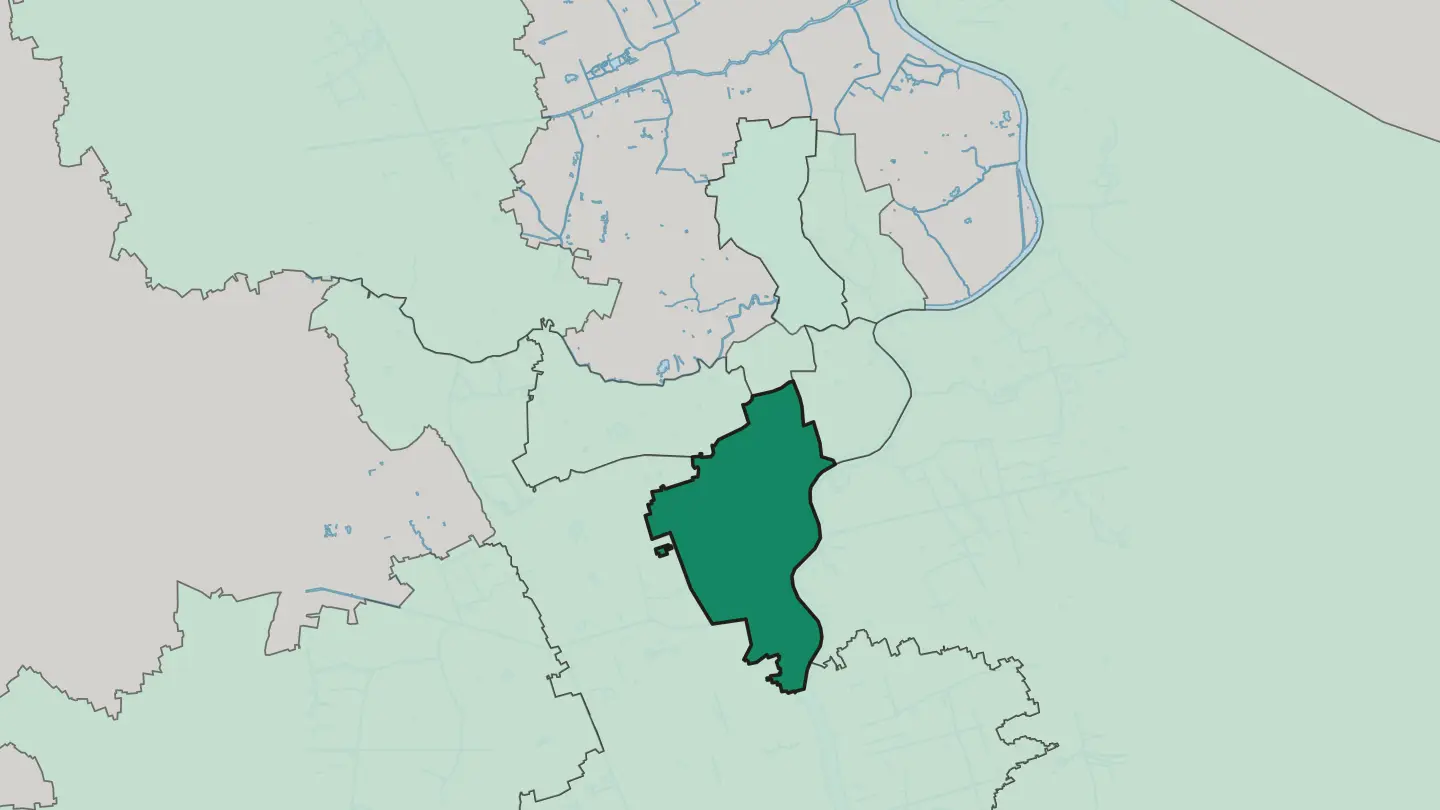
 ShanghaiChina
Pudong
Pudong is a district of Shanghai on the east bank of the Huangpu, facing the old centre of Puxi.Where to stay → ShanghaiChina
Minhang District
Minhang District is a suburban district of Shanghai on the Huangpu River, taking in Jiangchuan Road Subdistrict and the Wujing waterfront.Where to stay → ShanghaiChina
Jiading
Jiading is a district in northwestern Shanghai, an old canal town of gardens and temples now ringed by expressways.Where to stay →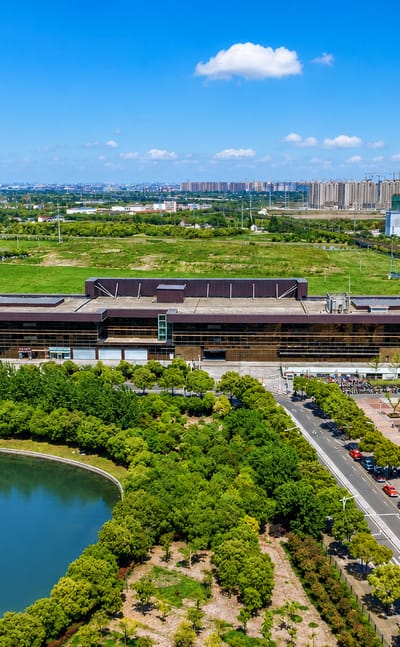 ShanghaiChina
Songjiang
Songjiang is a southwestern district of Shanghai, named for the Pine River and once known as Sungkiang.Where to stay → ShanghaiChina
Puxi
Puxi is the historic core of Shanghai west of the Huangpu River, facing the towers of Pudong across the water.Where to stay →Hotel links are affiliate links: booking through them may earn us a commission, at no extra cost to you. It never affects how places are ranked. How this works
Find hotels in Shanghai
Direct booking search for this neighbourhood.
Hotel links are affiliate links: booking through them may earn us a commission, at no extra cost to you. It never affects how places are ranked. How this works
Things to do in Shanghai
Ranked by global recognition; descriptions from Wikidata (CC0).
Museums & Galleries
3- Site of the First Congress of the Chinese Communist Party Heritage
- Shanghai Museum
- Shanghai Science and Technology Museum
Churches & Religious Sites
5- Saint Ignatius Cathedral Heritage
- St. Francis Xavier Church Heritage
- Community Church Heritage
- Saint Joseph's Church Heritage
- Moore Memorial Church Heritage
Castles & Historic Sites
3- Monument to the People's Heroes
- Monument to Frederic Chopin in Shanghai
- Monument to Johann Sebastian Bach, Zhabei District
Stadiums & Sports
1- Jing'an Gymnasium
Landmarks & Notable Places
4- Moller Villa Heritage
- Former Residence of Sun Yat-sen in Shanghai Heritage
- Gutzlaff Signal Tower Heritage
- Site of the 2nd National Congress of the Chinese Communist Party Heritage
worth knowingacross 5 categories in Shanghai
About Shanghai
What is Shanghai known for?
Shanghai is China's financial and fashion capital, a treaty port where Western concessions left Art Deco terraces, shikumen lanes, and merchant villas across the former foreign quarters. Money and style define it. The Oriental Pearl Tower and the Shanghai World Financial Center rise above the Huangpu River, while the Shanghai Museum and the Rockbund Art Museum hold its collections.
East and West sit side by side.
What are the main landmarks in Shanghai?
Shanghai keeps its landmarks on both banks of the Huangpu River. The Oriental Pearl Tower and the Shanghai World Financial Center define a skyline that draws the eye across the water, floodlit after dark. Nearby stand the Shanghai Museum, the Rockbund Art Museum, and the Shanghai Ocean Aquarium.
The Site of the First Congress of the Chinese Communist Party and the Former Residence of Sun Yat-sen record its political past. Old and new share the shore.
What is the history of Shanghai?
Shanghai began as Huating, a county town founded in 751, long before river trade made it wealthy. For centuries it stayed a modest market town on the Huangpu River, well before the age of concessions. The treaty era changed everything.
After the mid-19th century, Western powers carved concessions from the walled city, and foreign firms raised the wharves, banks, and Art Deco terraces that still stand along the water. River trade made its fortune. The concession decades gave Shanghai its shikumen lanes, its Western-style churches, and its blend of Chinese and European building.
The Site of the First Congress of the Chinese Communist Party records the party's first meeting, held in the city, while the Former Residence of Sun Yat-sen preserves his home among the former foreign quarters. Then came war and revolution. The concessions became ordinary streets, the old temples and the Dajing Ge Pavilion survived amid the growth, and the Huangpu River's eastern bank filled with towers.
Towers crowned the new skyline, from the Oriental Pearl Tower to the Shanghai World Financial Center. The Shanghai Museum gathered the country's bronzes and ceramics into one hall.
Where is Shanghai?
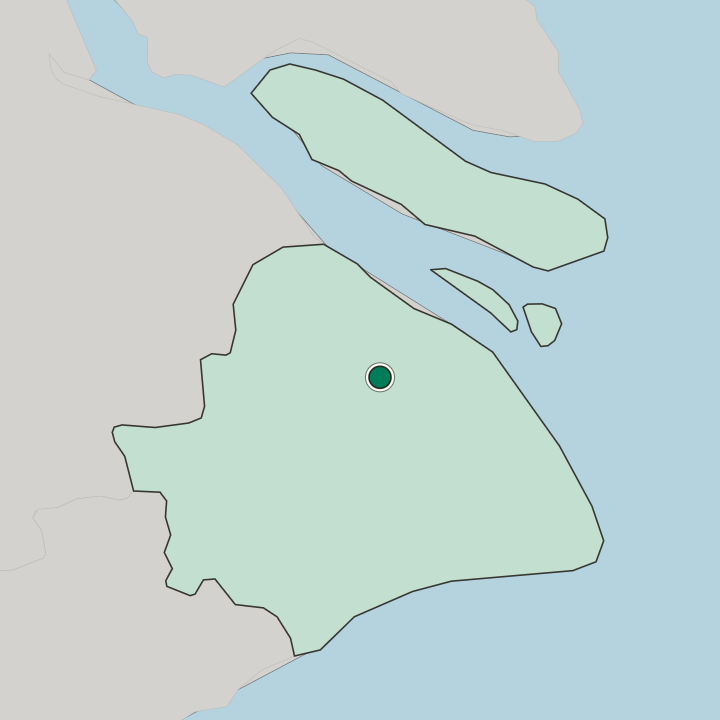
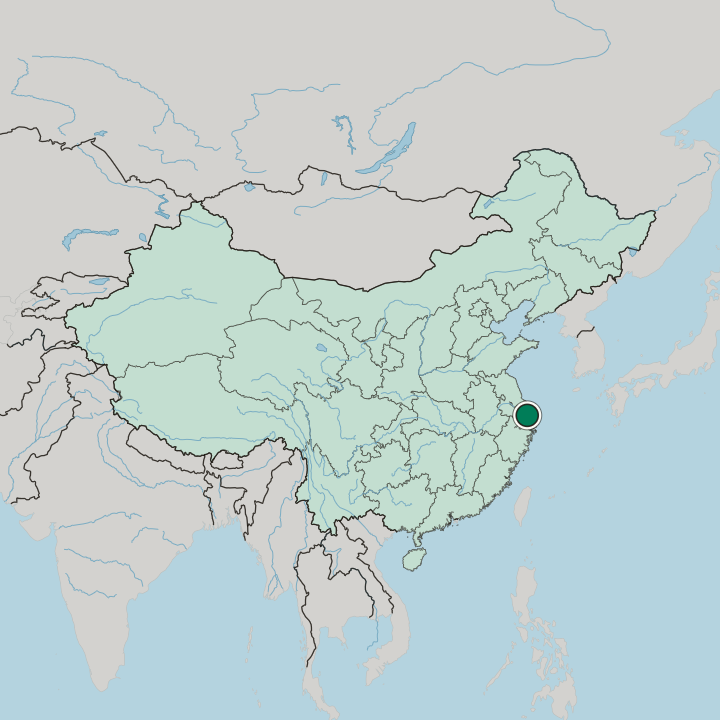
Shanghai lies on the estuary of the Yangtze River, where the great river empties into the sea. The Huangpu River runs through the middle of the city, splitting the older western districts from the high-rise eastern bank. Around the built core spreads a flat delta of creeks, canals, and reclaimed farmland.
Shanghai Shi, the municipality that contains the city, stretches from the river mouth to the open coast. Water shapes it all.
What is the climate of Shanghai?
Shanghai has a humid subtropical climate, shaped by the sea and the moisture of the Yangtze estuary. Summers dominate. They are hot, wet, and heavy with monsoon rain, and the late-summer months can bring typhoons sweeping in off the coast.
Winters stay cool and damp rather than truly cold. Spring and autumn are the kindest seasons for walking the Huangpu River waterfront.
How do you get to Shanghai?
Shanghai is reached by air, rail, and water, a hub at the mouth of the Yangtze River. Long-distance trains converge on the city, a rail past recalled at the Shanghai Railway Museum. Ships still work the Huangpu River.
Deep-water berths line the estuary of the Yangtze River, where sea trade first tied the settlement to the wider world and where cargo ships pass in and out of the delta. Metro lines and ring roads carry the rest of the traffic inland from the airports on the edge of the delta.
Common questions
What is the best area to stay in Shanghai?
Jing'an: a central first-time base for walking and shopping. Zhabei: budget travellers catching long-distance trains. The eastern bank: modern high-rise hotels with river views.
Good for
Updated October 2026