Germany · Bremen
Where to Stay in Bremerhaven, Bremen
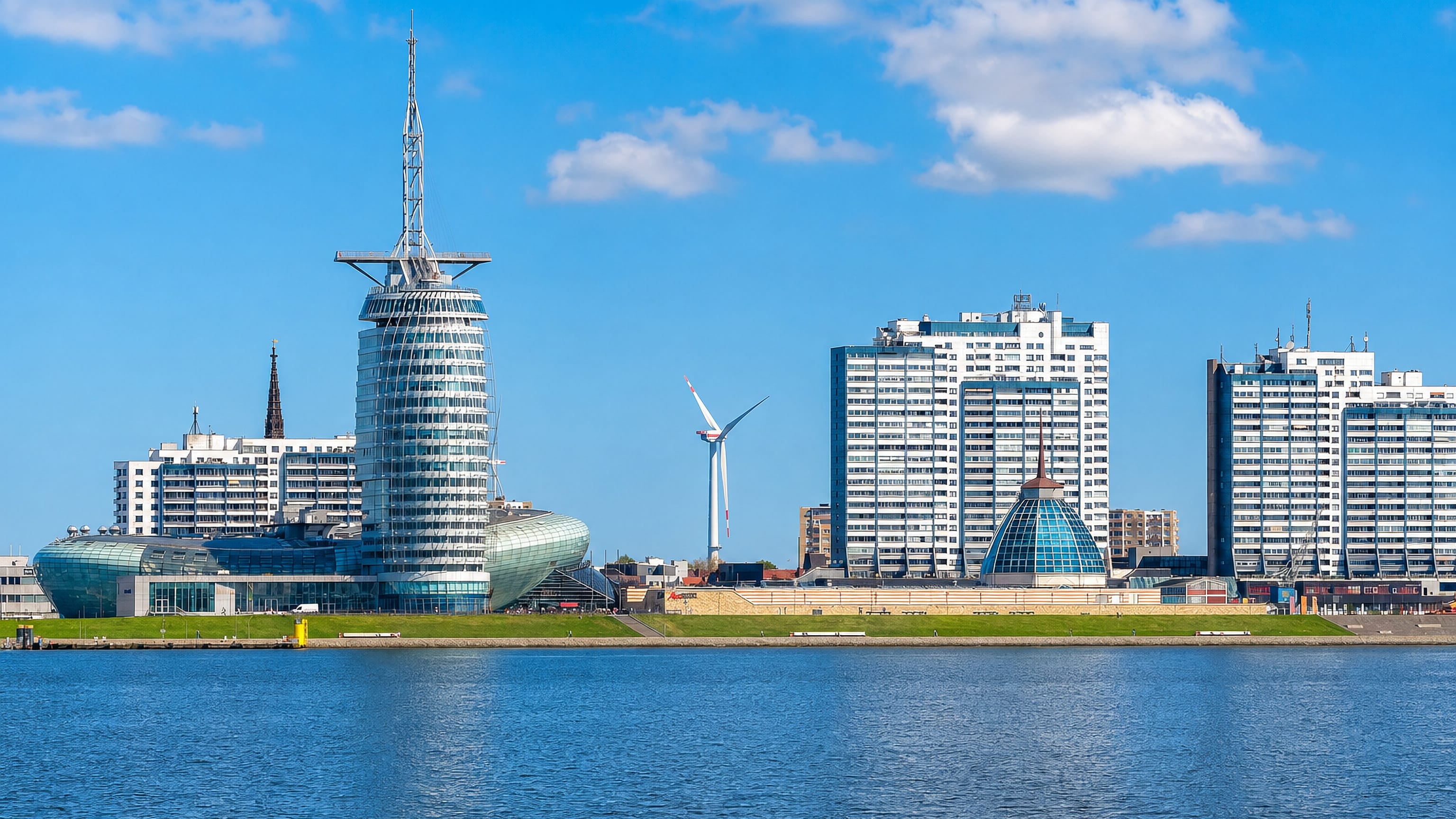
Salt air and gantry cranes mark Bremerhaven, a port city on the outer Weser in northwestern Germany, known for the German Emigration Center.
Hotel links are affiliate links: booking through them may earn us a commission, at no extra cost to you. It never affects how places are ranked. How this works


Where to stay in Bremerhaven
Not every neighbourhood fits every trip — here's what each one is good for.

 BremerhavenGermany
Geestemünde
Geestemünde, a district of Bremerhaven, holds the German Maritime Museum, the Alter Hafen and twenty-one listed landmarks in all.Where to stay → BremerhavenGermany
Lehe
Rathaus Lehe, the Dionysiuskirche and the Kino Aladin all stand in Lehe, a district of Bremerhaven covering sixteen square kilometres.Where to stay →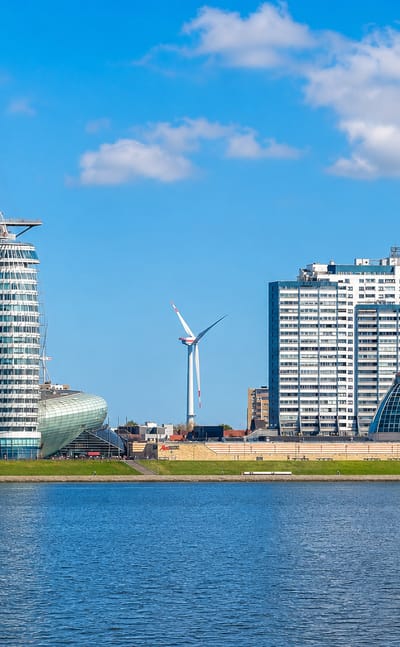 BremerhavenGermany
Surheide
Surheide is the youngest Ortsteil of Bremerhaven, a settlement founded in the late 1930s in the south-east of the city.Where to stay → BremerhavenGermany
Leherheide
Leherheide is the northernmost Stadtteil of Bremerhaven, on the outliers of the Hohe Lieth, its name the Old High German Lieth for a hill, plus the heath.Where to stay → BremerhavenGermany
Weddewarden
Weddewarden is a district of Bremerhaven, the Weser estuary port that forms an exclave of the city-state of Bremen.Where to stay →Hotel links are affiliate links: booking through them may earn us a commission, at no extra cost to you. It never affects how places are ranked. How this works
Find hotels in Bremerhaven
Direct booking searches for these neighbourhoods.
The Weser harbourfront
The Alter Hafen quays line up the German Emigration Center, the German Maritime Museum, and the Klimahaus Bremerhaven along the outer Weser.Find hotels in The Weser harbourfrontQuieter nights back from the working docksThe inland parishes
The Bürgermeister-Smidt-Gedächtniskirche and the Dionysiuskirche mark the older streets near the Bremerhaven Zoo, away from the harbour.Find hotels in The inland parishesHotel links are affiliate links: booking through them may earn us a commission, at no extra cost to you. It never affects how places are ranked. How this works
Things to do in Bremerhaven
Ranked by global recognition; descriptions from Wikidata (CC0).
Museums & Galleries
3- German Maritime Museum Heritage
- Klimahaus Bremerhaven
- German Emigration Center
Churches & Religious Sites
8- Bürgermeister-Smidt-Gedächtniskirche Heritage
- Herz-Jesu-Kirche (Bremerhaven-Lehe) Heritage
- St. Hippolyt Heritage
- Dionysiuskirche Heritage
- Evangelisch-lutherische Marienkirche Heritage
Show 3 more →
- Pauluskirche Heritage
- Kreuzkirche Heritage
- Petruskirche Heritage
Castles & Historic Sites
3- Busse-Denkmal Heritage
- Bürgermeister-Smidt-Denkmal Heritage
- Forschermeile
Nature & Outdoors
1- Thieles Garten Heritage
Landmarks & Notable Places
5- Wasserstandsanzeiger Bremerhaven Heritage
- Zollamt Rotersand Heritage
- Alte Privilegierte Apotheke Lehe Heritage
- Alt-Leher Schule Heritage
- Theodor-Storm-Schule Heritage
worth knowingacross 5 categories in Bremerhaven
About Bremerhaven
What is Bremerhaven known for?
Bremerhaven is known for its harbour on the outer Weser, one of the great ports of Germany. From the quays by the Alter Hafen, the German Emigration Center tells the story of those who sailed away, while the German Maritime Museum keeps the ships that plied these waters. The Klimahaus Bremerhaven draws visitors to the waterfront.
Ships still come and go. Bremerhaven forms an exclave of Bremen, ringed about by Lower Saxony.
What are the main landmarks in Bremerhaven?
Bremerhaven gathers its landmarks along the outer Weser. The German Emigration Center recalls the millions who left through the port, while the German Maritime Museum holds the ships and the Wilhelm Bauer submarine beside the old ship Gera. Science and weather fill the Klimahaus Bremerhaven at the water's edge.
Churches mark the older streets. The Bürgermeister-Smidt-Gedächtniskirche and the Dionysiuskirche stand inland, and the Historisches Museum Bremerhaven records the city's past by the Alter Hafen.
What is the history of Bremerhaven?
Bremerhaven was founded in 1827 as the deep-water harbour of Bremen on the outer Weser. The old city-state needed a port the silting river above could no longer give it, and so it bought land downstream where the Geeste met the estuary and built the Alter Hafen. A harbour rose from marsh.
Through the century that followed, Bremerhaven became one of the great emigration ports of Germany, and millions boarded ships here for the crossing, a story now told at the German Emigration Center on the quays where they once waited. The Weser carried them out to sea. After its founding, Bremerhaven grew into a working port ringed by the land of Lower Saxony yet tied politically to Bremen.
Its shipyards and docks drew people to the estuary, and parishes rose among them, the Dionysiuskirche and the Bürgermeister-Smidt-Gedächtniskirche among them. The German Maritime Museum later gathered the record of the ships. War and rebuilding passed over the harbour.
The Historisches Museum Bremerhaven holds the long account of the city's making. Bremerhaven has changed a great deal in stone and steel. The Weser still runs to the sea.
The port remains its reason for being.
Where is Bremerhaven?
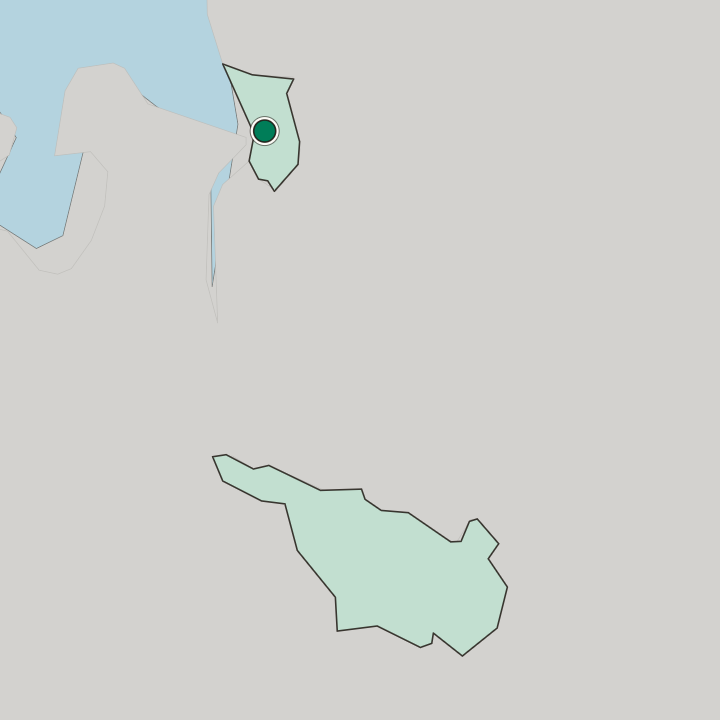
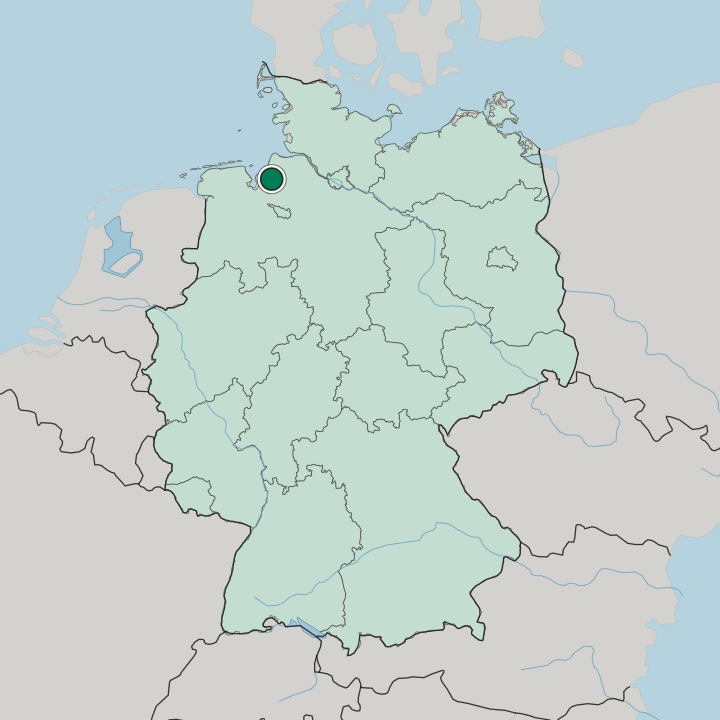
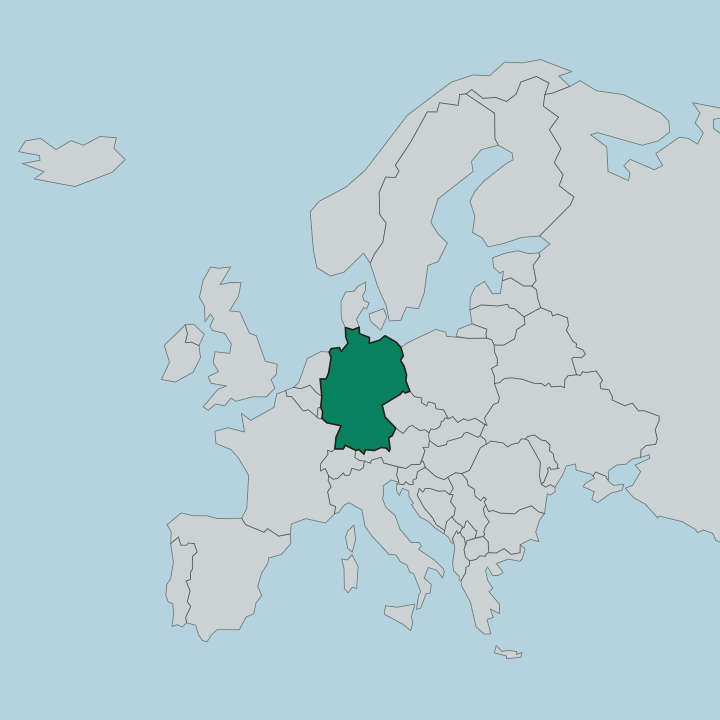
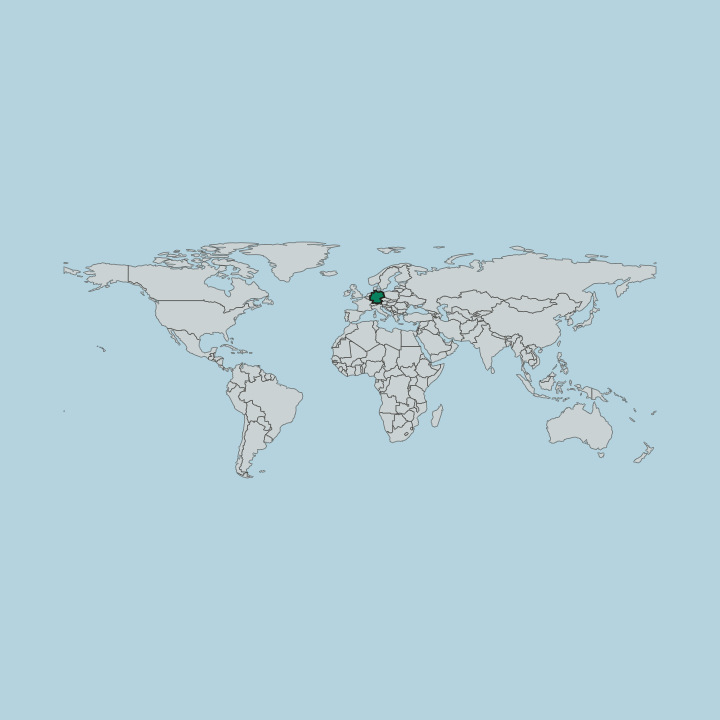
Bremerhaven lies in northwestern Germany on the east bank of the outer Weser, where the estuary widens toward the North Sea. The River Geeste flows through the city into the Weser. Flat marsh country surrounds it.
An exclave of Bremen, the city is otherwise ringed by Lower Saxony on every landward side. Bremerhaven sits low on the coast, its docks reaching out into the tidal water of the estuary.
What is the climate of Bremerhaven?
Bremerhaven has a cool maritime climate, open to the winds off the North Sea. Summers stay mild and often grey, tempered by the sea air that moves in over the outer Weser and keeps the heat from ever settling long on the flat coast. Winters are wet and windy.
Storms drive in from the sea across the low estuary through the darker months. The weather turns often here.
How do you get to Bremerhaven?
Bremerhaven is reached by rail and road across the flat land of Lower Saxony that surrounds it. Trains run down from Bremen to the estuary, and roads cross the marsh country to the docks on the outer Weser. Ships call at the port from the North Sea.
The Geeste and the Weser bring boats to the harbour. Every approach ends at the water's edge.
Common questions
What is the best area to stay in Bremerhaven?
The Weser harbourfront: Visitors drawn to the emigration story and the maritime museums. The inland parishes: Quieter nights back from the working docks.
Good for
Another city in Bremen
Updated October 2026