
Germany
Bremen, Germany — Towns & Travel Guide
Bremen is Germany's smallest state, a two-city republic on the River Weser in the north.
Hotel links are affiliate links: booking through them may earn us a commission, at no extra cost to you. It never affects how places are ranked. How this works


Towns & cities in Bremen
Pick a town or city — each links to where to stay.
 Germany
Bremen
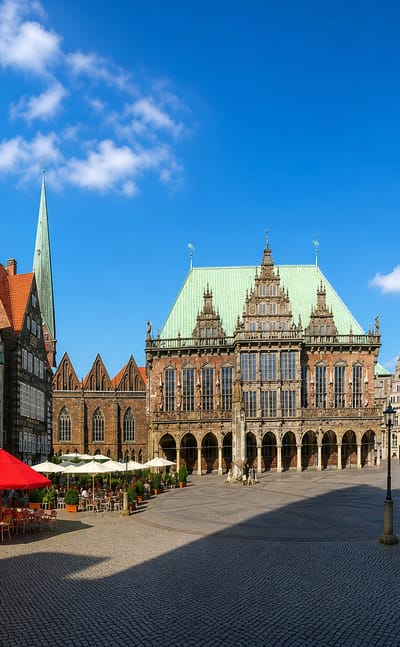
Brick gables front the River Weser at Bremen, a Hanseatic port and city-state of Germany, known for the Kunsthalle Bremen and its cathedral, St. Petri Dom.Where to stay →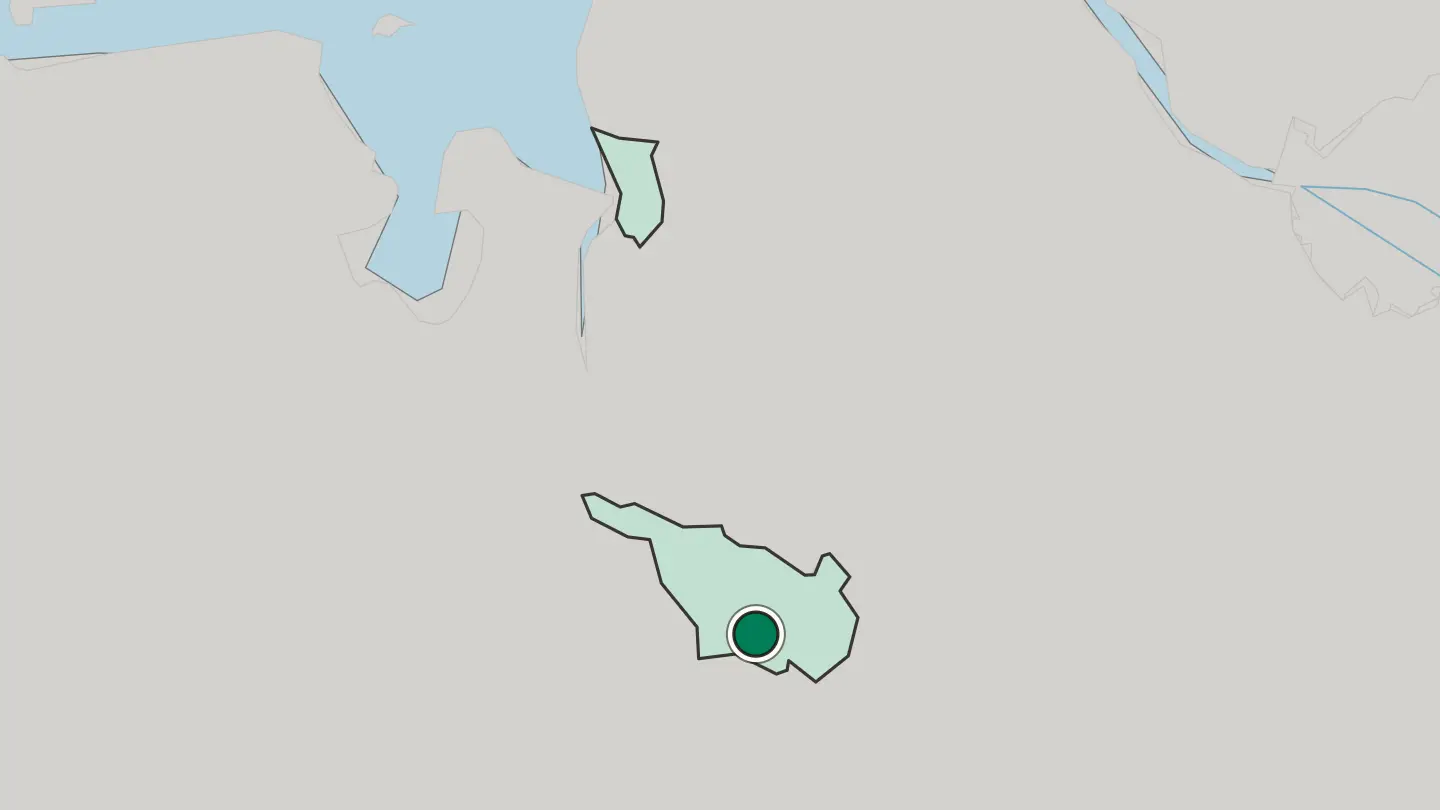
 Germany
Bremerhaven
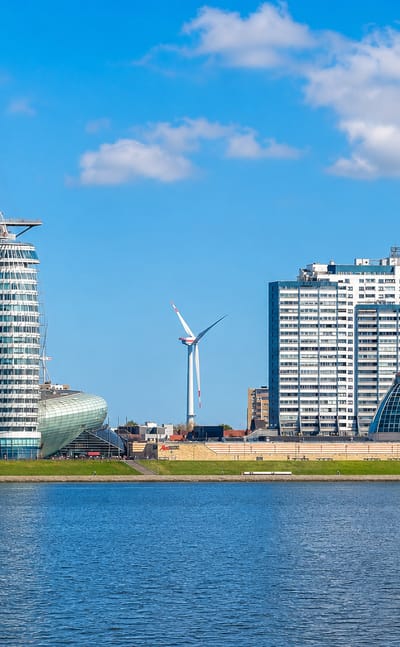
Salt air and gantry cranes mark Bremerhaven, a port city on the outer Weser in northwestern Germany, known for the German Emigration Center.Where to stay →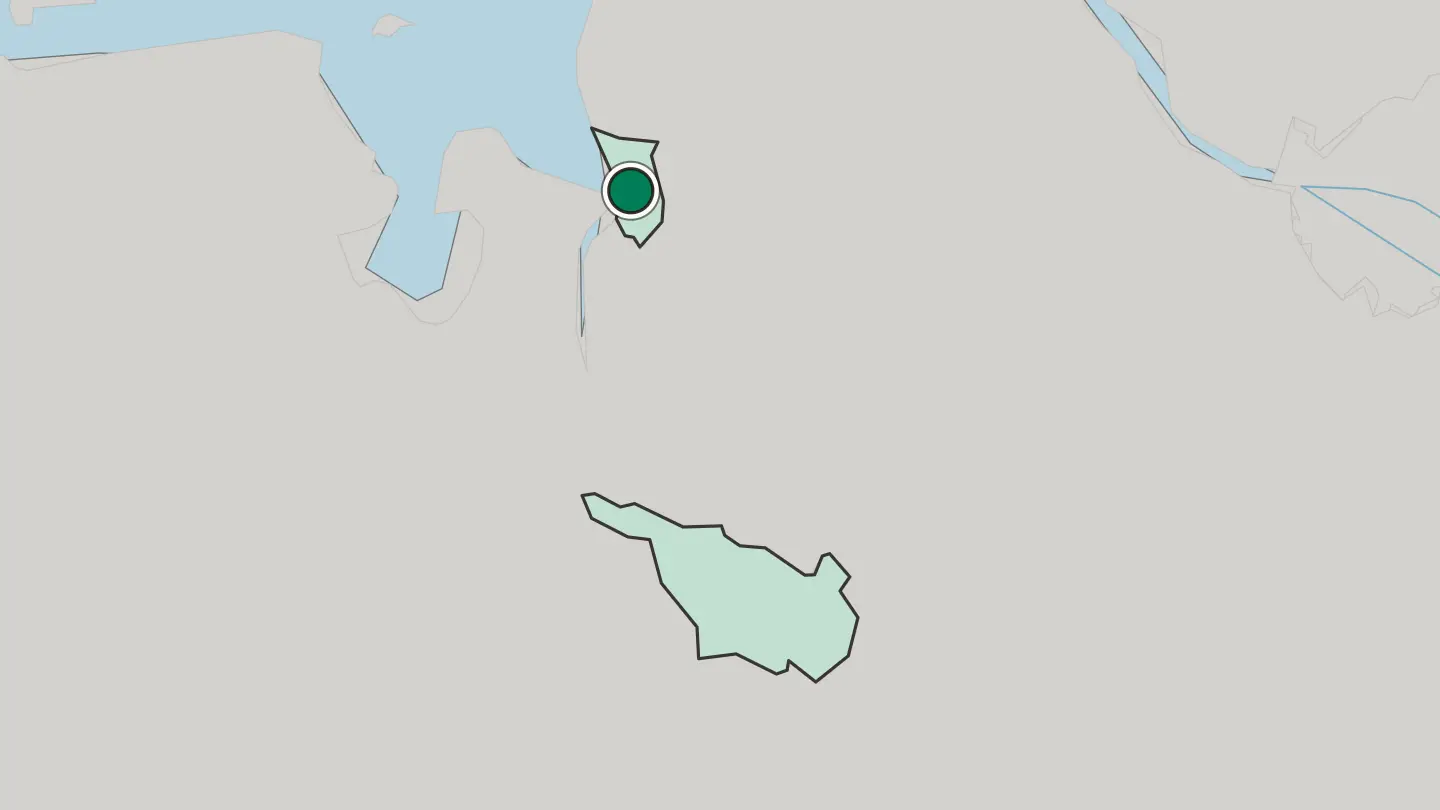
Hotel links are affiliate links: booking through them may earn us a commission, at no extra cost to you. It never affects how places are ranked. How this works
About Bremen
What is Bremen known for?
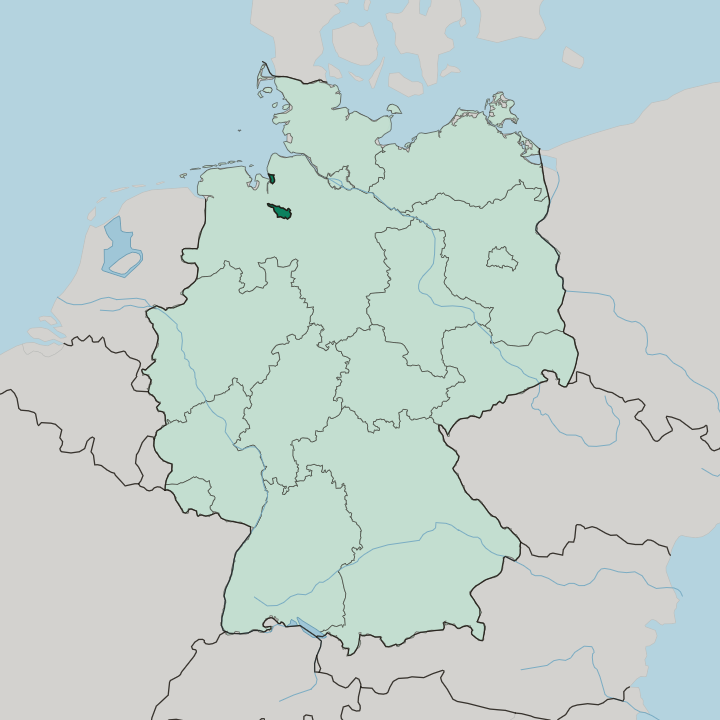
Bremen is a city-state, the smallest of Germany's sixteen. Its name covers two cities. The old Hanseatic port of Bremen sits inland on the River Weser, and Bremerhaven stands downstream where that river reaches the North Sea.
A medieval Roland statue faces a gabled Town Hall across the market square, both UNESCO-listed. The Brothers Grimm made the town famous for a donkey, a dog, a cat and a rooster who never quite arrive. Both cities are enclaves ringed entirely by the state of Lower Saxony.
Where is Bremen?
Bremen lies in the north-west of Germany, straddling the lower River Weser as it runs toward the sea. The state is not one block of land. It is two separate cities, Bremen and Bremerhaven, that share a government but not a border, and both sit as islands inside the surrounding state of Lower Saxony.
The city of Bremen stands about 60 kilometres upstream from open water, a river port rather than a coastal one. Bremerhaven lies downstream at the point where the Weser widens into its estuary and empties into the North Sea. That split is the whole story of the place.
Bremen needed a deep-water outport when its own river silted and its ships grew too large, so in 1827 it bought marshland at the river mouth from the Kingdom of Hanover and built one. Lower Saxony wraps around both cities on every side. The land itself is flat North German lowland, marsh and heath drained for farming, with the Weser the one strong line across it.
No hills break the horizon here. The river is the axis, the reason the cities exist, and the thread that ties the two halves of the state together.
What is Bremen like?
Bremen wears its merchant past on the surface. The market square is the stage for it. A ten-metre Roland statue, carved in 1404, has stood there as the sworn guarantee of the city's freedoms and trading rights ever since, and behind it the Town Hall shows off a façade dressed in the ornate Weser Renaissance style.
A bronze group beside the Town Hall stacks a donkey, a dog, a cat and a rooster into a tower, the Town Musicians of Bremen from the Brothers Grimm tale, and visitors rub the donkey's polished forelegs for luck. Beer runs deep in the civic story too. Beck's has brewed in its green bottles on the Weser since 1873, and beer has been part of Bremen's trade since the Middle Ages.
The Schnoor, a knot of tiny fishermen's and craftsmen's houses from the fifteenth and sixteenth centuries, survives as the oldest quarter, its lanes barely a shoulder-width wide. Böttcherstraße answers it with something stranger, a short street rebuilt between the wars in dark expressionist brick. Football belongs here as well.
Werder Bremen play at the Weserstadion on the north bank of the river, and match days pull green-and-white crowds through the old town. German is the language spoken across both cities of the state.
What is the history of Bremen?
Bremen began as a bishop's seat, founded on the Weser in 787. Trade made the rest. The town joined the Hanseatic League in 1260 and grew rich moving grain, timber and fish across the North Sea and the Baltic, winning the standing of a free imperial city answerable to no local lord.
Its merchants raised the Roland statue and the Town Hall to advertise that independence. When the river could no longer float its ships, Bremen bought land at the Weser mouth in 1827 and founded Bremerhaven as its seaport, and millions of emigrants later sailed from there to the Americas. The two cities have shared one state ever since.
What is the climate of Bremen?
Bremen has a mild, damp oceanic climate. The North Sea sets the terms. Westerly winds off the Atlantic keep summers moderate and winters cool rather than hard, with rain and grey skies spread through the year rather than banked into one season.
Bremerhaven, out at the estuary, feels the sea wind more directly than the city upriver. Expect changeable days and a stiff breeze off the water.
How do you get to Bremen?
Most visitors reach Bremen by air or rail. Bremen Airport sits close to the centre. A single tram line links its terminal to the main station and the market square in under a quarter of an hour, which is unusual for a German city.
Bremen Hauptbahnhof puts fast trains to Hamburg to the east and on to Berlin within easy reach, and regional services run down the Weser to Bremerhaven at the coast. From abroad, many travellers fly into Hamburg and finish the trip on the train.
Common questions
What is the best area to stay in Bremen?
Bremen old town: the Hanseatic core on foot. Böttcherstraße and the Weser promenade: brick architecture beside the river. Bremerhaven harbour: the working seaport and its museums.
Good for
More regions in Germany
Updated September 2026