Denmark · North Denmark Region
Where to Stay in Frederikshavn, North Denmark Region
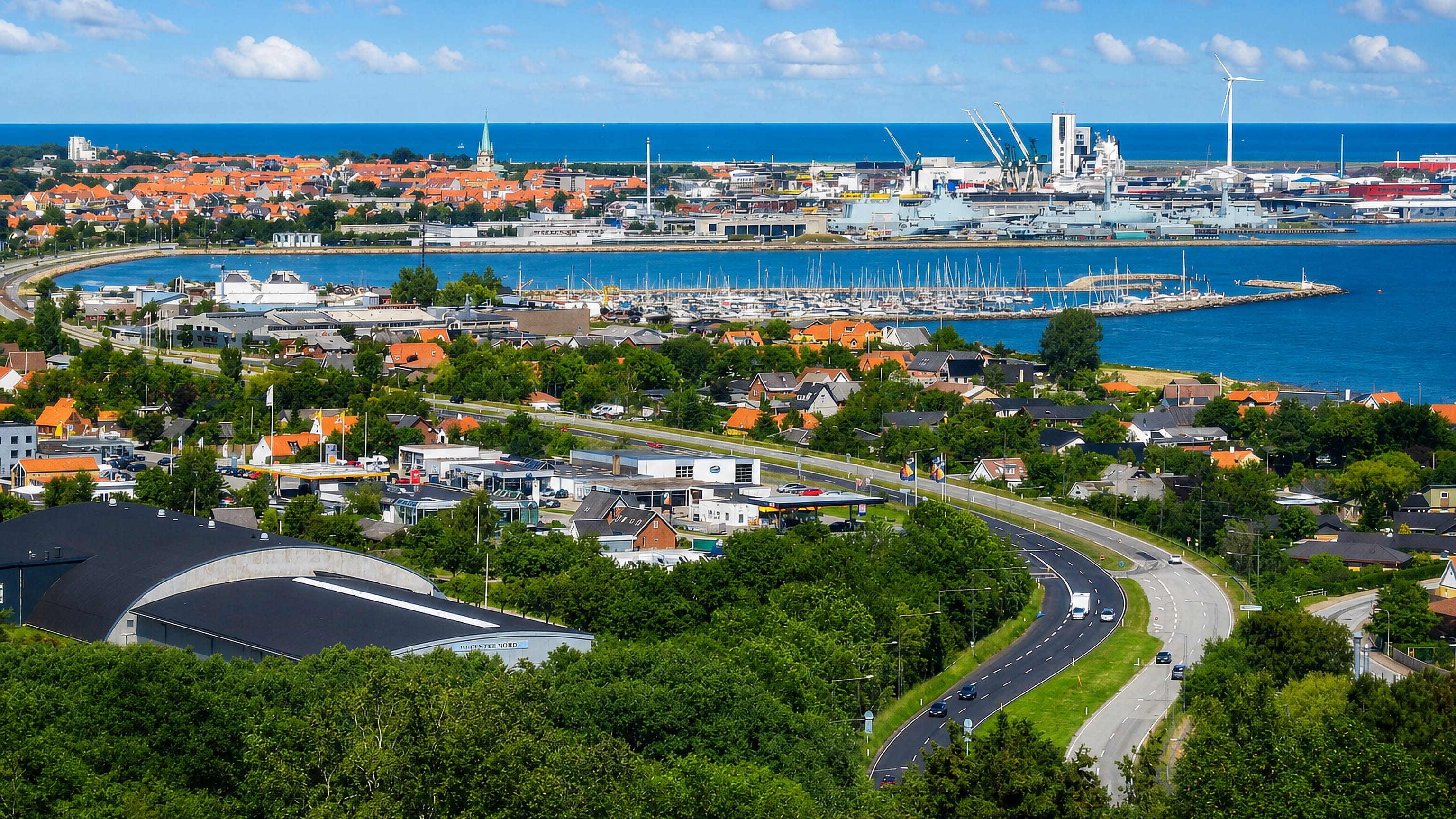
Frederikshavn is the chief ferry port of northern Denmark, on the north-east coast of the Jutland peninsula above Vendsyssel.
Hotel links are affiliate links: booking through them may earn us a commission, at no extra cost to you. It never affects how places are ranked. How this works


Where to stay in Frederikshavn
How the choice of base plays out on the ground.
Frederikshavn runs on its ferries, and the beds follow the boats. The harbour quarter around the terminals holds most of the rooms, handy for an early crossing to Sweden or Norway and within reach of Frederikshavn Kirke and the town centre. Stay here for the ports.
The streets back from the water, near the Frederikshavn Kunstmuseum and the shops, carry the quieter beds for travellers who want the town rather than the timetable, with the church of Fladstrand Kirke a short way off through the older parishes. Visitors drawn to history lean south toward the green edge by Bangsbo Museum, where the old manor grounds and the parkland sit apart from the docks. Crossing season packs the harbour rooms tight.
Book the quayside beds well ahead through the warm months, when the ferry traffic to the north is heaviest and the town fills around the terminals.
Find hotels in Frederikshavn
Direct booking searches for these neighbourhoods.
Harbour and terminals
quayside rooms by the crossings within reach of Frederikshavn Kirke. Beds are limited here, so book early.Find hotels in Harbour and terminalsvisitors who want the town centre and galleriesBack from the water
quieter beds near the Frederikshavn Kunstmuseum and Fladstrand KirkeFind hotels in Back from the waterhistory visitors away from the docksBangsbo green edge
rooms by the old manor grounds of Bangsbo MuseumFind hotels in Bangsbo green edgeHotel links are affiliate links: booking through them may earn us a commission, at no extra cost to you. It never affects how places are ranked. How this works
Things to do in Frederikshavn
Ranked by global recognition; descriptions from Wikidata (CC0).
Museums & Galleries
3- Bangsbo Museum Danish museum
- Frederikshavn Art Museum
- Sognefogedgården
Churches & Religious Sites
3- Frederikshavn Church
- Fladstrand Church
- Abildgård Church
Castles & Historic Sites
1- Løgten Mark archaeological site
Stadiums & Sports
1- Arena Nord
Landmarks & Notable Places
3- Kommandantboligen Listed building
- Råholt
- Øster Dal
worth knowingacross 5 categories in Frederikshavn
About Frederikshavn
The harbour makes Frederikshavn.
What is Frederikshavn known for?
Its name means Frederik's harbour, and the town is the great ferry gateway of the north, the point where the boats cross to Sweden and Norway from the upper edge of the Jutland peninsula. The old fishing settlement of Fladstrand grew into a working port and the seat of Frederikshavn Municipality. Around the docks the town keeps its culture too, in the Bangsbo Museum on the old estate and the Frederikshavn Kunstmuseum with its collection of exlibris.
What are the main landmarks in Frederikshavn?
The town's marks gather around the harbour and the old parishes. Frederikshavn Kirke stands over the centre, with Fladstrand Kirke carrying the name of the original settlement and Abildgård Kirke serving the newer quarters. South of the docks the Bangsbo Museum holds the local story on its manor grounds, near the iron-age site of Løgten Mark and the old farmstead museum of Sognefogedgården.
Culture has its own houses. The Frederikshavn Kunstmuseum and its exlibris collection sit in town, while the venue of Arena Nord draws the concerts and the crowds.
What is the history of Frederikshavn?
Frederikshavn began as Fladstrand. It was a fishing strand on the north-east coast of the Jutland peninsula, a cluster of boats and houses on the flat shore where the herring came in, and for a long time it was little more than that. The sea made it grow.
A crown harbour and defences rose here, and the town took the king's name as Frederik's harbour when it grew from the old strand into a fortified port, guarding the approach to the northern waters. That defensive past still shows in the listed Kommandantboligen by the old works. Through the centuries the port deepened and the ferries came, turning a herring village into the great northern gateway where boats cross to Sweden and Norway.
Older parishes such as Fladstrand Kirke and the younger Abildgård Kirke trace the town's spread inland from the water. Bangsbo Museum, set on a manor south of the docks, keeps the long record from the iron-age ground of Løgten Mark down to the working harbour. The boats still define the place.
Where is Frederikshavn?
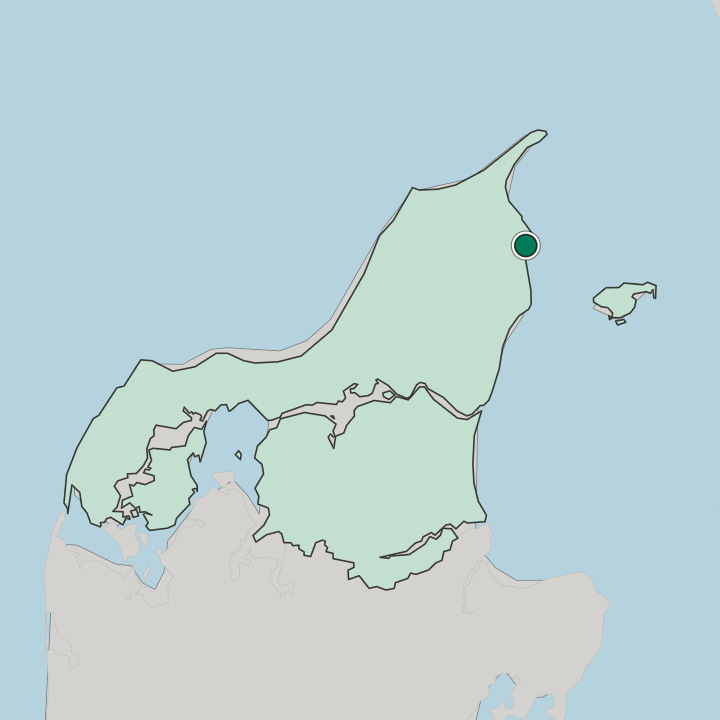
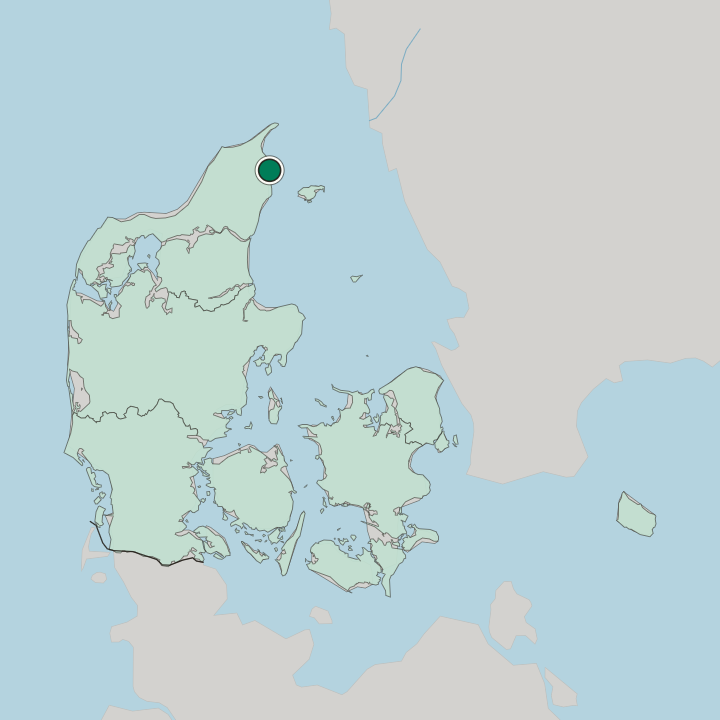
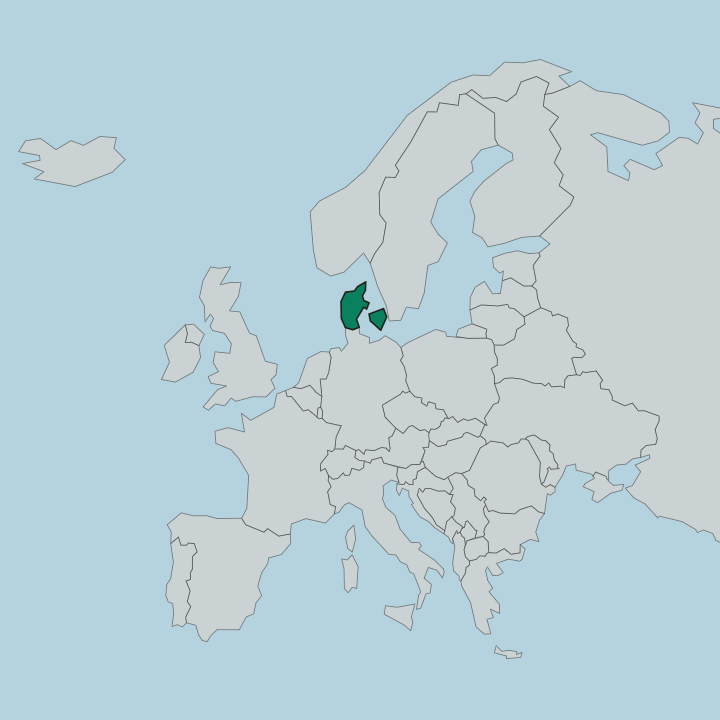
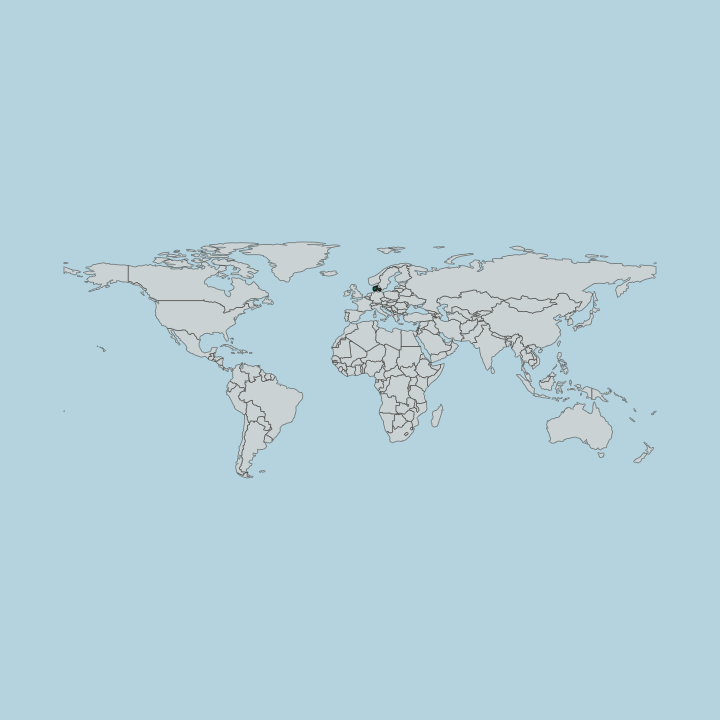
Frederikshavn lies on the coast of northern Denmark, on the Jutland peninsula, in the north-eastern part of North Denmark Region. The town spreads along the flat eastern shore of Vendsyssel, where the land of the upper peninsula runs out to the Kattegat and the harbour reaches into the water. The sea is everywhere.
Boats cross from here to Sweden and Norway, and the coast runs north past the dunes toward Skagen, where the Kattegat and the northern straits come together off the point.
What is the climate of Frederikshavn?
Frederikshavn has the cool maritime weather of the north-east Jutland coast, with the Kattegat close on every side. Winters stay grey and damp rather than bitter, the sea holding the frost off the harbour town, while summers run mild and breezy under the long northern daylight that keeps the quays bright late into the evening. The wind comes off the water year-round.
Squalls blow in across the open Kattegat, and the exposed shore north toward Skagen feels the weather first.
How do you get to Frederikshavn?
Ferries define the way in. Frederikshavn is the northern terminus of the main railway up the Jutland peninsula, so trains reach it directly from Aalborg and the south, and the harbour runs the crossings to Gothenburg in Sweden and Oslo in Norway from its terminals. Buses link the station to the quays.
Drivers come up the motorway through North Denmark Region to its end near the port, and the nearest airport lies south at Aalborg, an hour or so down the coast by road or rail.
Common questions
What is the best area to stay in Frederikshavn?
Harbour and terminals: travellers catching a ferry to Sweden or Norway. Back from the water: visitors who want the town centre and galleries. Bangsbo green edge: history visitors away from the docks.
Good for
More cities in North Denmark Region
Updated October 2026