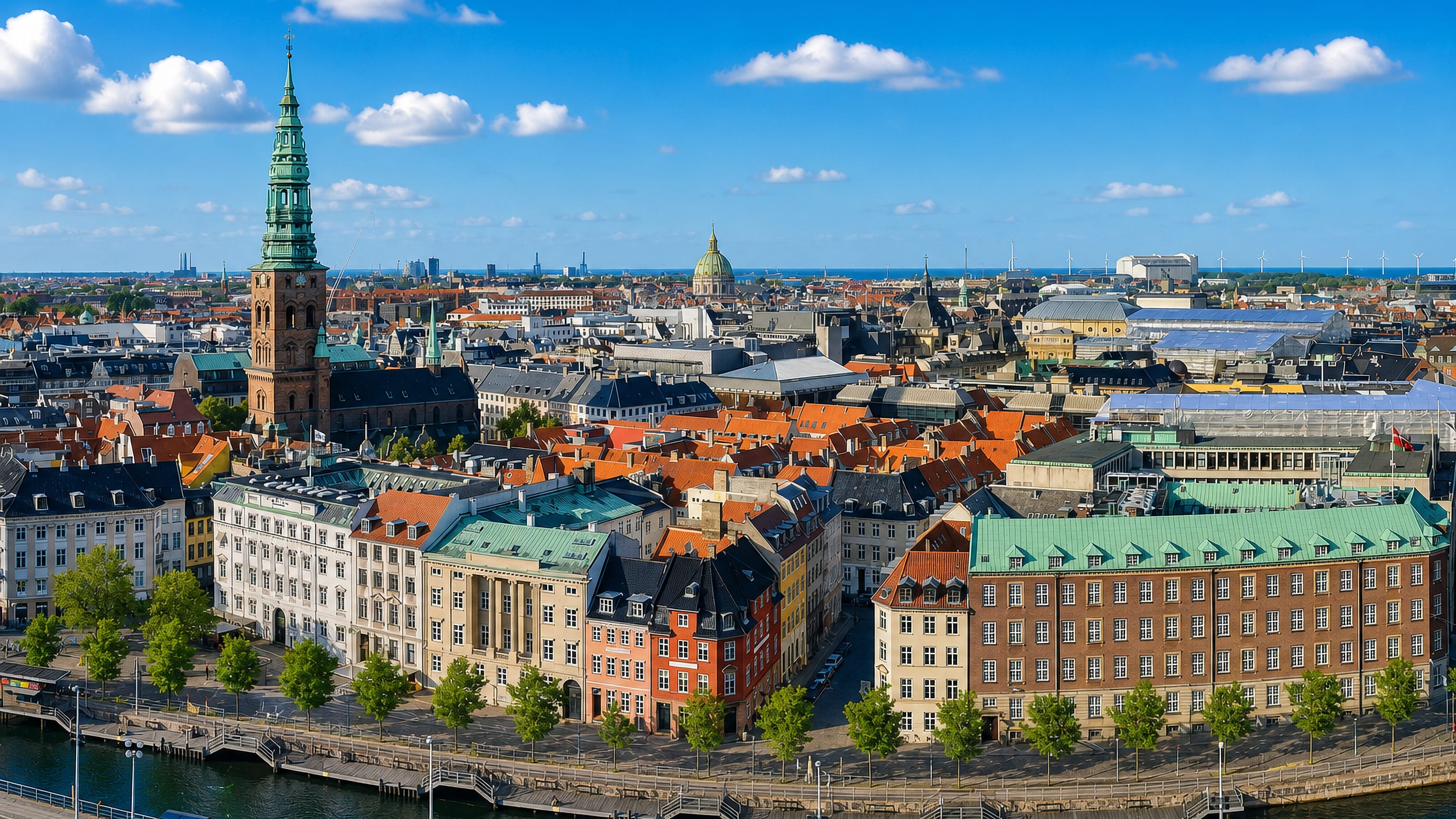
Denmark: Regions, Cities & Travel Guide
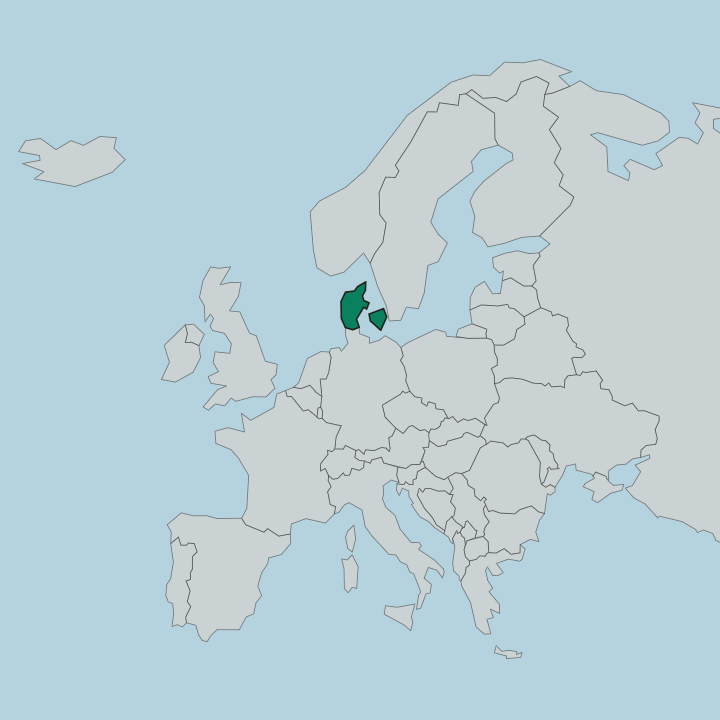
Denmark is a Nordic country in northern Europe, between the North Sea and the Baltic Sea, set across the Jutland peninsula and 406 islands.
Hotel links are affiliate links: booking through them may earn us a commission, at no extra cost to you. It never affects how places are ranked. How this works


Top destinations in Denmark
Cities to start from, then drill into areas and hotels.
 Denmark
Copenhagen
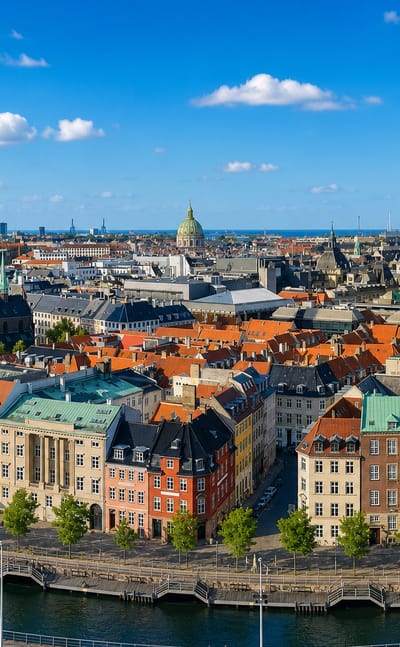
Copenhagen is the capital of Denmark, set in eastern Denmark on the island of Zealand, facing the Øresund strait toward Sweden.Where to stay →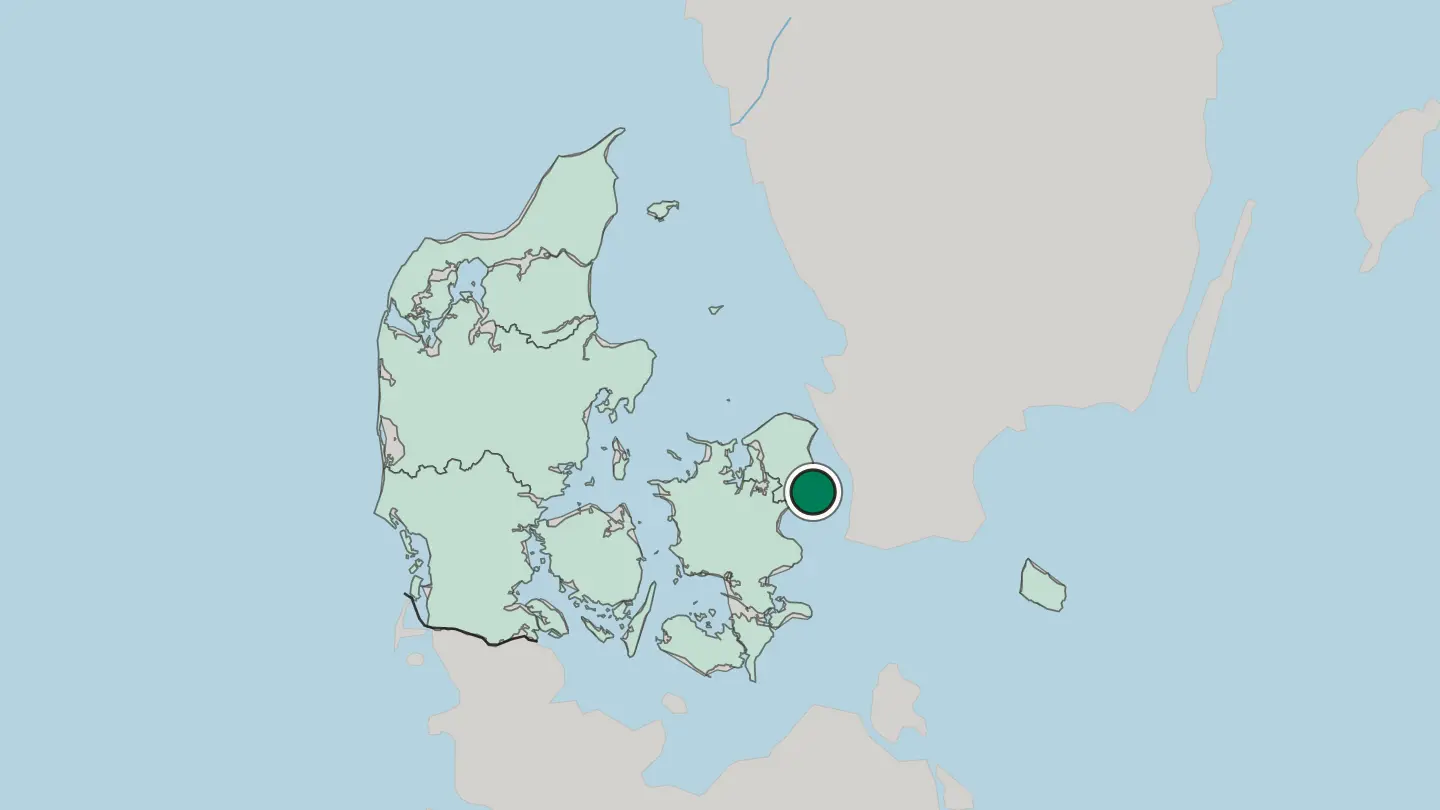
 Denmark
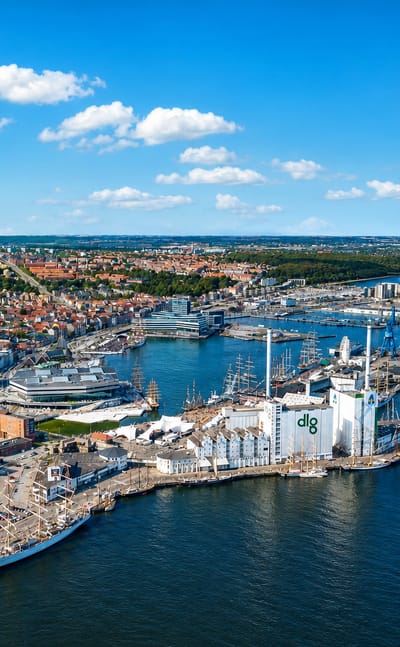
Århus
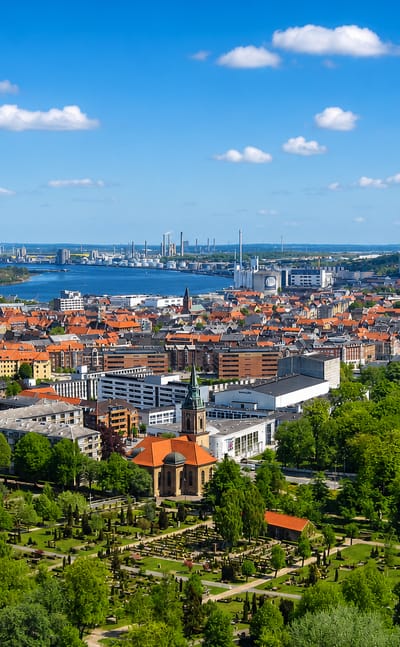
Aarhus is a harbour city in central Denmark, on the Jutland peninsula, the country's second city.Where to stay →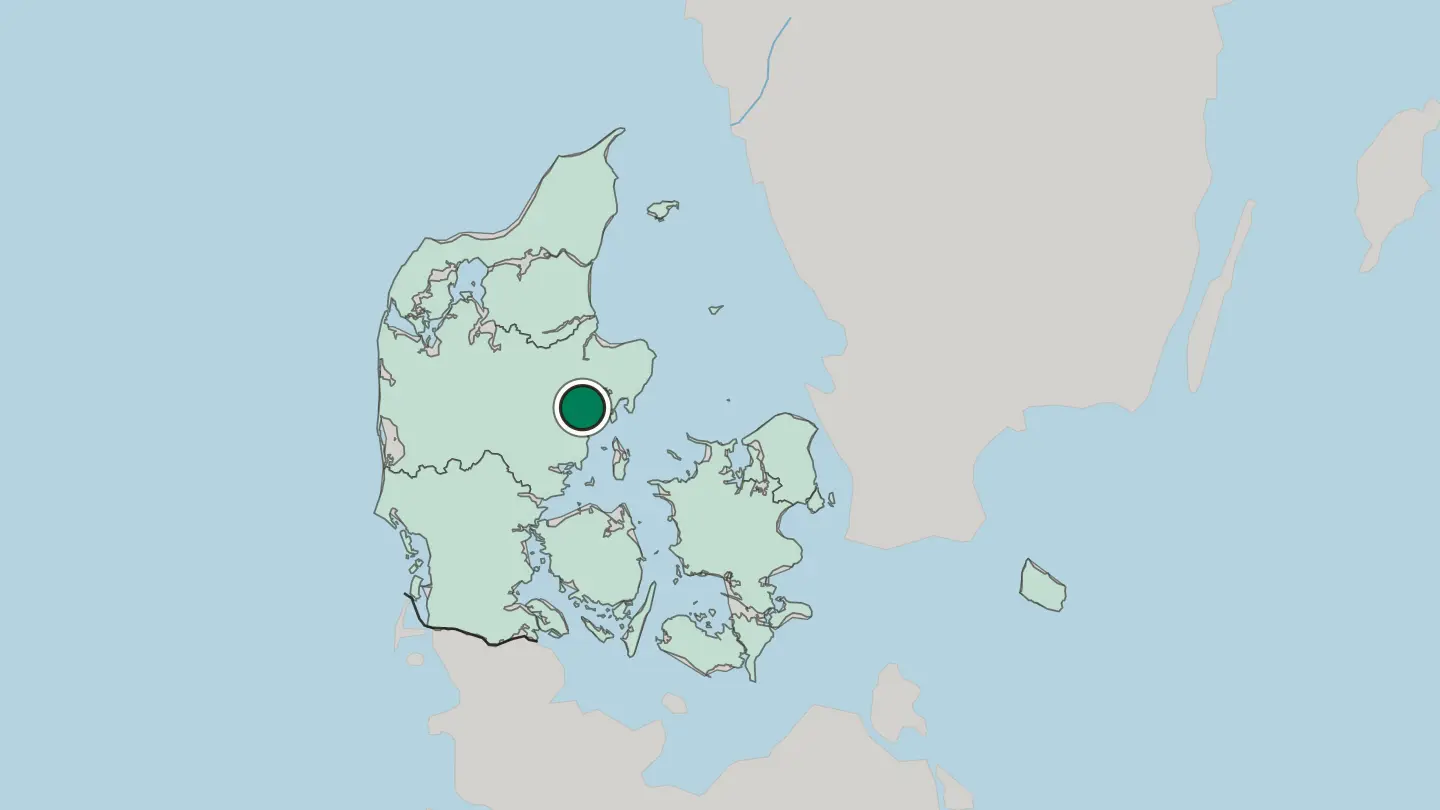
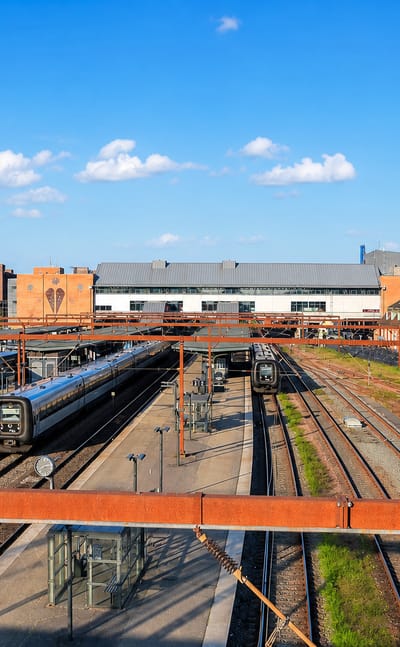 Denmark
Odense
Odense is the old cathedral city of the island of Funen, in central Denmark, birthplace of Hans Christian Andersen.Where to stay →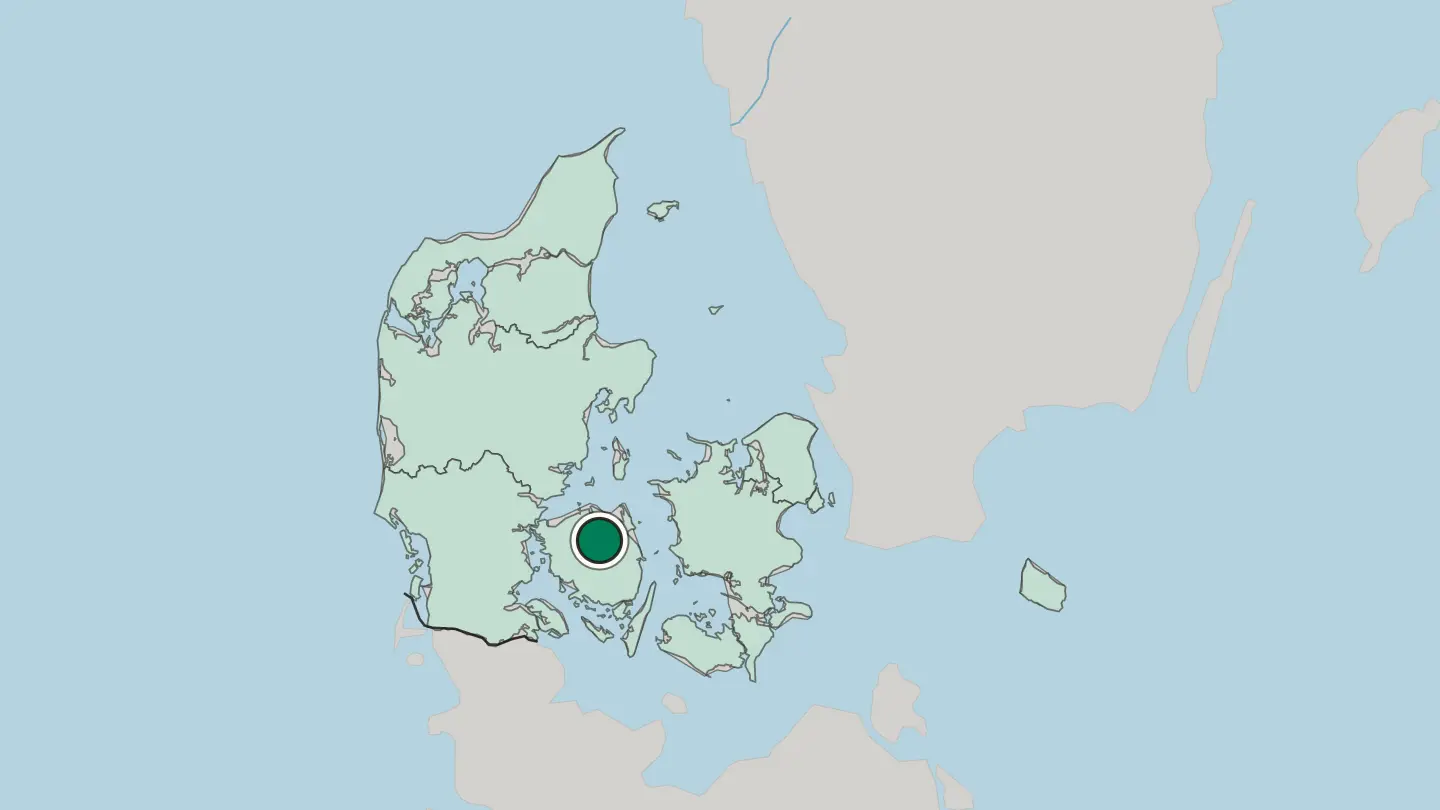
 Denmark
Aalborg
Aalborg is a historic harbour city and regional capital of northern Denmark, on the Jutland peninsula.Where to stay →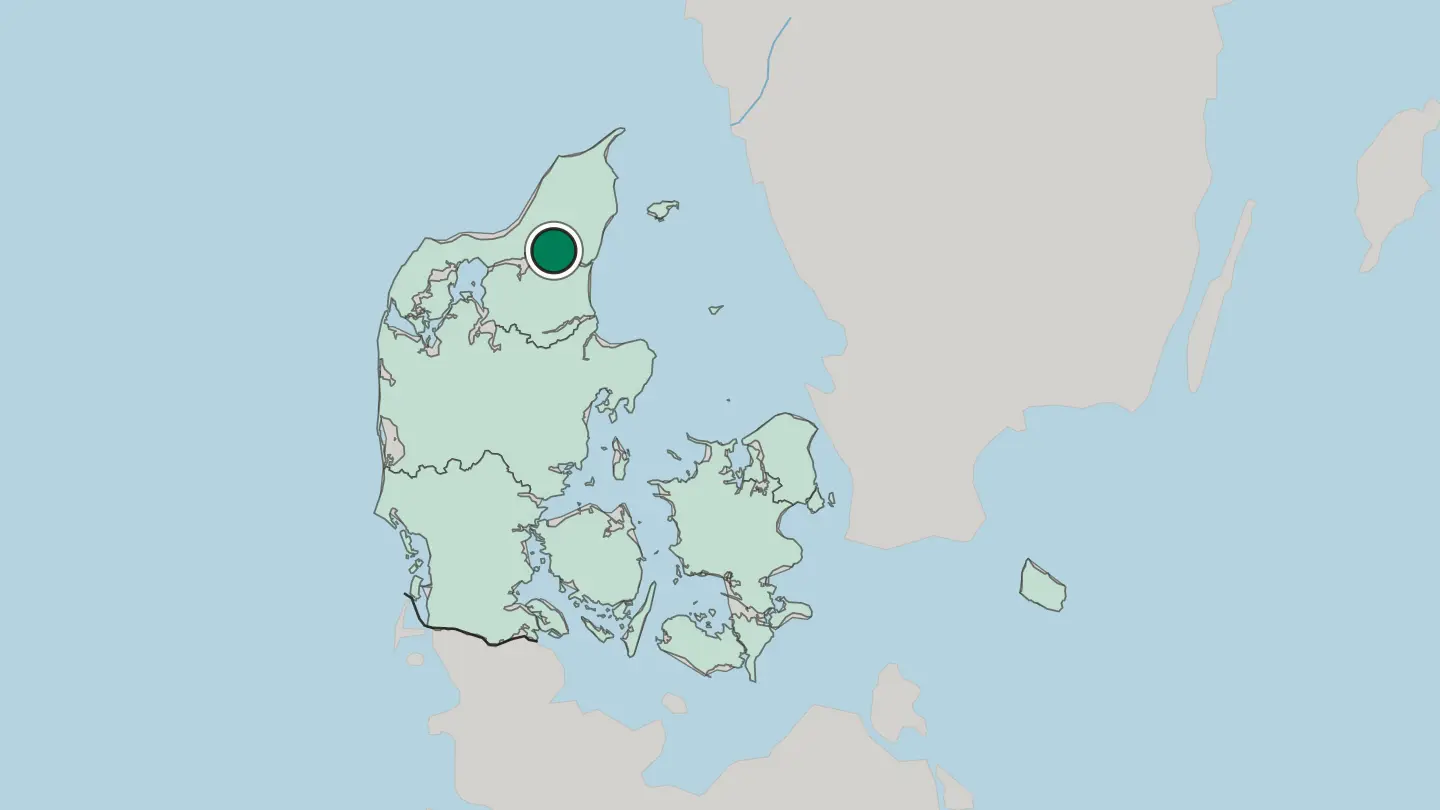
 Denmark
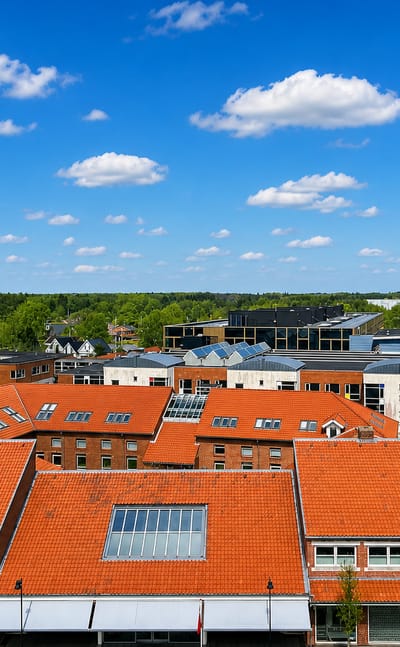
Billund
Billund is a town in southern Denmark, on the Jutland peninsula, and seat of Billund Municipality.Where to stay →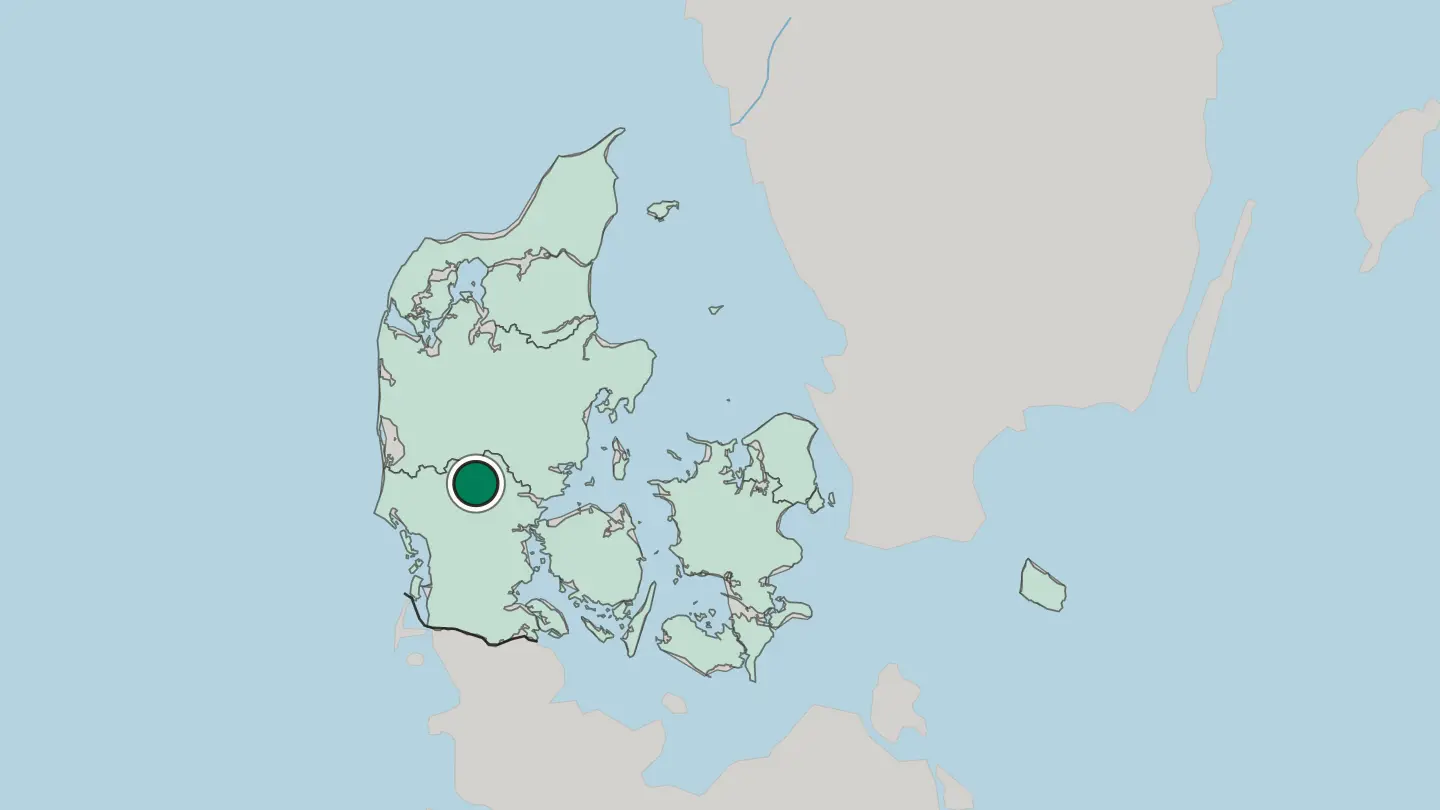
 Denmark
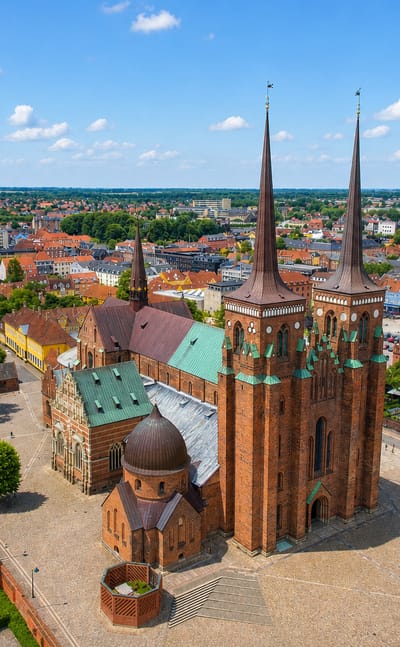
Roskilde
Roskilde is an old royal and cathedral city in eastern Denmark, on the island of Zealand west of Copenhagen.Where to stay →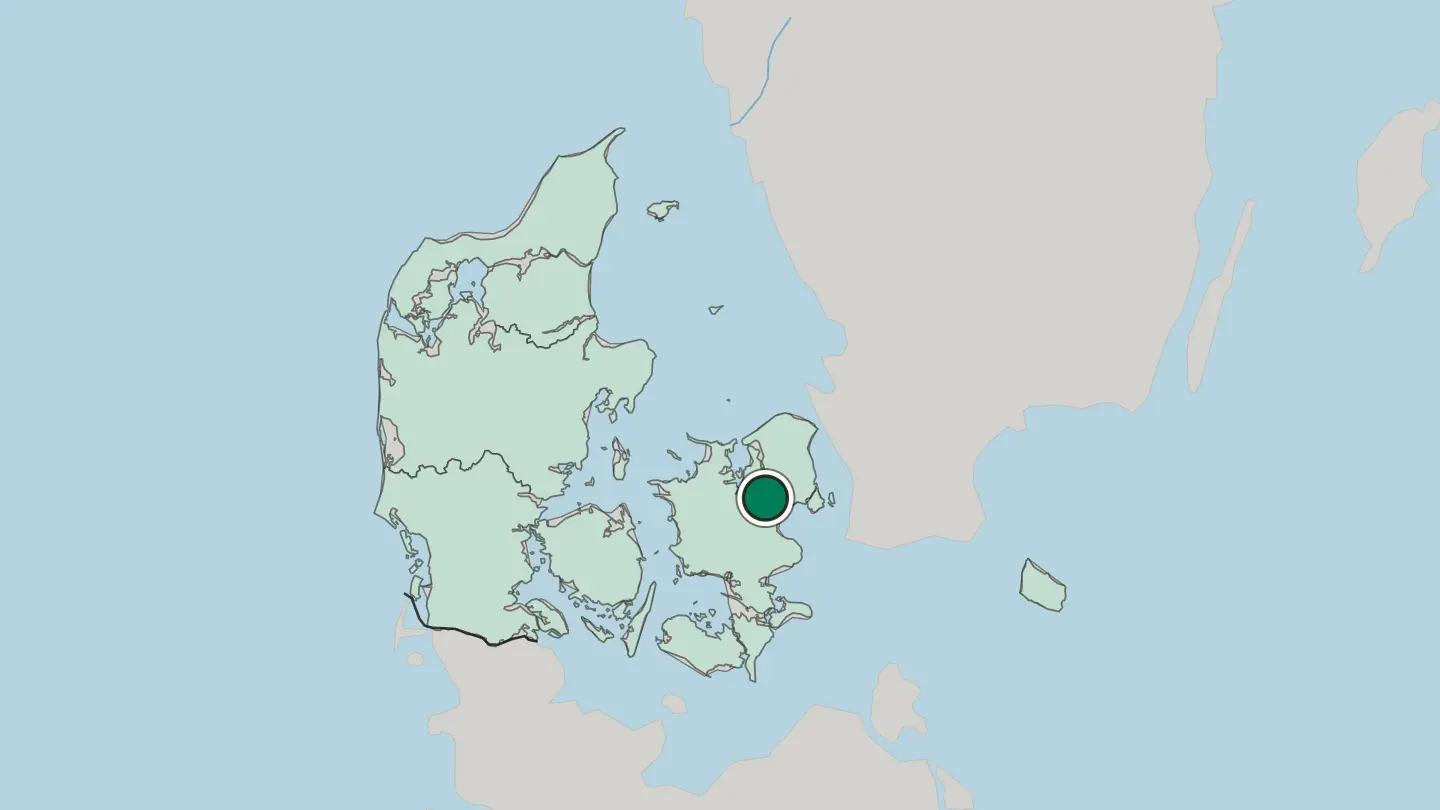
 Denmark
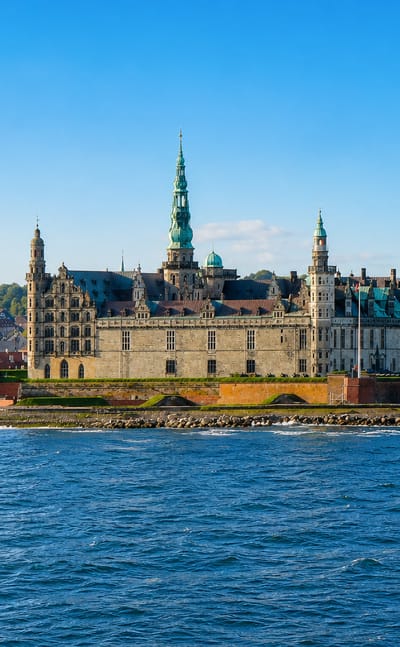
Helsingør
Helsingør is a ferry city in eastern Denmark, on the island of Zealand, where Kronborg guards the narrows of the Øresund strait.Where to stay →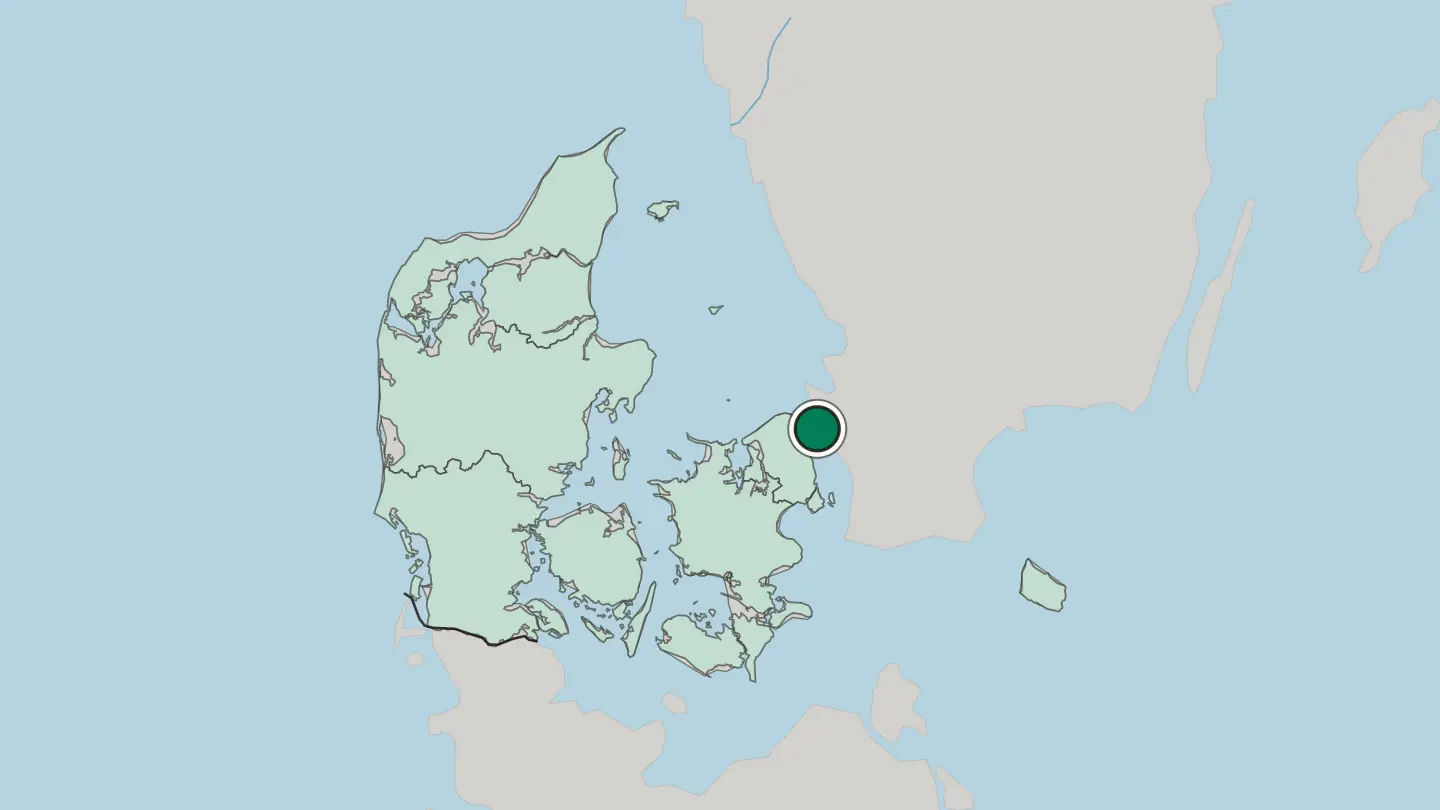
 Denmark
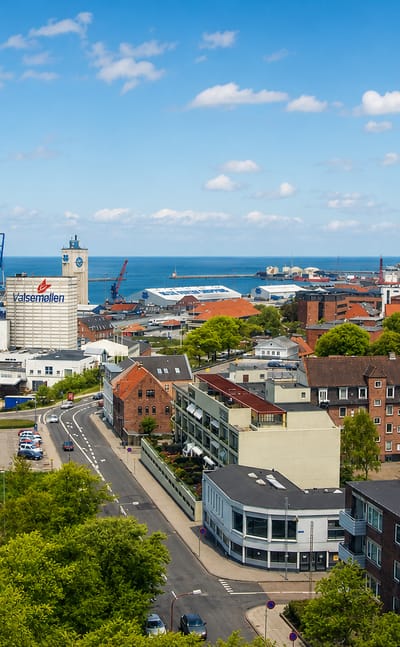
Esbjerg
Esbjerg is the great seaport on the west coast of the Jutland peninsula, in southern Denmark.Where to stay →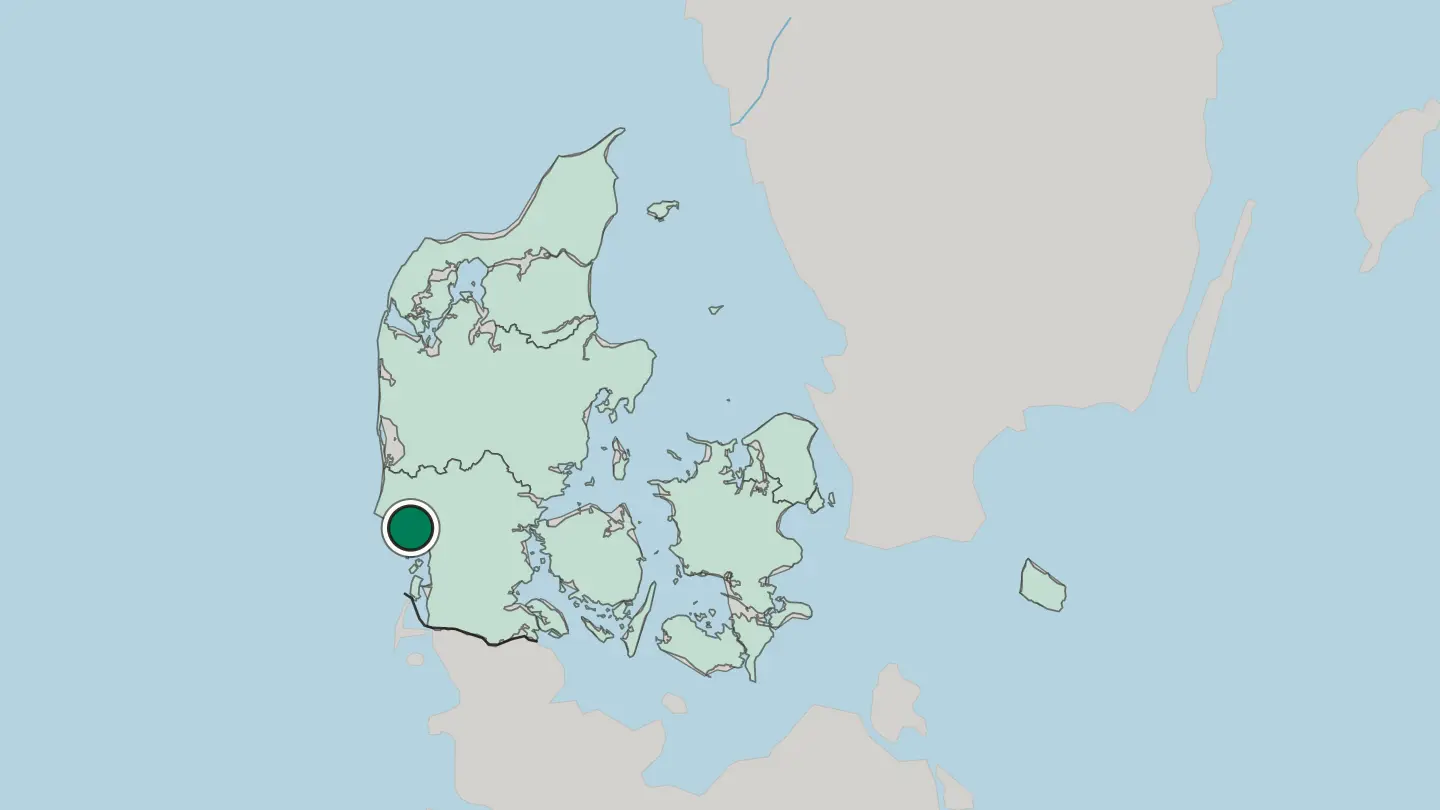
 Denmark
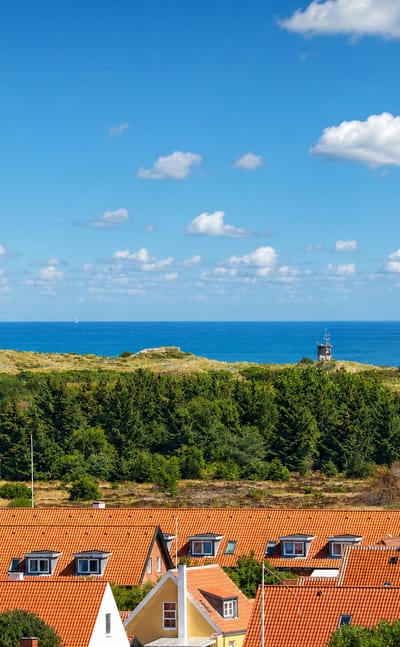
Skagen
Skagen is the northernmost town in Denmark, on the Skagen Odde peninsula in the far north of Jutland.Where to stay →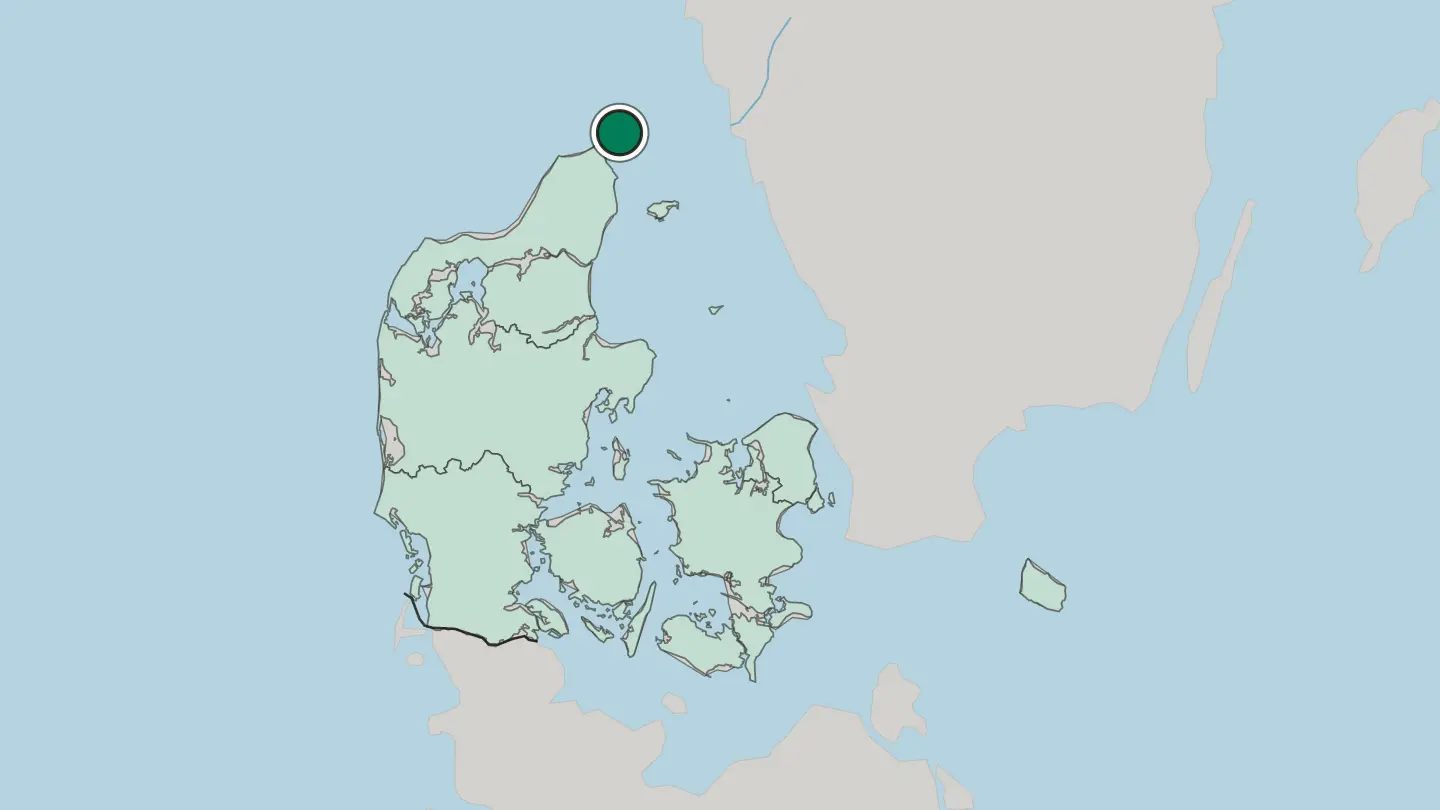
Hotel links are affiliate links: booking through them may earn us a commission, at no extra cost to you. It never affects how places are ranked. How this works
Regions of Denmark
Denmark
North Denmark Region
North Denmark Region covers the northern tip of the Jutland peninsula in northern Denmark, around the Limfjord and its hub city of Aalborg.Towns & cities →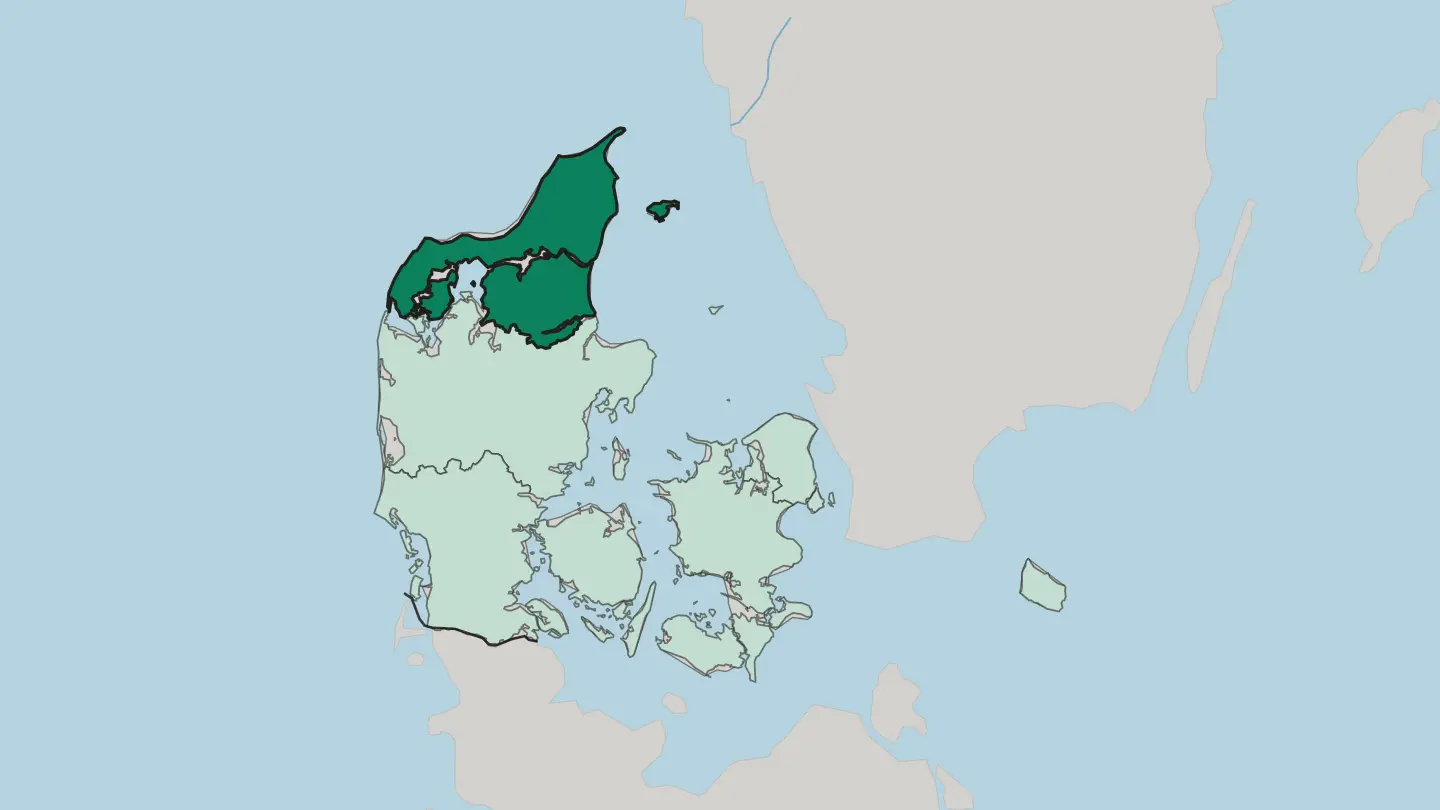 Denmark
Region Hovedstaden
The Capital Region of Denmark is the easternmost region of Denmark, set on the island of Zealand and built around Copenhagen, the national capital.Towns & cities →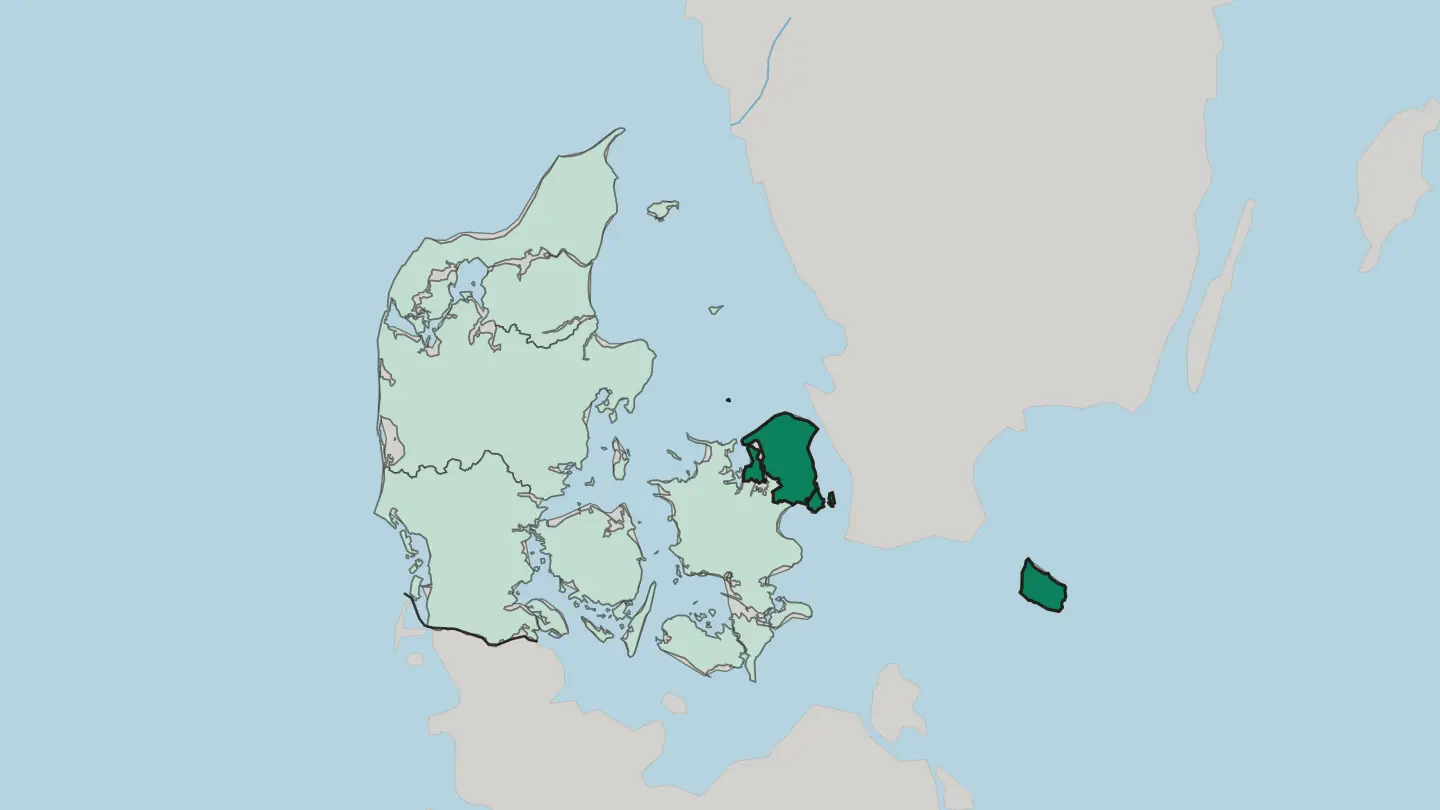 Denmark
Region Midtjylland
Central Denmark is a region of central Denmark on the Jutland peninsula, reaching coast to coast around its hub city of Aarhus.Towns & cities →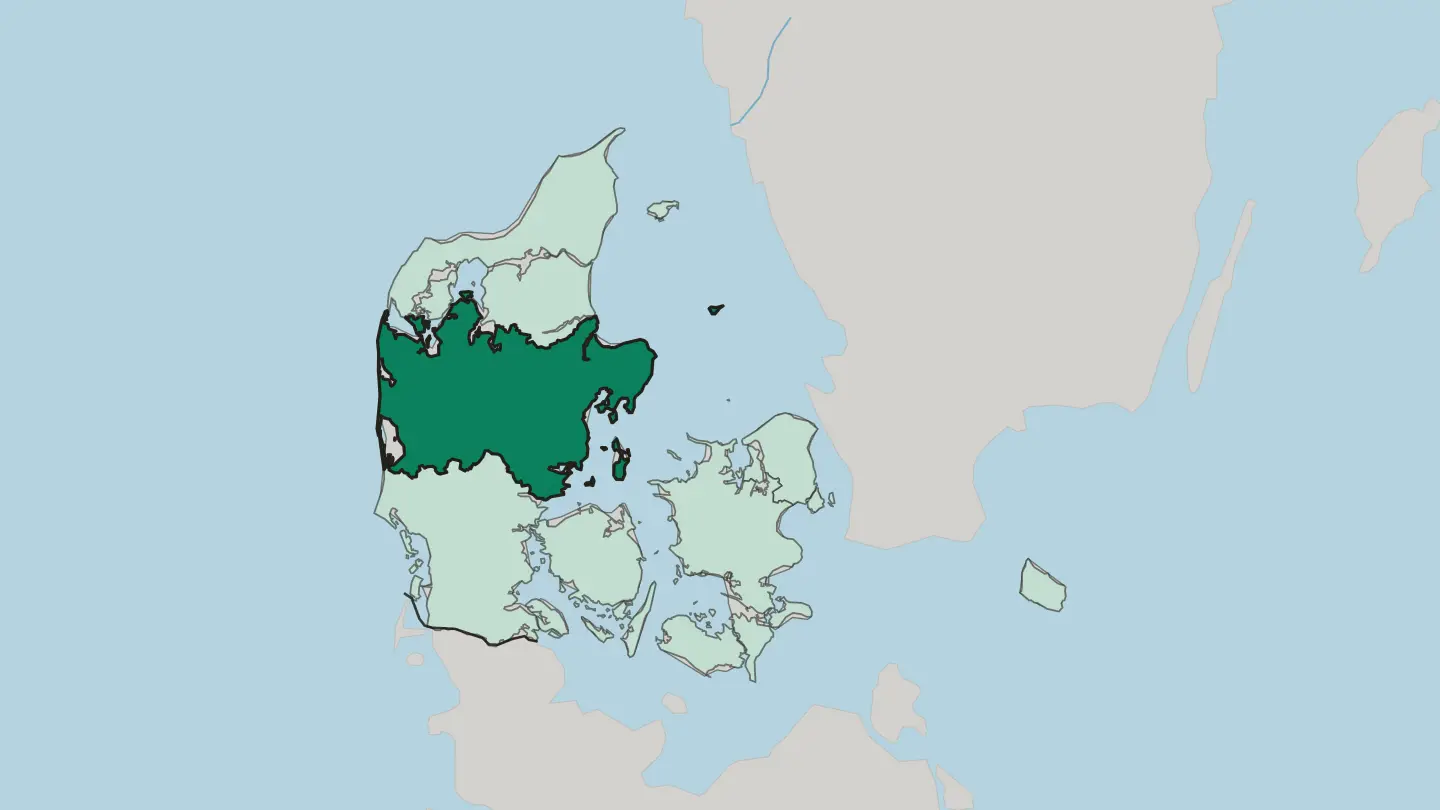 Denmark
Region Sjælland
Region Zealand lies in eastern Denmark across the island of Zealand and the southern isles, with the cathedral city of Roskilde as its hub.Towns & cities →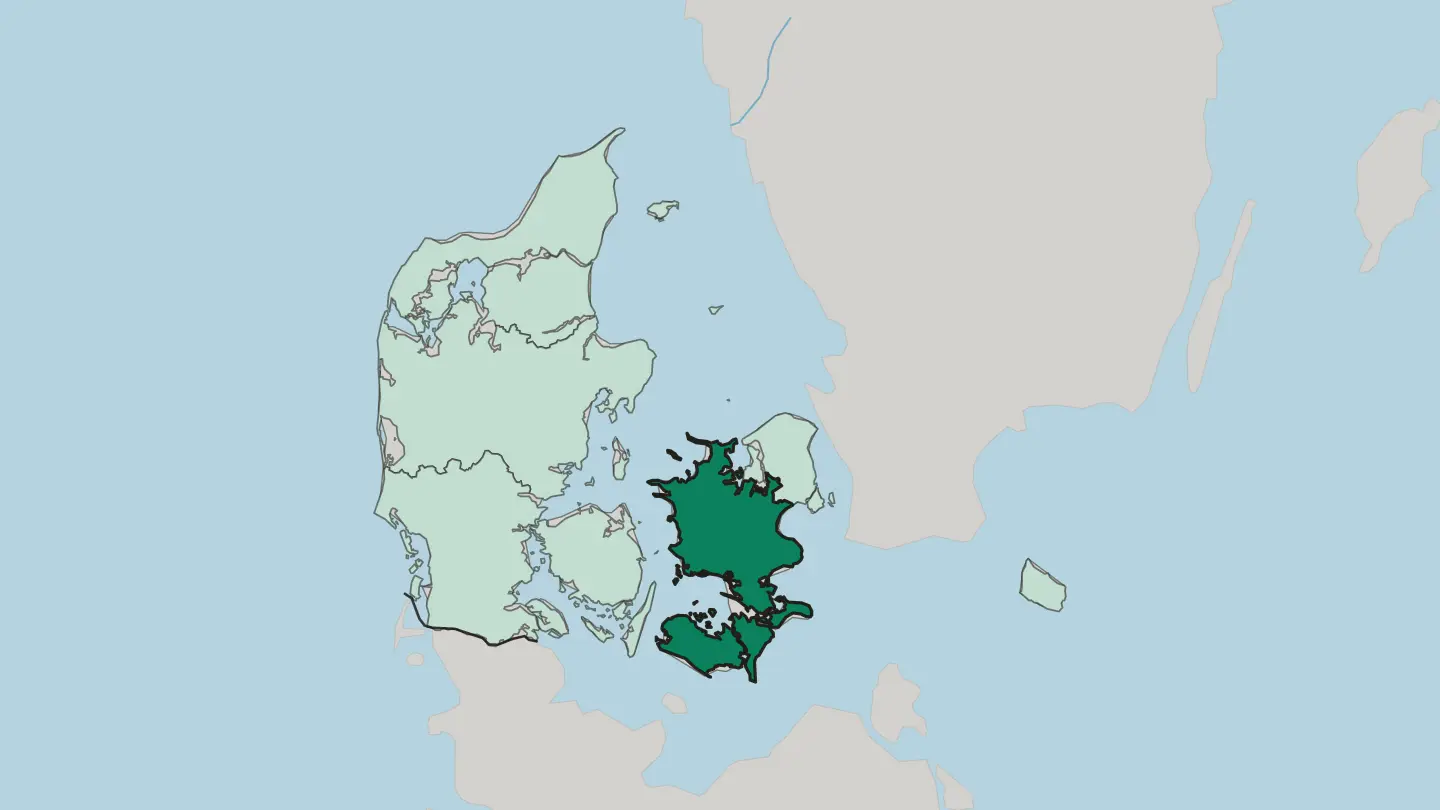 Denmark
Region Syddanmark
Southern Denmark is a region of southern Denmark spanning the lower Jutland peninsula and the island of Funen, with Odense as its hub city.Towns & cities →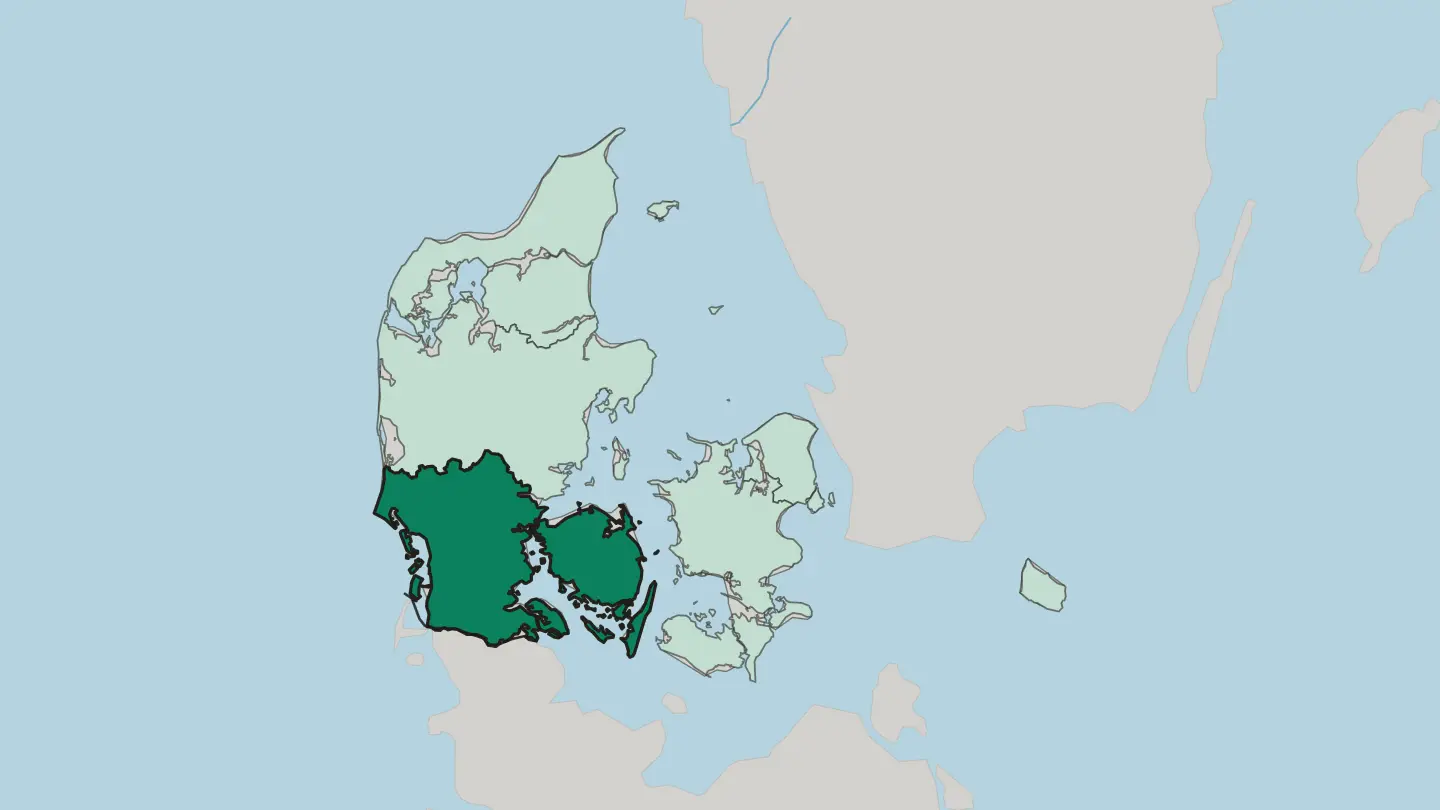
Explore by experience
Not sure which place? Start from how you want to travel.
About Denmark
Denmark is the smallest of the Nordic countries by landmass.
What is Denmark known for?
It is known as a seafaring realm of low, open land and salt water, the Jutland peninsula joined to Germany in the south and an archipelago of islands fanning out into the Baltic Sea toward Sweden. The crown runs deep. Once the seat of Viking raiders and later a north European naval power, the Kingdom of Denmark counts among the oldest monarchies still in existence.
The country reaches far beyond its mainland too, holding the self-governing Faroe Islands and Greenland out in the North Atlantic Ocean.
Where is Denmark?
Denmark lies in northern Europe, between the North Sea and the Baltic Sea. The land falls into two parts: the Jutland peninsula reaching north from Germany, and an archipelago of 406 islands scattered eastward through the strait waters toward Sweden. It is low country.
Nowhere does the ground rise far above the sea, and the shaping force everywhere is water rather than mountain, with long sandy coasts on the North Sea side and a maze of sounds, belts, and bays between the islands. The sea sets every boundary. Denmark proper sits south of Norway and southwest of Sweden, sharing only one short land border, with Germany to the south.
Far out in the North Atlantic Ocean lie the realm's other lands, the Faroe Islands and Greenland, each self-governing yet bound to the Kingdom of Denmark. The mainland and islands together make the southernmost reach of the Scandinavian world, a flat, sea-girt country where ferries and bridges do the work that valleys and passes do elsewhere.
What is the history of Denmark?
The kingdom has roots in the 8th century. From the low shores of Jutland and the islands the Danes sent out Viking raiders and traders across the North Sea and the Baltic Sea, and out of those scattered war-bands a single crown was forged, the seed of a state that endures as the oldest kingdom still in existence. The realm grew by sea and ruled by sea.
For long stretches it stood as a major north European naval power, its fleets and herring trade reaching from Germany in the south to Norway and the lands across the Baltic. The centuries that followed reshaped the realm again and again. Provinces were lost to Sweden across the sounds, the southern marches shifted back and forth against Germany, and the far Atlantic possessions narrowed until only the Faroe Islands and Greenland remained under the Kingdom of Denmark out in the North Atlantic Ocean.
Through every loss the crown held. Denmark passed from war-fleet monarchy into a settled constitutional kingdom, a small and prosperous modern nation that still carries the oldest continuous royal line in the world.
What is Denmark like?
Danish culture grows from the sea and the flat land. Life across the Jutland peninsula and the islands has long turned on harbours, fishing, farming, and the short crossings that knit a scattered country into one, and the old seafaring kingdom left a temper that is plain, sociable, and unshowy. The language is Danish.
It threads the mainland and the islands alike, and reaches out across the water to the Faroe Islands and Greenland, where it shares the ground with Faroese and Greenlandic under the wider Kingdom of Denmark. The sea also set the country's place in the Nordic family. As the southernmost of the Scandinavian lands, sharing a border only with Germany, Denmark has always faced both north toward Norway and Sweden and south toward the Continent, and that double outlook runs through its towns and table alike.
Food leans on the catch and the harvest. The realm holds together a low country of islands and one long peninsula, bound less by a shared landscape than by a shared crown, a shared coast, and the constant traffic of ferries between them.
What is the climate of Denmark?
Denmark has a mild, temperate climate shaped by the surrounding seas. The North Sea to the west and the Baltic Sea to the east hold back both the deep cold of winter and the sharp heat of summer, so the low country stays grey, breezy, and wet far more than it stays frozen or baking. Winters are cool and damp.
Summers run cool to warm and long in daylight, drawing visitors to the North Sea dunes and the island coasts, while wind off the open water is a constant across this flat, sea-girt land in every season.
How do you get to Denmark?
Most travellers arrive through the airports and rail links on the eastern islands, the busiest gateway into the country. Overland, a single land border carries road and rail up from Germany onto the Jutland peninsula in the west. Ferries do much of the rest.
Crossings link the islands to one another and run out across the North Sea and the Baltic Sea to Norway, Sweden, and the Continent, while bridges over the inner straits join the peninsula and the islands into one connected country.
Common questions
What is the best area to stay in Denmark?
Eastern islands: first-time visitors and ferry-hoppers. Jutland peninsula: drivers touring the mainland.
Good for
Updated September 2026