Denmark · North Denmark Region
Where to Stay in Nykøbing Mors, North Denmark Region
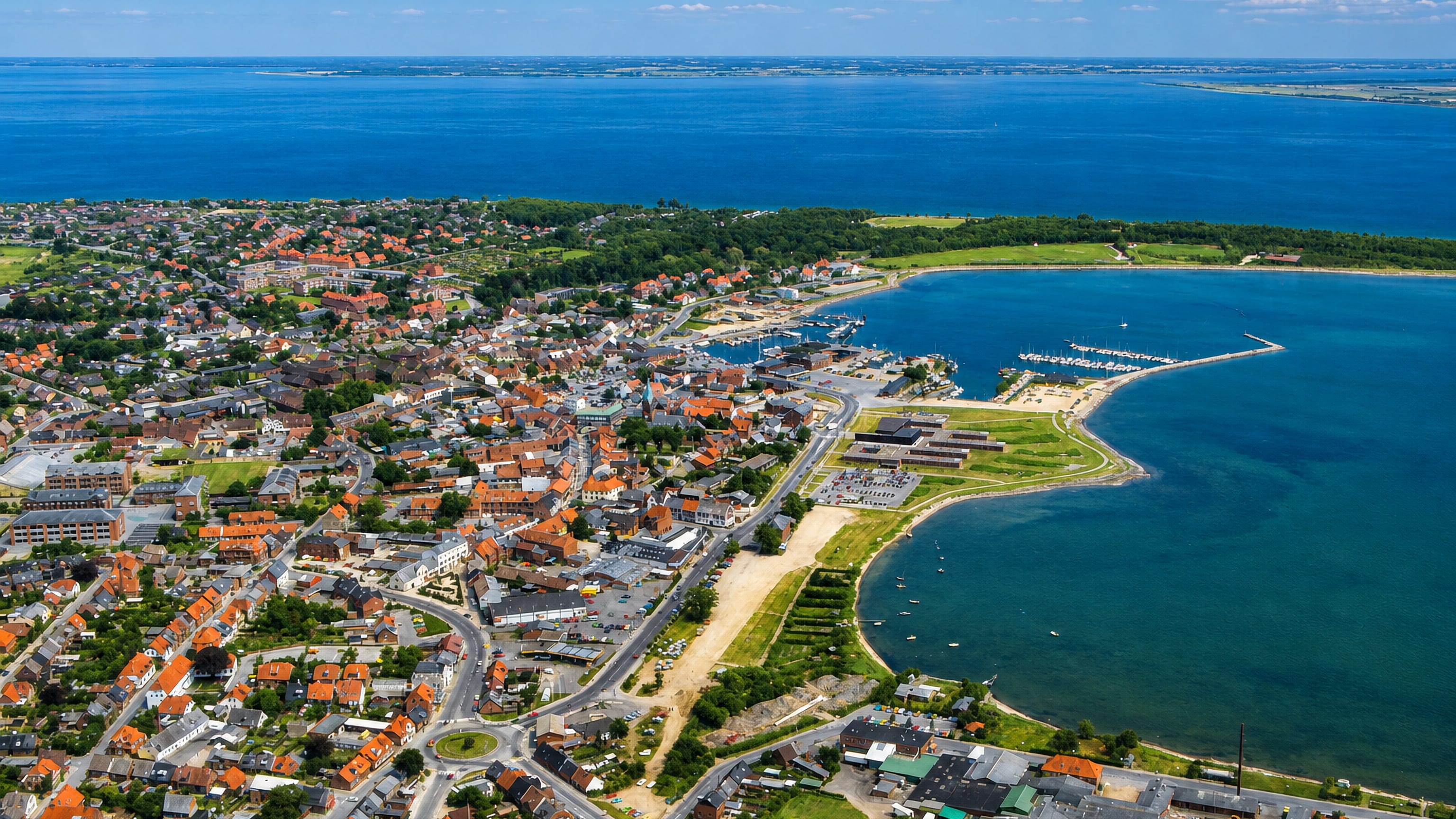
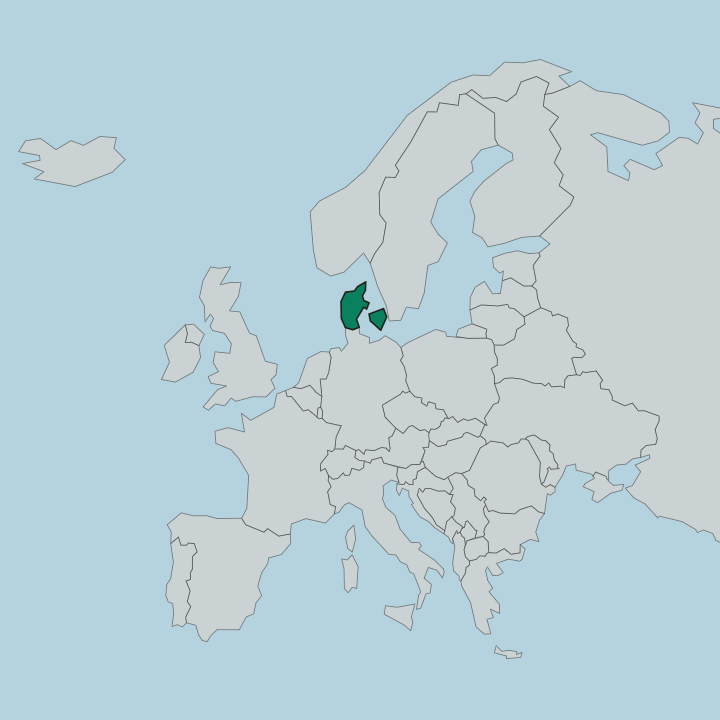
Nykøbing Mors is the main town of the island of Mors in the Limfjord, in northern Denmark on the Jutland peninsula.
Hotel links are affiliate links: booking through them may earn us a commission, at no extra cost to you. It never affects how places are ranked. How this works


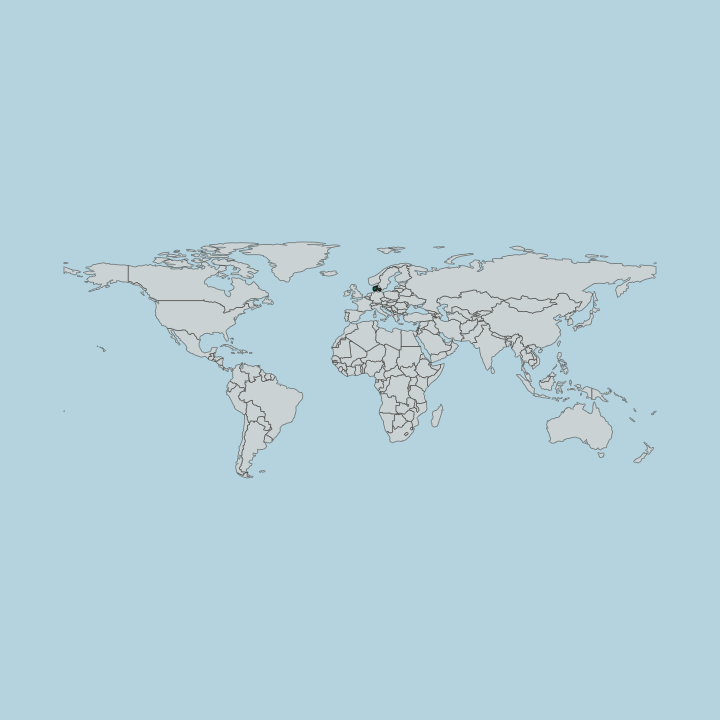
Where to stay in Nykøbing Mors
How the choice of base plays out on the ground.
Most beds in Nykøbing Mors gather in the old town beside the Limfjord, where small hotels and guesthouses stand within a short walk of Nykøbing Mors Kirke and the harbour quays. The centre suits visitors who want the working waterfront and the shops of Morsø Municipality on the doorstep. It is the obvious place to stay.
Out toward the edge of town, the family resort of Jesperhus runs its own holiday cottages and cabins beside the flower park, drawing families who plan whole days at the gardens and water park rather than in the centre. The cottages book out early in summer. Across the rest of Mors, holiday houses and farm stays scatter through the parishes around Frøslev Kirke and Alsted Kirke, a quieter choice for those touring the island and the Limfjord shore by car.
Reserve well ahead in July. The island has limited stock, so Nykøbing Mors works best as the practical base for exploring Mors and the surrounding fjord country.
Find hotels in Nykøbing Mors
Direct booking searches for these neighbourhoods.
Old town and harbour
guesthouses by Nykøbing Mors Kirke and the Limfjord quaysFind hotels in Old town and harbourfamilies planning days at the flower parkJesperhus resort edge
holiday cabins beside the Jesperhus gardens and water parkFind hotels in Jesperhus resort edgedrivers touring the islandMors parishes
farm stays among Frøslev Kirke and Alsted Kirke on Mors. Beds are limited here, so book early.Find hotels in Mors parishesHotel links are affiliate links: booking through them may earn us a commission, at no extra cost to you. It never affects how places are ranked. How this works
Things to do in Nykøbing Mors
Ranked by global recognition; descriptions from Wikidata (CC0).
Churches & Religious Sites
3- Nykøbing Mors Church church building in Morsø Municipality
- Frøslev Church
- Alsted Church
Castles & Historic Sites
2- Dragstrup Heritage ancient monument in Morsø Municipality (19387)
- Voldhøj Heritage ancient monument in Morsø Municipality (19296)
Parks & Gardens
1- Jesperhus family-owned resort
worth knowingacross 3 categories in Nykøbing Mors
About Nykøbing Mors
What is Nykøbing Mors known for?
Nykøbing Mors is the largest town on the island of Mors, set on the Limfjord that wraps the island in northern Denmark. The town carries a charter granted in 1299 and serves as the seat of Morsø Municipality, its old quarter gathered around Nykøbing Mors Kirke. Summer takes the rooms early here.
Visitors come above all for Jesperhus, the family resort and flower park on the edge of town, while the Dansk Støberimuseum keeps the memory of the island's iron-founding trade and the parish church anchors the working centre by the water.
What are the main landmarks in Nykøbing Mors?
Jesperhus draws the crowds. The family resort and flower park on the edge of town pairs its gardens with a water park, the best-known attraction on all of Mors. In the old centre, Nykøbing Mors Kirke marks the medieval heart of the town, while the Dansk Støberimuseum recalls the island's iron-founding past in the buildings of a former foundry.
Older still are the country churches and the ancient mounds. Frøslev Kirke and Alsted Kirke stand among the parishes of Morsø Municipality, and the burial mounds of Voldhøj, Dragstrup and Brunhøj rise from the fields as protected monuments of a far earlier age on Mors.
What is the history of Nykøbing Mors?
Nykøbing Mors won its charter in 1299. The market town grew on the sheltered Limfjord shore of Mors, where the fjord gave a safe landing and a route to the wider waters of northern Denmark, and the early town gathered around the church that became Nykøbing Mors Kirke. Trade across the fjord set the pace.
Across the island the country parishes kept their own medieval churches at Frøslev Kirke and Alsted Kirke, while the old burial mounds of Voldhøj, Dragstrup and Brunhøj already marked the fields as relics of a far older settlement on Mors. The fjord trade and later industry carried the town through the centuries. Iron-founding took hold on the island, the craft now remembered in the Dansk Støberimuseum, and the harbour handled the goods that crossed the Limfjord to and from the Jutland mainland.
Nykøbing Mors grew into the largest town on Mors and the seat of Morsø Municipality, gathering the island's commerce and administration. In time the family resort of Jesperhus rose on the edge of town, turning the old fjord port into the chief base for visitors exploring the island.
Where is Nykøbing Mors?
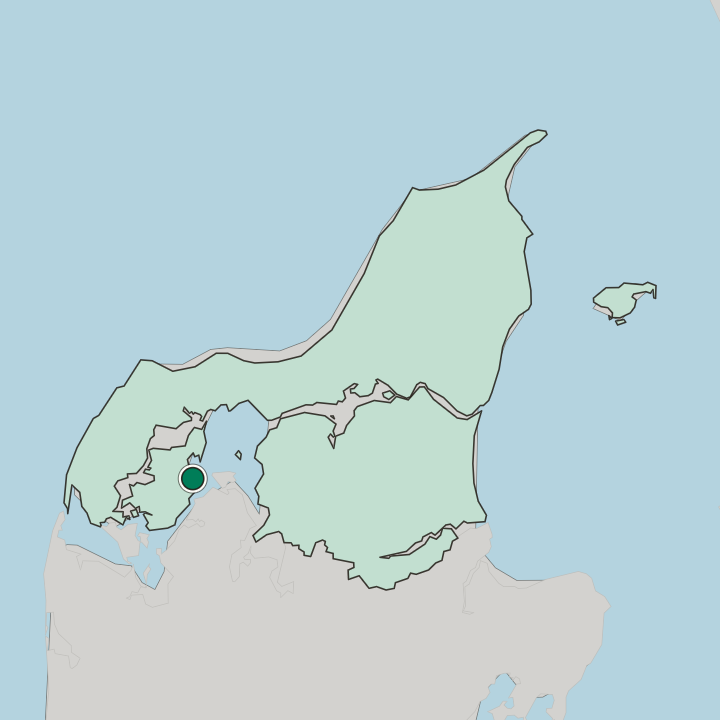
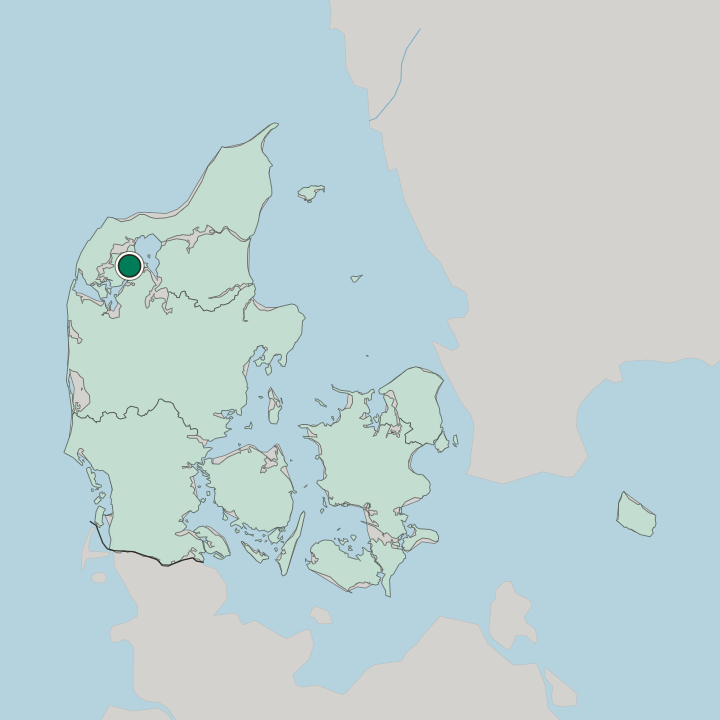
Nykøbing Mors lies on the island of Mors, in the south-western part of North Denmark Region on the Jutland peninsula. The Limfjord surrounds the island on every side, and the town stands on its eastern shore where the sheltered water gives a natural harbour. The land is low and farmed.
Morsø Municipality spreads across the whole of Mors around the town, gathering the country parishes of Frøslev Kirke and Alsted Kirke, while bridges and a ferry carry road traffic across the fjord to the surrounding Jutland mainland.
What is the climate of Nykøbing Mors?
Nykøbing Mors has the mild, damp maritime climate of the Limfjord. Winters stay cool and grey rather than harsh, the surrounding fjord water keeping hard frost and lasting snow off the low island ground for most of the season. Summers on Mors are warm and breezy.
The open water around Mors tempers the heat and feeds the wind that crosses the island through the long-lit northern months, when daylight lingers late over the fjord. Cloud and rain off the North Sea reach this corner of Jutland all year.
How do you get to Nykøbing Mors?
Nykøbing Mors is reached by road across the Limfjord. Bridges and a short ferry link the island of Mors to the surrounding Jutland mainland, carrying the traffic that runs in through Morsø Municipality to the town. The fjord crossing brings them in.
Off the main rail network, the town leans on buses and the ferries to reach the larger towns around the Limfjord, while the regional airports of northern Jutland handle the longer journeys of travellers coming from abroad to Mors.
Common questions
What is the best area to stay in Nykøbing Mors?
Old town and harbour: first-time visitors wanting the fjord waterfront. Jesperhus resort edge: families planning days at the flower park. Mors parishes: drivers touring the island.
Good for
More cities in North Denmark Region
Updated October 2026