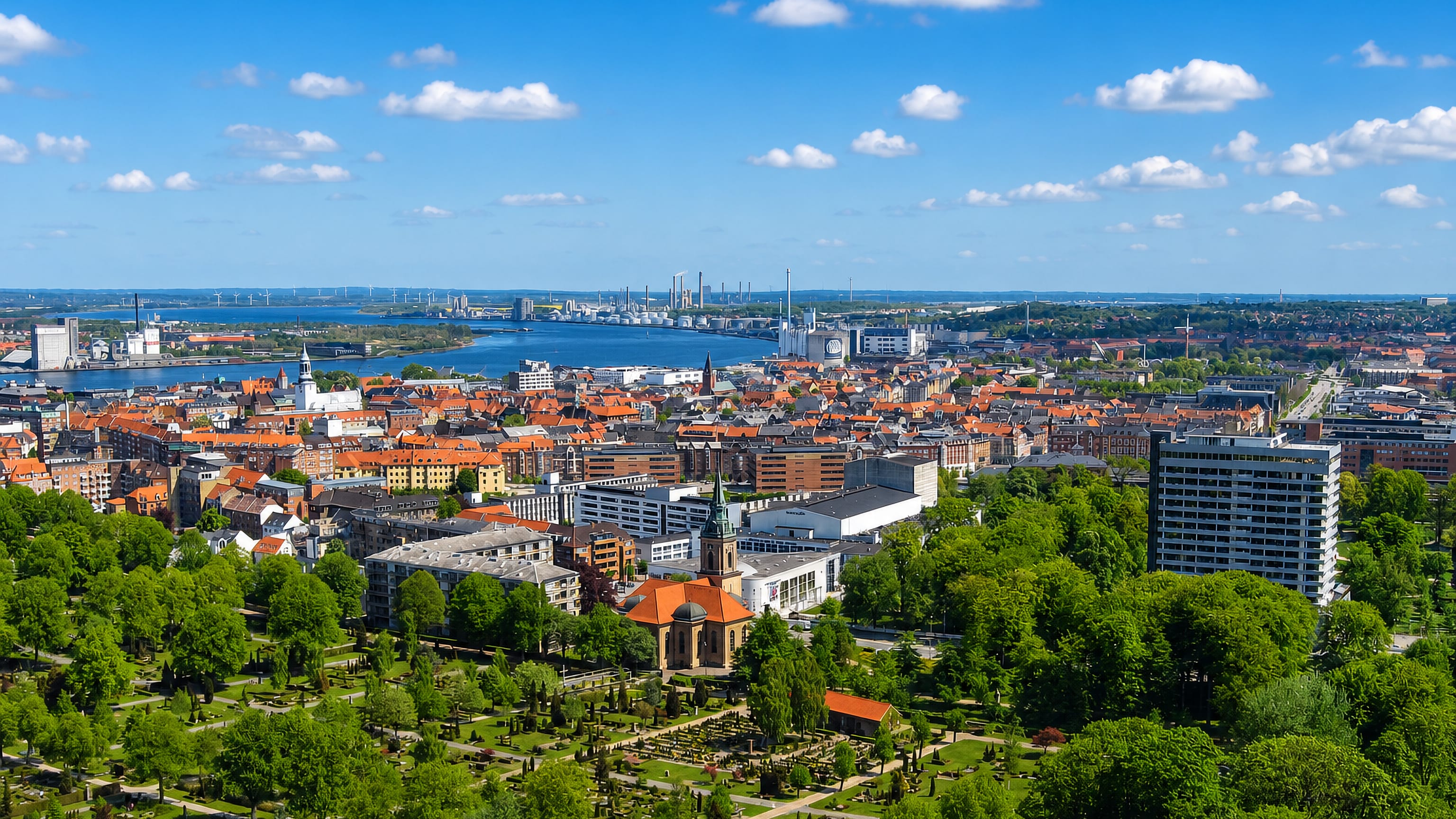
Denmark · North Denmark Region
Where to Stay in Aalborg, North Denmark Region
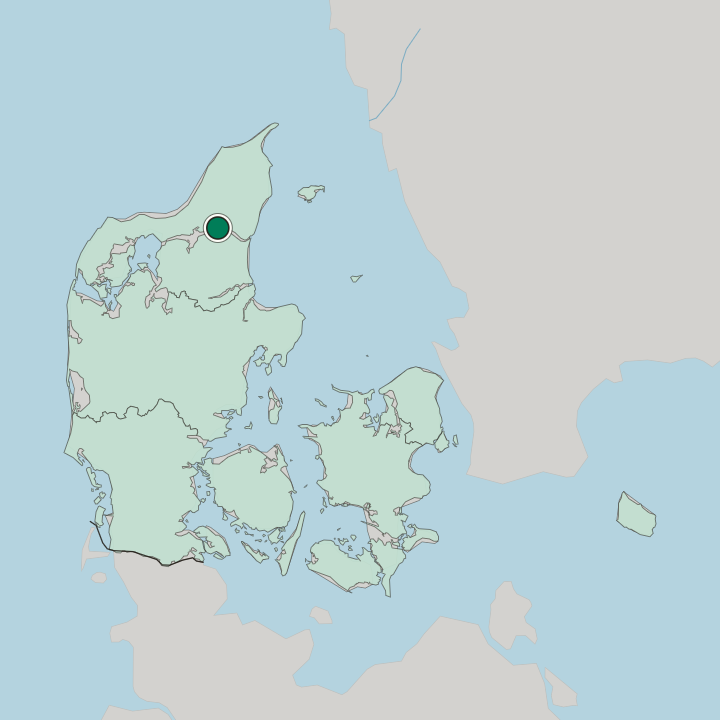
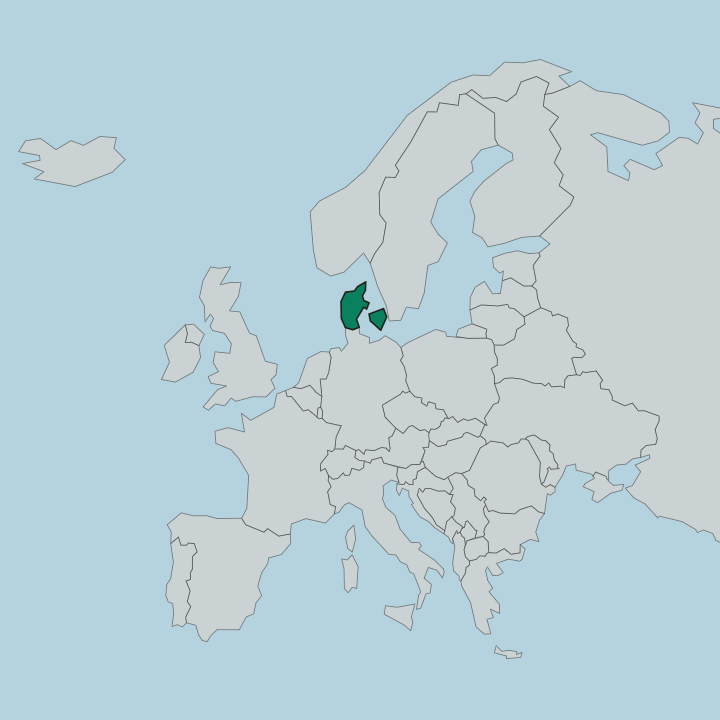
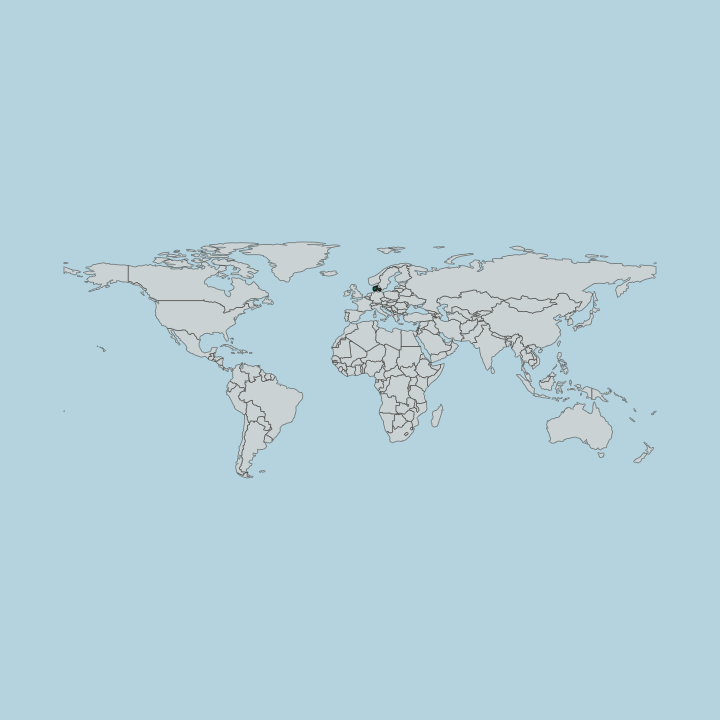
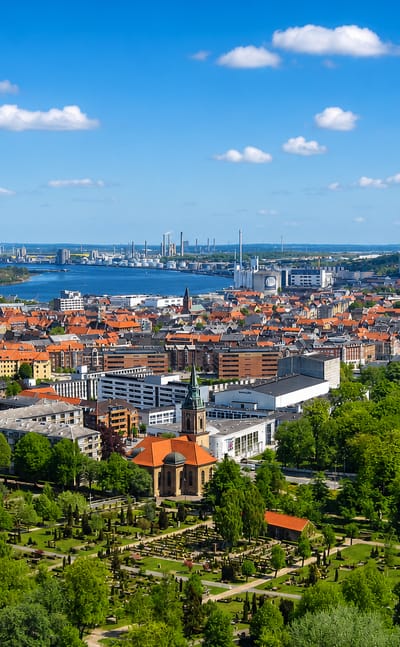
Aalborg is a historic harbour city and regional capital of northern Denmark, on the Jutland peninsula.
Hotel links are affiliate links: booking through them may earn us a commission, at no extra cost to you. It never affects how places are ranked. How this works


Where to stay in Aalborg
Where you base yourself shapes the visit — here's the character of each area.
 AalborgDenmark
Kærby
Kærby is a quarter of southern Aalborg in northern Denmark, a residential pocket of the city set back from the Limfjord harbour.Where to stay →AalborgDenmarkAalborg SØ
Aalborg SØ is a district label used within Aalborg, one of the divisions by which the Danish city sorts its ground and its addresses.Where to stay →AalborgDenmarkAalborg Øst
Aalborg Øst is the south-eastern quarter of Aalborg in northern Denmark, a residential edge of the city out past the centre on the Jutland peninsula.Where to stay →Hotel links are affiliate links: booking through them may earn us a commission, at no extra cost to you. It never affects how places are ranked. How this works
Find hotels in Aalborg
Direct booking searches for these neighbourhoods.
Historic centre
The medieval core around Vor Frue Kirke and the Aalborg Historiske Museum keeps shops and bars at the doorFind hotels in Historic centreTravellers wanting harbour-view rooms by the cultural quaysWaterfront
Newer hotels line the regenerated quays near the Utzon Center and the maritime centre SpringerenFind hotels in WaterfrontVisitors seeking a calmer base near the Viking grave fieldLindholm
The district across the water sits beside Lindholm Høje and its Viking museum, away from the centre's bustleFind hotels in LindholmHotel links are affiliate links: booking through them may earn us a commission, at no extra cost to you. It never affects how places are ranked. How this works
Things to do in Aalborg
Ranked by global recognition; descriptions from Wikidata (CC0).
Museums & Galleries
5- Kunsten Museum of Modern Art Aalborg Heritage
- Utzon Center
- Defence and Garrison Museum military museum
- Aalborg Historical Museum historical and cultural museum
- Gråbrødrekloster Museum Archaeological museum
Churches & Religious Sites
4- Church of our Lady
- Ansgars Church
- St. Mark's Church
- Sankt Mariæ Kirke Roman-Catholic church
Castles & Historic Sites
2- Lindholm Høje iron- and viking age grave yard
- Bejsebakke archaeological site
Stadiums & Sports
3- Skansen
- Provstejorden
- Triton Aalborg Sportshall
worth knowingacross 4 categories in Aalborg
About Aalborg
What is Aalborg known for?
Aalborg is known for a working waterfront reborn as a cultural strip, anchored by the Utzon Center and the modern-art galleries of the Kunsten Museum of Modern Art Aalborg. Above the harbour the Aalborgtårnet tower gives the long view, while the Viking grave field at Lindholm Høje preserves the deep past on the slopes across the water. The medieval Vor Frue Kirke marks the old core.
Culture runs thick. The city wears its history on every street.
What are the main landmarks in Aalborg?
The Viking grave field at Lindholm Høje crowns the slope across the water, with the Vikingemuseet Lindholm Høje telling its story. On the regenerated quays stand the Utzon Center and the maritime centre Springeren, while the Kunsten Museum of Modern Art Aalborg and the Aalborgtårnet sit just above. The old town holds the Vor Frue Kirke, the Sankt Mariæ Kirke, and the Aalborg Historiske Museum.
Layers everywhere. The Gråbrødrekloster Museet and the Aalborg Forsvars- og Garnisonsmuseum round out a deep museum city.
What is the history of Aalborg?
Aalborg's story reaches back to the Iron Age and Viking burials laid out on the slope at Lindholm Høje and the early settlement traces at Bejsebakke. The town itself grew as a trading harbour where goods moved between northern Jutland and the sea. Medieval foundations still stand.
The Vor Frue Kirke and the friary remembered at the Gråbrødrekloster Museet anchor the old core, and the Sankt Mariæ Kirke marks the later religious life of the city. Trade, fishing, and industry carried Aalborg through the centuries that followed, and its garrison past survives at the Aalborg Forsvars- og Garnisonsmuseum. The deeper civic record is held at the Aalborg Historiske Museum.
In the modern era the working waterfront was reborn as a cultural front, gaining the Utzon Center and the views from the Aalborgtårnet, while the Kunsten Museum of Modern Art Aalborg drew the city's art collection together. The harbour, the river crossing, and the long Viking past still define the place as the regional capital of North Denmark Region.
Where is Aalborg?
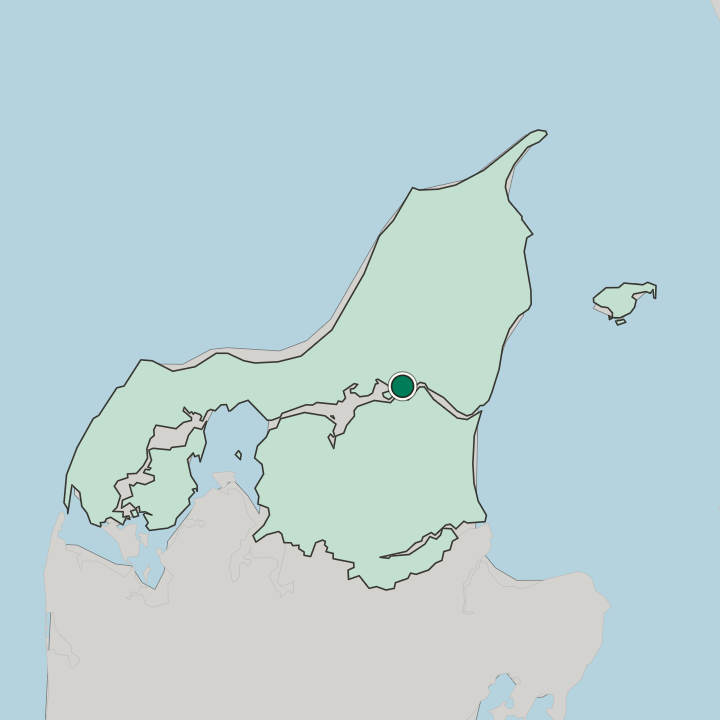
Aalborg sits at a narrow crossing of the waterway that splits northern Jutland, in northern Denmark, on the Jutland peninsula. The city straddles the channel. On the higher ground across the water rises the slope of Lindholm Høje, while the built-up districts of Aalborg Municipality spread back from both banks over the surrounding low country of North Denmark Region.
What is the climate of Aalborg?
Aalborg keeps the cool maritime weather of northern Jutland. The waterway through the city and the nearby seas hold the seasons together, so winters stay damp and rarely bitter while summers turn mild, with the wind off the open water reaching well inland across the flat surroundings. Overcast skies settle over Aalborg often.
Rain spreads through the year rather than falling in a single season.
How do you get to Aalborg?
Aalborg is the main road and rail hub for the far north of Jutland. Rail and motorway run up the peninsula to the city, and an airport on the northern bank links it to the rest of the country and beyond. Bridges and a tunnel cross the water.
From the centre, the harbourfront, the Utzon Center, and the Viking site at Lindholm Høje are all a short hop apart within North Denmark Region.
Common questions
What is the best area to stay in Aalborg?
Historic centre: Walkers who want the old streets and nightlife around Jomfru Ane Gade. Waterfront: Travellers wanting harbour-view rooms by the cultural quays. Lindholm: Visitors seeking a calmer base near the Viking grave field.
Good for
More cities in North Denmark Region
Updated October 2026