Denmark · North Denmark Region
Where to Stay in Støvring, North Denmark Region
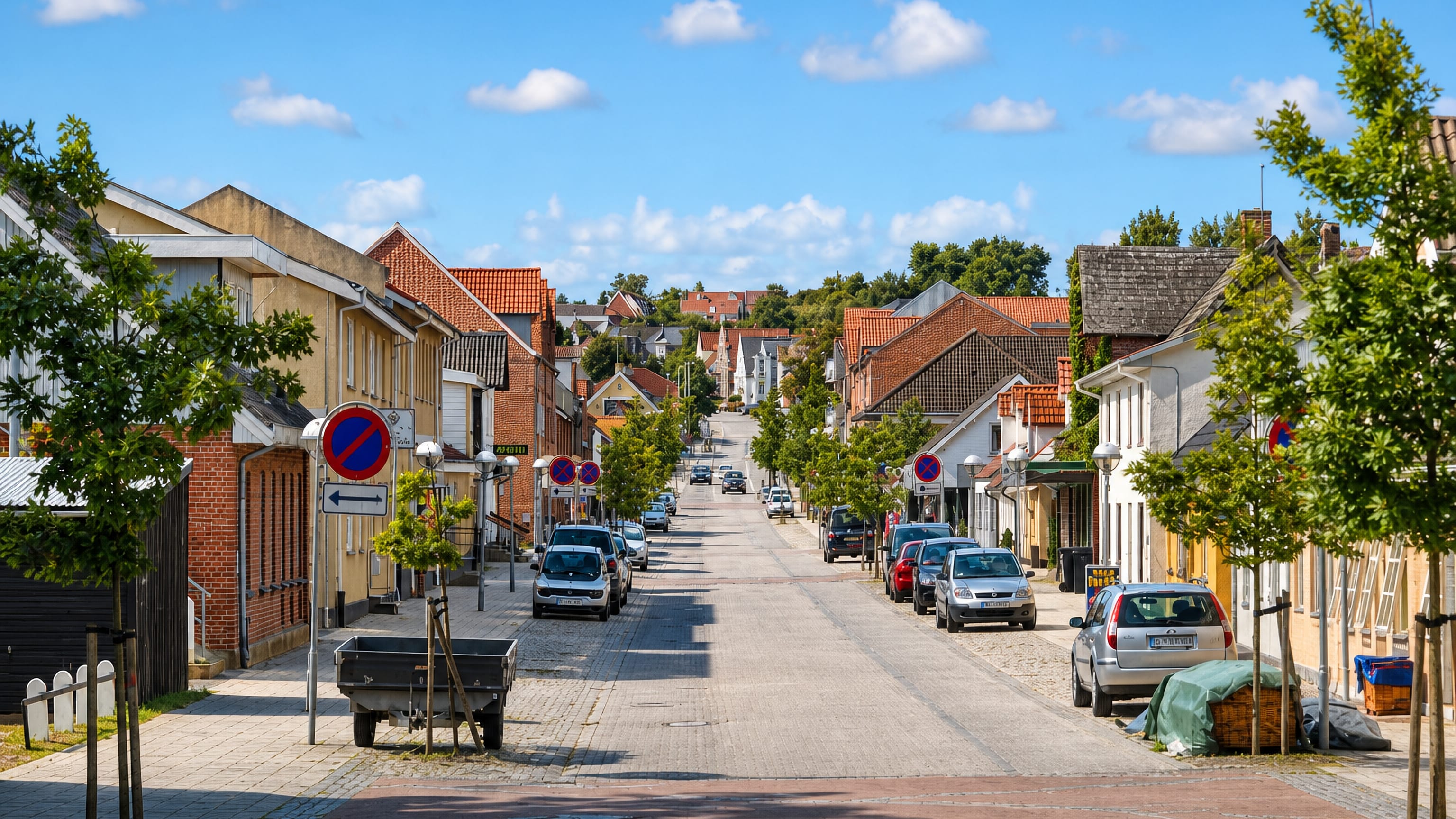
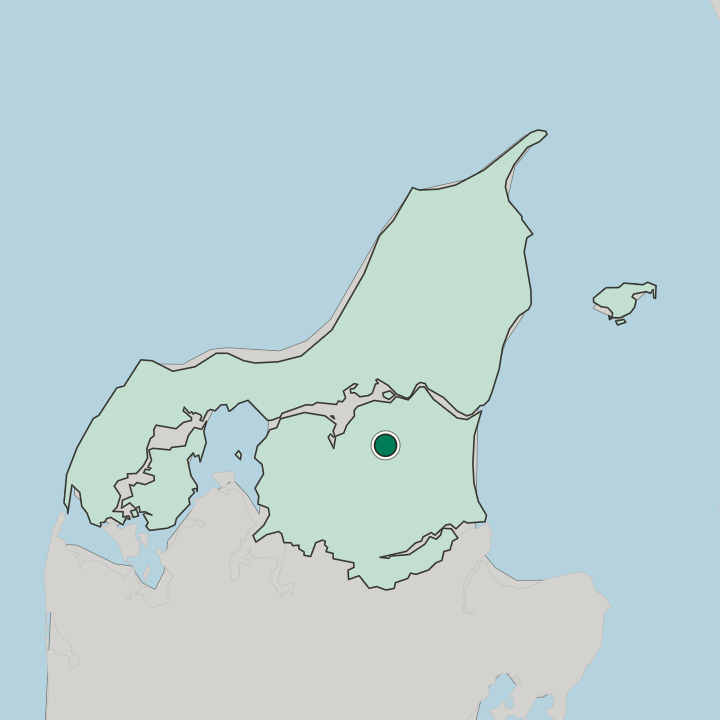
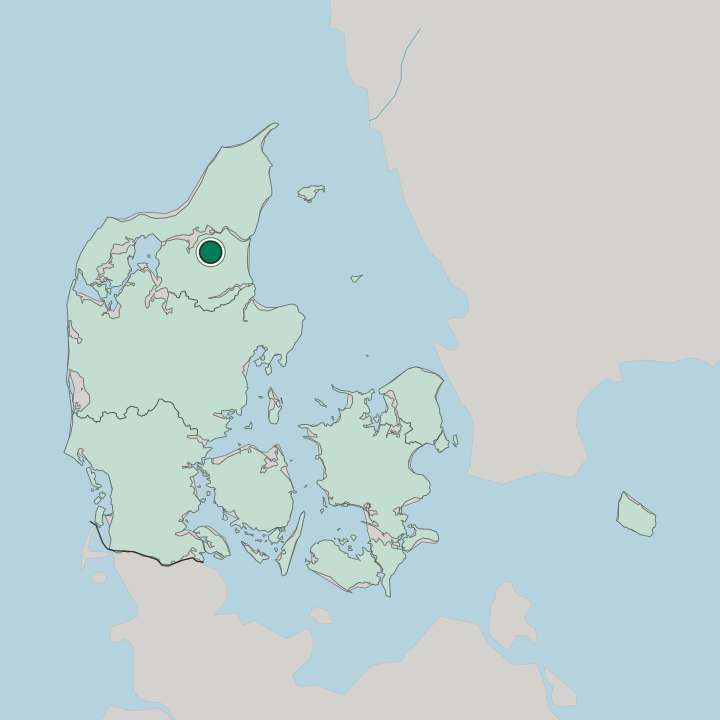
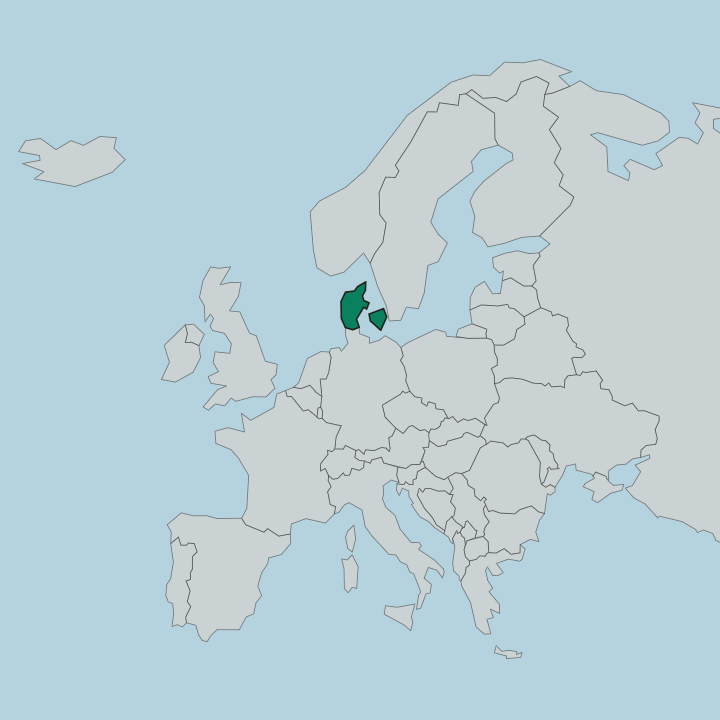
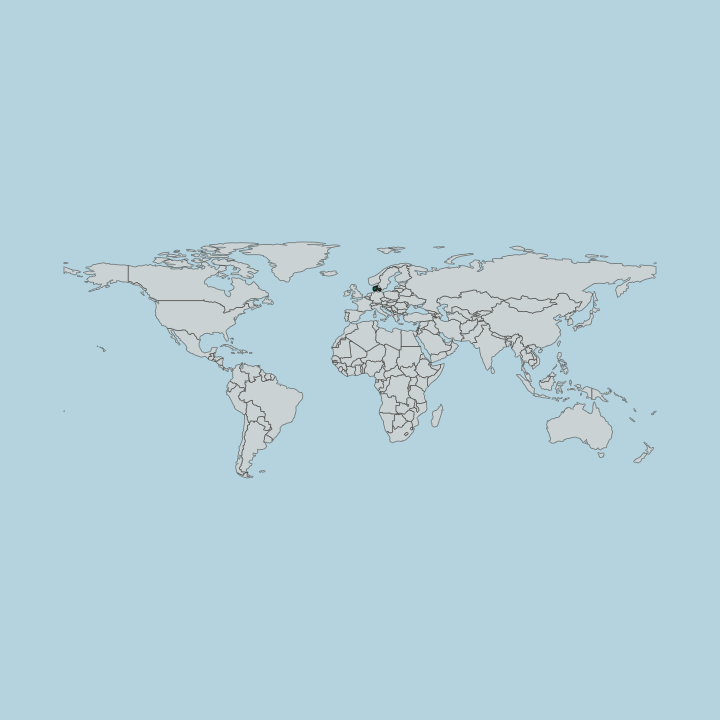
Støvring is the seat of Rebild Municipality, in northern Denmark on the southern Jutland peninsula.
Hotel links are affiliate links: booking through them may earn us a commission, at no extra cost to you. It never affects how places are ranked. How this works


Where to stay in Støvring
Where the beds are, and what that means for the visit.
Støvring is small, and its beds gather near the centre and the station that the railway brought. The core holds the practical rooms a traveller wants, handy for arrival by train and within reach of the shops and the parish church. Stay here for ease.
The town works well as a base for the hills and the parishes around it, with quieter rooms back from the centre suiting travellers bound for the bunker of Regan Vest or the old workings of the Thingbæk Kalkminer a short way off. Visitors after the village country lean toward the edges nearest Sørup Kirke and Blenstrup Kirke, where the farmland and the old parishes begin. Bunker tours fill the local rooms in season.
Book ahead through the warm months, when Regan Vest and the surrounding hills draw their visitors and the small town's beds go quickly.
Find hotels in Støvring
Direct booking searches for these neighbourhoods.
Station centre
practical rooms by the line and the parish churchFind hotels in Station centrevisitors bound for the Cold War site and the old minesBase for the bunker
quiet beds near Regan Vest and the Thingbæk KalkminerFind hotels in Base for the bunkervisitors after the parish countryVillage edge
rooms toward the farmland by Sørup Kirke and Blenstrup KirkeFind hotels in Village edgeHotel links are affiliate links: booking through them may earn us a commission, at no extra cost to you. It never affects how places are ranked. How this works
Things to do in Støvring
Ranked by global recognition; descriptions from Wikidata (CC0).
Museums & Galleries
2- Regan Vest
- Thingbæk Kalkminer
Churches & Religious Sites
3- Blenstrup Church church building in Rebild Municipality
- Sørup Church
- Fræer Church
worth knowingacross 2 categories in Støvring
About Støvring
Støvring is a quiet town with a Cold War secret beside it.
What is Støvring known for?
The administrative seat of Rebild Municipality, it sits on the southern Jutland peninsula amid farmland and old parish villages, an ordinary working town with one extraordinary neighbour. That neighbour is Regan Vest. The secret government bunker dug into the hills near the town, now opened as a museum, draws the visitors who give Støvring a name beyond its own quiet district.
What are the main landmarks in Støvring?
The town's great mark is hidden underground. Regan Vest is the Cold War government bunker dug secretly into the hills near Støvring, now a museum and the chief draw of the district. The old chalk workings of the Thingbæk Kalkminer run through the rock nearby, kept as galleries of sculpture.
Churches mark the surrounding parishes. Sørup Kirke, Blenstrup Kirke and Fræer Kirke stand among the villages of the hilly country around the town, each a small stone landmark of the old farming land.
What is the history of Støvring?
Støvring grew from old parish ground. The village churches of Sørup Kirke, Fræer Kirke and Blenstrup Kirke trace the medieval settlement of the hilly farming country on the southern Jutland peninsula, where people had worked the land and the chalk long before a town gathered here. The railway made the modern place.
When the line was laid through the district, a centre grew around the station, drawing trade and houses together where the old parishes met, and Støvring rose into the administrative seat of the surrounding municipality. The chalk under the hills was worked at the Thingbæk Kalkminer, whose galleries later became a place of sculpture rather than mining. In the tense years of the Cold War the state dug the secret bunker of Regan Vest into the high ground close by, a hidden seat of government built to survive the worst and kept silent for decades.
The town stayed quiet above it. Støvring serves as the seat of Rebild Municipality, an ordinary town with an extraordinary history beneath its hills.
Where is Støvring?
Støvring lies in northern Denmark, on the Jutland peninsula, in the southern part of North Denmark Region. The town sits inland on the hilly farming country of Rebild Municipality, where the land rises into low ridges and the chalk runs close beneath the surface, worked long ago at the Thingbæk Kalkminer. Hills hold the secret bunker.
The high ground near the town hides Regan Vest, while the parish villages of Sørup Kirke and Fræer Kirke scatter across the surrounding fields and ridges.
What is the climate of Støvring?
Støvring has the cool, damp weather of the inner Jutland peninsula, set on the hilly farming ground inland from the coast. Winters stay grey and wet rather than hard, with frost settling readily on the open ridges of the district, while summers run mild and green under the long northern daylight that lingers late over the fields and the parishes around the town. Wind crosses the high ground.
It moves over the ridges and the open farmland with little to break it, keeping the air fresh around the small inland town through the year.
How do you get to Støvring?
The railway brings you in. Støvring sits on the main line up the Jutland peninsula, so trains reach it directly from the larger towns to the north and the south, and the station anchors the centre the line created. Buses link out to the parishes and the bunker.
Drivers come in across North Denmark Region on the motorway threading the hilly country, and the nearest airport lies a short way north up the peninsula, easily reached by road or rail from the town.
Common questions
What is the best area to stay in Støvring?
Station centre: travellers who want easy arrival by rail. Base for the bunker: visitors bound for the Cold War site and the old mines. Village edge: visitors after the parish country.
Good for
More cities in North Denmark Region
Updated October 2026