Dominican Republic
San Cristóbal, Dominican Republic — Towns & Travel Guide
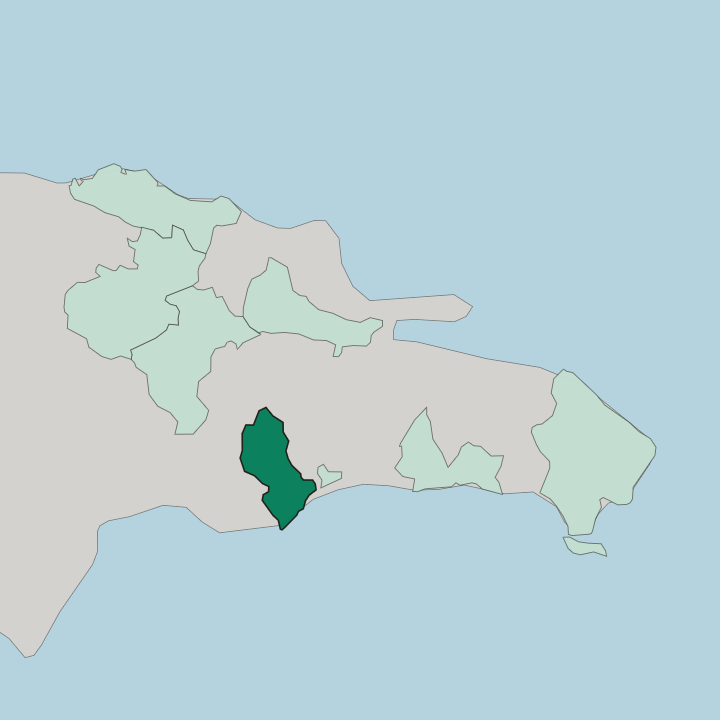
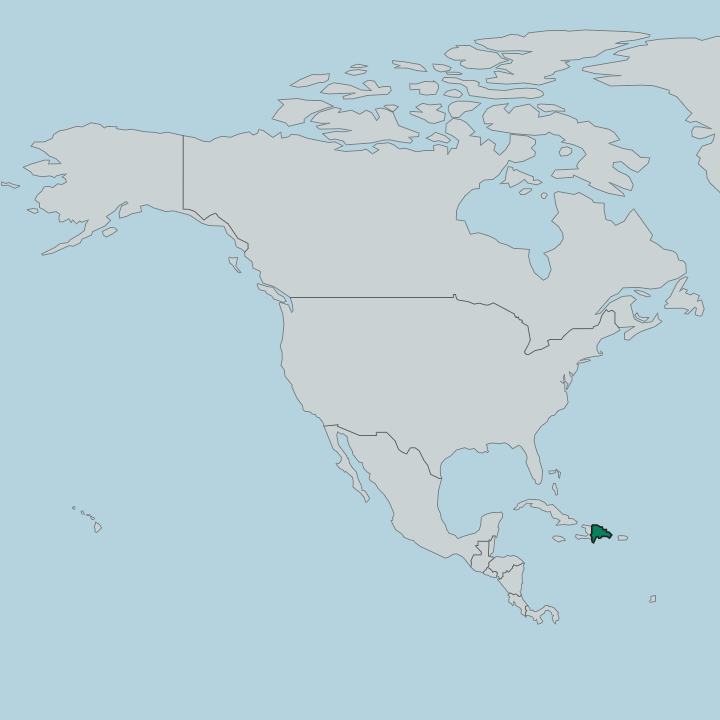
San Cristóbal is a province in the southern region of Dominican Republic, lying west of Santo Domingo and fronting the Caribbean Sea.
Hotel links are affiliate links: booking through them may earn us a commission, at no extra cost to you. It never affects how places are ranked. How this works


Towns & cities in San Cristóbal
One town here has its own guide — it links to where to stay.

 Dominican Republic
San Cristóbal
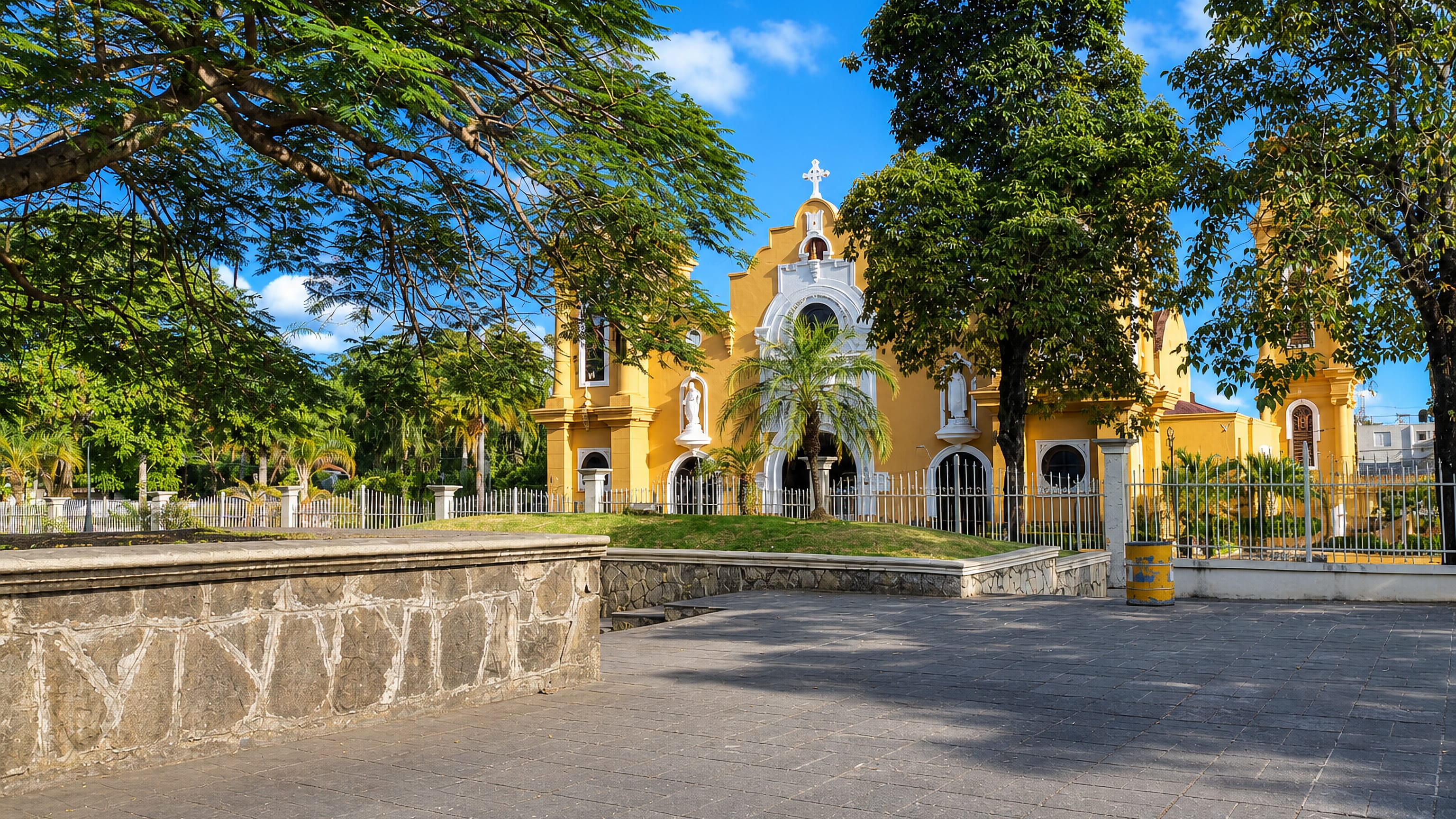
San Cristóbal lies in a valley between the Nigua and the Nizao, under the foothills of the Cordillera Central, with its cathedral fixing the centre.Where to stay →
Hotel links are affiliate links: booking through them may earn us a commission, at no extra cost to you. It never affects how places are ranked. How this works
About San Cristóbal
Santo Domingo sits just east.
What is San Cristóbal known for?
San Cristóbal is known first for that proximity, a province close enough to the national capital that the two work as neighbours in practice as well as on the map, which shapes everything from its roads to its trade. The sea closes the south. Its own capital, the city of San Cristóbal, gives its name to a province bounded by the Caribbean Sea and by the lines with Monseñor Nouel, Monte Plata, Peravia, and San José de Ocoa.
Where is San Cristóbal?
Sea to the south, provinces on every other side of it. San Cristóbal takes in something over twelve hundred square kilometres of the southern region of Dominican Republic, land that runs from the Caribbean Sea back into the interior. Five provinces bound it.
Monseñor Nouel lies north, Monte Plata northeast, Santo Domingo east, Peravia west, and San José de Ocoa northwest, which leaves only the southern edge open to water. Position does most of the work here. The province sits west of Santo Domingo, so its eastern side faces the national capital while its northwestern corner backs into quieter country toward San José de Ocoa.
The tropics run through all of it. Northern-hemisphere land at this remove from the equator holds warmth in every month, and the Caribbean Sea along the southern boundary gives the coastal strip a different feel from the inland municipalities. Nothing here is far from anything else in the province.
From the shoreline to the Monseñor Nouel border is a short crossing, and San Cristóbal reads as a compact block of territory rather than a sprawling one.
What is San Cristóbal like?
Spanish is the language here, as it is across the country. San Cristóbal's cultural life runs partly on its own account and partly in the orbit of Santo Domingo, which lies close enough east that the province has never been isolated from the capital's institutions or its labour market. The province is younger than most.
Its establishment dates only to 1932, which puts it well behind the divisions drawn in the previous century, and the identity attached to the name has had less time to settle than in older provinces. The coast and the interior differ. Towns along the Caribbean Sea look south to the water, while the municipalities toward Monseñor Nouel, San José de Ocoa, and Monte Plata face inland toward the interior of the country instead.
The capital gathers both. San Cristóbal the city carries the provincial administration and the trade that comes with a position between the sea and the capital of the country, and the province as a whole is best understood as a piece of the southern region with Santo Domingo on one shoulder and Peravia on the other.
What is the history of San Cristóbal?
A twentieth-century creation. San Cristóbal was constituted in 1932, and the province has since held the shape it was given, bounded by Monseñor Nouel, Monte Plata, Santo Domingo, Peravia, and San José de Ocoa on land. The capital took the same name.
The city of San Cristóbal has served as the seat from the start, and the province around it has kept the Caribbean Sea as its southern limit and Santo Domingo as its eastern neighbour throughout.
What is the climate of San Cristóbal?
The Caribbean sets the tone. Air off the sea reaches well into San Cristóbal from the southern boundary, holding the province warm through a year that has no cold half to it. Highs vary little.
The sea keeps the southern towns steadier than the ground inland toward Monseñor Nouel and San José de Ocoa, though the gap across so small a province stays modest.
How do you get to San Cristóbal?
Santo Domingo is the way in for most. San Cristóbal borders the national capital's province on its eastern side, so arrivals from outside the country pass through there and continue west by road into the province. Five land borders offer choices.
Routes also come down from Monseñor Nouel and Monte Plata in the north and northeast, across from Peravia in the west, or through San José de Ocoa in the northwest, while the Caribbean Sea closes the southern side to overland traffic.
Common questions
What is the best area to stay in San Cristóbal?
San Cristóbal city: a base west of Santo Domingo rather than inside it. the Caribbean shore: sea-facing nights on the province's southern boundary.
More regions in Dominican Republic
Updated September 2026