Dominican Republic
Puerto Plata, Dominican Republic — Towns & Travel Guide
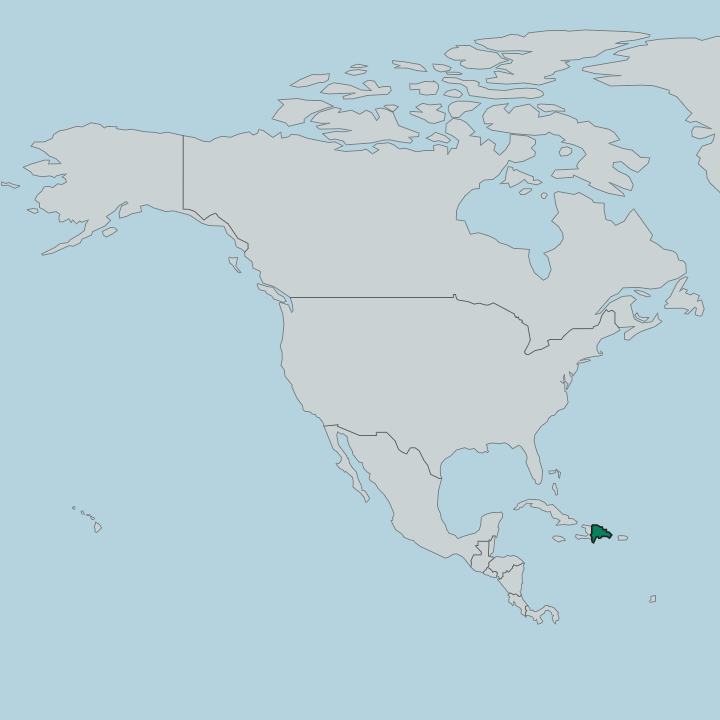
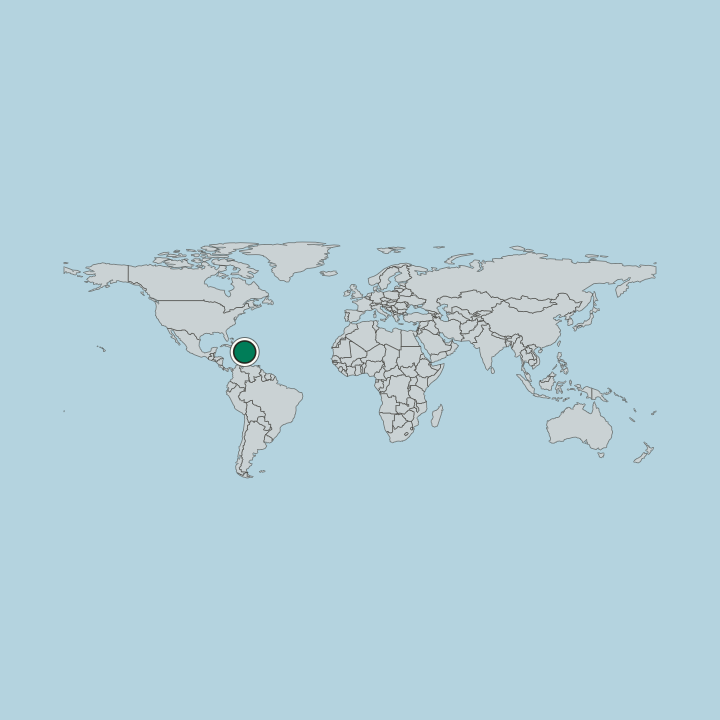
A province in northern Dominican Republic, Puerto Plata sets the Septentrional mountain range against a coastline on the Atlantic Ocean.
Hotel links are affiliate links: booking through them may earn us a commission, at no extra cost to you. It never affects how places are ranked. How this works


Towns & cities in Puerto Plata
One town here has its own guide — it links to where to stay.

 Dominican Republic
Puerto Plata
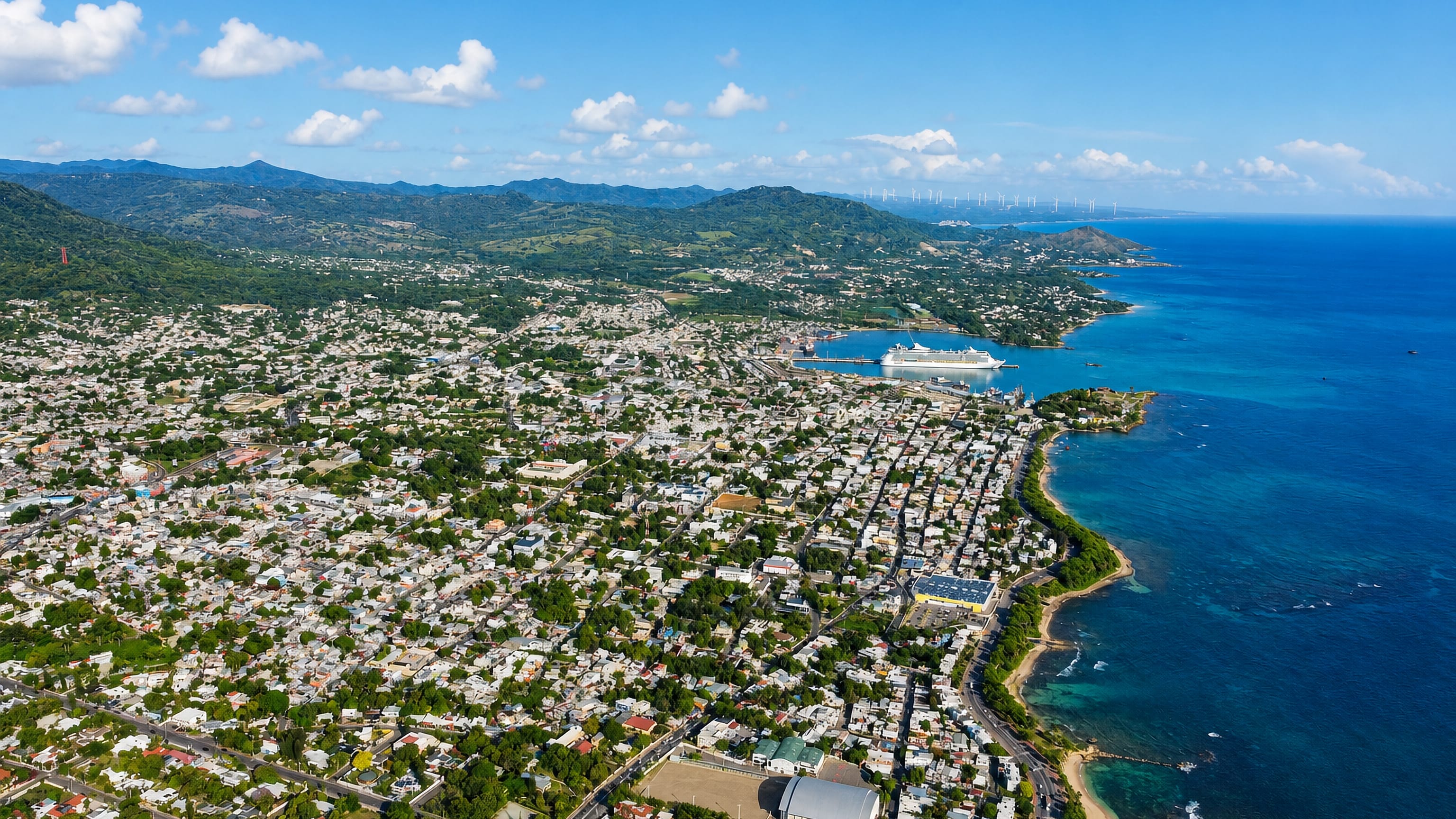
Puerto Plata, a coastal city founded in 1502, stands under Pico Isabel de Torres, with Fortaleza San Felipe and the Historical Centre below.Where to stay →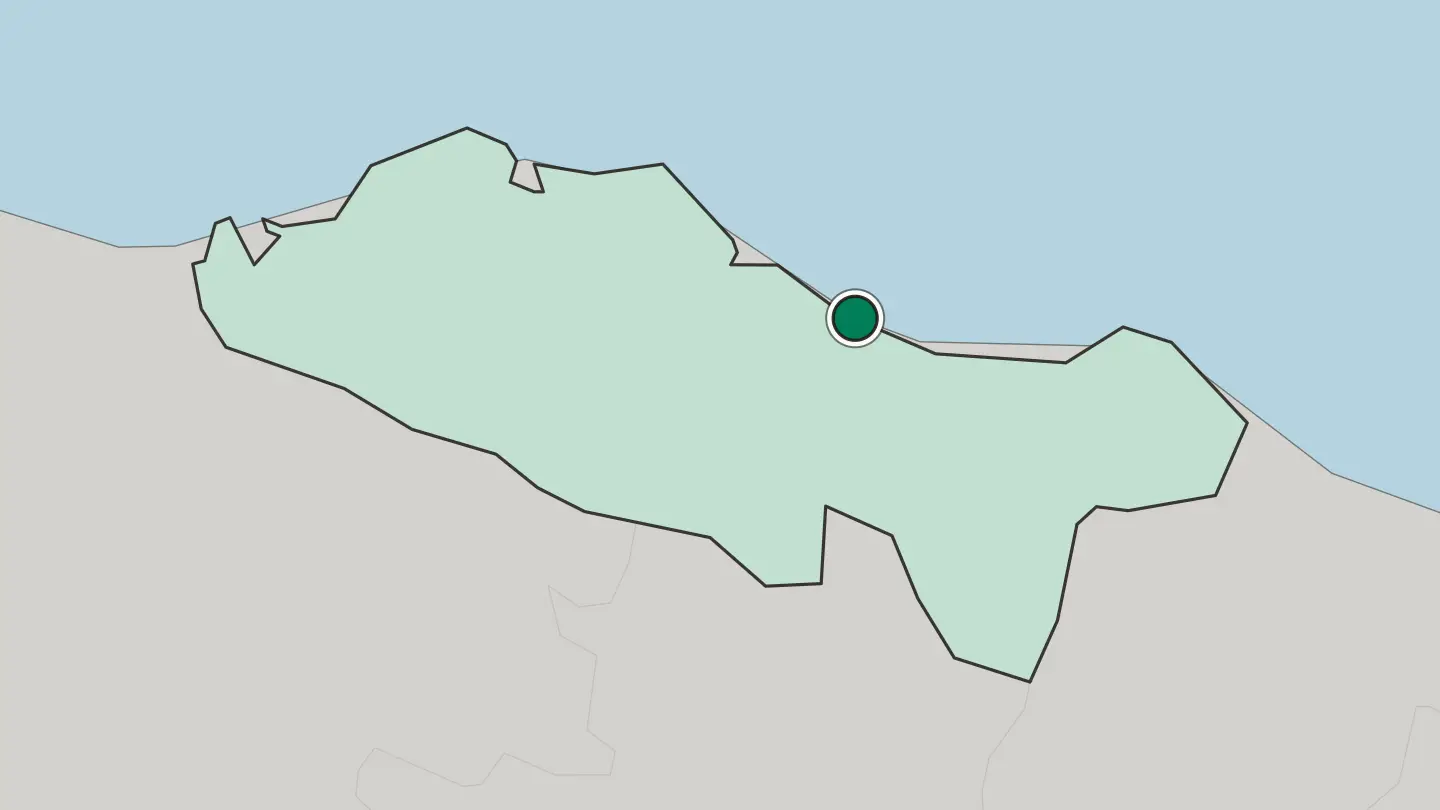
Hotel links are affiliate links: booking through them may earn us a commission, at no extra cost to you. It never affects how places are ranked. How this works
About Puerto Plata
Beaches did it.
What is Puerto Plata known for?
Puerto Plata drew steadily more visitors from the late 1990s onward, and the fine beaches along its stretch of the Atlantic Ocean are what the province is best known for beyond the country. Its capital carries the same name. That resort city gives the province its focus, while the nine municipalities and twelve municipal districts behind it run back toward the Septentrional mountain range and the provincial lines with Valverde and Santiago.
Where is Puerto Plata?
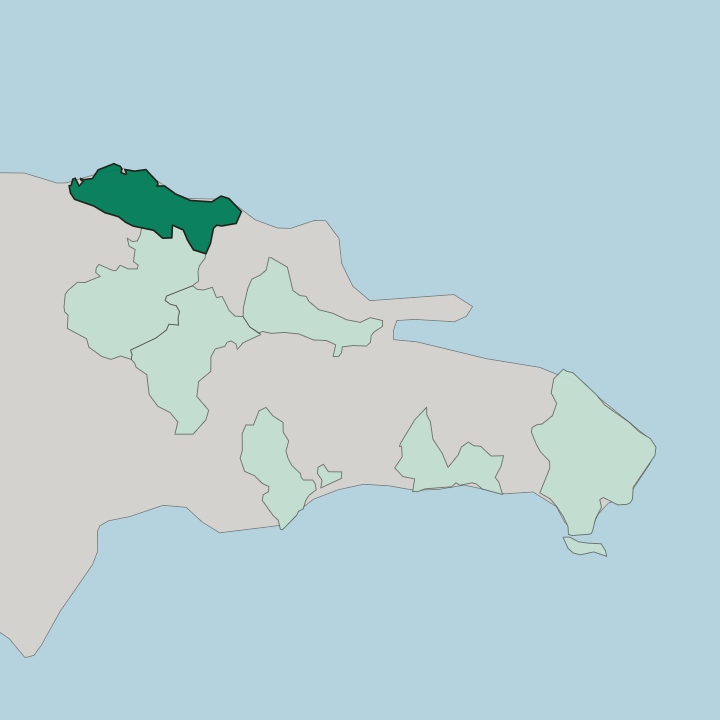
Mountains behind, ocean in front. Puerto Plata covers roughly one thousand eight hundred square kilometres of northern Dominican Republic, a province with a coastline on the Atlantic Ocean and the Septentrional mountain range running through it. The two features set the frame.
Between the ridge and the water the ground narrows into a coastal belt, and the nine municipalities and twelve municipal districts of the province are spread across both that belt and the higher land inland. Its neighbours are all on the landward side. Monte Cristi lies to the southwest, Valverde and Santiago to the south, and Espaillat to the east, so every provincial border Puerto Plata has is a land border while its seaward edge belongs to the Atlantic Ocean.
The tropics cover it. Warm ocean water on one side and the relief of the Septentrional mountain range on the other give the province two characters within a short distance of each other, one maritime and one upland. Nothing here lies far from anything else.
Leaving the beaches, crossing the range, and reaching the Santiago border is a single day's work, which keeps the coastal and inland halves of Puerto Plata within reach of one another.
What is Puerto Plata like?
Spanish carries the province, as it does the rest of the country, and it is the language of both the shore and the hills. Puerto Plata's life divides between a coast that has worked with visitors since the late 1990s and an interior of municipal districts under the Septentrional mountain range where that trade reaches less far. Two economies sit side by side.
The resort city that shares the provincial name handles the arrivals and the beach business, while the inland municipalities keep to the pattern of a mountain province. The name is old. Puerto Plata has been a province since 1844, and the identity attached to it predates the tourism by a long stretch, which is why it is known inside the Dominican Republic for more than its shoreline.
Nine municipalities make it up. Together with twelve municipal districts they spread the province's settlement between the Atlantic Ocean and the borders with Monte Cristi, Valverde, Santiago, and Espaillat, and the difference between a coastal town and one under the range is felt in daily life rather than only on a map.
What is the history of Puerto Plata?
Provincial status came in 1844. Puerto Plata was among the divisions established then, and its capital, the city of the same name on the Atlantic Ocean, has served as the seat ever since. Tourism came much later.
The beaches drew growing numbers from the late 1990s, which changed how the coast made its living without altering the borders the province keeps with Monte Cristi, Valverde, Santiago, and Espaillat.
What is the climate of Puerto Plata?
The Atlantic does the moderating. Sea air off the ocean keeps the coastal belt of Puerto Plata even through the year, while the Septentrional mountain range stands between that air and the interior. Rainfall is what shifts across Puerto Plata.
Warmth holds steady across the province in every month, and the difference between the shore and the higher municipal districts inland is felt more in cloud and shower than in any change of season.
How do you get to Puerto Plata?
Arrival is a coastal business. The resort capital that shares the province's name is where visitors to Puerto Plata concentrate, and the Atlantic shoreline is what most of them come for. Land routes cross the range.
Approaches from Monte Cristi in the southwest, from Valverde and Santiago in the south, or from Espaillat in the east all have to negotiate the Septentrional mountain range or work around its ends.
Common questions
What is the best area to stay in Puerto Plata?
the Atlantic shore: beach nights on the Puerto Plata coastline. the Septentrional foothills: quiet inland stays under the Septentrional mountain range.
Good for
More regions in Dominican Republic
Updated September 2026