
Dominican Republic
San Pedro de Macorís, Dominican Republic — Towns & Travel Guide
San Pedro de Macorís is a province of the Dominican Republic whose capital city of the same name works to the rhythm of sugar near Santo Domingo.
Hotel links are affiliate links: booking through them may earn us a commission, at no extra cost to you. It never affects how places are ranked. How this works


Towns & cities in San Pedro de Macorís
One town here has its own guide — it links to where to stay.

 Dominican Republic
San Pedro de Macorís
San Pedro de Macorís sits on the Dominican coast east of Santo Domingo, a provincial capital known for its ballplayers and the Estadio Tetelo Vargas.Where to stay →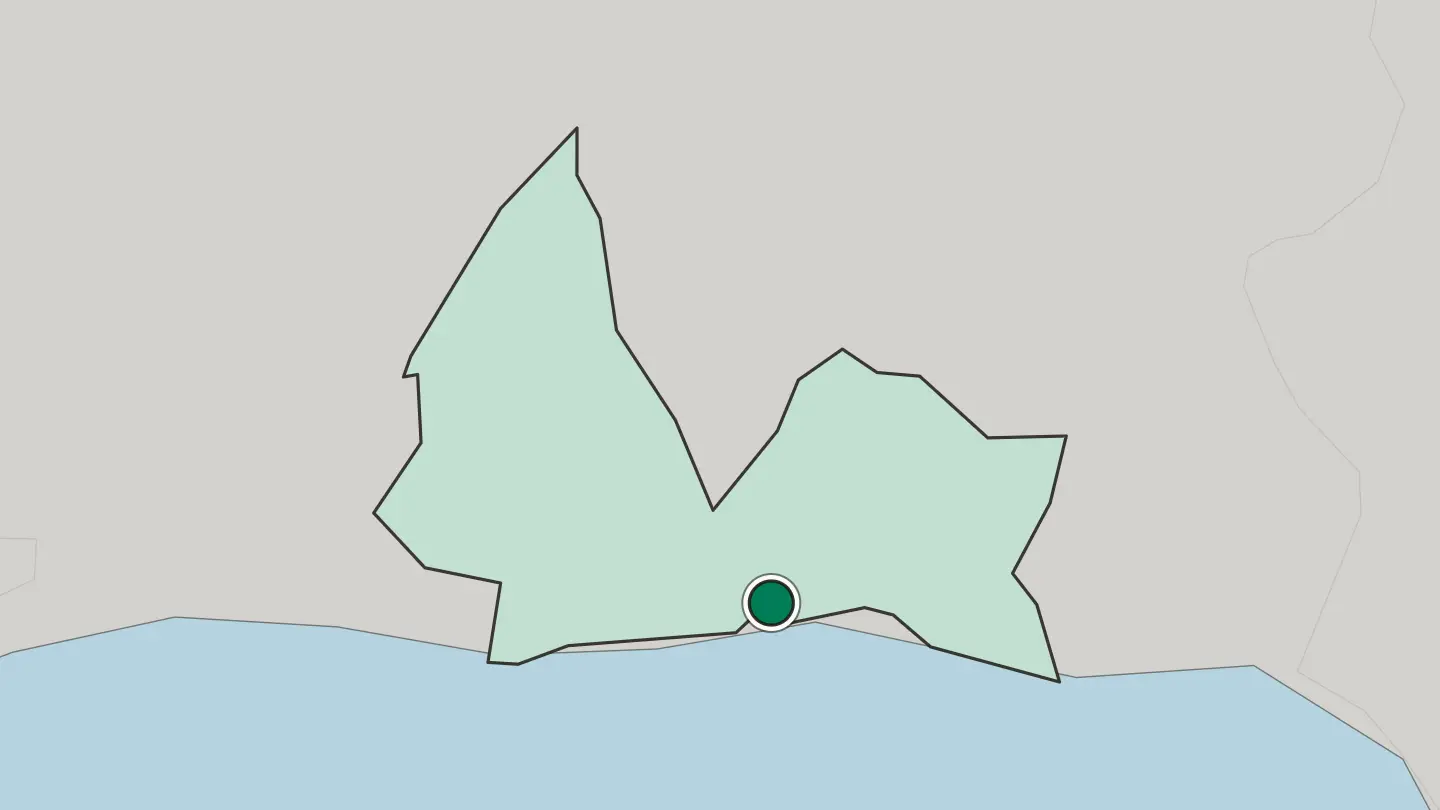
Hotel links are affiliate links: booking through them may earn us a commission, at no extra cost to you. It never affects how places are ranked. How this works
About San Pedro de Macorís
Sugar built the reputation.
What is San Pedro de Macorís known for?
The province and its capital city share one name, and the shorthand San Pedro does duty for both in speech, on signs, and in the way people from elsewhere in the Dominican Republic place it. SPM is the other short form. Serie 23 belongs to the province as well, taken from the opening digits of the Cedula that every Dominican carries, and it works as a badge of origin rather than as a piece of paperwork.
Santo Domingo keeps the province busy.
Where is San Pedro de Macorís?
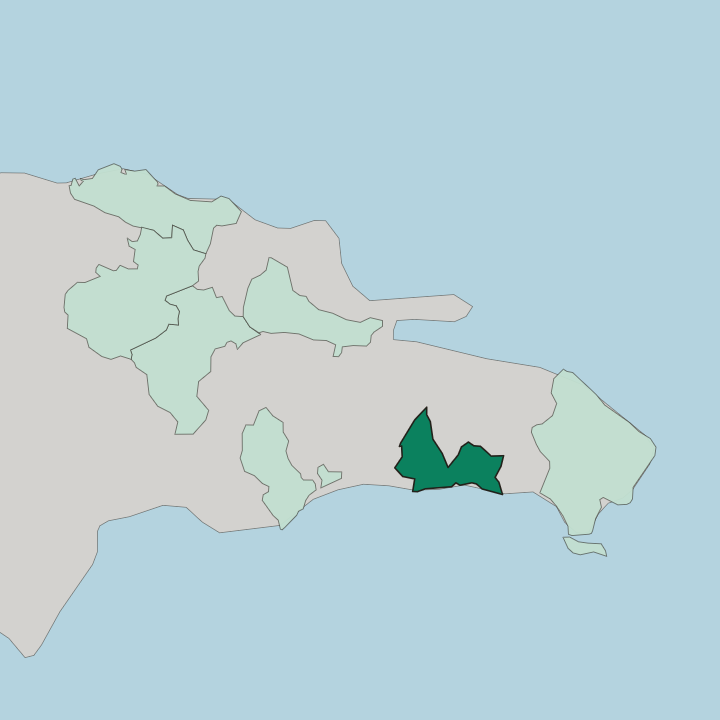
The province is compact. San Pedro de Macorís occupies a modest block of ground in the Dominican Republic, and its shape on the map matters less than its position, since almost everything that happens here is explained by the nearness of the national capital and by what the land is planted with. Cane dominates that ground.
Sugar is the province's industry, which makes the working landscape a cultivated one, laid out for a crop rather than left to whatever the tropics would otherwise put there. Position does the rest of the work. Santo Domingo sits close enough that the province falls inside the capital's everyday reach, which is unusual for a territory of this modest size and is the reason its capital city stays busy.
The two names are the same. San Pedro de Macorís is both the province and the city at its centre, so a reference to it can mean either, and Dominicans let context sort out which. Everything else is measured from that city.
Roads, work, and administration converge there, and a traveller who has been to the city has in practice seen the part of the province that most people mean when they use the name.
What is San Pedro de Macorís like?
Names carry weight here. The province answers to San Pedro in everyday speech, to SPM in writing, and to Serie 23 among Dominicans who recognise the opening digits of a Cedula. That last one is the telling name.
It takes a piece of state numbering, the identity document every Dominican carries, and turns it into a marker of where a person comes from, which is a kind of local pride that does not translate cleanly outside the Dominican Republic. Work shapes the rest. Sugar is not a heritage industry in San Pedro de Macorís but the thing that has organised the province's economy and its calendar, and the culture growing around a cane economy runs on shifts, seasons, and movement rather than on monuments.
Santo Domingo is the second influence. Sitting within easy reach of the national capital means the province is not culturally sealed: people, goods, and habits travel both ways, and what changes in Santo Domingo tends not to take long arriving. Spanish is the language of all of it.
The result reads as ordinary working Dominican Republic rather than as a set piece, and that is much of the interest for a traveller who wants somewhere unstaged.
What is the history of San Pedro de Macorís?
The province dates from 1882. Everything after that is bound up with sugar, the industry that explains most of its working life and the reason its capital city grew into more than an administrative seat. Sugar set the terms.
Proximity to Santo Domingo did the rest, pulling San Pedro de Macorís into the national capital's orbit instead of leaving it to develop on its own account.
What is the climate of San Pedro de Macorís?
Steady heat runs through the whole year. San Pedro de Macorís lies inside the tropical band, which flattens the year: there is no cold season to plan around, and the gap between the warmest and the coolest stretches stays narrow by the standards of temperate countries. Warmth holds in every month.
For a visitor that shifts the question from when to go towards what else is happening, since the cane and the working rhythm of the province vary far more across the calendar than the temperature ever does.
How do you get to San Pedro de Macorís?
Most journeys start in Santo Domingo. The province's closeness to the national capital is the practical fact behind almost every arrival, and the same nearness that keeps the sugar trade moving makes San Pedro de Macorís an easy addition to a stay in the capital rather than a separate expedition. Everything sits within a short drive.
Once inside the province, the capital city of the same name is the point everything else is measured from, and SPM, in speech and in shorthand, means exactly that place.
Common questions
What is the best area to stay in San Pedro de Macorís?
San Pedro de Macorís city: sugar-country stays and short runs to Santo Domingo. Santo Domingo: a wider room choice with the Serie 23 province as a day trip.
More regions in Dominican Republic
Updated September 2026