Ecuador · Provincia de Pichincha · Quito
La Mariscal, Quito — Area Guide & Where to Stay
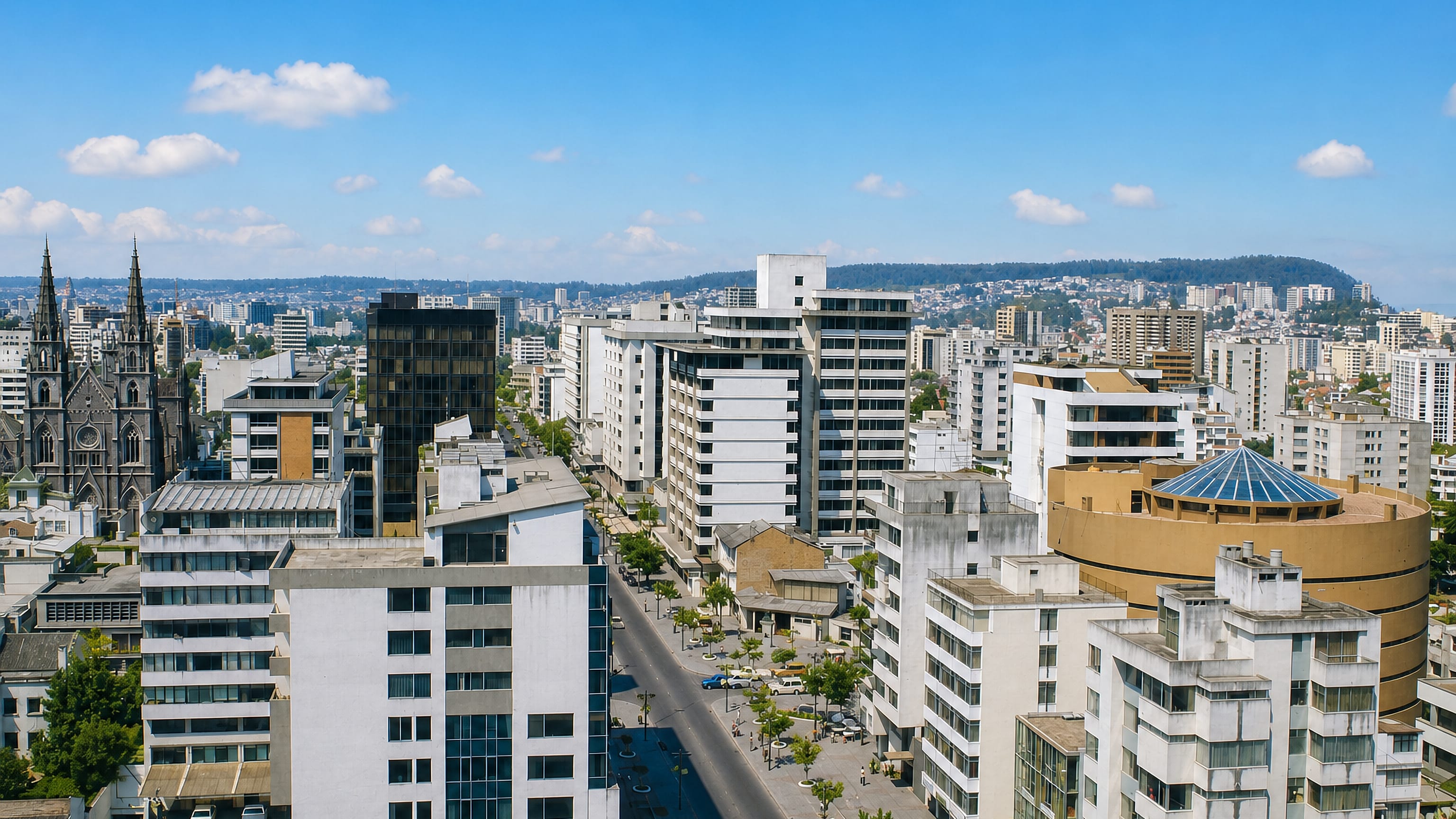
Mariscal Sucre, known to all as La Mariscal, is one of the 32 urban parishes of Quito and the parish that holds most of the city's hotels and nightlife.
Hotel links are affiliate links: booking through them may earn us a commission, at no extra cost to you. It never affects how places are ranked. How this works


Where to stay in La Mariscal
Where the beds are, and what that means for the visit.
This is where the beds are. La Mariscal concentrates more hotels and hostels, more restaurants and cafés, and more souvenir, clothing and craft shops than anywhere else in Quito, which is why it is the most touristed part of the capital. Nights are loud.
Discotheques, bars and pubs cluster here in numbers, so a room on one of the interior streets is a different proposition from one on the edge. Four avenues box it in. Francisco de Orellana runs along the north, 10 de Agosto the west, 12 de Octubre the east and Patria the south.
Things to do in and around Quito
Ranked by global recognition; descriptions from Wikidata (CC0).
Museums & Galleries
3- National Museum of Ecuador
- Gustavo Orcés V. Natural History Museum
- Abya Yala
Churches & Religious Sites
2- Church of Santa Teresita
- Church of Santa Clara de San Millán
Castles & Historic Sites
1- Puerta de La Circasiana
Stadiums & Sports
1- Coliseo General Rumiñahui
Landmarks & Notable Places
3- Casa Speck
- Fish Residence
- Hotel Húngaro
worth knowingacross 5 categories in and around Quito
About La Mariscal
What are the main landmarks in La Mariscal?
Streets are the way people navigate here. Amazonas and 6 de Diciembre run north to south with calle 9 de Octubre between them, and Cristóbal Colón crosses east to west with Ignacio de Veintimilla, Luis Cordero, Jerónimo Carrión and Jorge Washington. A lake once ended somewhere inside it.
The southern limit of the laguna de Iñaquito is thought to have lain in this parish, and the parish of Iñaquito to the north still carries its name. Neighbours ring it on four sides. Iñaquito lies north, Belisario Quevedo northwest, San Juan southeast and Itchimbía south and east.
What is the history of La Mariscal?
Meltwater made a lake here first. The laguna de Iñaquito formed from the Pichincha stratovolcano thawing after the last ice age, and its southern edge is believed to have reached into what is now La Mariscal. Spanish arrival ended it.
The lake disappeared once they reached the city and ordered it drained so the ground could be used as common land. Farmland came next. The parish went from rural land to an exclusive quarter, which is the phase the wide streets and the avenue names belong to.
Commerce followed the houses. Shops appeared among the residences and by the 1960s and 1970s the balance had tipped, leaving the modern parish given over to hotels, restaurants and nightlife rather than to living.
Where is La Mariscal?
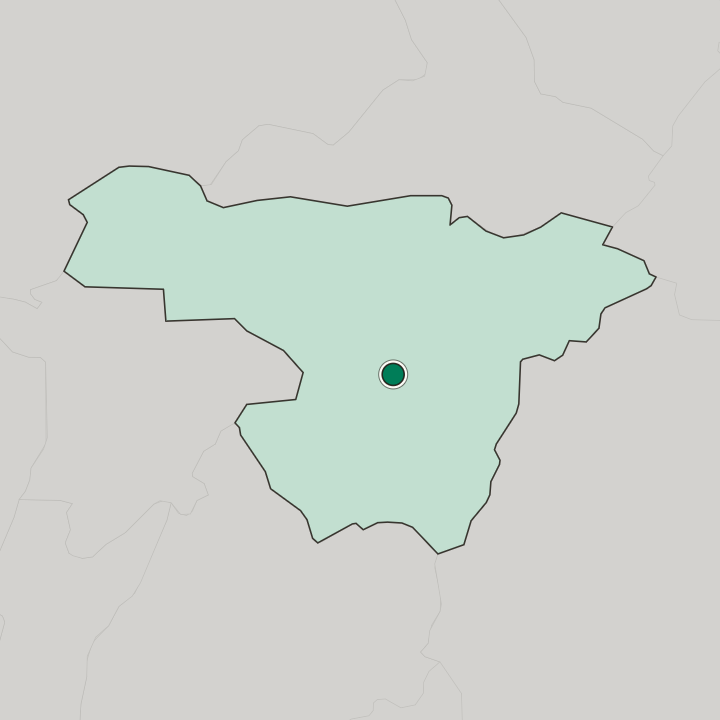
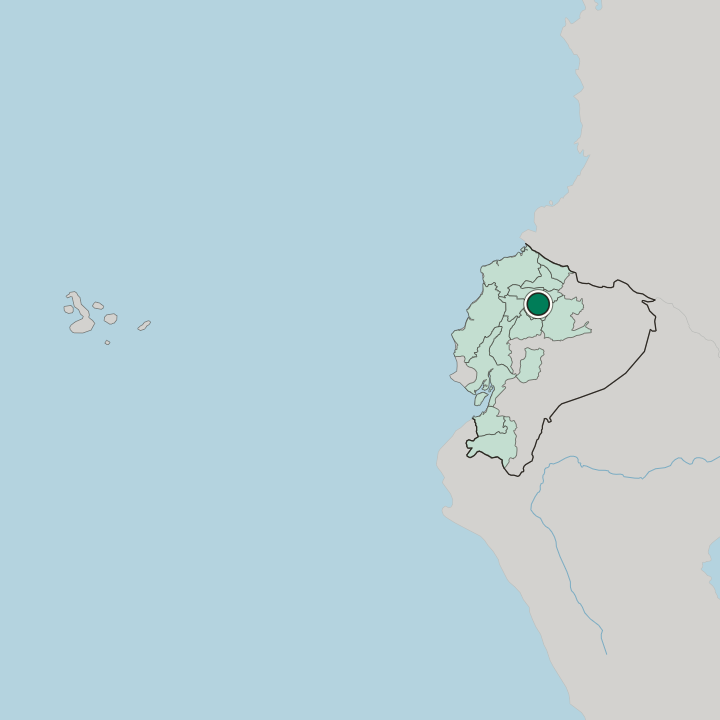
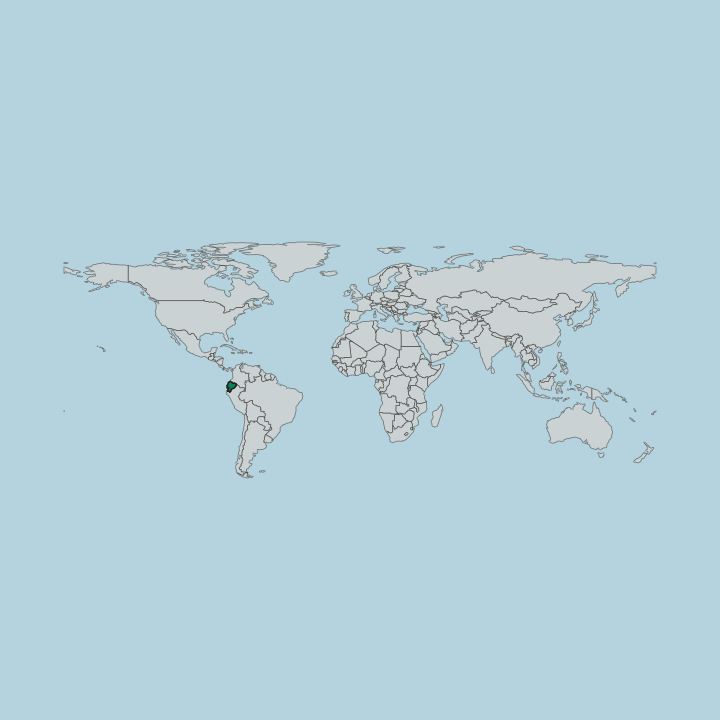
La Mariscal lies in the centre-north of Quito bounded by the avenida Francisco de Orellana on the north, the avenida 10 de Agosto on the west, the avenida 12 de Octubre on the east and the avenida Patria on the south, with Iñaquito, Belisario Quevedo, San Juan and Itchimbía around it.
Good for
More areas in Quito
Updated October 2026