Ecuador · Provincia de Pichincha · Quito
Chimbacalle, Quito — Area Guide & Where to Stay
Chimbacalle is a parish of south Quito, where the railway reached the capital: the first train ran into the Estación de Tren de Chimbacalle in 1908.
Hotel links are affiliate links: booking through them may earn us a commission, at no extra cost to you. It never affects how places are ranked. How this works


Where to stay in Chimbacalle
How the choice of base plays out on the ground.
Avenida Pedro Vicente Maldonado is the spine. It runs the length of the parish, and the Chimbacalle trolleybus stop sits on it at the Tababela junction, opened in 1995 under a steam-locomotive emblem. From that stop the Estación de Tren de Chimbacalle is a few hundred metres off, the Museo Interactivo de Ciencias fills the old La Industrial cotton mill in the same parish, and the Teatro México is over in the Ciudadela México.
Avenida Napo, Avenida 1 de Mayo and Avenida El Corazón carry the rest of the local traffic, so a bed here is judged by which of those it sits on. Guests set on colonial Quito ride the trolleybus north instead of booking in Chimbacalle.
Find hotels in Chimbacalle
Direct booking searches for these neighbourhoods.
Along Avenida Pedro Vicente Maldonado
The trolleybus runs the avenue and stops at Tababela, a few hundred metres from the Estación de Tren de Chimbacalle and within reach of the Museo Interactivo de Ciencias.Find hotels in Along Avenida Pedro Vicente MaldonadoEvenings at the Teatro MéxicoCiudadela México
The 1941 ciudadela is residential rather than hotel ground, but it puts the Teatro México at Tomebamba y Antisana on the doorstep. Rooms are few around here — worth securing early.Find hotels in Ciudadela MéxicoHotel links are affiliate links: booking through them may earn us a commission, at no extra cost to you. It never affects how places are ranked. How this works
About Chimbacalle
What are the main landmarks in Chimbacalle?
Chimbacalle station dates from 1908. The Estación de Tren de Chimbacalle was the Quito terminus of the Ferrocarril Transandino del Ecuador, the 452-kilometre line up from Guayaquil that was begun in 1872 and carried over a summit above 3,600 metres; the building is now a heritage site reopened to the public. A second door opens in the Ciudadela México, where the Teatro México was rebuilt from the old Cine México at Tomebamba y Antisana and reopened in June 2008.
Third comes the Museo Interactivo de Ciencias, installed in the sheds of the La Industrial cotton spinning and weaving mill, and the Chimbacalle trolleybus stop links all three to the rest of the city.
What is the history of Chimbacalle?
Chiriyacu means cold water in quichua. The parish name itself joins the quichua chimba, the side opposite, to the Spanish calle, and an older form, Pillcokancha, is recorded for the same ground. Everything after that dates from the railway: the first steam train into Quito arrived on 25 June 1908, and mills, textile works and repair yards followed the freight, pulling a working population into new blocks beside the tracks.
Ciudadela México was laid out in 1941 under mayor José Chiriboga on 34.5 hectares that had until then been called Textil, after the La Internacional, Pinto and Victoria factories. Ciudadela Pío XII went up in the 1960s on Banco Ecuatoriano de la Vivienda money, and Chiriyacu held the city's Camal Metropolitano from 1949 until 1996. The parish has its own song too, the pasacalle "Chimbacalle de mi vida", written by Marcial Salas Mancheno to music by Rodrigo Barreno and sung by the Dúo Benítez-Valencia.
Where is Chimbacalle?
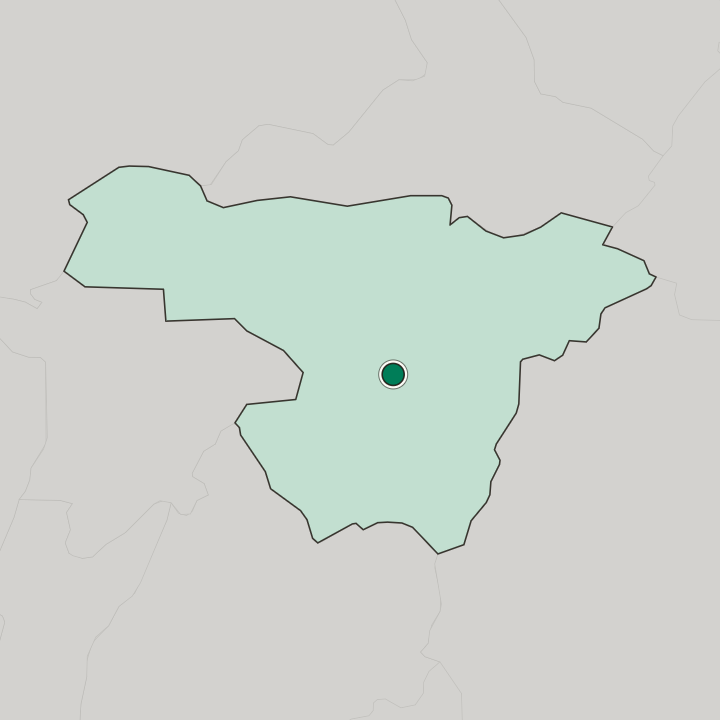
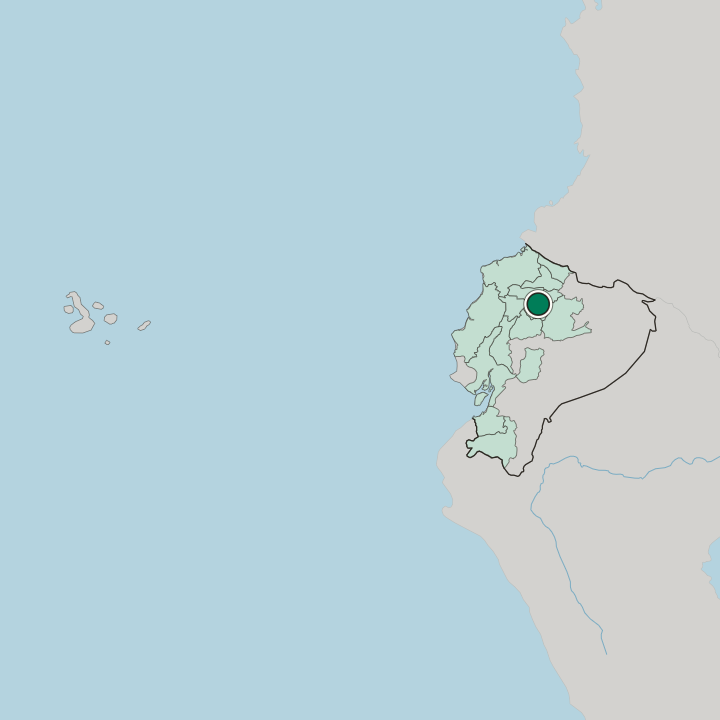
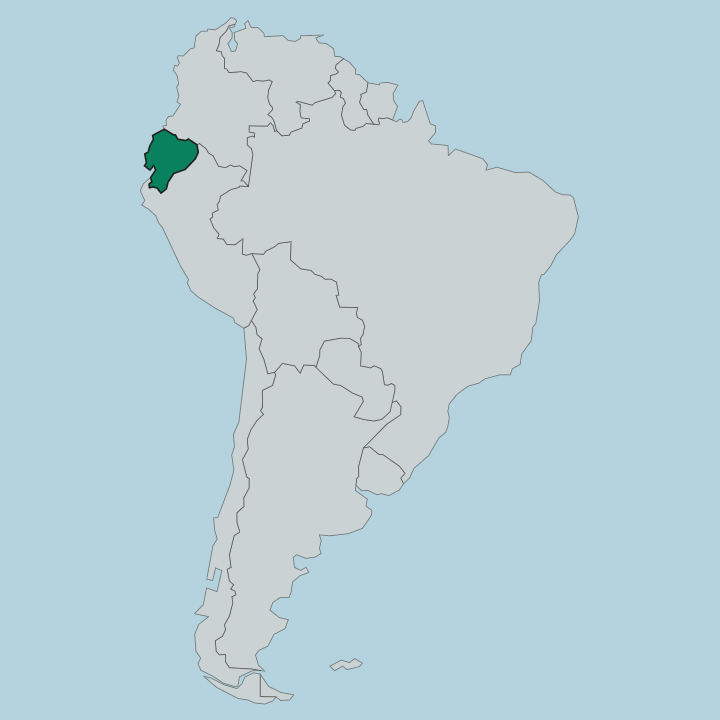
Chimbacalle lies in the centre-south of Quito, in Pichincha Province, Ecuador, inside the Eloy Alfaro zonal administration and crossed by the Río Machángara, with La Magdalena, San Bartolo and La Ferroviaria along its borders.
Common questions
What is the best area to stay in Chimbacalle?
Along Avenida Pedro Vicente Maldonado: Reaching the station, the museum and the rest of Quito by trolleybus. Ciudadela México: Evenings at the Teatro México.
More areas in Quito
Updated October 2026