Spain · Castilla-La Mancha
Where to Stay in Albacete, Castilla-La Mancha
Provincial capital in Castilla-La Mancha, Albacete built its name on clasp knives, its fair, and the covered Passage of Lodares.
Hotel links are affiliate links: booking through them may earn us a commission, at no extra cost to you. It never affects how places are ranked. How this works


Where to stay in Albacete
How the choice of base plays out on the ground.
The centre is compact and does the work. Rooms within a few streets of the Cathedral of San Juan de Albacete put the Passage of Lodares, the Posada del Rosario and the Museo Municipal de la Cuchillería de Albacete inside a single walk, which is the whole argument for staying there. Nothing is far apart.
It is also the part of the city that fills first, so anyone arriving for the Fair of Albacete should count on booking early rather than turning up and looking around. Out towards the fairground the calculation changes. Streets near the Molino de la Feria and the Estadio de Atletismo de Albacete sit away from the old core, and a room there trades the arcades for parking, quiet and a straightforward drive out of the city.
Buses cover the gap. Fair week reverses it entirely, when being close to the ground matters more than being close to the Cathedral. University streets are the third option.
The Pabellón Universitario de Albacete anchors a quarter of newer blocks where rooms tend to be plainer and easier to reach by car, and it suits visitors who want a base rather than a setting. Museums are the reason to walk back in. The Albacete Museum, the Museo Municipal de Albacete and the Museo Pedagógico y del Niño de Castilla-La Mancha all sit closer to the centre than to here.
Find hotels in Albacete
Direct booking searches for these neighbourhoods.
Around the Cathedral
Posada del Rosario and the Museo Municipal de la Cuchillería de Albacete are one walk awayFind hotels in Around the CathedralFair of Albacete week and arrivals by carThe fairground side
Molino de la Feria and the Estadio de Atletismo de Albacete set the tone on this edgeFind hotels in The fairground sidePlain rooms beside the Pabellón Universitario de AlbaceteThe university quarter
Newer blocks away from the Cathedral of San Juan de Albacete, and easy to park aroundFind hotels in The university quarterHotel links are affiliate links: booking through them may earn us a commission, at no extra cost to you. It never affects how places are ranked. How this works
Things to do in Albacete
Ranked by global recognition; descriptions from Wikidata (CC0).
Museums & Galleries
3- Albacete Museum Heritage
- Museo Municipal de la Cuchillería de Albacete
- Museo Municipal de Albacete
Churches & Religious Sites
3- Cathedral of San Juan de Albacete Heritage
- Monasterio de la Encarnación (Albacete) Heritage
- Church of la Asunción Heritage
Castles & Historic Sites
3- Passage of Lodares Heritage
- Fair of Albacete Heritage
- Posada del Rosario Heritage
Stadiums & Sports
2- Pabellón Universitario de Albacete
- Estadio de Atletismo de Albacete
Landmarks & Notable Places
1- Casa Julia Gómez Alfaro Heritage
worth knowingacross 5 categories in Albacete
About Albacete
Clasp knives made the name.
What is Albacete known for?
The trade is set out in the Museo Municipal de la Cuchillería de Albacete and stands on the street as the sculpture El Cuchillero, while the Fair of Albacete supplies the city's other reputation, with the Molino de la Feria and the Pincho de la Feria carrying its name in public. Steel and celebration, then. Add the Cathedral of San Juan de Albacete and the Passage of Lodares, and the short list of what most visitors come for is complete.
What are the main landmarks in Albacete?
The Passage of Lodares is the set piece. A covered passage cut through a city block, it stands close to the Cathedral of San Juan de Albacete and the Posada del Rosario, the old inn that survives among newer frontages. Knives get their own museum.
The Museo Municipal de la Cuchillería de Albacete tells that trade, El Cuchillero repeats it outdoors, and the Albacete Museum, the Museo Municipal de Albacete and the Museo Pedagógico y del Niño de Castilla-La Mancha divide the rest of the record between them.
What is the history of Albacete?
Trade came through here first. The Posada del Rosario survives as the kind of inn a market town needed, and the Fair of Albacete, still the fixed point of the city's calendar, belongs to that same old business of buying and selling. Churches marked the growth.
The Church of la Asunción, the iglesia de la Purísima Concepción, the Monasterio de la Encarnación and the Church of Nuestra Señora del Pilar spread the parish map outward, while the Cathedral of San Juan de Albacete took the centre. Steel is the trade that stuck. Clasp knives gave Albacete a name beyond Castilla-La Mancha, and the craft is held now in the Museo Municipal de la Cuchillería de Albacete, with El Cuchillero standing for it outdoors.
The province took the city's name too. Offices, schools and the Pabellón Universitario de Albacete followed that rank. Later work reshaped the streets, the Passage of Lodares cutting a covered line through one block and the Monumento a las Brigadas Internacionales joining the city's memorials, while the Albacete Museum and the Museo Pedagógico y del Niño de Castilla-La Mancha took on the job of holding the record.
The knives are still the shorthand.
Where is Albacete?
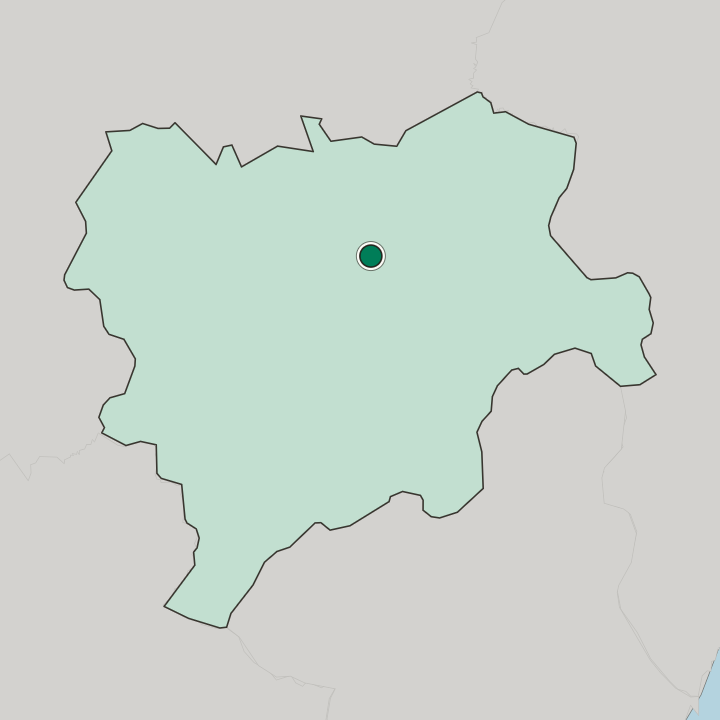
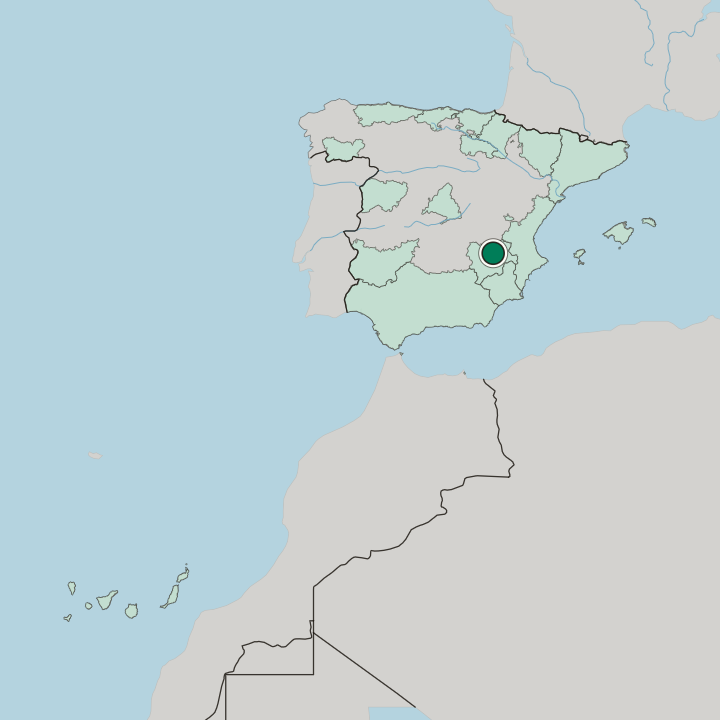
Castilla-La Mancha sets the frame. Albacete stands in the interior of that community as the capital of its own province, a city whose landmarks, the Cathedral of San Juan de Albacete, the Passage of Lodares, the Posada del Rosario, gather in one compact centre rather than string out along a shore or a valley. The municipality reaches well beyond it.
Farmland and scattered settlement fill the ground between the built-up streets and the district boundary, so the city and the municipality are two different sizes of the same name.
What is the climate of Albacete?
Albacete sits far from any sea. The city stands inland in Castilla-La Mancha within the temperate band, so the year swings wide between a hot stretch and a cold one, with open country around it giving the wind nothing much to break against. Plan your afternoons around shade.
The sheltered run of the Passage of Lodares and the deep streets around the Cathedral of San Juan de Albacete are the standard refuge on the hottest afternoons.
How do you get to Albacete?
Albacete is a crossing point. Roads and rail from across Castilla-La Mancha converge on the city, and its rank as the capital of the province means much of the traffic in this part of the community passes through rather than around it. Arrival lands close to the centre.
From there the Cathedral of San Juan de Albacete, the Passage of Lodares and the Museo Municipal de la Cuchillería de Albacete are all within a walk, with the Molino de la Feria the one destination worth a ride.
Common questions
What is the best area to stay in Albacete?
Around the Cathedral: Walkers who want the Passage of Lodares on the doorstep. The fairground side: Fair of Albacete week and arrivals by car. The university quarter: Plain rooms beside the Pabellón Universitario de Albacete.
Good for
More cities in Castilla-La Mancha
Updated October 2026