Spain · Castilla-La Mancha
Where to Stay in Toledo, Castilla-La Mancha
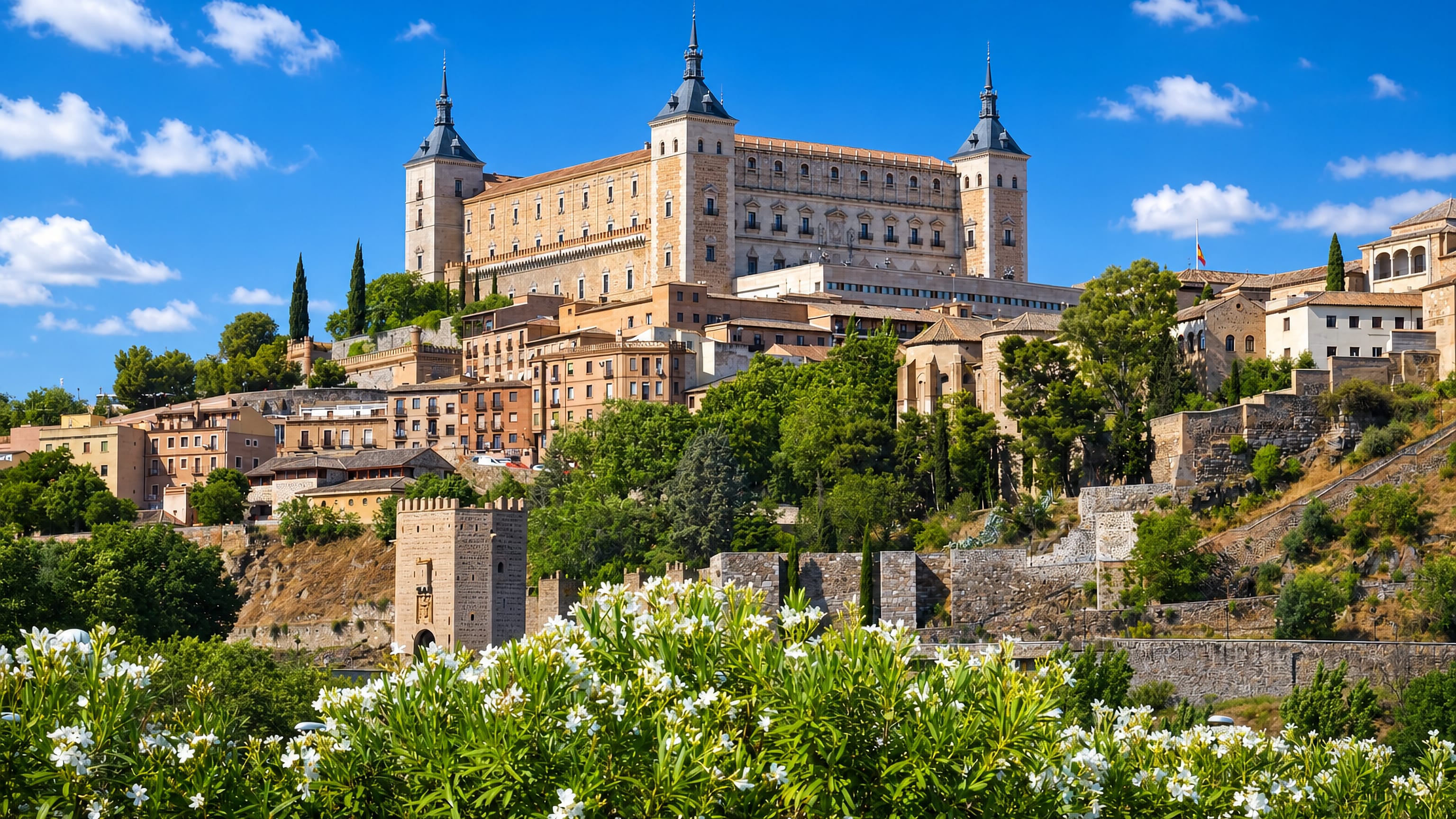
Toledo rises above the Tagus in Castilla-La Mancha, capital of its province and a UNESCO heritage site since 1986.
Hotel links are affiliate links: booking through them may earn us a commission, at no extra cost to you. It never affects how places are ranked. How this works


Where to stay in Toledo
Each area has its own feel; here's who each one suits.

 ToledoSpain
Jewish quarter of Toledo
The Jewish quarter of Toledo is the western district of the walled old town, where Jews lived through the Middle Ages without being confined to it.Where to stay →ToledoSpainSanta María de Benquerencia
Avenues named for Spanish rivers cross Santa María de Benquerencia, Toledo's third district, built east of the walled city on the left bank of the Tagus.Where to stay →Hotel links are affiliate links: booking through them may earn us a commission, at no extra cost to you. It never affects how places are ranked. How this works
Find hotels in Toledo
Direct booking searches for these neighbourhoods.
The old city
The lanes above the Tagus hold the Church of Santo Tomé, the Museo Sefardí and the Monasterio de San Juan de los Reyes within minutes of one another, and no car helps at all.Find hotels in The old cityDrivers who still want the Museum of Santa Cruz and the Army Museum on footMuseum of Santa Cruz approach
This approach keeps the Museum of Santa Cruz and the Army Museum walkable while leaving somewhere to put a vehicle that the old lanes never offer.Find hotels in Museum of Santa Cruz approachQuiet evenings beside the Monasterio de San Juan de los ReyesSan Juan de los Reyes end
The Monasterio de San Juan de los Reyes and the Baños de Tenerías set the tone at this end, where the streets empty earlier than they do beside the museums.Find hotels in San Juan de los Reyes endHotel links are affiliate links: booking through them may earn us a commission, at no extra cost to you. It never affects how places are ranked. How this works
Things to do in Toledo
Ranked by global recognition; descriptions from Wikidata (CC0).
Museums & Galleries
3- El Greco Museum
- Museum of Santa Cruz
- Army Museum
Churches & Religious Sites
8- Monasterio de San Juan de los Reyes Heritage
- Church of Santo Tomé Heritage
- Church of San Román Heritage
- Church of El Salvador Heritage
- Church of St James, Toledo Heritage
Show 3 more →
- Church of Santa Leocadia, Toledo Heritage
- Iglesia de San Vicente, Toledo Heritage
- Iglesia de los Santos Justo y Pastor, Toledo Heritage
Castles & Historic Sites
6- Castillo de San Servando Heritage
- Ancient Roman circus of Toletum Heritage
- Cerro del Bu Heritage
- Monasterio de Santo Domingo el Real Heritage
- Baños de Tenerías Heritage
Show 1 more →
- Convento de la Madre de Dios, Toledo Heritage
Landmarks & Notable Places
2- The Templar House, Toledo Heritage
- Palacio de Benacazón
worth knowingacross 4 categories in Toledo
About Toledo
Three traditions built this hill.
What is Toledo known for?
The Museo Sefardí keeps the Jewish record, the Monasterio de San Juan de los Reyes and the Church of Santo Tomé carry the Christian one, and the Taller del Moro Museum and the Baños de Tenerías hold what the Islamic centuries left in the fabric. UNESCO listed the lot in 1986. The El Greco Museum and the Museum of Santa Cruz take most of the indoor hours, while the Army Museum and the Ancient Roman circus of Toletum pull a visit into two entirely different registers.
What are the main landmarks in Toledo?
The Monasterio de San Juan de los Reyes is the set piece. Church of San Román, Church of Santo Tomé, Iglesia de San Bartolomé and the Iglesia de los Santos Justo y Pastor thread parish work through the old city, while the Museo Sefardí and the Taller del Moro Museum hold what the Jewish and Islamic centuries built. Toletum survives too.
The Ancient Roman circus of Toletum keeps the Roman name in use, the Cerro del Bu is a hill rather than a monument, and the Castillo de San Servando answers the museums with military stone.
What is the history of Toledo?
Toletum came first. The Ancient Roman circus of Toletum is the surviving trace of the Roman city that gave the place its earlier name, and nothing in the record fixes a founding year for whatever stood on the hill before it. Layers replaced layers.
The Museo Sefardí, the Baños de Tenerías and the Taller del Moro Museum each hold a piece of the city that existed between the Roman circus and the churches. Christian building then took the hill. The Monasterio de San Juan de los Reyes, the Church of San Román, the Church of Santo Tomé and the Church of Santa Leocadia belong to that programme at its most ambitious, and the Iglesia de San Bartolomé, the Iglesia de San Vicente and the Church of San Lorenzo repeat it at parish scale.
The Templar House names an order. Monasterio de Santo Domingo el Real and the Convento de la Madre de Dios put enclosed communities inside the same walls, the Palacio de Benacazón stands for the secular families, and the Castillo de San Servando is the one piece of military architecture in the company. Museums came later than churches.
The Museum of Santa Cruz, the El Greco Museum and the Army Museum gather what the earlier centuries produced, and UNESCO recognised the whole assembly in 1986.
Where is Toledo?
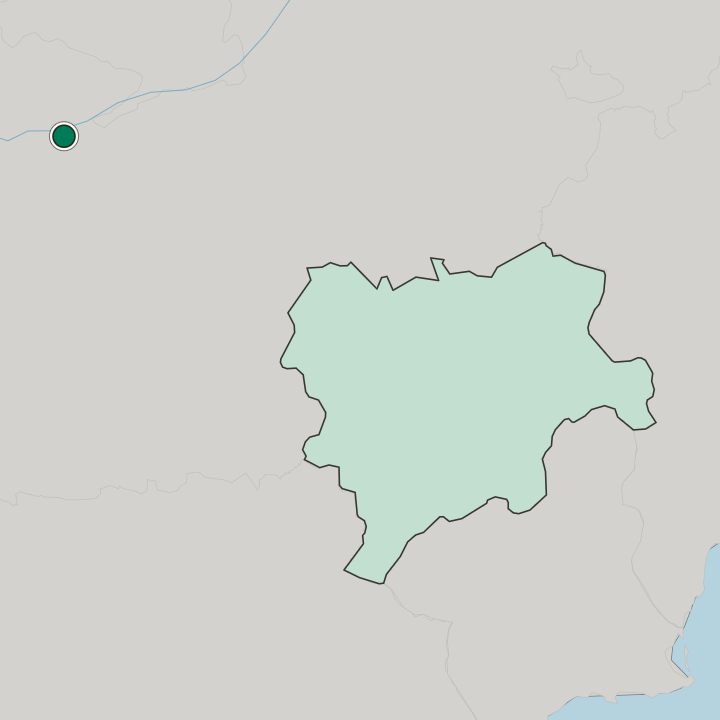
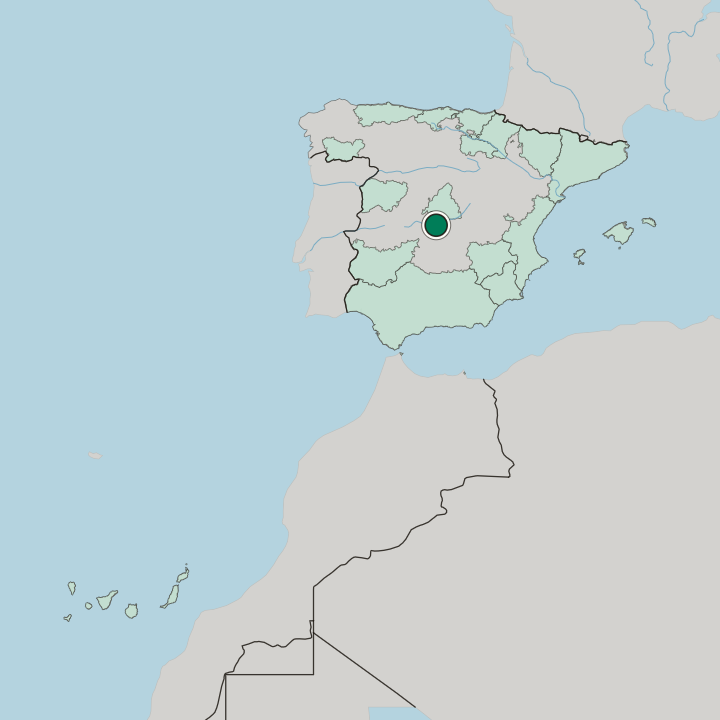
The Tagus does the shaping. Toledo occupies high ground above the river, and the municipality it governs runs to about 232 square kilometres, most of that country rather than street. The Cerro del Bu is one of its hills.
Past the last houses the province of Toledo opens out into Castilla-La Mancha, and the fall from the old city down to the water stays the sharpest line in view.
What is the climate of Toledo?
The sea is far away. Toledo stands on high ground above the Tagus, well inside Castilla-La Mancha, and that interior position widens the gap between a summer afternoon and a winter night far beyond what the temperate band alone would imply. The river changes little.
Stone in the old city gives the day's heat back slowly, and the rest of the province of Toledo runs to the same seasonal extremes.
How do you get to Toledo?
Madrid is half an hour away by train. That single connection defines the approach, because a service that quick turns Toledo into a day-trip for a large share of the people who come, and it leaves the climb into the old city as the only strenuous part of the journey. The last leg is uphill.
Drivers reach the Museum of Santa Cruz side far more easily than the lanes around the Church of Santo Tomé. Everything after that is on foot.
Common questions
What is the best area to stay in Toledo?
The old city: Anyone whose list starts with the Church of Santo Tomé and the Museo Sefardí. Museum of Santa Cruz approach: Drivers who still want the Museum of Santa Cruz and the Army Museum on foot. San Juan de los Reyes end: Quiet evenings beside the Monasterio de San Juan de los Reyes.
Good for
More cities in Castilla-La Mancha
Updated October 2026