Spain
Castilla-La Mancha, Spain — Towns & Travel Guide
Castilla-La Mancha is Spain's wide central plateau of windmills, vineyards and walled Toledo, south of Madrid.
Hotel links are affiliate links: booking through them may earn us a commission, at no extra cost to you. It never affects how places are ranked. How this works


Towns & cities in Castilla-La Mancha
Pick a town or city — each links to where to stay.

 Spain
Spain
Albacete
Provincial capital in Castilla-La Mancha, Albacete built its name on clasp knives, its fair, and the covered Passage of Lodares.Where to stay →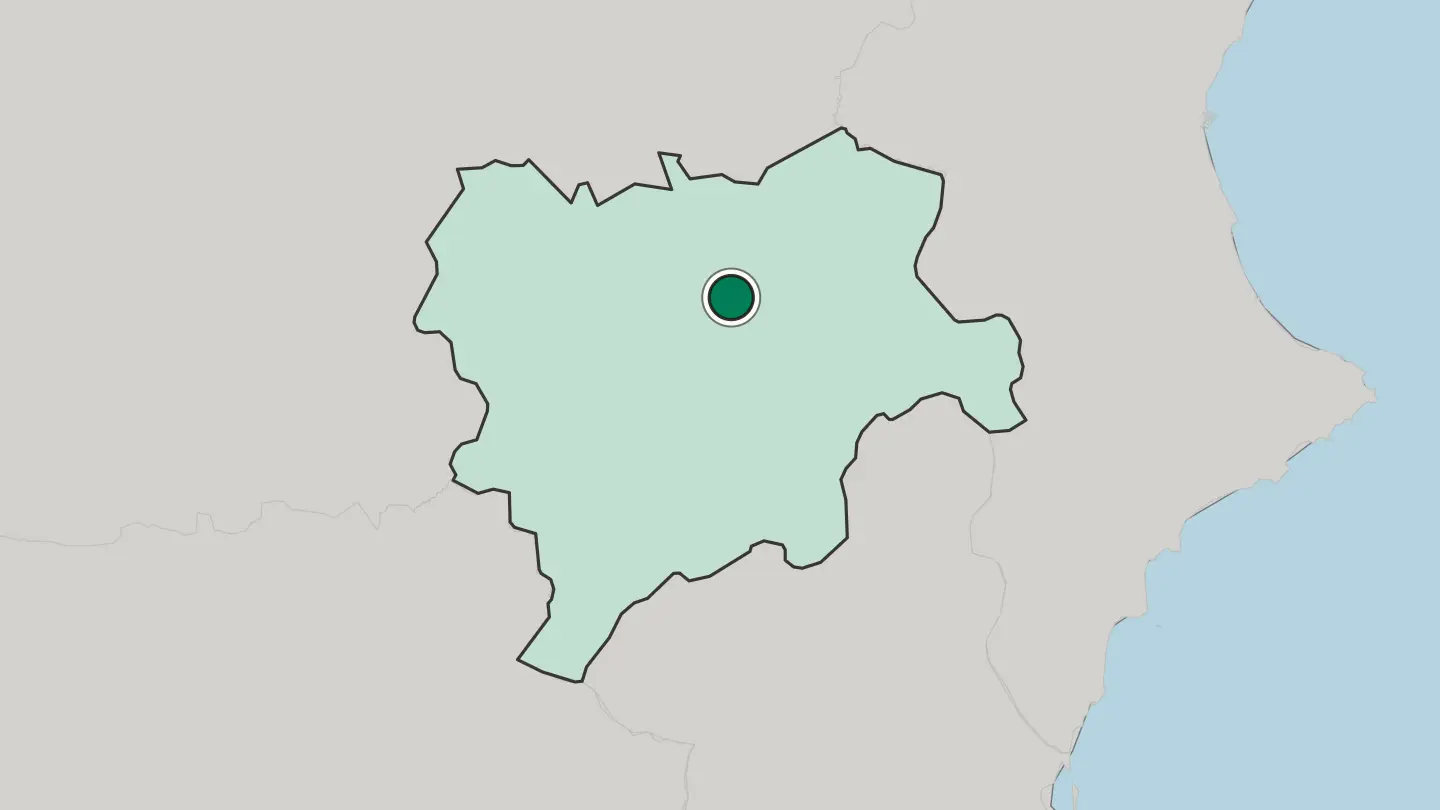
 Spain
Spain
Guadalajara
Capital of its province in Castilla-La Mancha, Guadalajara keeps the Palace of Infantado, the Tower of Álvar Fáñez and the Torreón del Alamín.Where to stay →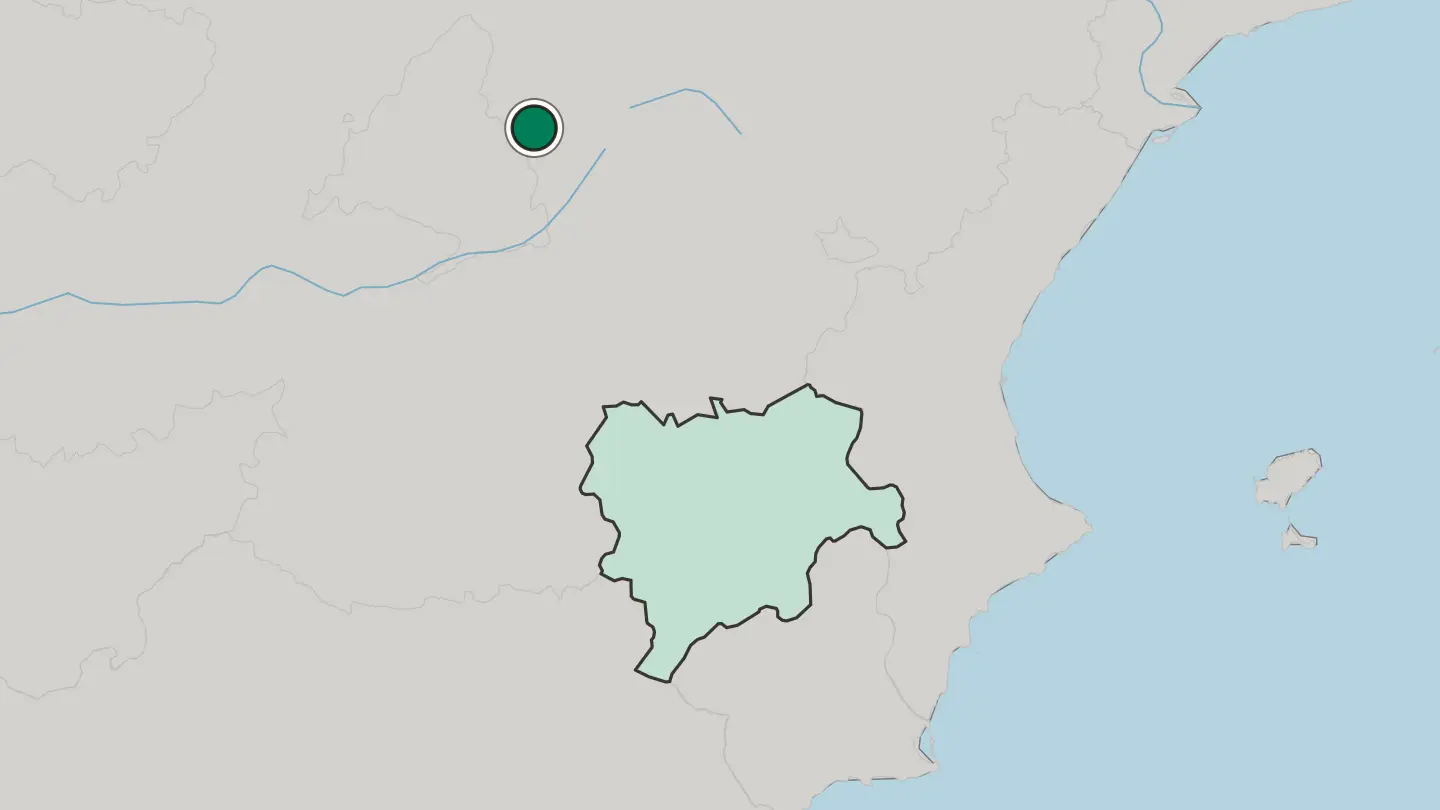
 Spain
Spain
Talavera de la Reina
Talavera de la Reina is a ceramics city in the province of Toledo, Castilla-La Mancha, gathered around the Basílica de la Virgen del Prado.Where to stay →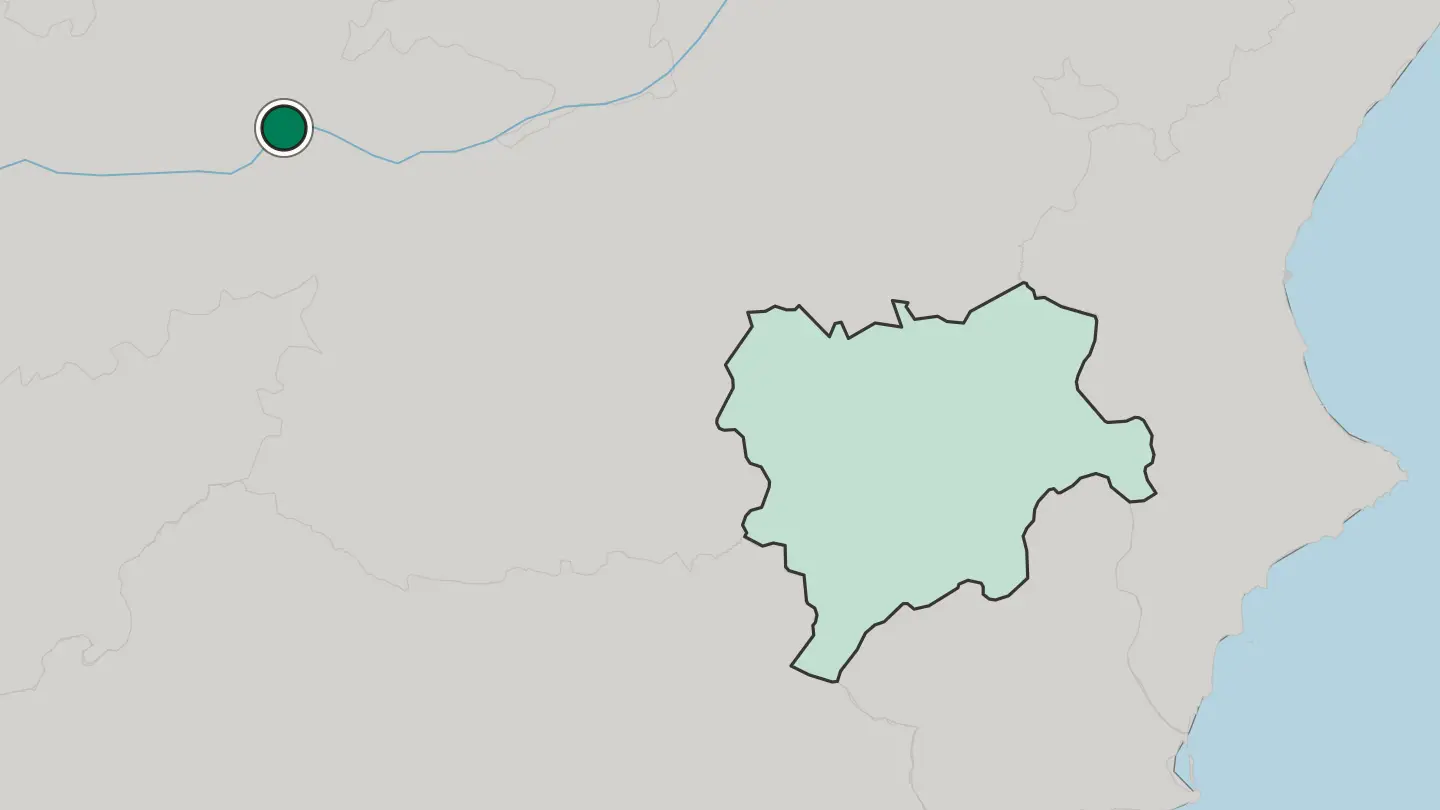
 Spain
Spain
Toledo
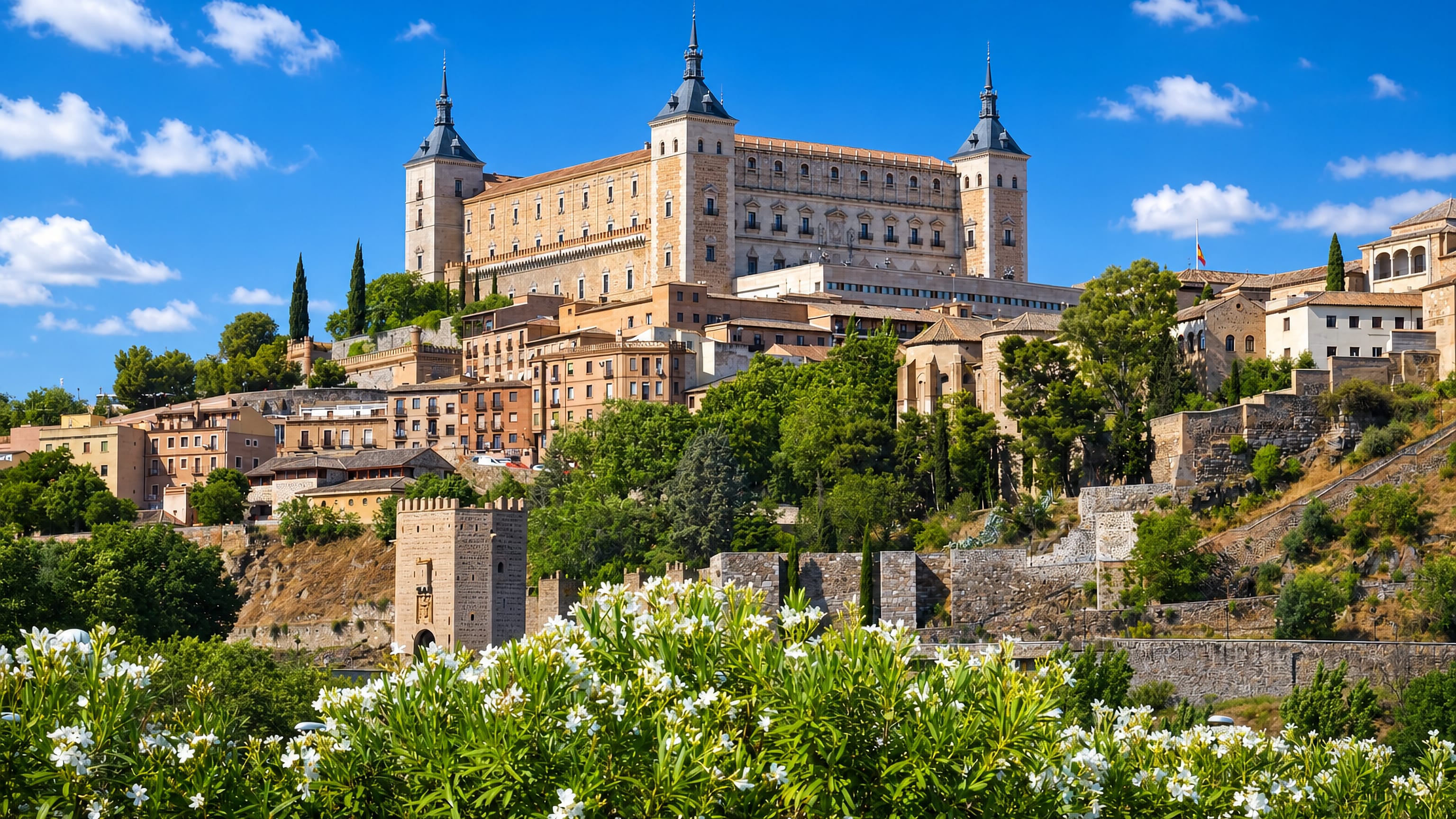
Toledo rises above the Tagus in Castilla-La Mancha, capital of its province and a UNESCO heritage site since 1986.Where to stay →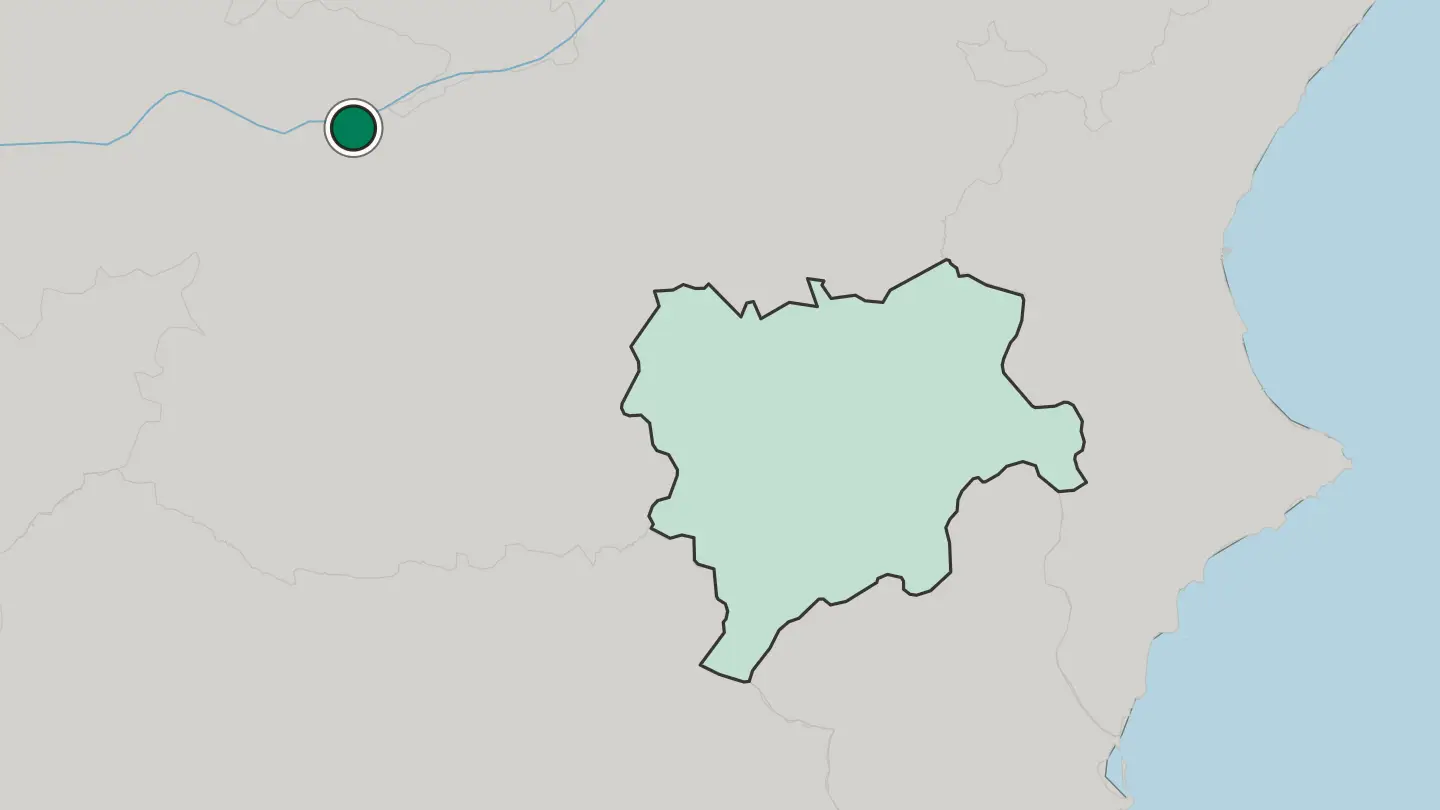
 Spain
Spain
Ciudad Real
Capital of its province in Castilla-La Mancha, Ciudad Real stands on the plains Cervantes gave to Don Quixote and his windmills.Where to stay →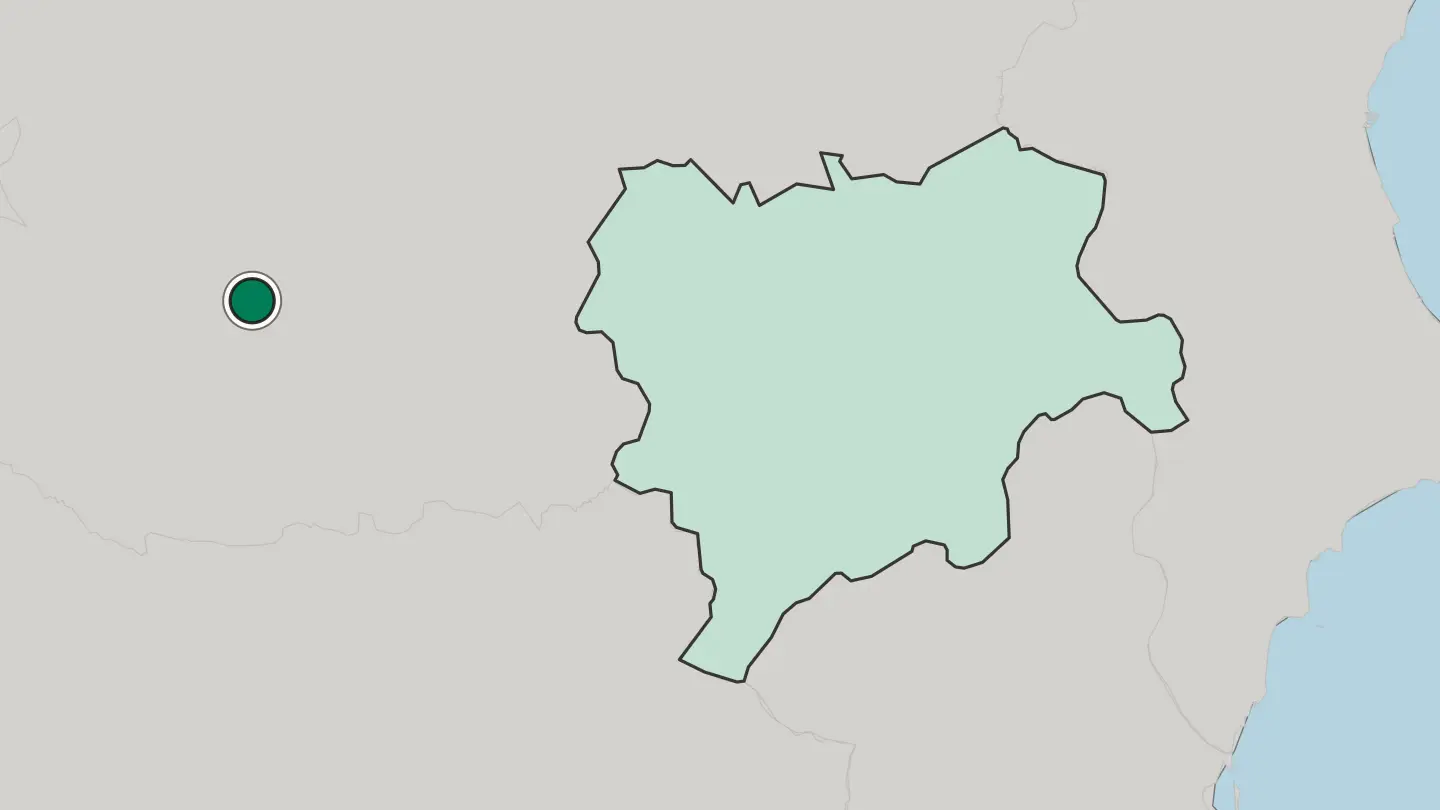
 Spain
Spain
Cuenca
A medieval old town on the cliffs: Cuenca hangs its casas colgadas over the edge, a UNESCO World Heritage site in Castilla-La Mancha.Where to stay →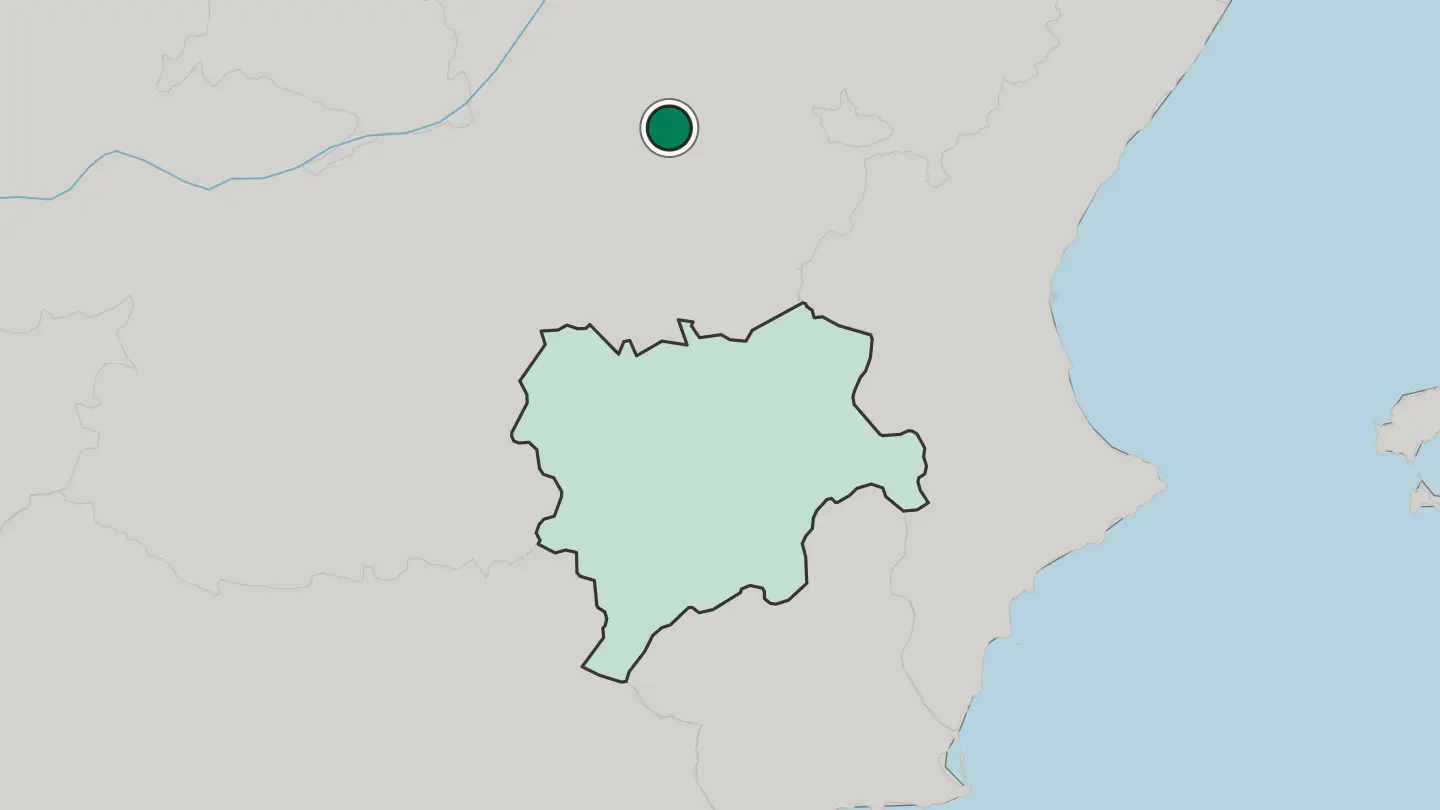
 Spain
Spain
Puertollano
An industrial town in the province of Ciudad Real, Puertollano keeps its mining past in a museum and sits on the Madrid-Seville high-speed line.Where to stay →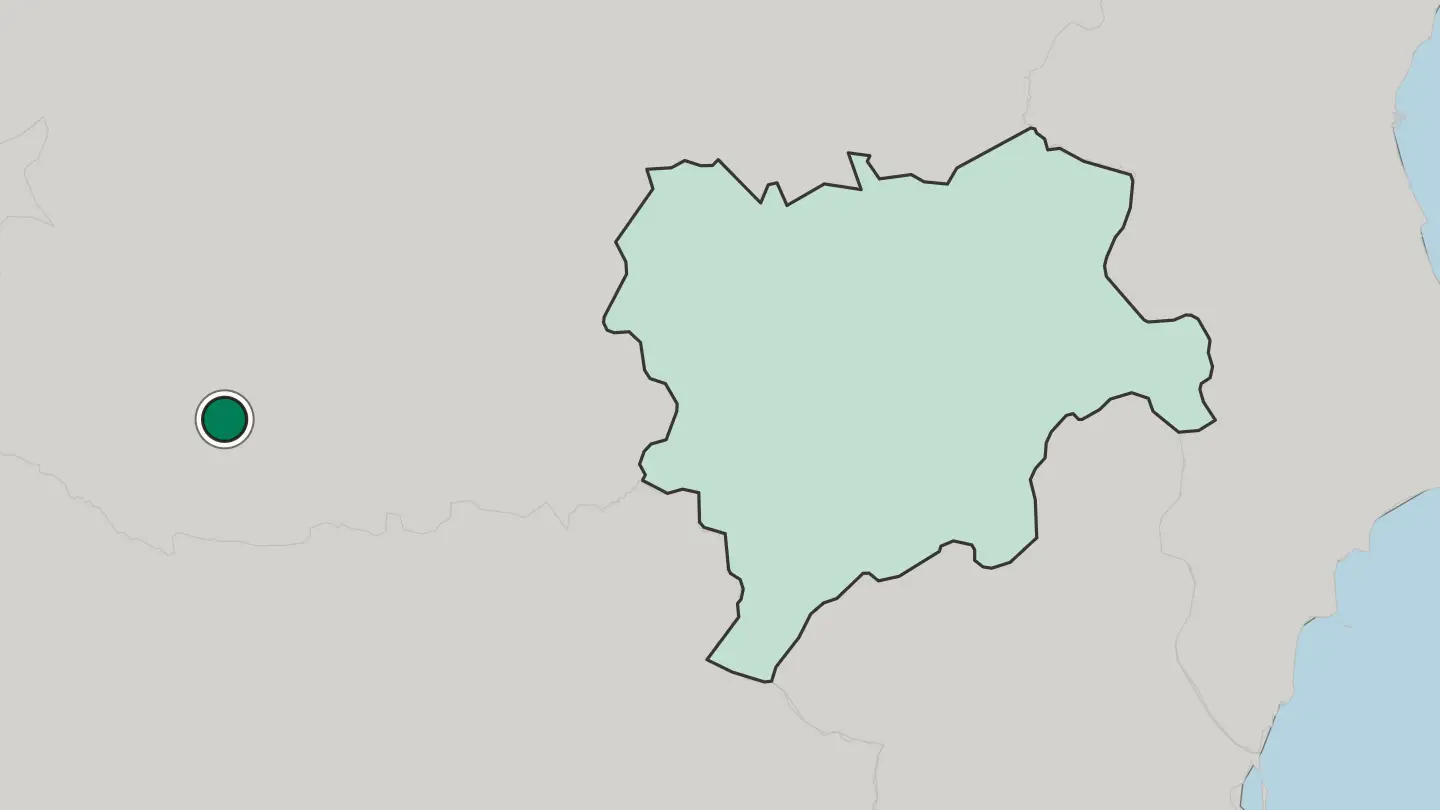
Hotel links are affiliate links: booking through them may earn us a commission, at no extra cost to you. It never affects how places are ranked. How this works
About Castilla-La Mancha
This is Don Quixote country.
What is Castilla-La Mancha known for?
The white windmills that Cervantes turned into giants still line the Cerro Calderico ridge above Consuegra, watching over an ocean of vines. Castilla-La Mancha holds the largest single stretch of vineyard on earth, and its manchega sheep give the aged Manchego cheese that carries the region's name. Toledo, the walled capital on its rock above the Tagus, anchors the whole plateau.
Saffron, threaded by hand from autumn crocus fields, is the other harvest here.
Where is Castilla-La Mancha?
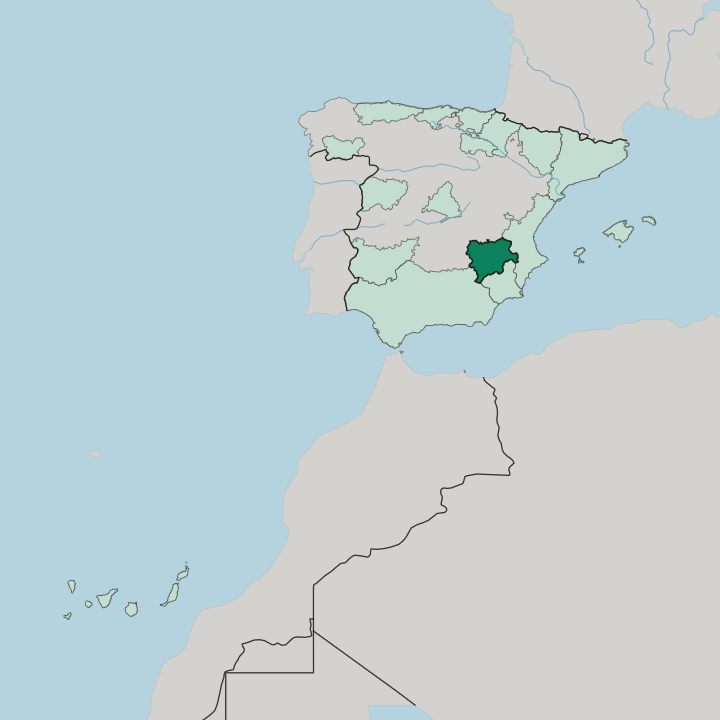
Castilla-La Mancha fills the middle of Spain, wrapped around Madrid on three sides and covering the southern half of the great inland plateau, the Meseta. It is the third largest of Spain's regions and among its emptiest. Five provinces make it up: Toledo and Ciudad Real to the west, Cuenca and Guadalajara to the north-east, and Albacete reaching down toward the Mediterranean provinces.
The land is high, dry and flat. La Mancha, the plateau at its core, is a vast level plain whose Arabic-rooted name points at exactly that parched openness. Mountains hem the edges rather than break the middle.
The Sistema Iberico rises in the north-east above Cuenca, and the long wall of the Sierra Morena marks the region's southern boundary with Andalusia. Two great rivers cross the plateau on their way to the Atlantic. The Tagus runs past Toledo through the west, and the Guadiana threads the plains of Ciudad Real, its springs and wetlands feeding the Tablas de Daimiel.
Castile and Leon lies north, Extremadura west, Valencia and Murcia east and south-east. Water is scarce, distances are long, and the horizon rarely rises.
What is Castilla-La Mancha like?
One book shaped it. Cervantes set Don Quixote loose across these plains, and the delusional knight tilting at Consuegra's windmills became the world's shorthand for La Mancha. That literary weight sits on top of a much older layering of peoples.
Toledo was the seat of the Visigoths and then a meeting ground of Christian, Muslim and Jewish scholars, whose translators carried Arabic learning into medieval Europe, and its old town still keeps cathedral, mosque and synagogue within the same walls. The table tells the same story of a hard, generous land. Manchego cheese comes from the milk of manchega sheep grazed on the dry plain.
Saffron is picked crocus by crocus each autumn, and the wine flows from the largest vineyard on the planet. Pottery from Talavera de la Reina glazes the region in blue and yellow. Life clusters in small towns and long main squares rather than sprawling cities.
Festivals mark the farming year, and the plateau's own regional day falls on the last day of May. It is a spare, deep-rooted culture, closer to the soil than to the coast.
What is the history of Castilla-La Mancha?
Toledo is the thread running through it. The city fell to the Christian kings in 1085, and the long, brutal frontier war for the plateau south of the Tagus dragged on until the victory at Las Navas de Tolosa in 1212 finally secured it for Castile. From that conquest grew New Castile, the southern reach of the old kingdom.
The modern autonomous community is much younger, drawn up in 1982 from five provinces and given its unwieldy double name. Old kingdom, new region.
What is the climate of Castilla-La Mancha?
The plateau bakes and freezes by turns. Cut off from the sea and lifted high on the Meseta, Castilla-La Mancha runs to a continental Mediterranean pattern of scorching, bone-dry summers and cold, sharp winters. Rain is scarce across most of the plain.
The vines and the saffron crocus are built for that thirst, and the light on the open land is famously hard and clear. Spring and autumn are the kind seasons.
How do you get to Castilla-La Mancha?
Most travellers come out from Madrid. The capital sits just north of the region, and its airport is the natural way in for the whole plateau. High-speed trains put Toledo barely half an hour from Madrid, and the same fast line runs on south through Ciudad Real toward Andalusia.
Cuenca and Albacete sit on their own high-speed routes east toward Valencia. Off the rail lines, a car is the way to reach the windmill towns and the vineyards spread across the plain.
Common questions
What is the best area to stay in Castilla-La Mancha?
Toledo: the historic heart of the plateau. Cuenca: cliff-edge hanging houses. Consuegra: the Don Quixote windmill ridge. Albacete: the region's rail and road pivot.
Good for
More regions in Spain
Updated September 2026