Spain · Castilla-La Mancha
Where to Stay in Talavera de la Reina, Castilla-La Mancha
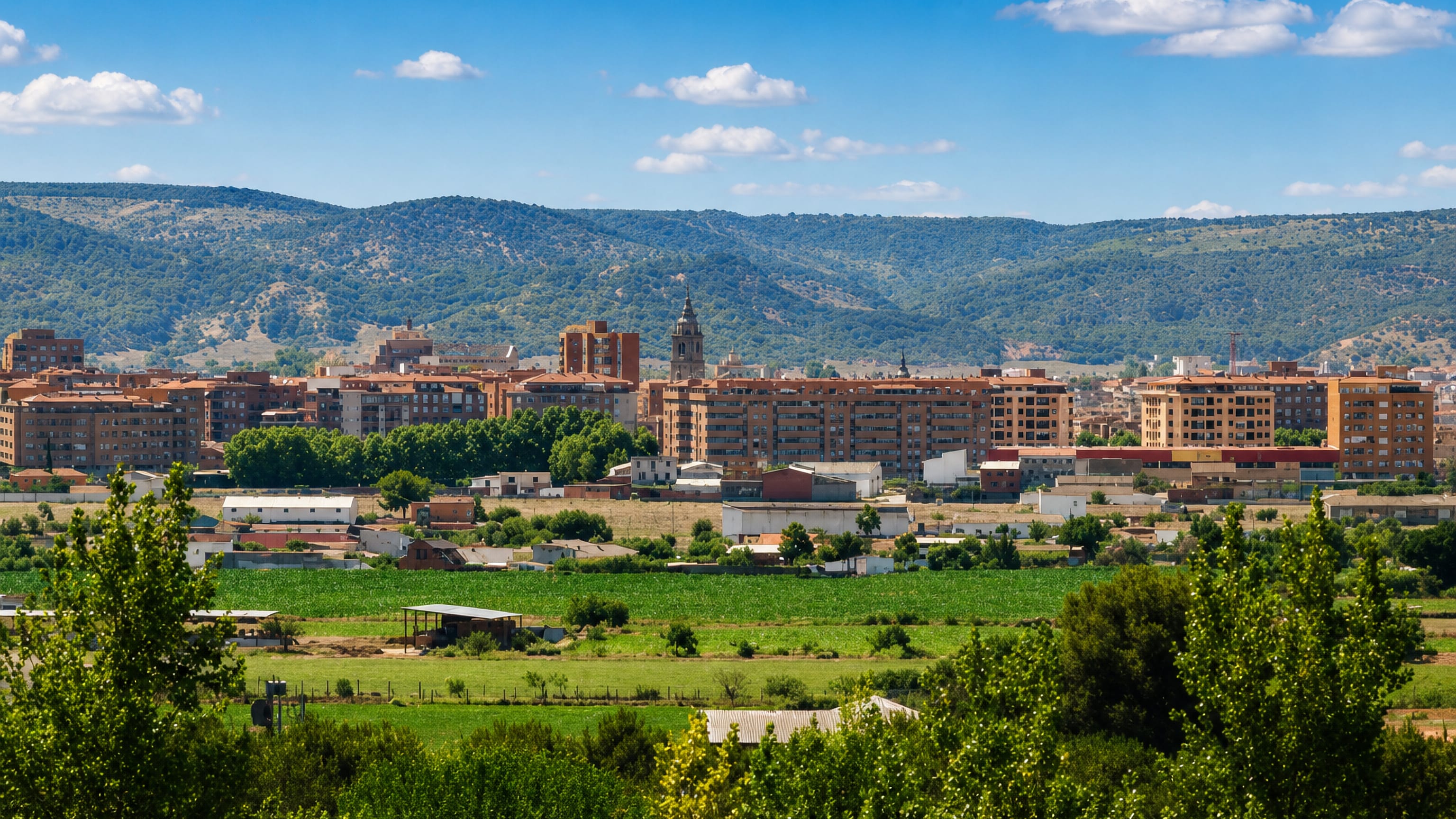
Talavera de la Reina is a ceramics city in the province of Toledo, Castilla-La Mancha, gathered around the Basílica de la Virgen del Prado.
Hotel links are affiliate links: booking through them may earn us a commission, at no extra cost to you. It never affects how places are ranked. How this works


Where to stay in Talavera de la Reina
Where the beds are, and what that means for the visit.
The wall line still sorts the city. Inside the Walls of Talavera de la Reina the streets are the oldest and the tightest, and a room there puts Church of Santa María la Mayor, Church of El Salvador and the casa-palacio de la calle del Sol within a few minutes on foot, which is the whole point for anyone who came for the built city. Cars struggle there.
Drivers do better on the avenues outside the old circuit, where the walk in runs to ten minutes and unloading a boot is not a negotiation with a doorway. The Basílica de la Virgen del Prado gives the second option its centre. Rooms on that side trade the medieval grain for space and quiet, with the Monumento a la Batalla de Talavera standing nearby and an easier approach for anyone arriving off the road.
A third choice exists. The blocks near the Museo de Cerámica Ruiz de Luna suit visitors whose subject is the pottery rather than the altarpieces, and the Hospedería de la Orden de Santiago and Church of Santiago el Nuevo fall inside the same short walk. Talavera de la Reina is not a large city, and the distance between these three choices is small enough that the decision comes down to noise and parking rather than to being cut off from anything.
Iglesia de San Francisco sits between them.
Find hotels in Talavera de la Reina
Direct booking searches for these neighbourhoods.
Inside the Walls
The surviving stretches of the Walls of Talavera de la Reina ring the oldest streets, so Church of El Salvador and the casa-palacio de la calle del Sol are both a few minutes from a bed there.Find hotels in Inside the WallsArrivals who put the Basílica de la Virgen del Prado ahead of the old streetsBasílica de la Virgen del Prado
Beds on this side sit closest to the basilica and the Monumento a la Batalla de Talavera, on open ground that a car can actually reach.Find hotels in Basílica de la Virgen del PradoVisitors here for Talavera pottery rather than for its altarpiecesRuiz de Luna museum quarter
The Museo de Cerámica Ruiz de Luna sets the subject of this part of the city, with the Hospedería de la Orden de Santiago and Church of Santiago el Nuevo inside the same walk.Find hotels in Ruiz de Luna museum quarterHotel links are affiliate links: booking through them may earn us a commission, at no extra cost to you. It never affects how places are ranked. How this works
Things to do in Talavera de la Reina
Ranked by global recognition; descriptions from Wikidata (CC0).
Churches & Religious Sites
5- Basílica de la Virgen del Prado Heritage
- Church of Santa María la Mayor Heritage
- Church of El Salvador, Talavera de la Reina Heritage
- Church of Santiago el Nuevo, Talavera de la Reina Heritage
- Iglesia de San Francisco Heritage
Castles & Historic Sites
4- Walls of Talavera de la Reina Heritage
- Convento de la Encarnación de las Madres Bernardas Heritage
- Monastery of Santa Catalina Heritage
- Hospedería de la Orden de Santiago Heritage
Landmarks & Notable Places
1- casa-palacio de la calle del Sol Heritage
worth knowingacross 3 categories in Talavera de la Reina
About Talavera de la Reina
Ceramics carry the name.
What is Talavera de la Reina known for?
The Museo de Cerámica Ruiz de Luna keeps the record of the pottery trade that carried Talavera de la Reina beyond the province of Toledo and turned the city's name into a shorthand for a kind of glazed ware. Sacred architecture fills out the rest. Church of Santa María la Mayor, Church of El Salvador, Iglesia de San Francisco and Church of Santiago el Nuevo each hold their own quarter of the old city, while the Monumento a la Batalla de Talavera stands for the battle that took the city's name.
The Basílica de la Virgen del Prado outranks them all.
What are the main landmarks in Talavera de la Reina?
The Basílica de la Virgen del Prado is the first name on any list. Church of Santa María la Mayor, Church of El Salvador, Iglesia de San Francisco and Church of Santiago el Nuevo carry most of the remaining ecclesiastical weight, and the Convento de la Encarnación de las Madres Bernardas and the Monastery of Santa Catalina add the enclosed orders to it. Stone tells the older story.
Walls of Talavera de la Reina survive in stretches, the casa-palacio de la calle del Sol and the Hospedería de la Orden de Santiago stand for what the secular city built, and the Árbol Bicentenario is a living monument rather than a raised one.
What is the history of Talavera de la Reina?
Pottery came first. Talavera de la Reina is recorded as a Samian ware production centre, which puts kilns on this ground long before any of the churches that now fix the skyline, and it explains why one craft has held the city's reputation for so much of its life. A founding year was never written down.
What survives instead is a sequence of buildings, each standing for the period that raised it. The Walls of Talavera de la Reina belong to the defended centuries. Church of Santa María la Mayor and Church of El Salvador date the ecclesiastical core, the Hospedería de la Orden de Santiago records a military order at work in the town, and Iglesia de San Francisco and Church of Santiago el Nuevo carry that same building programme outward from it.
Then the orders arrived. Convento de la Encarnación de las Madres Bernardas and the Monastery of Santa Catalina put enclosed communities inside the city, while the casa-palacio de la calle del Sol shows what the secular families were raising at the same time. War left its own marker in the Monumento a la Batalla de Talavera, which commemorates the engagement that carries the city's name.
The Museo de Cerámica Ruiz de Luna closes the loop on the trade the place began with.
Where is Talavera de la Reina?
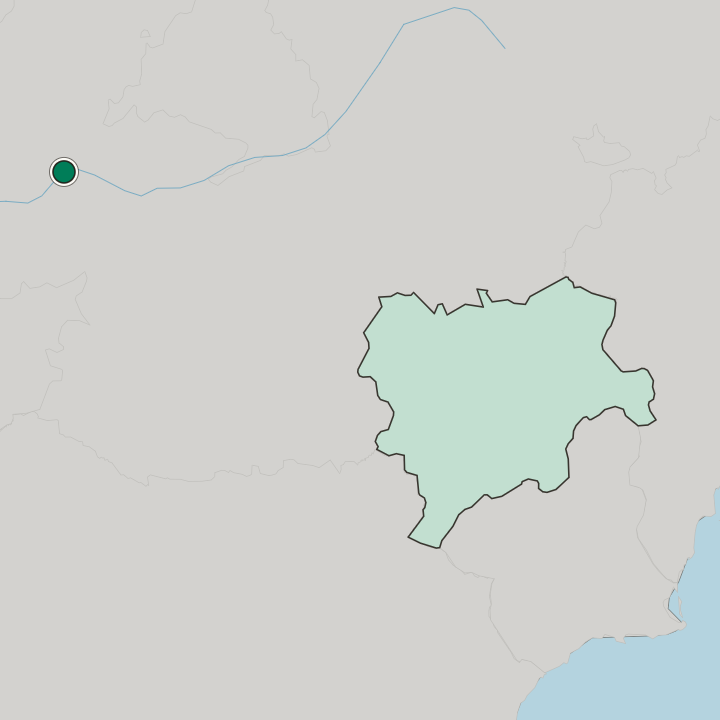
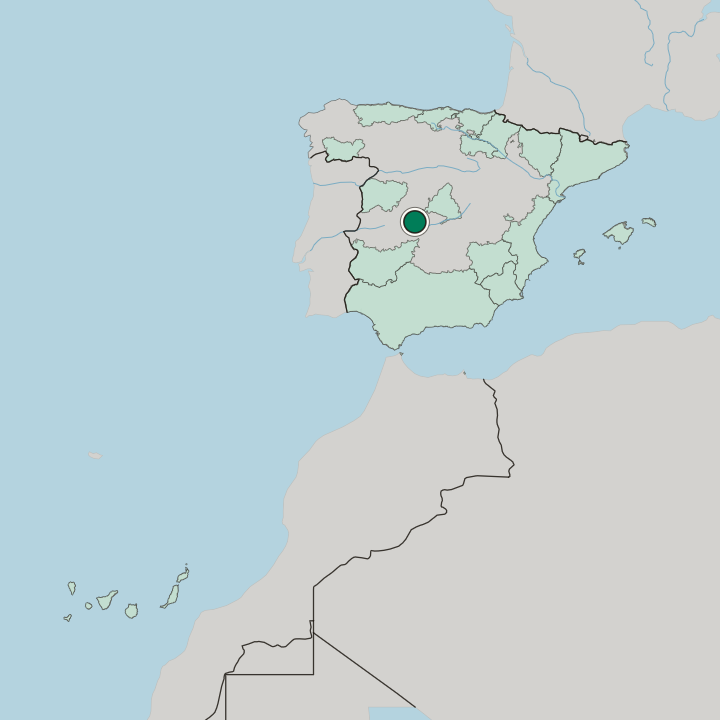
The municipality covers about 157 square kilometres. That is a great deal of ground for one city in the province of Toledo, and it means the built streets around the Basílica de la Virgen del Prado account for only a fraction of what the name legally holds. Distances stretch quickly.
Castilla-La Mancha carries on well past the last houses, and the edge of Talavera de la Reina is simply where the province turns back into open country.
What is the climate of Talavera de la Reina?
An inland setting drives the local climate. Talavera de la Reina lies well inside Castilla-La Mancha, and an interior position like that stretches the daily temperature range wider than the temperate band alone would suggest, leaving the summer afternoon and the hour before dawn a long way apart. Seasons are marked.
The rest of the province of Toledo shares the same pattern, so nothing in the weather separates this city from the country around it.
How do you get to Talavera de la Reina?
You reach Talavera de la Reina by land. Nothing about the province of Toledo puts Talavera de la Reina near a coast, so every arrival crosses Castilla-La Mancha to reach it, and the practical question on the way in is where to leave the car rather than which road did the carrying. Parking sits outside the walls.
The Basílica de la Virgen del Prado, the Museo de Cerámica Ruiz de Luna and Church of Santa María la Mayor are all within a walk from there.
Common questions
What is the best area to stay in Talavera de la Reina?
Inside the Walls: Walkers who want Church of Santa María la Mayor and the casa-palacio de la calle del Sol at the door. Basílica de la Virgen del Prado: Arrivals who put the Basílica de la Virgen del Prado ahead of the old streets. Ruiz de Luna museum quarter: Visitors here for Talavera pottery rather than for its altarpieces.
Good for
More cities in Castilla-La Mancha
Updated October 2026