Spain · Castilla-La Mancha
Where to Stay in Puertollano, Castilla-La Mancha
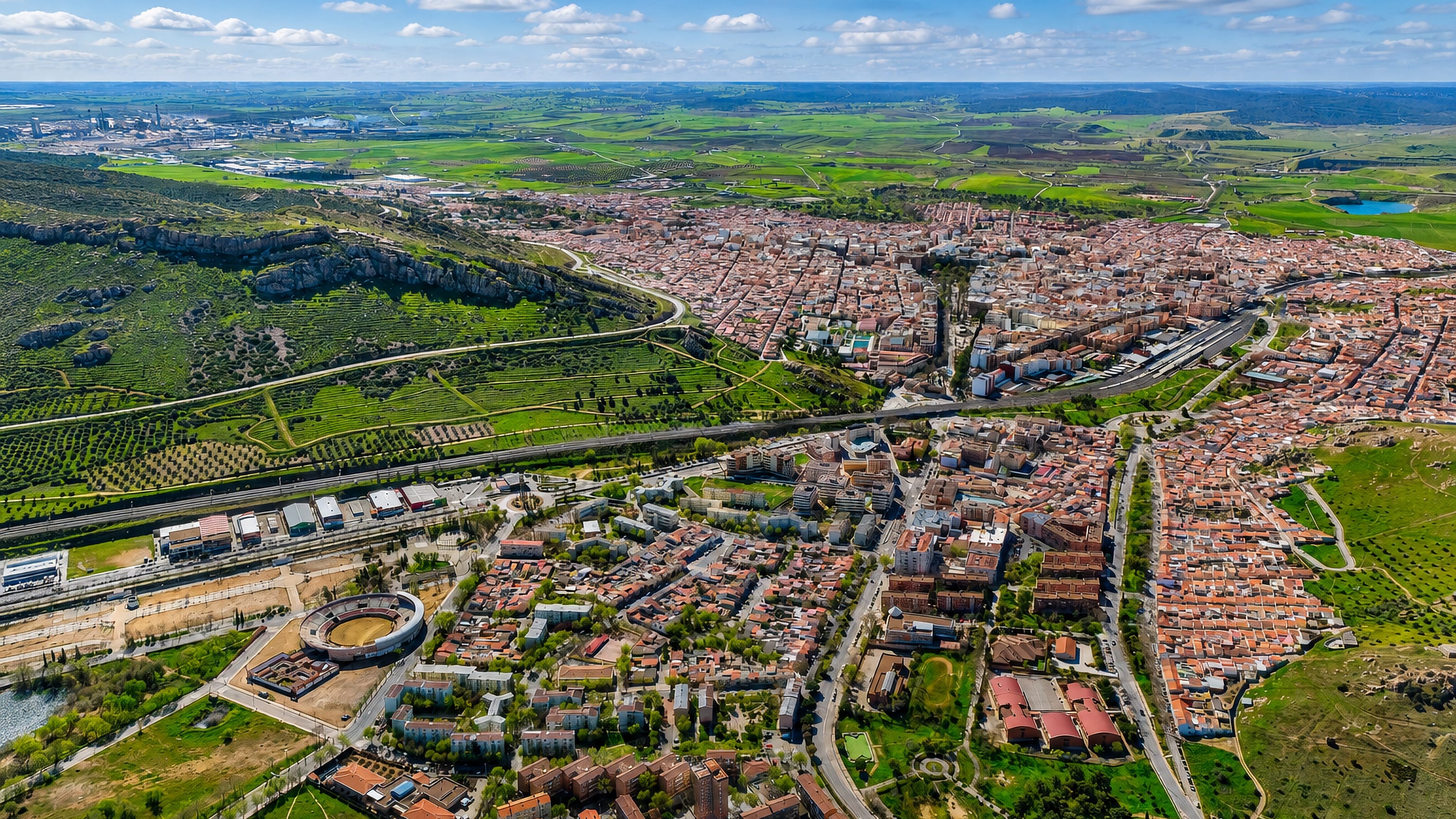
An industrial town in the province of Ciudad Real, Puertollano keeps its mining past in a museum and sits on the Madrid-Seville high-speed line.
Hotel links are affiliate links: booking through them may earn us a commission, at no extra cost to you. It never affects how places are ranked. How this works


Where to stay in Puertollano
Where visitors usually base themselves, and why.
Puertollano is a working town first and a stop second, so the beds follow the industry and the railway rather than any old quarter. Where to stay follows from that. Rooms near the centre, within reach of the Church of Nuestra Señora de la Asunción and the Museo de la Minería de Puertollano, are the ones that put a visitor inside walking distance of everything the town actually offers.
The station side suits the traveller in transit. Anyone breaking a journey on the Madrid-Seville high-speed rail line wants a bed close to the platform and little else, and the blocks around it deliver exactly that without pretending to be more. Scenery is not the point.
What that side does offer is a short run into the centre, where the Church of Nuestra Señora de Gracia and the mining museum sit close together. The Dehesa Boyal de Puertollano is the argument for staying longer. Old common ground on the edge of the built-up streets, it gives the town the green space its industry never left much room for, and a room on that side trades the station's convenience for air and a walk.
El Castillejo de El Villar lies further out. Anyone with a car and an interest in what stood here before the mines will want that flexibility, since the site is not something the town centre puts within reach on foot.
Find hotels in Puertollano
Direct booking searches for these neighbourhoods.
The centre
The Church of Nuestra Señora de la Asunción and the mining museum are a few streets apartFind hotels in The centreBreaking a journey on the Madrid–Seville high-speed rail lineThe station side
Plain blocks by the platform, a short run in to Nuestra Señora de GraciaFind hotels in The station sideGreen space and air rather than the platformBy the Dehesa Boyal
Old common ground at the edge of the streets, with El Castillejo de El Villar out beyond. Rooms are few around here — worth securing early.Find hotels in By the Dehesa BoyalHotel links are affiliate links: booking through them may earn us a commission, at no extra cost to you. It never affects how places are ranked. How this works
About Puertollano
Mining made this town.
What is Puertollano known for?
Puertollano stands apart from the farming country of Castilla-La Mancha because industry and mining built it, and the Museo de la Minería de Puertollano exists to hold that record rather than an art collection. Trains stop here. The Madrid-Seville high-speed rail line runs through the town, which puts a working industrial place within easy reach of the cities at either end of it.
What are the main landmarks in Puertollano?
The Museo de la Minería de Puertollano is the reason to stop. It sets out the industry that made Puertollano different from the farming towns of Castilla-La Mancha, which is the single fact the place turns on. Two churches hold the rest.
The Church of Nuestra Señora de la Asunción and the Church of Nuestra Señora de Gracia carry the parish record, while the Dehesa Boyal de Puertollano and El Castillejo de El Villar mark the ground beyond the streets.
What is the history of Puertollano?
Something stood here before the town. El Castillejo de El Villar marks a site out beyond the modern streets, and it is the oldest thing the record attaches to Puertollano, older by far than any building in the centre. Churches came with the settled town.
The Church of Nuestra Señora de la Asunción and the Church of Nuestra Señora de Gracia belong to the ordinary parish life of a place in the province of Ciudad Real, and for centuries that was the whole story. The province takes its name from Ciudad Real, not from here. Mining rewrote it.
Industrial and mining work turned an agricultural municipality into something the rest of Castilla-La Mancha is not, and the Museo de la Minería de Puertollano is where that change is set out for visitors. The mines are the reason for the shape of the place. The town grew around the work.
Rail came to matter as much, and the Madrid-Seville high-speed rail line still runs through, tying a town built on extraction to Madrid at one end and Seville at the other. The Dehesa Boyal de Puertollano survived all of it, common land that the industrial century never built over.
Where is Puertollano?
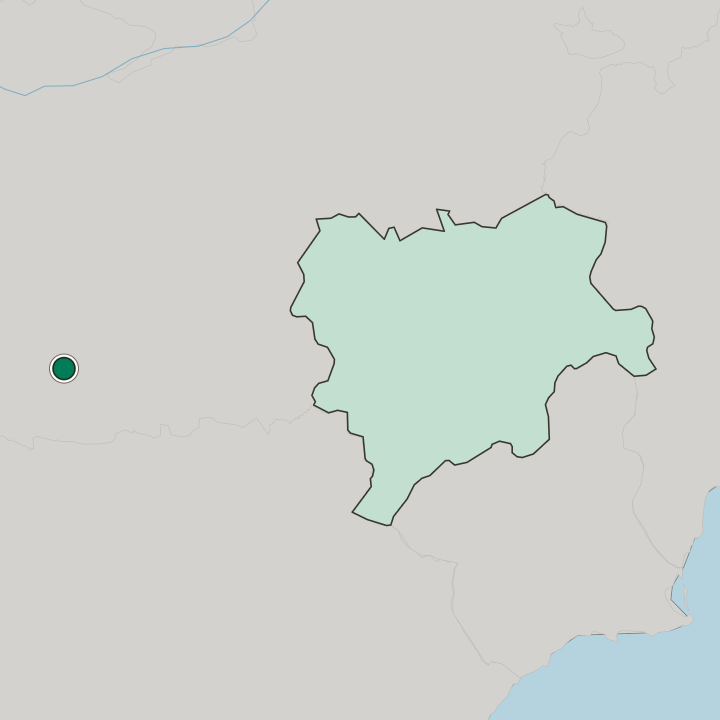
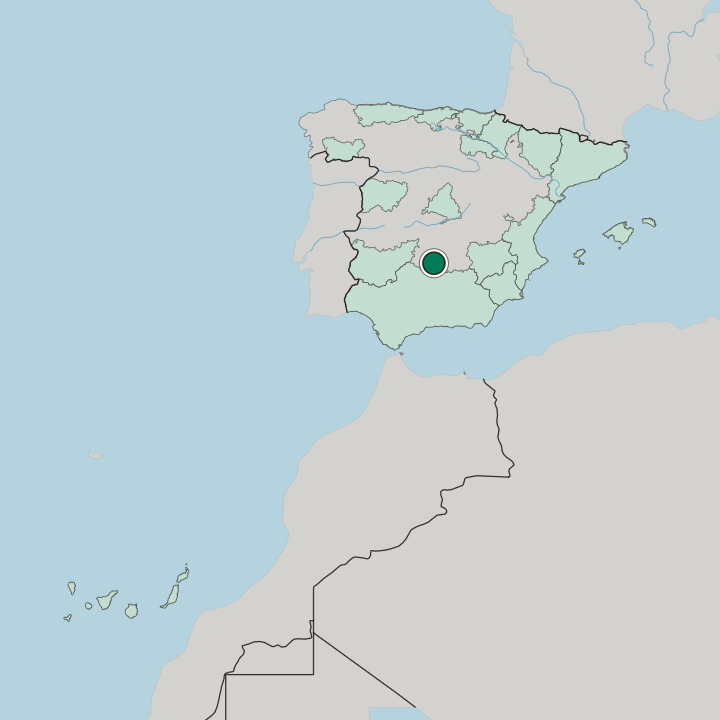
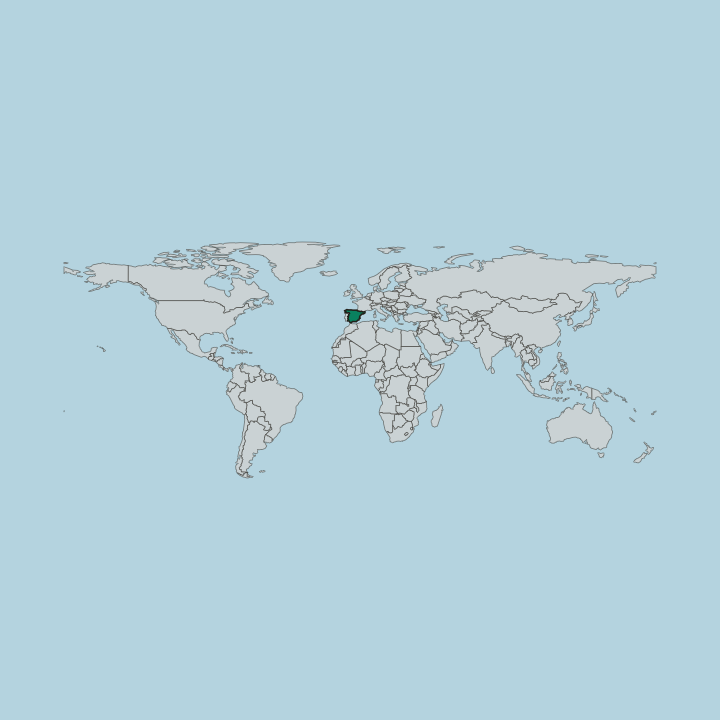
Puertollano lies in the province of Ciudad Real, one of the inland provinces of Spain inside Castilla-La Mancha, on ground the region otherwise gives over to farming. The municipal district runs well past the built-up streets and takes in the Dehesa Boyal de Puertollano along with the open country that holds El Castillejo de El Villar. Industry sits inside that boundary too.
What the map shows is a town of modest extent surrounded by a district several times its size.
What is the climate of Puertollano?
Summer sets the pace. Puertollano shares the inland extremes of the province of Ciudad Real, with heat that stalls over the streets for weeks and winters cold enough to keep anyone off the Dehesa Boyal de Puertollano after dark. Shade decides the timing.
The awkward months are the hot ones, when the walk between the Church of Nuestra Señora de la Asunción and the mining museum is best done before the middle of the day.
How do you get to Puertollano?
The high-speed line does the work. Puertollano sits on the Madrid-Seville high-speed rail line, which makes it reachable from either end in a way that few towns of its size in Castilla-La Mancha can match. Roads come in from Ciudad Real.
Once here the centre is small enough to cross on foot, though El Castillejo de El Villar and the outer edges of the district need a car.
Common questions
What is the best area to stay in Puertollano?
The centre: Walking in to the Museo de la Minería de Puertollano. The station side: Breaking a journey on the Madrid–Seville high-speed rail line. By the Dehesa Boyal: Green space and air rather than the platform.
Good for
More cities in Castilla-La Mancha
Updated September 2026