Spain · Comunidad de Madrid
Where to Stay in Aranjuez, Comunidad de Madrid
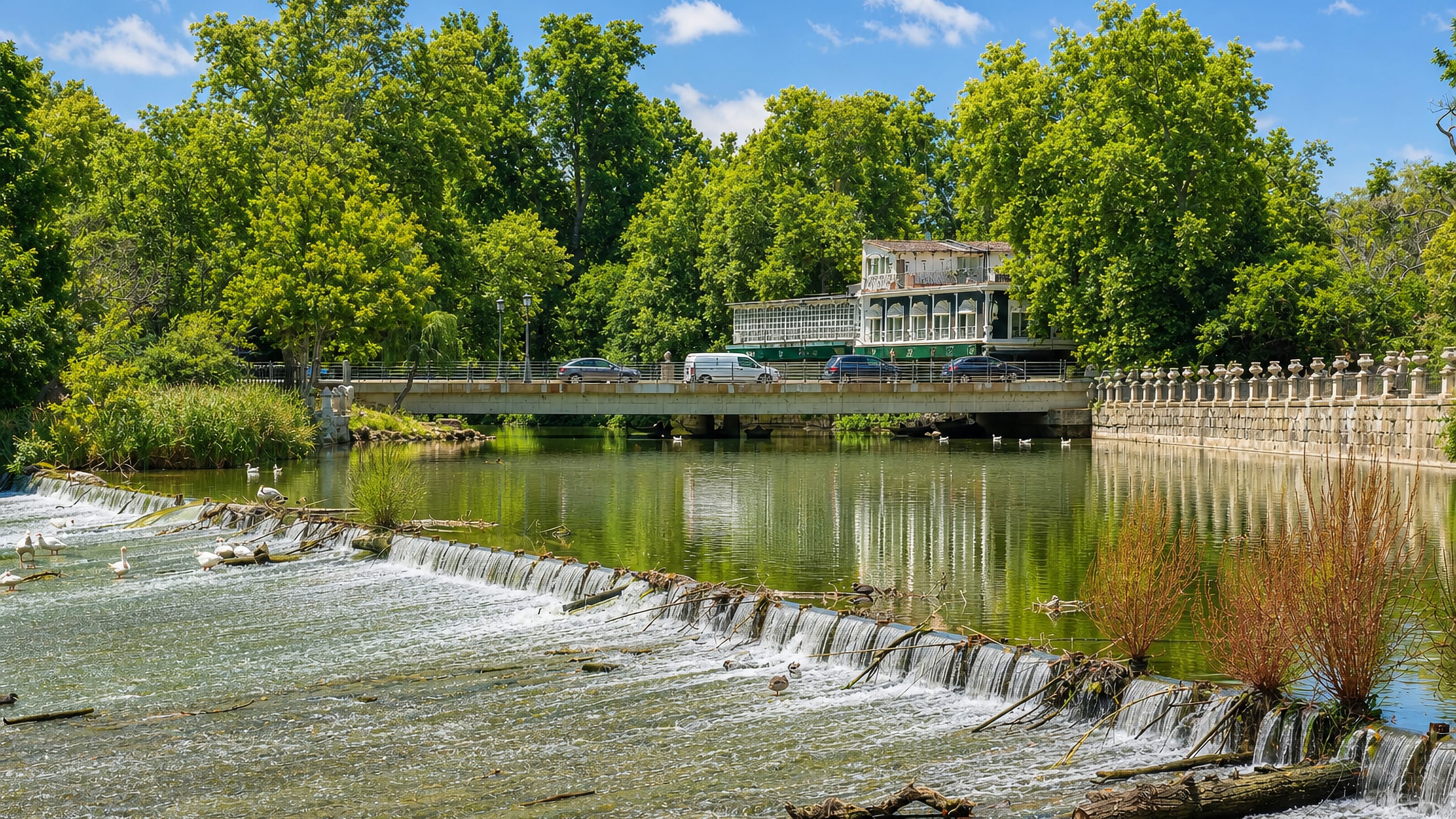
Aranjuez is a historic municipality at the confluence of the Tajo and Jarama rivers, about 50 km south of Madrid, built around its Royal Palace.
Hotel links are affiliate links: booking through them may earn us a commission, at no extra cost to you. It never affects how places are ranked. How this works


Where to stay in Aranjuez
The practical side of choosing where to sleep.
The palace quarter holds the choice. Rooms in the streets around the Royal Palace of Aranjuez put the Church of San Antonio, the convent of San Pascual and the old court houses within a few minutes' walk, which is the whole reason to sleep here rather than return to Madrid. Most arrive for the day.
Madrid lies 50 km north, close enough that many people see the palace and leave again, which leaves the evening streets to whoever books a bed. The rivers give the other option. Aranjuez sits at the confluence of the Tajo and the Jarama, and a room on the water side trades the palace facade for the riverbank and the quieter edge of a municipality that covers a great deal of ground.
A car helps on that side. Museo de Faluas Reales, the Church of Nuestra Señora de las Angustias or Alpajés and the outer parts of the town are spread widely enough that walking everything from one bed is optimistic. Anyone choosing between the two sides can settle it on a single question: whether the visit is built around the Royal Palace of Aranjuez or around the Tajo.
Find hotels in Aranjuez
Direct booking searches for these neighbourhoods.
Around the Royal Palace
The palace streets keep the Church of San Antonio, the convent of San Pascual and Casa de Caballeros y Oficios within minutesFind hotels in Around the Royal PalaceQuieter nights beside the Tajo instead of the palace frontThe Tajo riverside
The bank near the confluence with the Jarama carries the calmer edge of Aranjuez and the walk to Museo de Faluas RealesFind hotels in The Tajo riversideStays pitched at the Church of Nuestra Señora de las Angustias or AlpajésThe Alpajés quarter
The Alpajés streets sit apart from the palace layout and hold the everyday side of the townFind hotels in The Alpajés quarterHotel links are affiliate links: booking through them may earn us a commission, at no extra cost to you. It never affects how places are ranked. How this works
Things to do in Aranjuez
Ranked by global recognition; descriptions from Wikidata (CC0).
Museums & Galleries
1- Museo de Faluas Reales
Churches & Religious Sites
2- Church of San Antonio Heritage
- Church of Nuestra Señora de las Angustias or Alpajés, Aranjuez
Castles & Historic Sites
3- Royal Palace of Aranjuez Heritage
- convent of San Pascual Heritage
- Casa de Caballeros y Oficios Heritage
Landmarks & Notable Places
2- Casa del Gobernador, Aranjuez
- Casa de los Fogones
worth knowingacross 4 categories in Aranjuez
About Aranjuez
Royal ground, river ground.
What is Aranjuez known for?
The Royal Palace of Aranjuez is the reason most visitors make the trip, and the streets laid out around it, Casa de Caballeros y Oficios, Casa del Gobernador, Casa de los Fogones, carry names from a royal household rather than from an ordinary market town. Two rivers come together here. Museo de Faluas Reales keeps the royal launches.
What are the main landmarks in Aranjuez?
The palace comes first. Royal Palace of Aranjuez is the anchor, with the convent of San Pascual, the Church of San Antonio and the Church of Nuestra Señora de las Angustias or Alpajés carrying the religious side of a town laid out for a court. Museo de Faluas Reales keeps the royal launches.
Casa de Caballeros y Oficios, Casa del Gobernador and Casa de los Fogones fill in the household buildings, and their names alone record what each one did.
What is the history of Aranjuez?
Water made the site. Aranjuez grew at the confluence of the Tajo and the Jarama, a site with two rivers to draw on, and that advantage is the practical explanation for a royal seat standing on this ground. The court followed.
Royal Palace of Aranjuez set the terms for everything built afterwards, and the Casa de Caballeros y Oficios, the Casa del Gobernador and the Casa de los Fogones exist because a palace needs officials, kitchens and the people who run them. Religion took its place in the plan. The convent of San Pascual, the Church of San Antonio and the Church of Nuestra Señora de las Angustias or Alpajés stand among those court streets, and together they show a town whose institutions grew alongside a royal residence rather than around a market.
The boats survive too. Museo de Faluas Reales keeps the royal launches that belonged to that world, and the collection ties the palace back to the rivers that made the site worth building on. Aranjuez remains a municipality of the Comunidad de Madrid, 50 km from the capital, and the historic core is the part of it that visitors come for.
Where is Aranjuez?
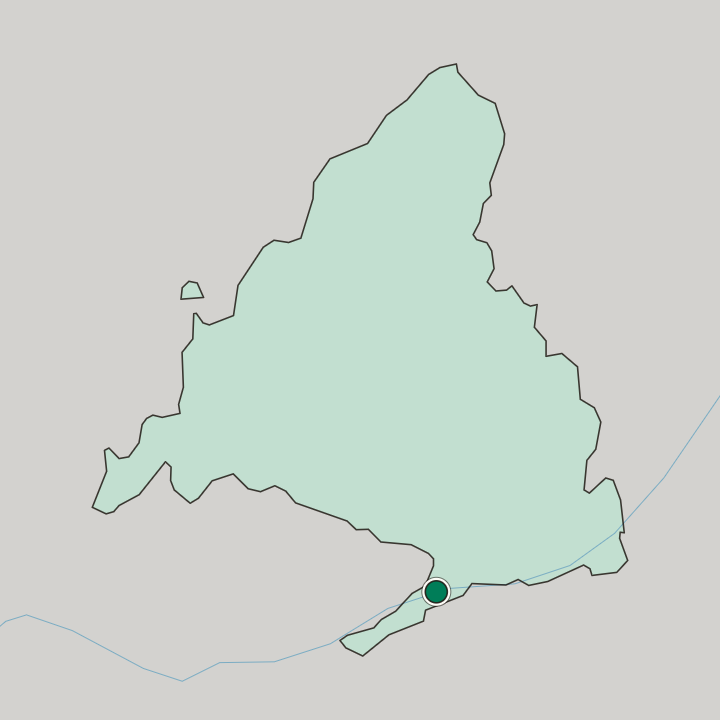
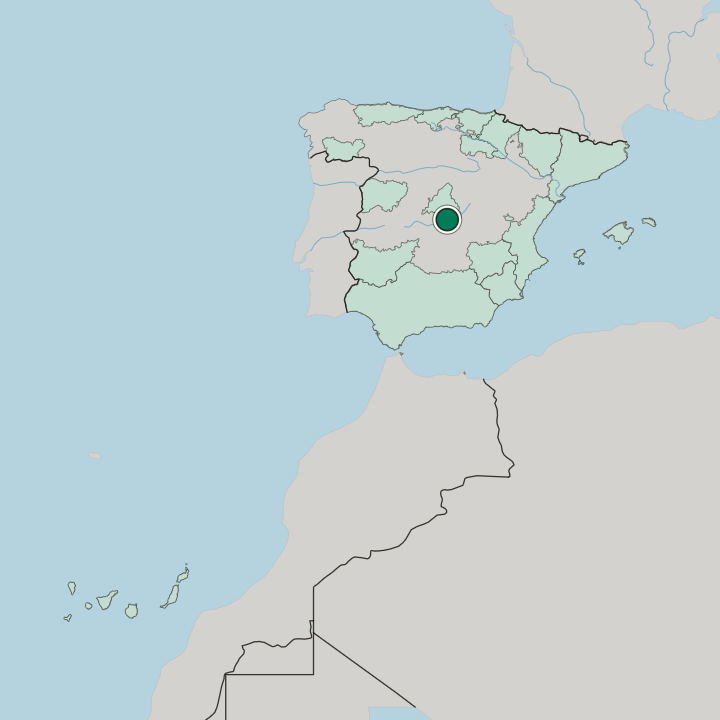
Two rivers set the ground. Aranjuez lies at the confluence of the Tajo and the Jarama, about 50 km south of Madrid, and the municipality takes in a wide spread of river land beyond the built-up core. The old quarter is a tight one.
Its historic streets sit close to the water, while the surrounding territory, some 200 km² of it, makes Aranjuez far larger on the map than the part any visitor walks.
What is the climate of Aranjuez?
The Tajo cools the town. River ground at the confluence with the Jarama gives Aranjuez shade and moisture that the open country around it does not have, and that difference is felt most in the hottest weeks of the year. Distance from the sea does the rest.
Nothing between Aranjuez and the coast moderates the temperate extremes, so the palace front and the riverbank read very differently in one season than another.
How do you get to Aranjuez?
Madrid is the starting point. The run south from Madrid covers about 50 km, which puts Aranjuez within an easy outing of the capital and explains why so many visits here are measured in hours rather than nights. Two rivers mark the approach.
The Tajo and the Jarama come together beside the town, and the Royal Palace of Aranjuez is the point local directions are given from.
Common questions
What is the best area to stay in Aranjuez?
Around the Royal Palace: Visits built around the Royal Palace of Aranjuez and its court buildings. The Tajo riverside: Quieter nights beside the Tajo instead of the palace front. The Alpajés quarter: Stays pitched at the Church of Nuestra Señora de las Angustias or Alpajés.
Good for
More cities in Comunidad de Madrid
Updated October 2026