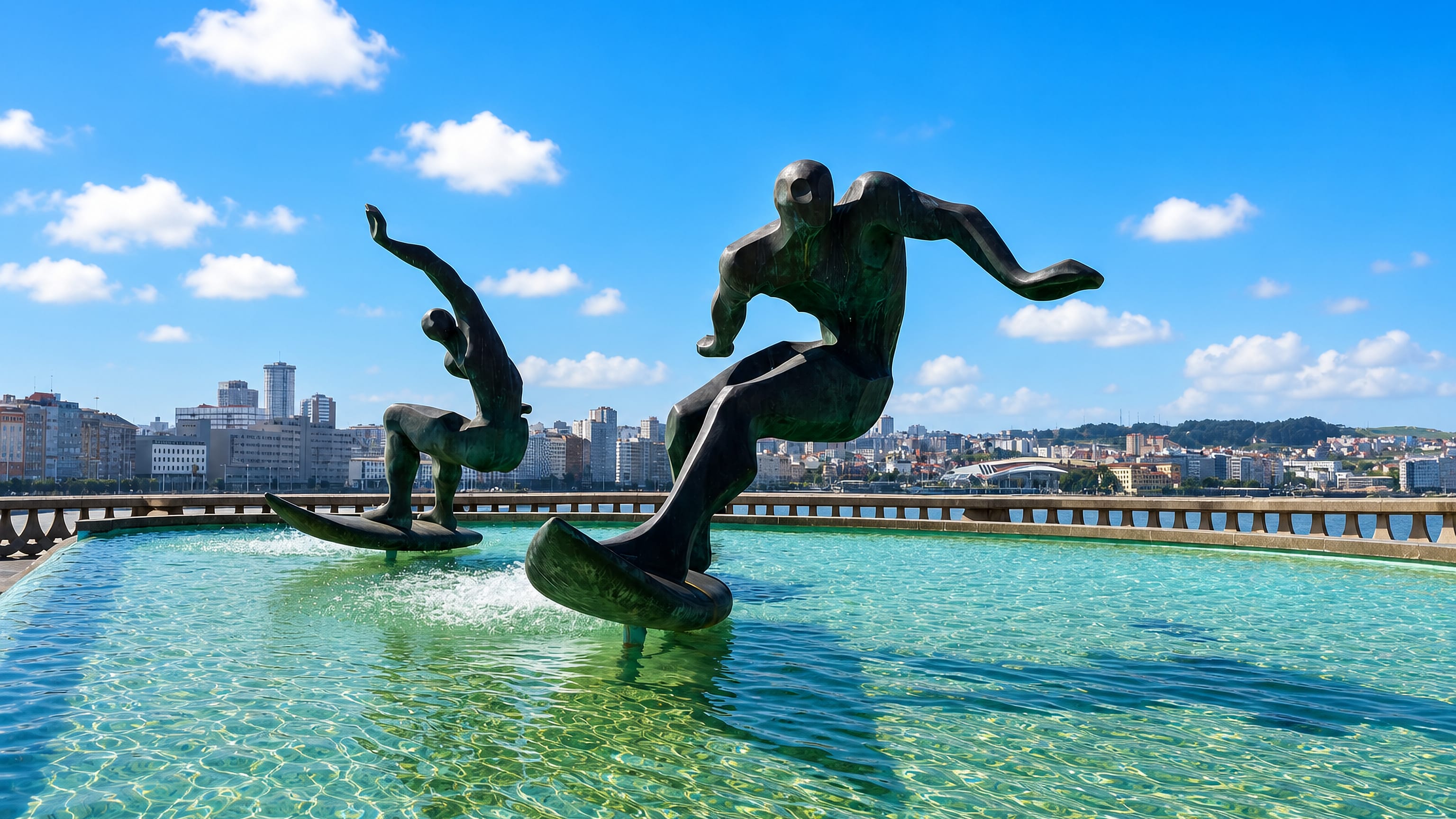
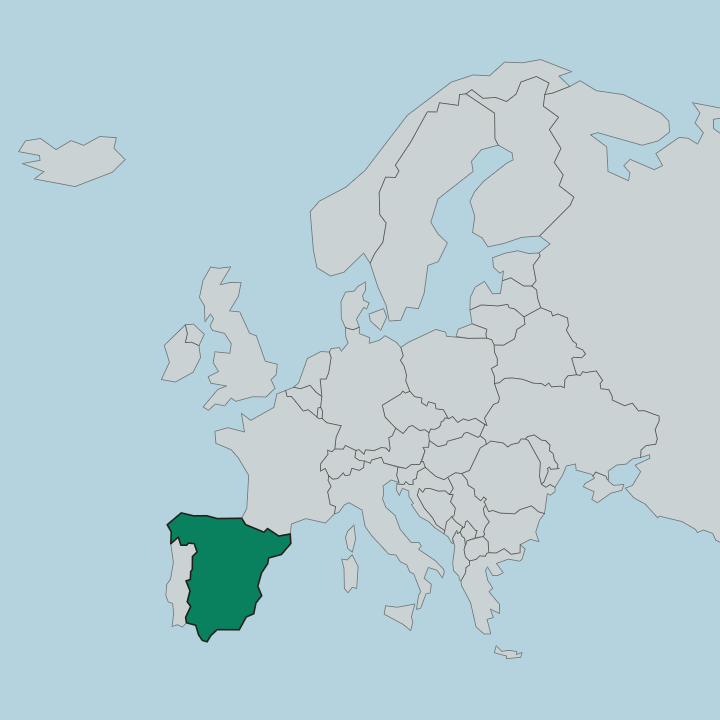
Spain · Galicia
Where to Stay in A Coruña, Galicia
A Coruña is the Galician port city wrapped around the Tower of Hercules, a Roman lighthouse working continuously since antiquity.
Hotel links are affiliate links: booking through them may earn us a commission, at no extra cost to you. It never affects how places are ranked. How this works


Where to stay in A Coruña
The practical side of choosing where to sleep.
The Old City and the harbour pull in different directions. Rooms in the Old City put the Real Colexiata de Santa María do Campo, the Iglesia de Santiago and the Castillo de San Antón inside a few minutes of the door, on streets that empty once the museums close. Nights are calm there.
Around one corner stands the Church of Saint George. Harbour-front beds are the busier choice. The ground around the Monument to Maria Pita opens onto the water with Casa Paredes on that side, and it suits you if the plan involves eating late rather than a dawn start on the coast road.
Everything is close from there. The Coruña Fine Arts Museum and Casa Museo Emilia Pardo Bazán both sit a few streets back. The headland is the third answer.
Beds out towards the Tower of Hercules swap old streets for the Menhirs for Peace, Aquarium Finisterrae and a coast road that carries on past Casa del Hombre, which is a longer walk back and a far better morning. Millennium marks the ground between the two ends. Casa Museo Picasso lies back towards the centre.
Find hotels in A Coruña
Direct booking searches for these neighbourhoods.
The Old City
The old walled quarter of A Coruña, where the Iglesia de Santiago, the Church of Saint George and the Castillo de San Antón fall inside one short walk. Rooms are few around here — worth securing early.Find hotels in The Old Cityeating late around the Monument to Maria PitaThe harbour front
The open civic ground facing the water of the port, with Casa Paredes on the quay side and the Coruña Fine Arts Museum a few streets behind.Find hotels in The harbour frontmornings at Aquarium Finisterrae and the Menhirs for PeaceTowards the Tower of Hercules
The exposed headland end of A Coruña, where the Tower of Hercules, Casa del Hombre and Aquarium Finisterrae share a single stretch of coast road.Find hotels in Towards the Tower of HerculesHotel links are affiliate links: booking through them may earn us a commission, at no extra cost to you. It never affects how places are ranked. How this works
Things to do in A Coruña
Ranked by global recognition; descriptions from Wikidata (CC0).
Museums & Galleries
3- Museo Arqueolóxico e Histórico (La Coruña, Spain) Heritage
- National Museum of Science and Technology
- Coruña Fine Arts Museum
Churches & Religious Sites
3- Iglesia de Santiago Heritage
- Real Colexiata de Santa María do Campo Heritage
- Churche of Saint George Heritage
Castles & Historic Sites
3- Tower of Hercules UNESCO
- Castillo de San Antón Heritage
- Casa Paredes Heritage
worth knowingacross 3 categories in A Coruña
About A Coruña
The Tower of Hercules carries the city.
What is A Coruña known for?
A Roman lighthouse kept in service since antiquity stands clear on the headland, and the Old City below it holds the Real Colexiata de Santa María do Campo, the Iglesia de Santiago and streets of noble mansions. Museums are the other habit. Casa de las Ciencias, Casa del Hombre and Aquarium Finisterrae make up the scientific network, while the Coruña Fine Arts Museum and the Museo Arqueolóxico e Histórico cover the rest.
What are the main landmarks in A Coruña?
The Tower of Hercules is the one that shows on the maps. Castillo de San Antón guards the harbour and holds the Museo Arqueolóxico e Histórico, while the Real Colexiata de Santa María do Campo, the Iglesia de Santiago and the Church of Saint George anchor the Old City. Science keeps its own circuit.
Casa de las Ciencias, Casa del Hombre and Aquarium Finisterrae belong to it, and the Monument to Maria Pita, Menhirs for Peace and Millennium make up the outdoor set.
What is the history of A Coruña?
Rome left the lighthouse. The Tower of Hercules has stood on the headland since perhaps the second century and has been kept in service ever since, which makes it the oldest working thing A Coruña owns. Fortification followed.
Castillo de San Antón was raised to hold the harbour mouth, and the city spent long stretches as a fortified port that other nations came to batter. The Kingdom of Galicia made it a capital. Political business was done here from the sixteenth century to the nineteenth, and the city then served as a regional administrative centre between 1833 and 1982 before settling into its role as capital of the province of A Coruña.
Standing brought stone. The Old City keeps its streets of noble mansions and residences, with Casa Paredes among them, and the Monument to Maria Pita and Millennium were raised in the open ground beyond. Houses became museums.
Casa Museo Emilia Pardo Bazán and the Monument to Emilia Pardo Bazán commemorate the same name, while Casa Museo Casares Quiroga and Casa Museo Picasso hold two more addresses open to visitors. The collections multiplied after that. The Coruña Fine Arts Museum, the Gas Natural Fenosa Museum of Contemporary Art, the Centro Galego de Artes da Imaxe, the Museo de la Electricidad, the La Coruna Military Museum and Casa das Palabras between them cover painting and film alongside industry and the military past, and each July a Medieval Fair fills the Old City streets again.
Where is A Coruña?
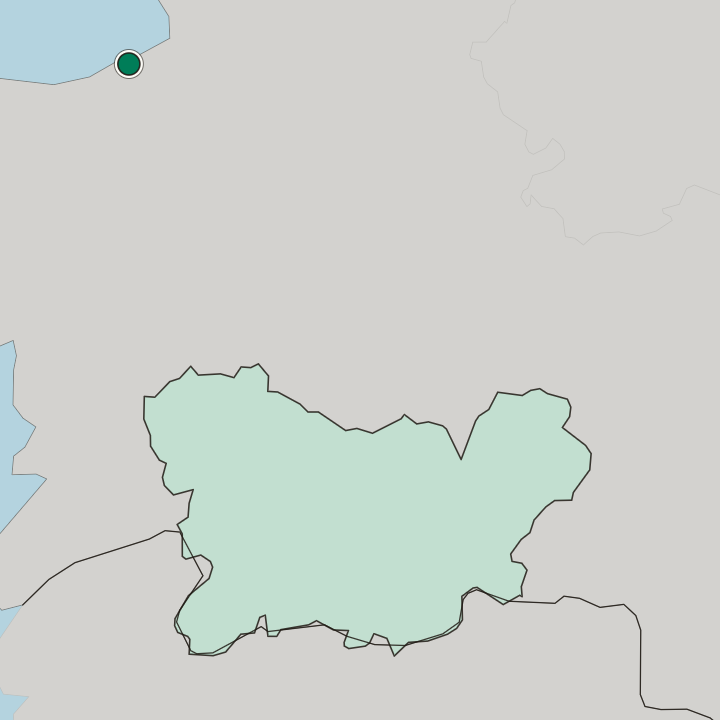
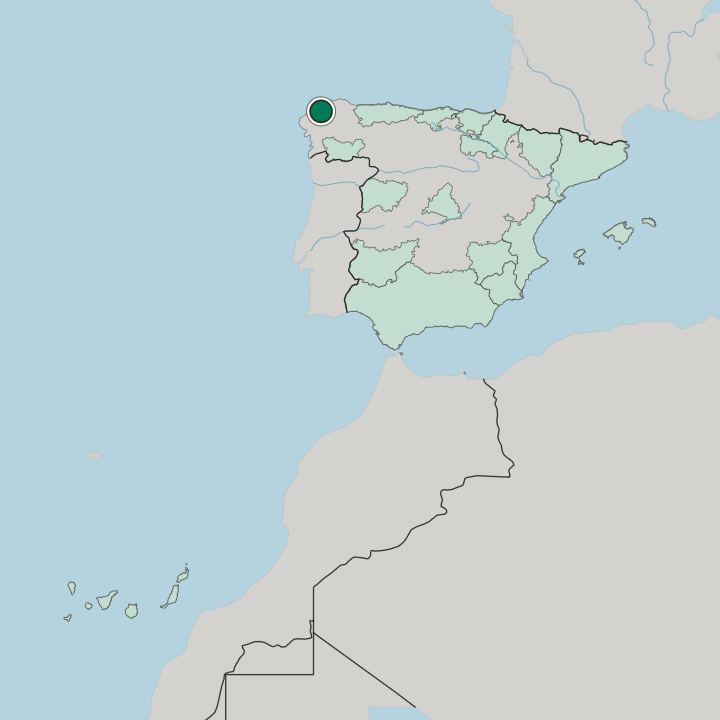
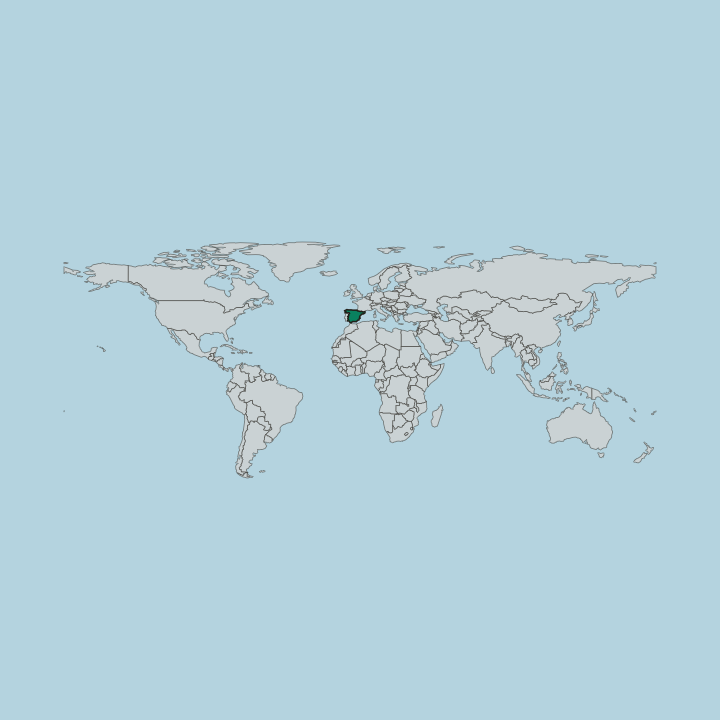
Thirty-seven square kilometres of Galicia. A Coruña occupies a compact municipality on the Galician coast, with the Old City packed at one end and the Tower of Hercules standing clear of the buildings at the other. The harbour cuts into the middle.
Castillo de San Antón sits at the water's edge, and Aquarium Finisterrae marks the exposed side where the built ground runs out.
What is the climate of A Coruña?
The water decides it. Weather arrives off the open sea past the Tower of Hercules, which keeps A Coruña mild and wet rather than hot, and rarely lets one sky hold for a whole day. The cold months never bite hard.
Summer is the season the Old City and the ground around the Monument to Maria Pita are built for, though rain interrupts often enough to plan around.
How do you get to A Coruña?
The port is the oldest way in. A Coruña grew as a harbour, and arrivals still land close to the working waterfront, with the Castillo de San Antón in view from the quays and the Old City a few streets behind it. Walking covers most of the centre.
From the Monument to Maria Pita it is a walk to the Coruña Fine Arts Museum, and the Tower of Hercules is the one sight that rewards wheels or a long stroll out along the coast.
Common questions
What is the best area to stay in A Coruña?
The Old City: waking a few doors from the Real Colexiata de Santa María do Campo. The harbour front: eating late around the Monument to Maria Pita. Towards the Tower of Hercules: mornings at Aquarium Finisterrae and the Menhirs for Peace.
Good for
More cities in Galicia
Updated October 2026