Spain · Galicia
Where to Stay in Ourense, Galicia
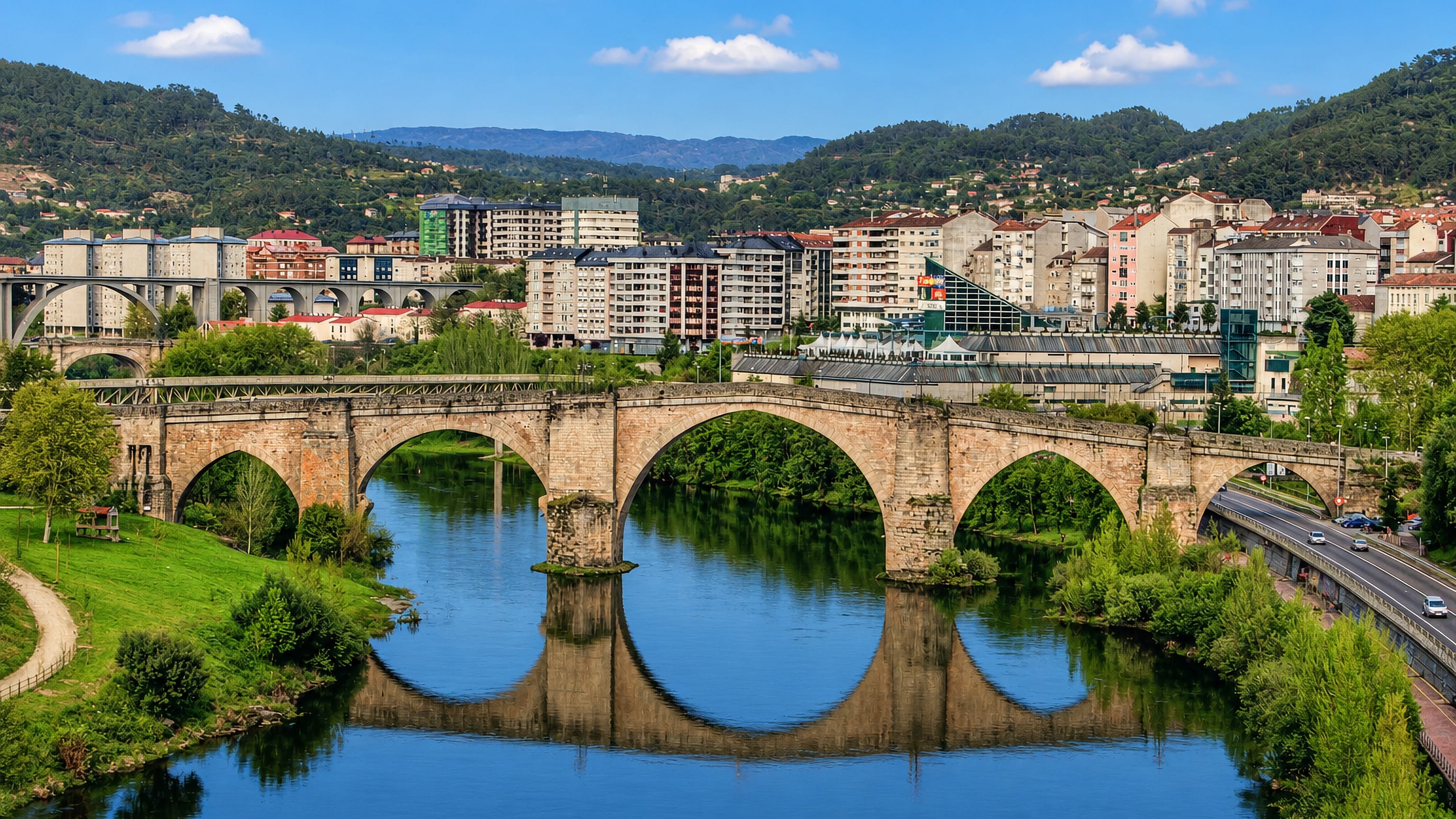
Ourense is the Galician provincial capital known as A cidade das Burgas, where hot springs rise beside the Miño and the Ponte Vella crosses it.
Hotel links are affiliate links: booking through them may earn us a commission, at no extra cost to you. It never affects how places are ranked. How this works


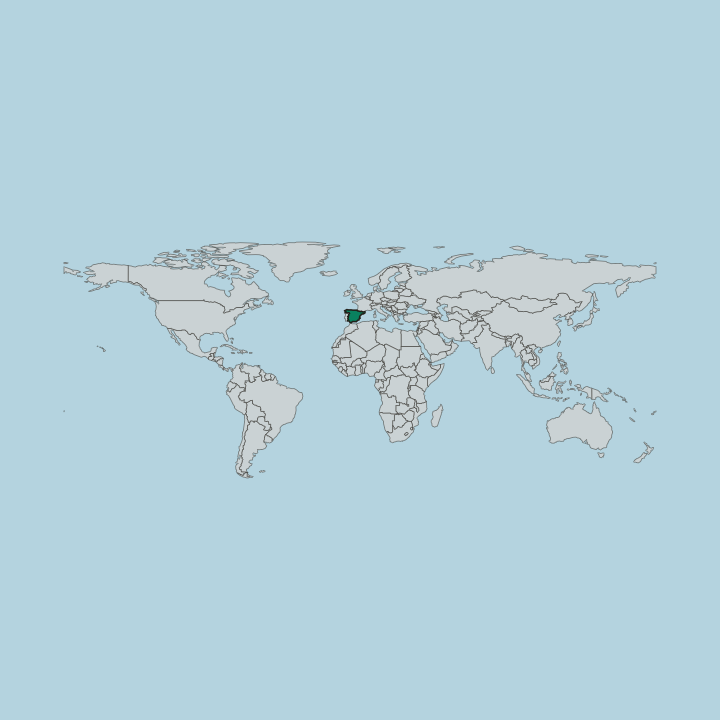
Where to stay in Ourense
The practical side of choosing where to sleep.
The Miño splits the choice in two. On the town side, the medieval quarter around Ourense Cathedral holds the Museo Catedralicio de Ourense and the Palacio Episcopal de Orense within a few streets, which is where anyone here for the old city should sleep. Streets there are narrow.
Cars are more trouble than they are worth on them. Springs pull in a different direction. Beds near the Burgas keep the hot water within a walk, with the Church of Santa Eufemia and the Church of the Santísima Trinidade on the same side of the centre, and they suit you if the reason for the visit is thermal rather than medieval.
Towels get carried through town. Museo Municipal de Ourense sits between the two. Everything changes across the Ponte Vella.
Crossing the Miño puts a room on the far bank with the Pazo dos Deportes Paco Paz and the roads out through the province of Ourense close at hand, which works for a fixture or an early departure. Walking back takes a bridge. Santomé lies outside the city altogether.
Find hotels in Ourense
Direct booking searches for these neighbourhoods.
The medieval quarter
The medieval core above the Miño, where Ourense Cathedral, the Museo Catedralicio de Ourense and the Palacio Episcopal de Orense stand within a few doors of each other. Few places to stay nearby — book ahead.Find hotels in The medieval quarterreaching the hot springs of A cidade das Burgas on footBy the Burgas springs
The streets where the geothermal water surfaces in the middle of Ourense, a short walk from the Church of Santa Eufemia and the Church of the Santísima Trinidade.Find hotels in By the Burgas springsa fixture at the Pazo dos Deportes Paco Paz and an early road outAcross the Ponte Vella
The far bank of the Miño beyond the Ponte Vella, nearer the Pazo dos Deportes Paco Paz and the roads through the province of Ourense than the cathedral.Find hotels in Across the Ponte VellaHotel links are affiliate links: booking through them may earn us a commission, at no extra cost to you. It never affects how places are ranked. How this works
Things to do in Ourense
Ranked by global recognition; descriptions from Wikidata (CC0).
Museums & Galleries
3- Museo Arqueológico Provincial de Ourense Heritage
- Museo Catedralicio de Ourense
- Espacio Expositivo Arturo Baltar
Churches & Religious Sites
3- Ourense Cathedral Heritage
- Church of San Francisco, Ourense Heritage
- Church of Santa Eufemia, Ourense
Castles & Historic Sites
4- Ponte Vella Heritage
- Cloister of the Convent of San Francisco, Ourense Heritage
- Pazo de los Oca-Valladares Heritage
- Palacio Episcopal de Orense Heritage
Stadiums & Sports
1- Pazo dos Deportes Paco Paz
worth knowingacross 4 categories in Ourense
About Ourense
Hot water made the name.
What is Ourense known for?
Ourense is called A cidade das Burgas for the springs that rise in the middle of the city, and its thermal heritage counts among the greatest of any European city. The Ponte Vella carries the other half of the reputation. Ourense Cathedral and the medieval quarter around it sit above the Miño, and walkers on the Camino Sanabrés pass through on their way to Santiago.
What are the main landmarks in Ourense?
Ourense Cathedral holds the medieval quarter together. The Museo Catedralicio de Ourense and the Palacio Episcopal de Orense stand beside it, while the Church of Santa Eufemia, the Church of San Francisco and the surviving Cloister of the Convent of San Francisco fill out the ecclesiastical set. Ponte Vella crosses the Miño.
The Museo Arqueológico Provincial de Ourense, the Espacio Expositivo Arturo Baltar and the Pazo de los Oca-Valladares carry the rest.
What is the history of Ourense?
Springs came before the city. Hot water rising in the middle of this ground gave Ourense the name A cidade das Burgas and left it with thermal heritage among the greatest of any European city. Excavation adds an older layer.
The Samian Ware Discovery Site records pottery turned up within the city, and the archaeological and natural site of Santomé preserves settlement outside it. The cathedral fixed the centre. Ourense Cathedral rose above the medieval quarter and drew the Palacio Episcopal de Orense and the Museo Catedralicio de Ourense into the same few streets, while the Church of Santa Eufemia and the Church of the Santísima Trinidade served the parishes around them.
Friars built too. The Church of San Francisco and the Cloister of the Convent of San Francisco remain from that work, and the Pazo de los Oca-Valladares stands for the families who put up stone nearby. The bridge did the rest.
Ponte Vella carried the road over the Miño and put the city on the pilgrim route, where the Camino Sanabrés and the Via de la Plata branch of El Camino both lead on towards Santiago. Industry came later. Ourense became capital of its province and grew mostly modern beyond the old quarter, with the Pazo dos Deportes Paco Paz, the Museo Municipal de Ourense, the Espacio Expositivo Arturo Baltar and the Museo Circo de los Muchachos all belonging to that newer city.
Where is Ourense?
Four rivers cross the ground. The Miño runs through Ourense with the Barbaña, the Loña and the Barbañica also crossing some eighty-five square kilometres of the province, and the Ponte Vella spans the largest of them. Springs rise between the channels.
Santomé lies out past the built edge, where the province of Ourense takes over.
What is the climate of Ourense?
The Burgas never cool. Geothermal water rises in the middle of Ourense at a heat the weather does not touch, which makes the city a winter proposition as much as a summer one. Rain belongs to Galicia.
The Miño, the Barbaña, the Loña and the Barbañica all run fuller through the cold months, and the medieval quarter under Ourense Cathedral shows best on a dry afternoon.
How do you get to Ourense?
Ponte Vella was the original entrance. The bridge over the Miño brought the road into Ourense long before anything else did, and the medieval quarter still stands on the bank it delivered travellers to. Pilgrims arrive on foot.
The Camino Sanabrés and the Via de la Plata branch of El Camino both pass through, while the province of Ourense opens out beyond the last houses.
Common questions
What is the best area to stay in Ourense?
The medieval quarter: waking in the old streets under Ourense Cathedral. By the Burgas springs: reaching the hot springs of A cidade das Burgas on foot. Across the Ponte Vella: a fixture at the Pazo dos Deportes Paco Paz and an early road out.
Good for
More cities in Galicia
Updated October 2026