Spain · Galicia
Where to Stay in Pontevedra, Galicia
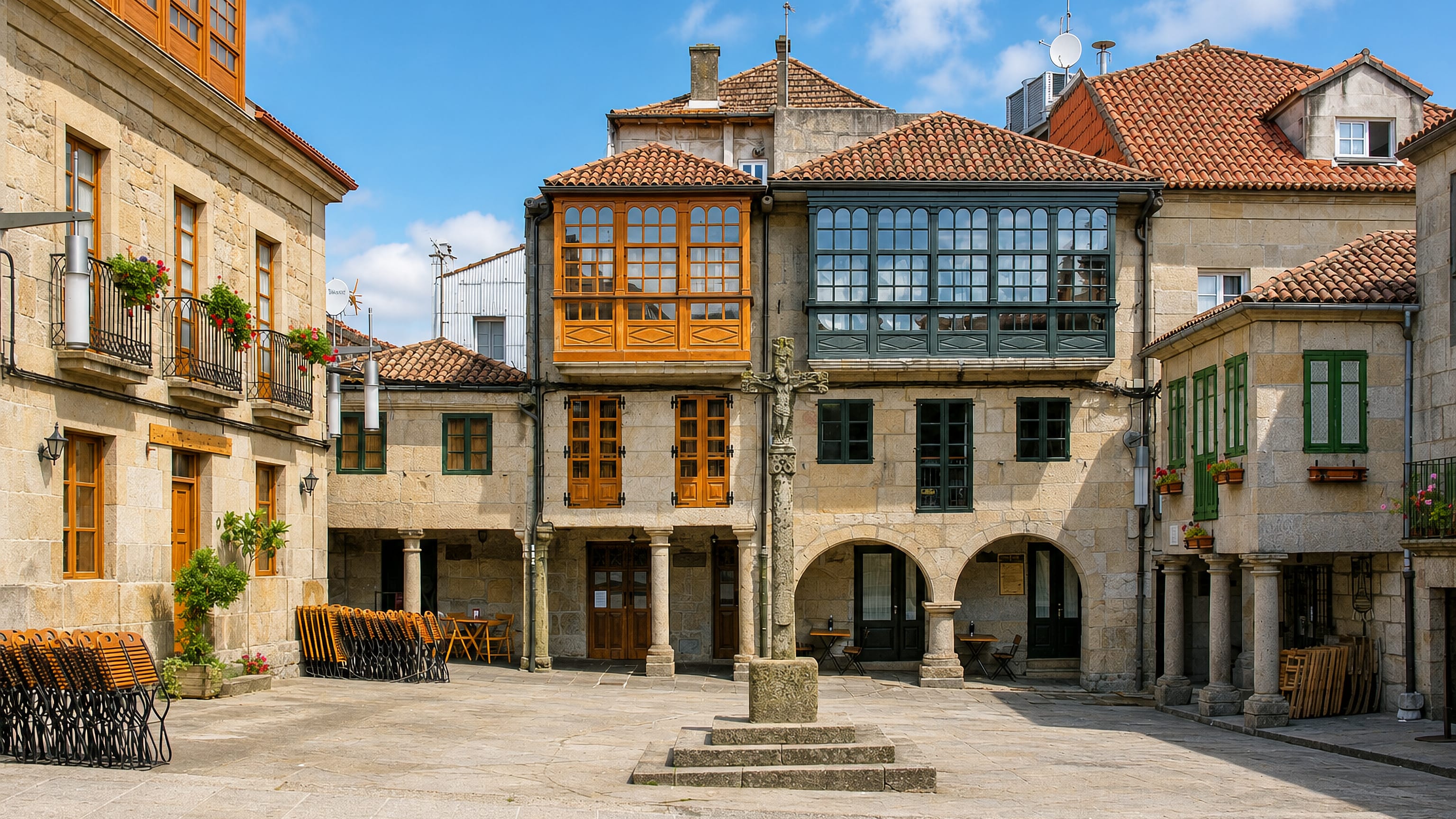
Pontevedra takes its name from pontem veteram, the old Roman bridge, and keeps a walkable old town of churches beside the river in the Rías Baixas.
Hotel links are affiliate links: booking through them may earn us a commission, at no extra cost to you. It never affects how places are ranked. How this works


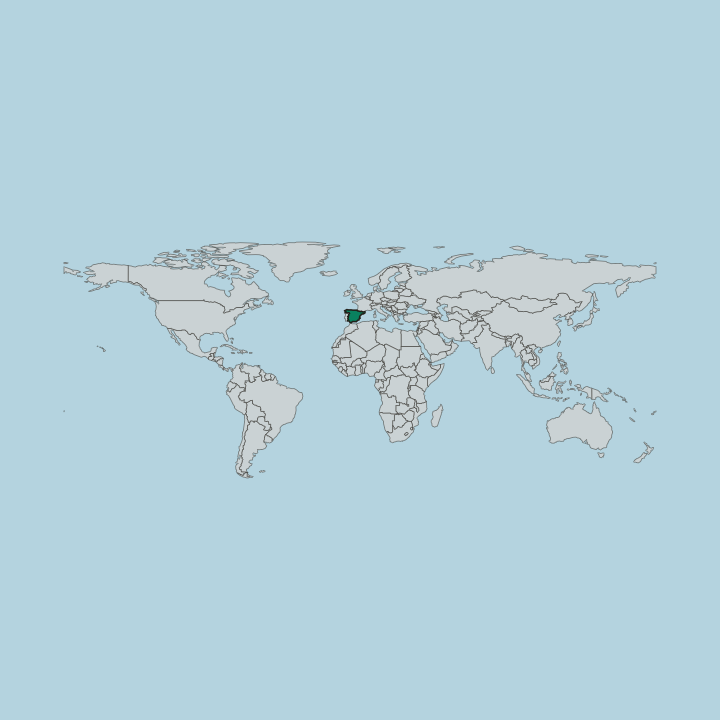
Where to stay in Pontevedra
The practical side of choosing where to sleep.
Almost everything worth walking to in Pontevedra falls inside the old town, which is why the churches of the sixteenth century and after, the Basilica of Santa María la Mayor among them, sit within a few minutes of most beds. San Bartolomé Church is closer still. The Ruins of San Domingos Convent mark one edge, and the Bells House and Casa del Correo Viejo stand among the older frontages nearby.
Quiet comes early. The museum quarter is the second answer. Pontevedra Museum spreads across the Pazo de García Flórez, the Pazo de Castro Monteagudo and the Castelao Building, so a room near them puts several days of indoor work on the doorstep, and the Colegio de la Compañía and Casa de los Vaamonde fall on the same short walk.
Rain makes the case for it. The Archbishop's Towers Interpretation Centre is minutes away. Lourizán lies outside the city.
Beds towards the Pazo of Lourizán and the Church of San Martiño de Salcedo belong to the wider municipality, and they suit you if the plan is the Rías Baixas by car rather than the old town on foot. Distances open up out here. The Complejo deportivo Rías do Sur and the Área arqueológica de A Caeira sit on the same outer ring, with the Monastery of San Salvador de Lérez and the San Xoán de Poio monastery among the outlying religious houses.
Find hotels in Pontevedra
Direct booking searches for these neighbourhoods.
The old town
The historic core of Pontevedra, where the Basilica of Santa María la Mayor, San Bartolomé Church and the Ruins of San Domingos Convent stand a few minutes apart.Find hotels in The old towna museum day across the Pazo de Castro Monteagudo and its neighboursAround the Pontevedra Museum
The streets around the Pontevedra Museum, whose collections run through the Pazo de García Flórez, the Pazo de Castro Monteagudo and the Castelao Building. Few places to stay nearby — book ahead.Find hotels in Around the Pontevedra Museumthe Pazo of Lourizán and a car for the Rías BaixasLourizán and the outer parishes
The wider municipality out towards the Pazo of Lourizán and the Church of San Martiño de Salcedo, built for driving the coast rather than walking into Pontevedra. Beds are limited here, so book early.Find hotels in Lourizán and the outer parishesHotel links are affiliate links: booking through them may earn us a commission, at no extra cost to you. It never affects how places are ranked. How this works
Things to do in Pontevedra
Ranked by global recognition; descriptions from Wikidata (CC0).
Museums & Galleries
3- Ruins of San Domingos Convent Heritage
- Pontevedra Museum Heritage
- Colegio de la Compañía Heritage
Churches & Religious Sites
3- Basilica of Santa María la Mayor Heritage
- Monastery of San Salvador de Lérez Heritage
- San Xoán de Poio monastery Heritage
Castles & Historic Sites
3- Pazo of Lourizán Heritage
- San Francisco convent Heritage
- Área arqueológica de A Caeira
Nature & Outdoors
1- Sculpture Island Park
Stadiums & Sports
1- Complejo deportivo Rías do Sur
Landmarks & Notable Places
3- Bells House
- Casa del Correo Viejo
- Casa de los Vaamonde
worth knowingacross 6 categories in Pontevedra
About Pontevedra
Churches define the old town.
What is Pontevedra known for?
A collection running from the sixteenth century to the eighteenth stands within a few streets, the Basilica of Santa María la Mayor at the head of it and the Ruins of San Domingos Convent left open to the sky. Pilgrims come through as well. The Portuguese branch of the route to Santiago passes through, and Sculpture Island Park supplies the modern counterweight.
What are the main landmarks in Pontevedra?
The Basilica of Santa María la Mayor is the one to see first. San Bartolomé Church, the San Francisco convent and the Virgen del Camino church continue the run, while the Ruins of San Domingos Convent stand roofless at the edge of the old town. Pontevedra Museum takes the rest.
Its rooms fill the Pazo de García Flórez, the Pazo de Castro Monteagudo and the Castelao Building, while outdoors the Sailor's monument and the Soldier's monument stand not far from the Tree monument and the Children's fountain.
What is the history of Pontevedra?
A bridge named the place. Pontem veteram, the old Roman bridge, was the first structure to span the river here, and the city that grew beside it has carried that name ever since. Earlier ground exists too.
The Área arqueológica de A Caeira holds traces from before any of it. Religious houses shaped the plan. The San Francisco convent and what are now the Ruins of San Domingos Convent stood at the edges of the medieval town, while the Monastery of San Salvador de Lérez and the San Xoán de Poio monastery kept to the country outside it.
Parish churches filled in around them. The Basilica of Santa María la Mayor, San Bartolomé Church and the Virgen del Camino church belong to the collection running from the sixteenth century to the eighteenth, and the Colegio de la Compañía came out of the same period of building. Pilgrims kept coming through.
The Portuguese branch of the route to Santiago runs by the old town, and the churches stand along the way walkers take. Families with means built in stone. The Pazo de García Flórez, the Pazo de Castro Monteagudo, Casa de los Vaamonde and Casa del Correo Viejo survive from that, the Pazo of Lourizán stands further out, and the Bells House keeps a name of its own.
Museums took the buildings over. Pontevedra Museum occupies several of the pazos and the Castelao Building besides, the Archbishop's Towers Interpretation Centre explains what the towers were, and Sculpture Island Park is the newest layer of all. Administration settled here as well.
Pontevedra is capital of its comarca, of the Province of Pontevedra and of the Rías Baixas.
Where is Pontevedra?
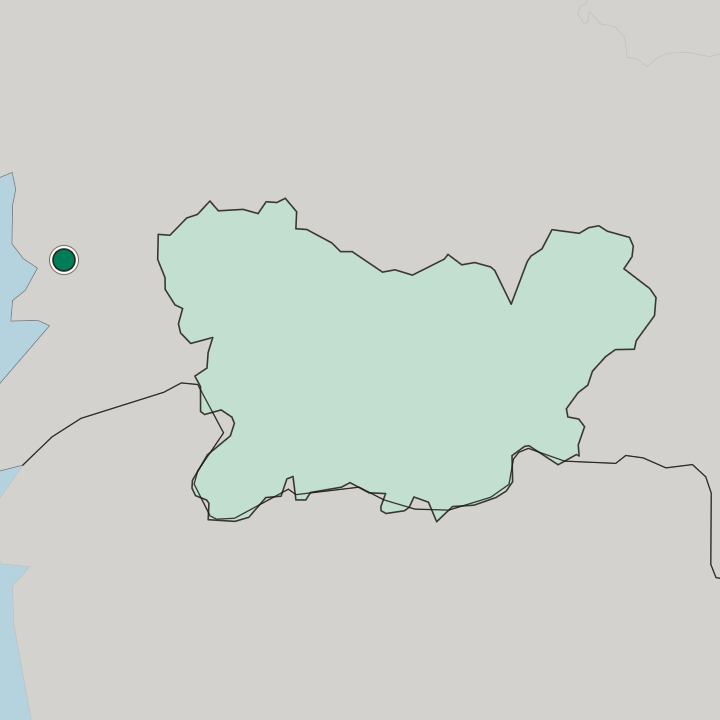
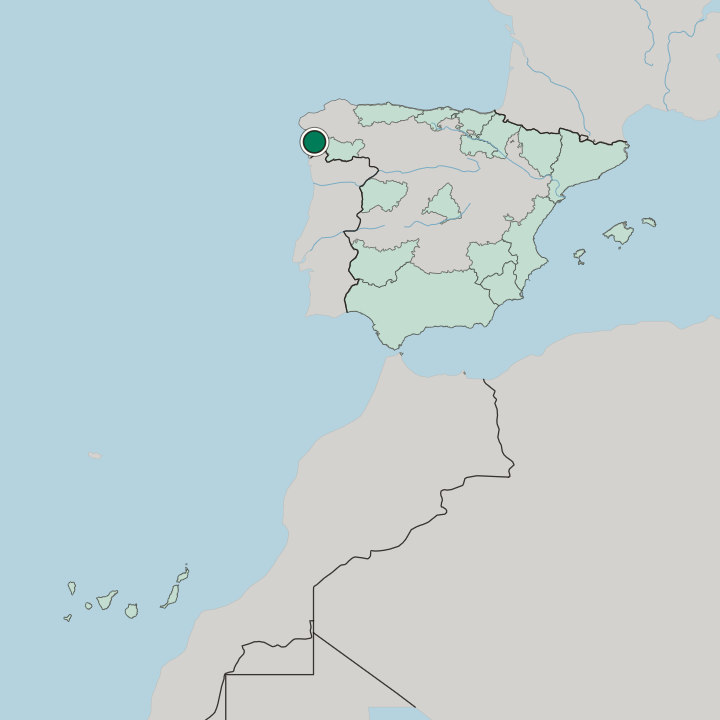
118 square kilometres reach well past the streets. Pontevedra is capital of the Rías Baixas and of its own province, and the municipality around it takes in Lourizán and Salcedo as well as the old town beside the river. Water runs through the middle.
Sculpture Island Park and the Área arqueológica de A Caeira both belong to that outer ground.
What is the climate of Pontevedra?
The Rías Baixas set the pattern. Water reaching inland from that coast keeps Pontevedra mild through winter and stops summer turning severe, and rain arrives often enough to explain how green the ground stays out around Lourizán. Bright spells are short.
Stone streets in the old town dry quickly, and Sculpture Island Park is best seen on one of those afternoons.
How do you get to Pontevedra?
The old bridge came first. Pontem veteram carried the earliest road over the river, and the town grew around that crossing rather than around any later one. Walkers use the Portuguese branch.
It runs through Pontevedra on the way to Santiago, while the Rías Baixas and the Province of Pontevedra open out beyond the municipality for anyone driving.
Common questions
What is the best area to stay in Pontevedra?
The old town: sixteenth-century churches at the end of the street. Around the Pontevedra Museum: a museum day across the Pazo de Castro Monteagudo and its neighbours. Lourizán and the outer parishes: the Pazo of Lourizán and a car for the Rías Baixas.
Good for
More cities in Galicia
Updated October 2026