Spain · Galicia
Where to Stay in Vigo, Galicia
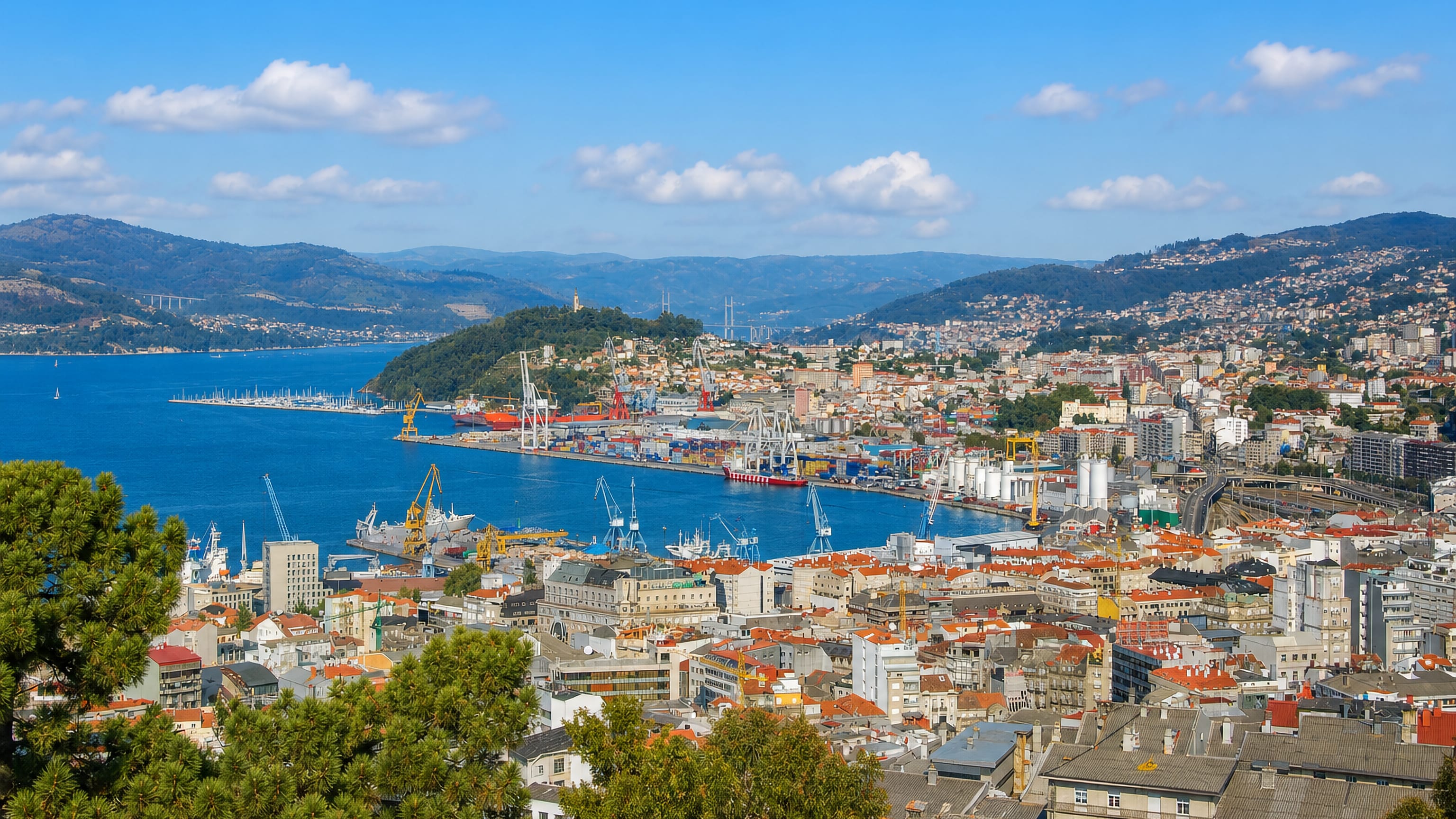
Vigo is a port city in Galicia, spread along the southern shore of the Ría de Vigo, the southernmost of the Rías Baixas.
Hotel links are affiliate links: booking through them may earn us a commission, at no extra cost to you. It never affects how places are ranked. How this works


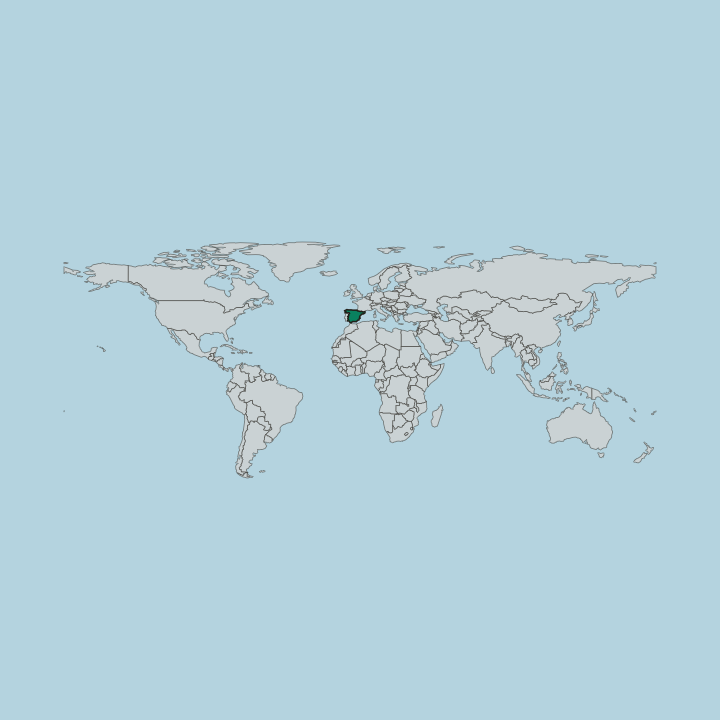
Where to stay in Vigo
How the choice of base plays out on the ground.
The Casco Viejo de la ciudad de Vigo sets the terms. A bed in the old quarter puts the Santiago de Vigo church, the Casa de las Artes and Dinoseto inside the same short circuit of streets, which is what most people are paying for when they book there. Rooms up there are few.
The buildings are old and small, so the old quarter fills early and a late booking usually means one of the outer parishes instead. Bouzas is the other argument. The quarter named in the Igrexa de San Miguel de Bouzas faces the water like the rest of the city, and the Museo del Mar de Galicia belongs to the same seaward half of the municipality, which suits you if dinner near the ría matters more than a five-minute walk to the Castillo de San Sebastián.
Buses cover the difference. Space and parking both come easier once the old quarter is behind you. Castrelos is the third choice.
The Museo Quiñones de León and the Igrexa de Santa María de Castrelos share that name between them, and a room on that side trades the harbour front for room to park. A match night rewrites the arithmetic. The Complejo Deportivo de As Travesas draws its own crowd, and Teis, marked by the Monumento homenaje al Sindicato de Agricultores de Teis, is the same kind of bet on a quieter street with a longer ride into the Casco Viejo de la ciudad de Vigo.
Find hotels in Vigo
Direct booking searches for these neighbourhoods.
Casco Viejo
The old quarter of Vigo, where the Santiago de Vigo church, the Casa de las Artes and the Castillo de San Sebastián fall within the same few streets. Few places to stay nearby — book ahead.Find hotels in Casco Viejoa seaward room near the Igrexa de San Miguel de BouzasBouzas
The quarter named in the Igrexa de San Miguel de Bouzas, on the ría side of the municipality and within reach of the Museo del Mar de Galicia.Find hotels in Bouzasthe Museo Quiñones de León and somewhere to leave the carCastrelos
The Castrelos side of Vigo, where the Museo Quiñones de León and the Igrexa de Santa María de Castrelos share a name and a corner of the city.Find hotels in CastrelosHotel links are affiliate links: booking through them may earn us a commission, at no extra cost to you. It never affects how places are ranked. How this works
Things to do in Vigo
Ranked by global recognition; descriptions from Wikidata (CC0).
Museums & Galleries
3- Museo Quiñones de León Heritage
- Museum of Contemporary Art, Vigo Heritage
- Museo del Mar de Galicia
Churches & Religious Sites
3- Monastery of A Visitación das Salesas Reais, Vigo
- Santiago de Vigo church
- Igrexa de Santa María de Castrelos
Castles & Historic Sites
3- Castillo de San Sebastián Heritage
- Casco Viejo de la ciudad de Vigo Heritage
- The Horses
Stadiums & Sports
1- Complejo Deportivo de As Travesas
worth knowingacross 4 categories in Vigo
About Vigo
The sea supplies the subject matter.
What is Vigo known for?
The Museo del Mar de Galicia and the Centro de Visitantes Cambón both take the water as their theme, while the Museum of Contemporary Art, Vigo and the Casa de las Artes account for what has been made since. Dinoseto guards its corner. Older ground shows at the Castro de Vigo, and the Museo Quiñones de León holds the collections that carry the Castrelos name.
What are the main landmarks in Vigo?
Castillo de San Sebastián heads any list. The Casco Viejo de la ciudad de Vigo carries the Santiago de Vigo church and the Casa de las Artes, the Museum of Contemporary Art, Vigo and the Pinacoteca Francisco Fernández del Riego take the galleries, and the Museo Etnográfico Liste covers craft. Dinoseto is pure novelty.
Monuments account for the rest, among them The Horses, the Monument to Jules Verne, the Monument to Carlos Gardel and La Puerta del Atlántico.
What is the history of Vigo?
Vigo is a port first. The city stands on the southern shore of the Ría de Vigo, the southernmost of the Rías Baixas, and that inlet has set the terms for every settlement recorded on this ground. Two castros survive.
The Castro de Vigo and the Castro da Punta do Muíño de Vento remain as excavated sites, and the Centro Arqueológico de Salinae keeps a third dig inside the built-up city. Parishes came next, and their churches still name the quarters the municipality later drew together: the Santiago de Vigo church, the Igrexa de Santa María de Castrelos and the Igrexa de San Miguel de Bouzas. The Monastery of A Visitación das Salesas Reais adds a fourth foundation.
Defence took the height above them, and the Castillo de San Sebastián is what remains of it. Industry reshaped everything the parishes had begun. The Monument to work and the Monumento homenaje al Sindicato de Agricultores de Teis both commemorate the labour that came with that century, in a city Galicia knows for its factories as much as for its water.
Writers and singers get their own stones. The Monument to Jules Verne, the Monument to Carlos Gardel and the Monument to Francisco Fernández del Riego stand for the figures Vigo claims, and the Pinacoteca Francisco Fernández del Riego carries the last of those names indoors. Museums arrived with the modern city.
The Museo del Mar de Galicia, the Museo Etnográfico Liste and the Museum of Contemporary Art, Vigo divide the ground between the sea, local craft and the present day.
Where is Vigo?
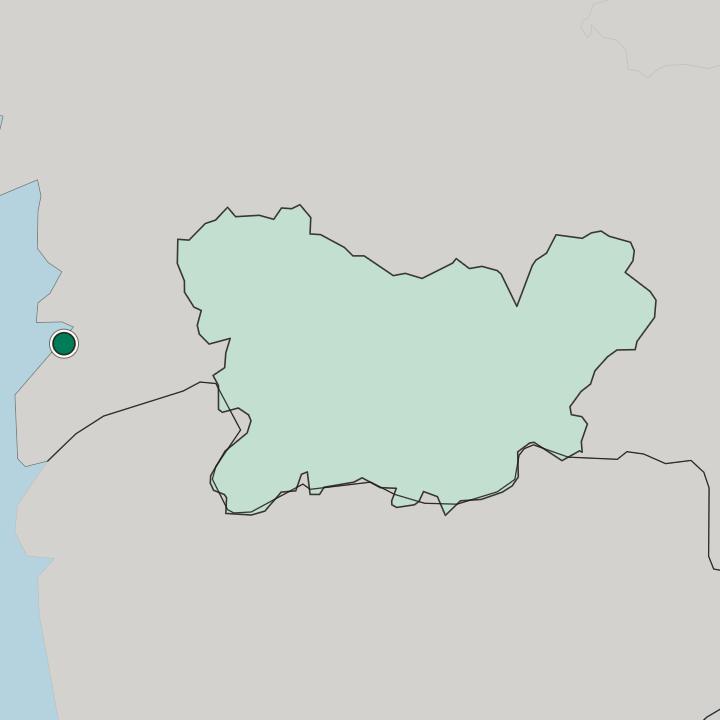
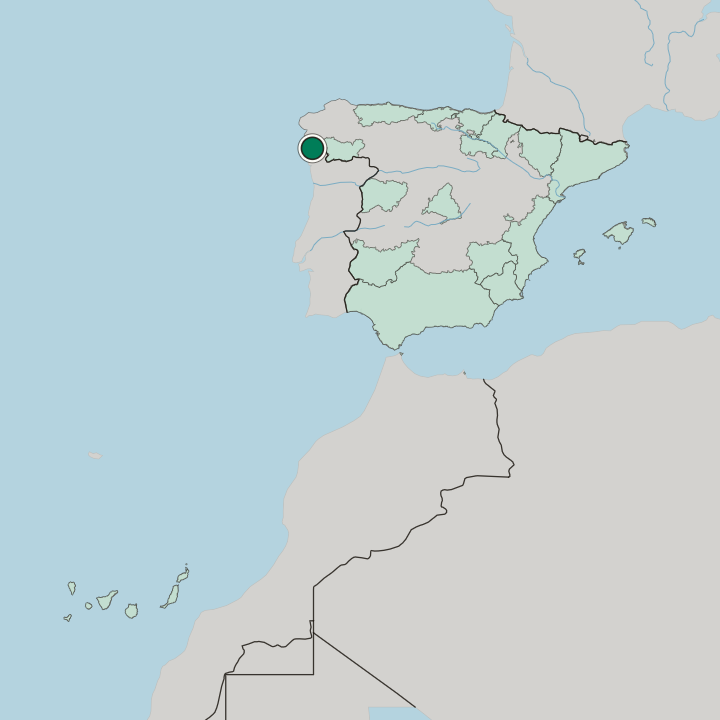
The ría dominates. Vigo covers about 109 square kilometres on the southern shore of the Ría de Vigo, an inlet of the Atlantic Ocean and the southernmost of the Rías Baixas, with open water beyond its mouth. The municipality belongs to the province of Pontevedra and heads the comarca that carries its own name.
Bouzas, Castrelos and Teis all fall inside it.
What is the climate of Vigo?
The Atlantic Ocean runs the weather here, pushing up the Ría de Vigo with rain in long grey spells and holding the temperature inside a narrow band from one season to the next. Summers stay moderate. Exposure at the mouth of the ría keeps wind on the seafront at Bouzas, and bright stretches arrive between fronts rather than in settled runs.
Hard frost seldom reaches the ría.
How do you get to Vigo?
Vigo works as a port, and traffic on the Ría de Vigo has always been part of how people reach it. Everything inside the Casco Viejo de la ciudad de Vigo is walkable once you have arrived, with the Santiago de Vigo church, the Casa de las Artes and Dinoseto on one short circuit. Distances elsewhere are longer.
Bouzas, Castrelos and the streets around the Complejo Deportivo de As Travesas belong to the wider municipality rather than the old core.
Common questions
What is the best area to stay in Vigo?
Casco Viejo: walking between the Santiago de Vigo church and Dinoseto. Bouzas: a seaward room near the Igrexa de San Miguel de Bouzas. Castrelos: the Museo Quiñones de León and somewhere to leave the car.
Good for
More cities in Galicia
Updated October 2026