France · Pays de la Loire
Where to Stay in Laval, Pays de la Loire
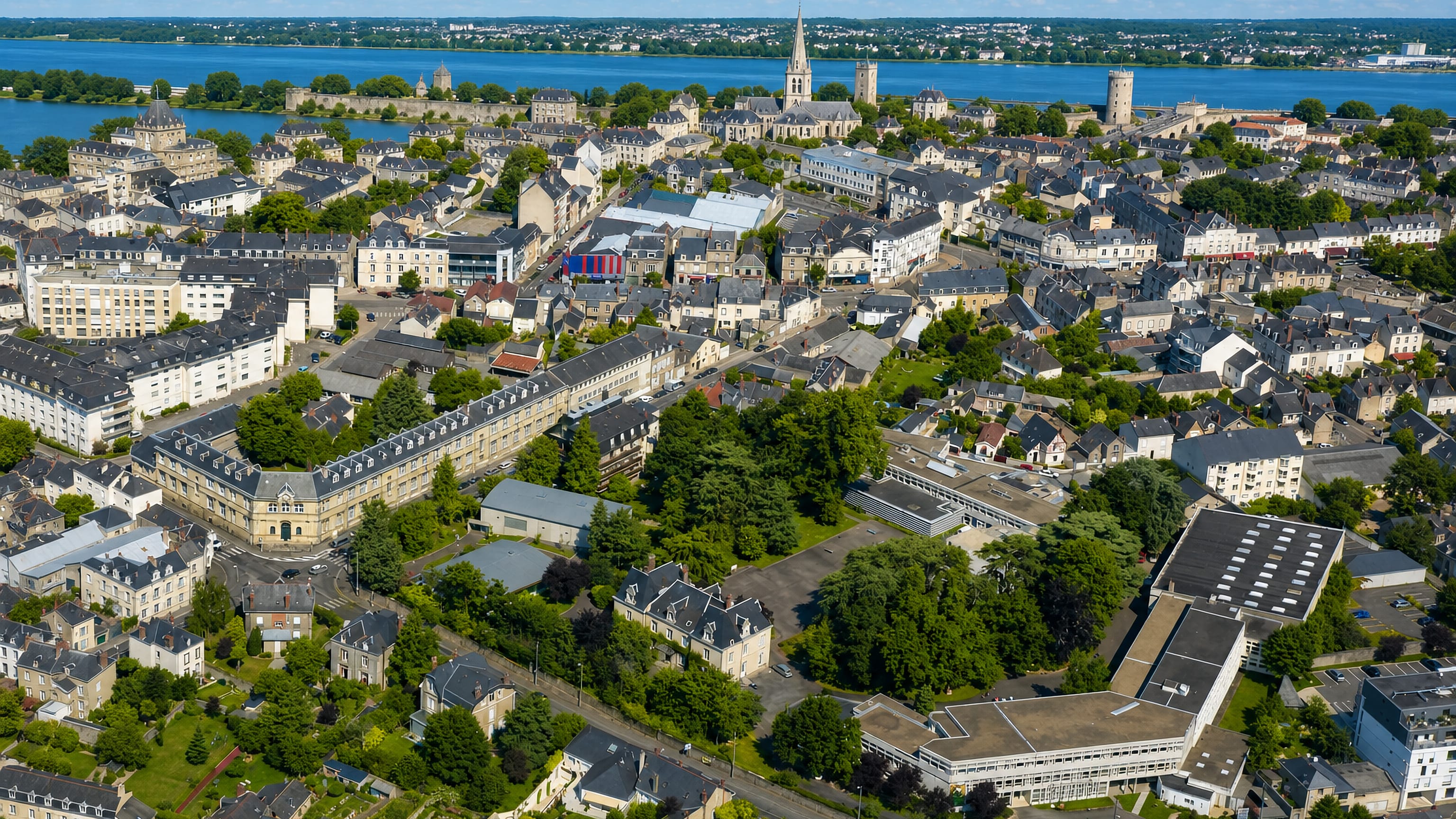
Laval, capital of the Mayenne department in western France, holds the Château de Laval and the Basilica of Our Lady of Avesnières.
Hotel links are affiliate links: booking through them may earn us a commission, at no extra cost to you. It never affects how places are ranked. How this works


Where to stay in Laval
Where the beds are, and what that means for the visit.
The old core answers most needs. A room among the sixteenth-century houses of the Grande-Rue puts the Château de Laval, the tour Rennaise and Église Saint-Vénérand within a few minutes on foot, which is the whole argument for staying central. Everything there is walkable.
If you are here for the museums rather than the churches, the central streets still leave the Musée des Sciences de Laval a manageable walk. Lavallois is the name for people from the town. The Mayenne capital is compact.
Avesnières offers the quieter option. The Basilica of Our Lady of Avesnières marks a part of Laval away from the Grande-Rue, and a stay there trades the busy core for a bigger church and a calmer set of streets. Sport pulls the other way.
Stade Francis Le Basser stands out from the centre, and a bed near it makes sense for anyone whose reason for coming is a fixture rather than the Château de Laval. The Lactopôle belongs on any list of stops beyond the churches and towers. Laval is small enough that no choice cuts a visitor off from the others.
Find hotels in Laval
Direct booking searches for these neighbourhoods.
The Grande-Rue under the château
Among the sixteenth-century houses of the Grande-Rue, beside the Château de Laval and the tour RennaiseFind hotels in The Grande-Rue under the châteauStays anchored on the Basilica of Our Lady of AvesnièresThe Avesnières side
Around the Basilica of Our Lady of Avesnières, off the Grande-Rue. Lodging is scarce in this area; reserve in advance.Find hotels in The Avesnières sideMatch days at Stade Francis Le BasserOut by Stade Francis Le Basser
The outer side of Laval next to Stade Francis Le Basser. Beds are limited here, so book early.Find hotels in Out by Stade Francis Le BasserHotel links are affiliate links: booking through them may earn us a commission, at no extra cost to you. It never affects how places are ranked. How this works
Things to do in Laval
Ranked by global recognition; descriptions from Wikidata (CC0).
Museums & Galleries
3- Musée des Sciences de Laval
- musée d'Art naïf et d'Arts singuliers
- Lactopôle
Churches & Religious Sites
5- Basilica of Our Lady of Avesnières Heritage
- Église Notre-Dame des Cordeliers Heritage
- Église Saint-Vénérand Heritage
- Église Saint-Martin de Laval Heritage
- Église Saint-Pierre de Laval Heritage
Castles & Historic Sites
2- Château de Laval Heritage
- monument à Ambroise Paré
Stadiums & Sports
2- Stade Francis Le Basser
- salle polyvalente de Laval
Landmarks & Notable Places
8- tour Rennaise Heritage
- Maison du Grand-Veneur Heritage
- tour Belot-Oissel Heritage
- Maisons du XVIème siècle, Grande-Rue, Laval Heritage
- maison, 23 rue des Serruriers Heritage
Show 3 more →
- Maison des Maires (Laval) Heritage
- Maison de Clermont Heritage
- Maison, 21 Grande-Rue Heritage
worth knowingacross 5 categories in Laval
About Laval
The château holds the middle.
What is Laval known for?
Château de Laval stands at the heart of a town of sixteenth-century houses along the Grande-Rue, and the Basilica of Our Lady of Avesnières adds a basilica to the several churches the Mayenne capital keeps. Indoor collections take it from there. The Musée des Sciences de Laval, the musée d'Art naïf et d'Arts singuliers and the Lactopôle give three quite different reasons to stop.
What are the main landmarks in Laval?
Laval keeps an unusually full list. The Château de Laval anchors it, the tour Rennaise survives from the same defensive ring, and the Basilica of Our Lady of Avesnières leads the churches alongside Église Saint-Vénérand and Église Notre-Dame des Cordeliers. A trio of museums comes next.
The Musée des Sciences de Laval, the musée d'Art naïf et d'Arts singuliers and the Lactopôle divide the indoor half of a visit three ways.
What is the history of Laval?
Stone marks the oldest layer. Château de Laval, the tour Rennaise and the tour Belot-Oissel are the defensive fabric the town kept, and the sixteenth-century houses of the Grande-Rue represent the domestic building that followed. Churches multiplied alongside. Église Saint-Martin de Laval, Église Saint-Vénérand, Église Notre-Dame des Cordeliers and Église Saint-Pierre de Laval each hold a share of that record, and the Basilica of Our Lady of Avesnières ranks above them all.
The monastère des Ursulines de Laval belongs to the same religious build-out. Names attach to the streets. Maison du Grand-Veneur, Maison de Clermont, the Maison des Maires and the maison de la Bazoche are individually recorded houses, and the addresses along the Grande-Rue and the rue des Serruriers show how tightly that old core is documented.
One monument names a person. A monument to Ambroise Paré stands in the town, while the Monument commémoratif du combat de Saint-Melaine records an engagement rather than an individual. Later layers are civic.
The Musée des Sciences de Laval, the musée d'Art naïf et d'Arts singuliers, the Lactopôle and the Stade Francis Le Basser all belong to the modern town, which serves as capital of the Mayenne department. Laval carries no recorded year of founding.
Where is Laval?
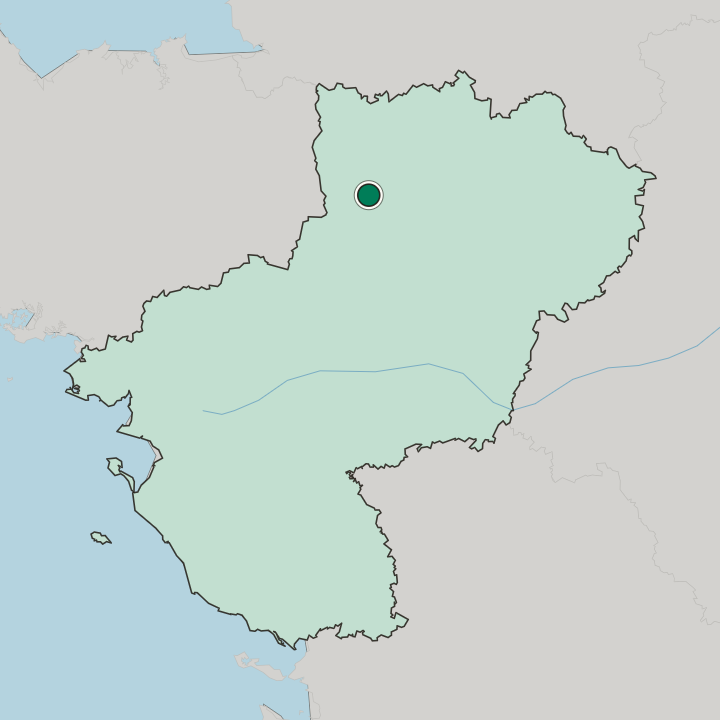
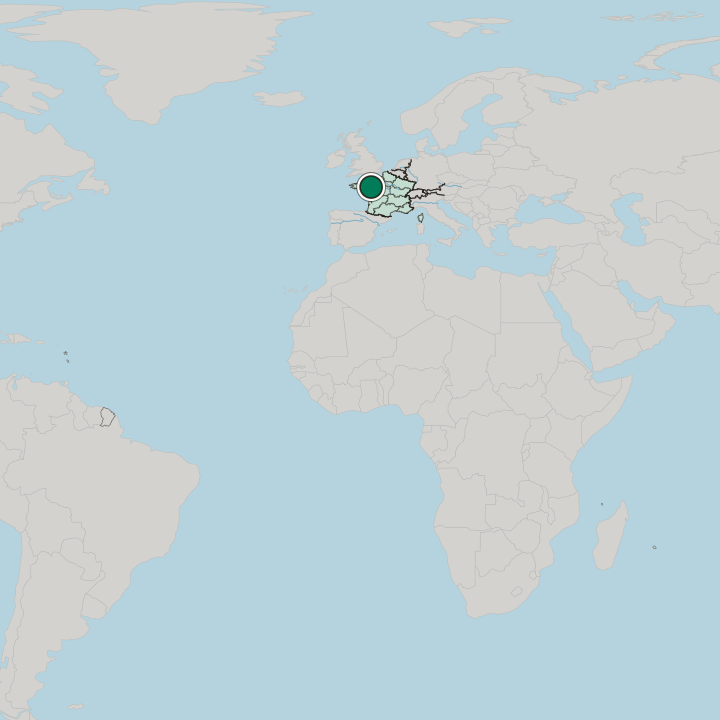
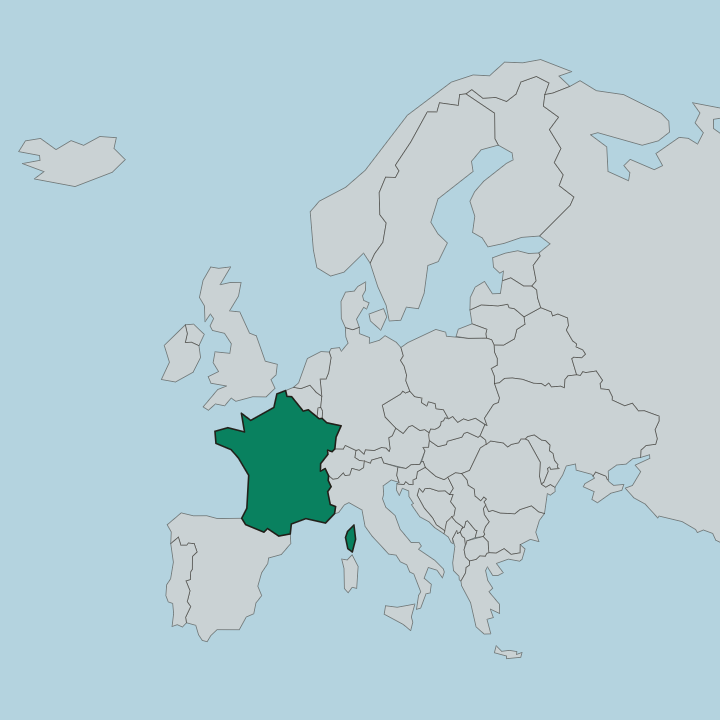
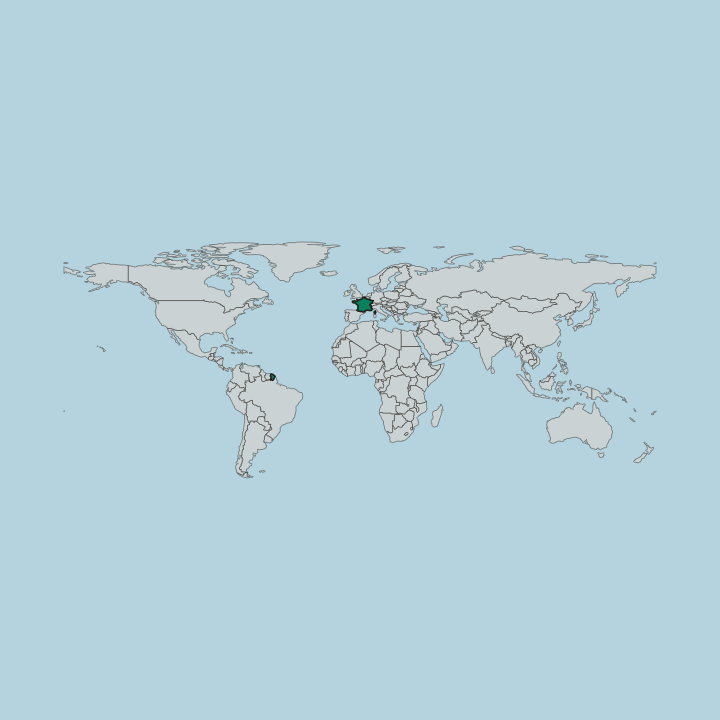
Western France is the setting. Laval lies about 300 km west-southwest of Paris, capital of the Mayenne department and one of the towns of Pays de la Loire, on ground that carries a compact commune rather than a sprawling one. Distances here are modest.
The old streets, the Grande-Rue among them, sit close enough together that the Château de Laval and the churches read as one continuous quarter.
What is the climate of Laval?
Western France sets the terms. Laval belongs to the temperate band, and the Mayenne country around it greens under the same conditions that shape the rest of Pays de la Loire. The seasons stay moderate.
The stone of the Château de Laval and the sixteenth-century houses of the Grande-Rue has weathered a long run of ordinary seasons in this part of the country.
How do you get to Laval?
Paris is the reference. Laval lies about 300 km west-southwest of it, far enough that the trip is a proper journey west rather than a suburban run out of the capital. The Mayenne department centres on the town.
Laval serves as its capital, which puts the rest of the Mayenne, and the wider Pays de la Loire, within reach of the same base.
Common questions
What is the best area to stay in Laval?
The Grande-Rue under the château: Walking stays around the Château de Laval. The Avesnières side: Stays anchored on the Basilica of Our Lady of Avesnières. Out by Stade Francis Le Basser: Match days at Stade Francis Le Basser.
Good for
More cities in Pays de la Loire
Updated October 2026