France · Pays de la Loire
Where to Stay in Nantes, Pays de la Loire
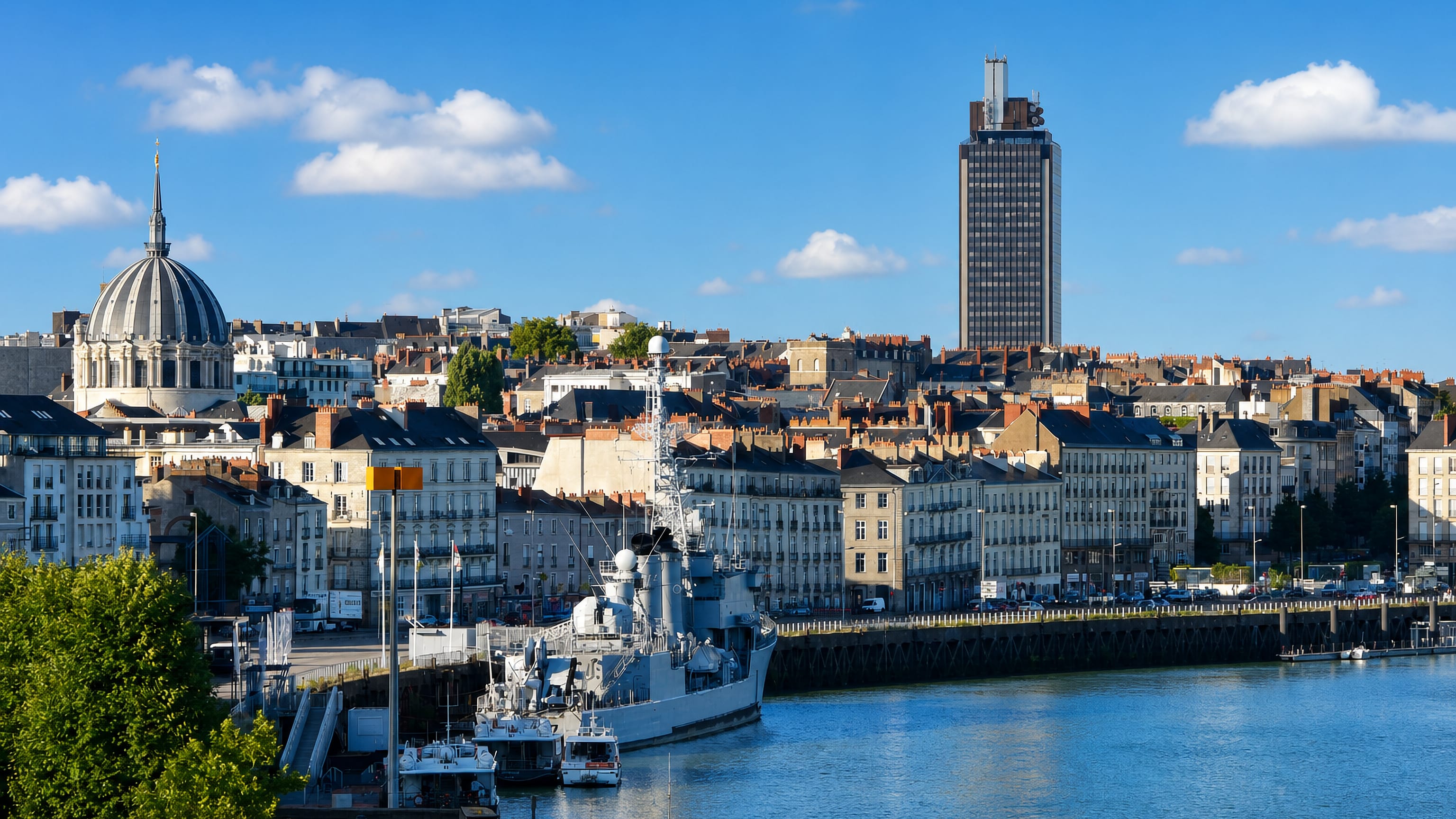
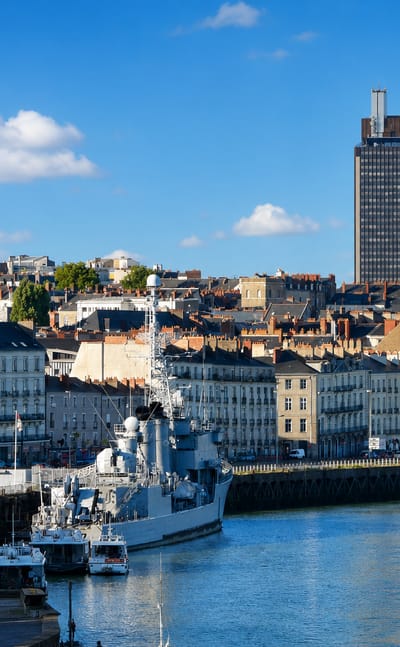
The Château des ducs de Bretagne guards Nantes, largest city of the Pays de la Loire, once the seat of the Dukes of Brittany and home of Jules Verne.
Hotel links are affiliate links: booking through them may earn us a commission, at no extra cost to you. It never affects how places are ranked. How this works


Where to stay in Nantes
Not every neighbourhood fits every trip — here's what each one is good for.
 NantesFrance
Centre-ville of Nantes
Centre-ville is the historic core of Nantes, one of eleven quartiers, holding the Château des ducs de Bretagne and the hôtel de ville.Where to stay →NantesFranceîle Feydeau
A former Loire island in the centre of Nantes, île Feydeau was laid out from the 1720s under the intendant Paul Esprit Feydeau de Brou.Where to stay →NantesFranceEuronantes
Euronantes is a business quarter of Nantes, still being completed, split between the canal Saint-Félix by the gare de Nantes and the île de Nantes.Where to stay →NantesFranceQuartier de la Création
Quartier de la Création is a redevelopment quarter on the north-west of the île de Nantes, an island district of Nantes, France.Where to stay →NantesFranceChantenay-sur-Loire
Chantenay-sur-Loire is a former commune on the right bank of the Loire, taken into Nantes in 1908 and still read as a quarter of its own.Where to stay →NantesFranceBottière
Bottière belongs to Doulon - Bottière, one of the eleven quarters of Nantes, a run of micro-quartiers north of the Loire.Where to stay →NantesFranceDoulon
Doulon is an eastern district of Nantes, a commune in its own right until 1908 and still gathered around église Saint-Médard du Vieux-Doulon.Where to stay →NantesFranceSaint-Joseph de Porterie
Saint-Joseph de Porterie is a quarter on the northeast side of Nantes, its parish created by royal ordinance in 1845, on ground occupied since 500 BC.Where to stay →Hotel links are affiliate links: booking through them may earn us a commission, at no extra cost to you. It never affects how places are ranked. How this works
Find hotels in Nantes
Direct booking searches for these neighbourhoods.
Château quarter
The Château des ducs de Bretagne and the Nantes Museum of Arts sit within a short walk.Find hotels in Château quarterOld mercantile lanes near the centreSaint-Nicolas quarter
The streets around the Basilique Saint-Nicolas hold cafes and shops close to the water.Find hotels in Saint-Nicolas quarterFamilies near the riverside machinesÎle de Nantes
The riverside island turns the Carrousel des mondes marins beside the Loire water.Find hotels in Île de NantesHotel links are affiliate links: booking through them may earn us a commission, at no extra cost to you. It never affects how places are ranked. How this works
Things to do in Nantes
Ranked by global recognition; descriptions from Wikidata (CC0).
Museums & Galleries
3- Nantes Museum of Arts Heritage
- Jules Verne Museum
- Natural History Museum of Nantes
Churches & Religious Sites
4- Basilique Saint-Nicolas Heritage
- Notre-Dame de Bon-Port Heritage
- Église Saint-Martin (Nantes) Heritage
- église Saint-Luc du Breil Malville Heritage
Castles & Historic Sites
2- Château des ducs de Bretagne Heritage
- Château de Pirmil
Stadiums & Sports
3- Stade Marcel Saupin
- Palais des Sports de Beaulieu
- Centre sportif Jose Arribas
Landmarks & Notable Places
5- La Psallette de la Cathédrale de Nantes Heritage
- Maison, 2 rue des Carmes Heritage
- Cour Catuit Heritage
- Maison, 7 rue de la Juiverie Heritage
- Immeuble, 11 rue Henri IV Heritage
worth knowingacross 5 categories in Nantes
About Nantes
What is Nantes known for?
Nantes is known as the historic capital of the Dukes of Brittany, whose fortress, the Château des ducs de Bretagne, still stands in the centre. The city gave the world Jules Verne, remembered at the Jules Verne Museum. Machines roam here now.
The Carrousel des mondes marins turns by the water, the Nantes Museum of Arts holds the fine-art collection, and the Musée Dobrée gathers the archaeology of the Pays de la Loire.
What are the main landmarks in Nantes?
Nantes keeps its landmarks around the castle and the river. The Château des ducs de Bretagne dominates the centre, and the Jules Verne Museum honours the writer born in the city. Basilicas mark the skyline.
The Basilique Saint-Nicolas and the basilique Saint-Donatien-et-Saint-Rogatien anchor the older quarters, while the Nantes Museum of Arts, the Musée Dobrée and the warship Maillé-Brézé draw visitors across the town.
What is the history of Nantes?
Nantes rose on the Loire as the historic capital of the Dukes of Brittany, and their fortress, the Château des ducs de Bretagne, still commands the centre. From that castle the dukes governed a Brittany that stood apart from the French crown, and the union of the duchy with France was sealed here. Power sat behind these walls.
The basilique Saint-Donatien-et-Saint-Rogatien and the Basilique Saint-Nicolas carry the older religious history of the medieval town that grew around the ducal seat and the river trade. The Loire made Nantes a great Atlantic port. Its wealth built the mercantile houses of the old town and filled the collections now held in the Musée Dobrée.
In the nineteenth century the city gave the world Jules Verne, whose memory the Jules Verne Museum keeps above the river he watched as a boy. The port's later industry left the riverside island that now turns the Carrousel des mondes marins, and across each age Nantes held its double identity as a Breton ducal capital and a working Loire port at the head of the Pays de la Loire.
Where is Nantes?
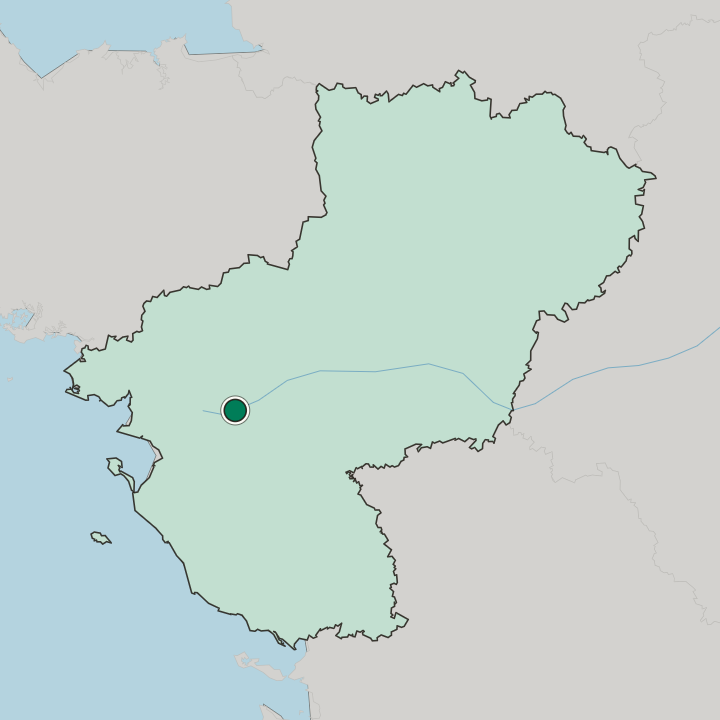
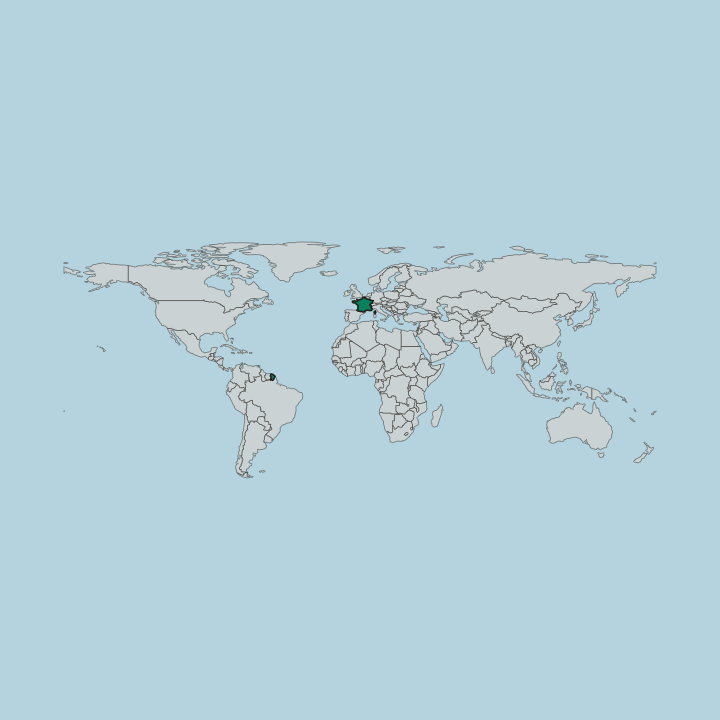
Nantes stands on the Loire near the river's Atlantic estuary, at the head of the Pays de la Loire region in western France. The river runs through the city and once split around islands that shaped its old quarters. Low country surrounds it.
The tidal Loire widens west of Nantes toward the sea, and the flat estuary land spreads around the city between the river and the ocean.
What is the climate of Nantes?
Nantes has a mild oceanic climate shaped by the nearby Atlantic. Winters stay cool and wet rather than cold, and summers run warm without long heat, tempered by the sea air off the Loire estuary. Rain falls across the year.
The maritime weather of the Pays de la Loire keeps the country green through the seasons, and hard frosts stay rare so close to the coast.
How do you get to Nantes?
Nantes anchors the transport network of western France. High-speed trains link the city to Paris in around two hours, and an airport serves the wider Pays de la Loire. Road and rail meet in the middle.
Motorways run out toward the Atlantic coast and Brittany, and from the central station the Château des ducs de Bretagne and the Loire riverside lie within a short walk across the old town.
Common questions
What is the best area to stay in Nantes?
Château quarter: Castle and galleries in the old centre. Saint-Nicolas quarter: Old mercantile lanes near the centre. Île de Nantes: Families near the riverside machines.
Good for
More cities in Pays de la Loire
Updated October 2026