France
Pays de la Loire, France — Towns & Travel Guide
Pays de la Loire follows the lower Loire west to the Atlantic, from Angers and Le Mans to Nantes and the Vendée beaches.
Hotel links are affiliate links: booking through them may earn us a commission, at no extra cost to you. It never affects how places are ranked. How this works


Towns & cities in Pays de la Loire
Pick a town or city — each links to where to stay.
 France
Nantes
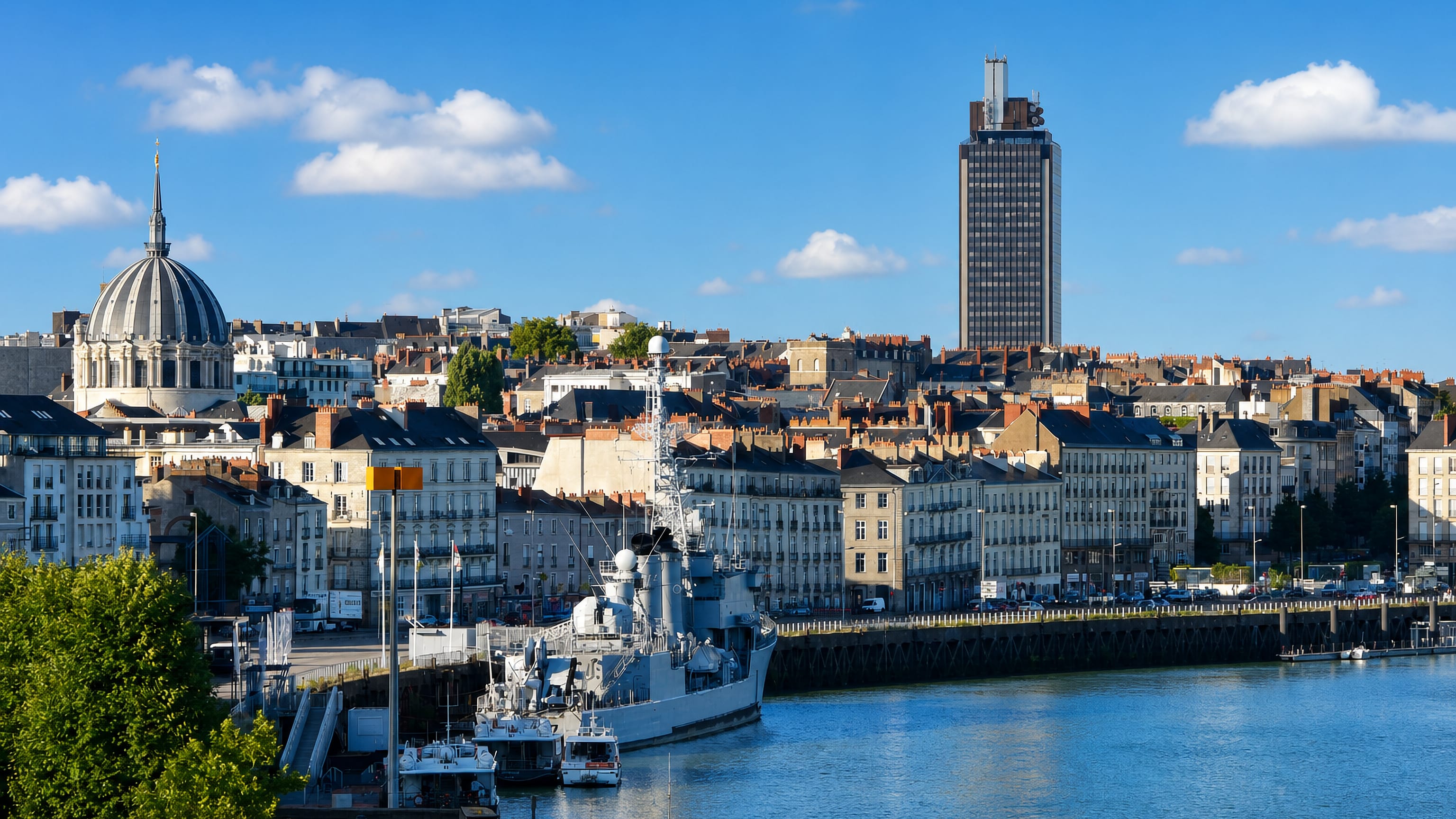
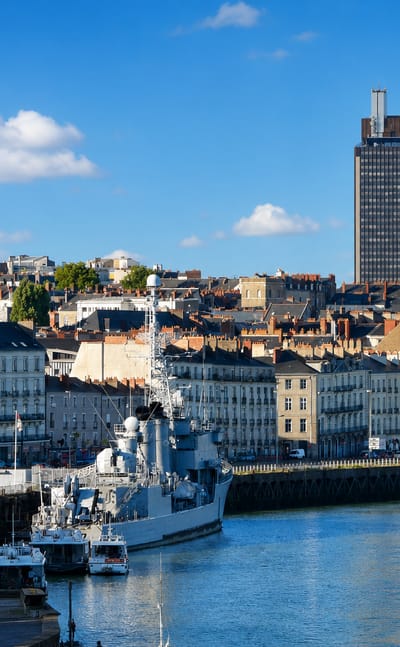
The Château des ducs de Bretagne guards Nantes, largest city of the Pays de la Loire, once the seat of the Dukes of Brittany and home of Jules Verne.Where to stay →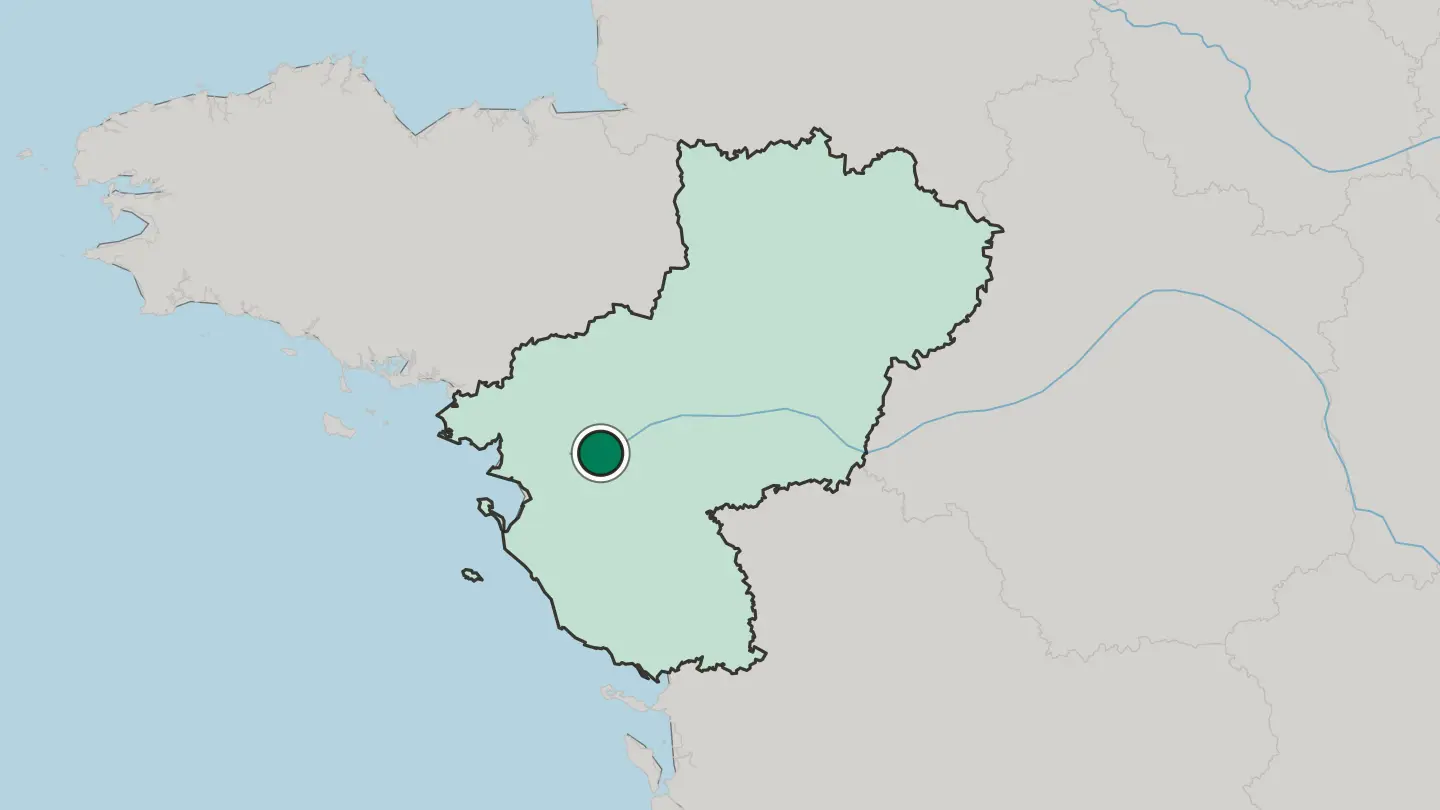
 France
Angers
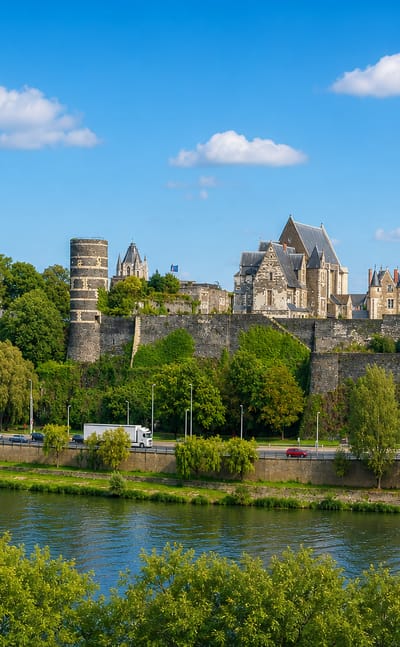
Angers is a city in Pays de la Loire, the old capital of Anjou and prefecture of Maine-et-Loire, known for Angers Cathedral and its museums.Where to stay →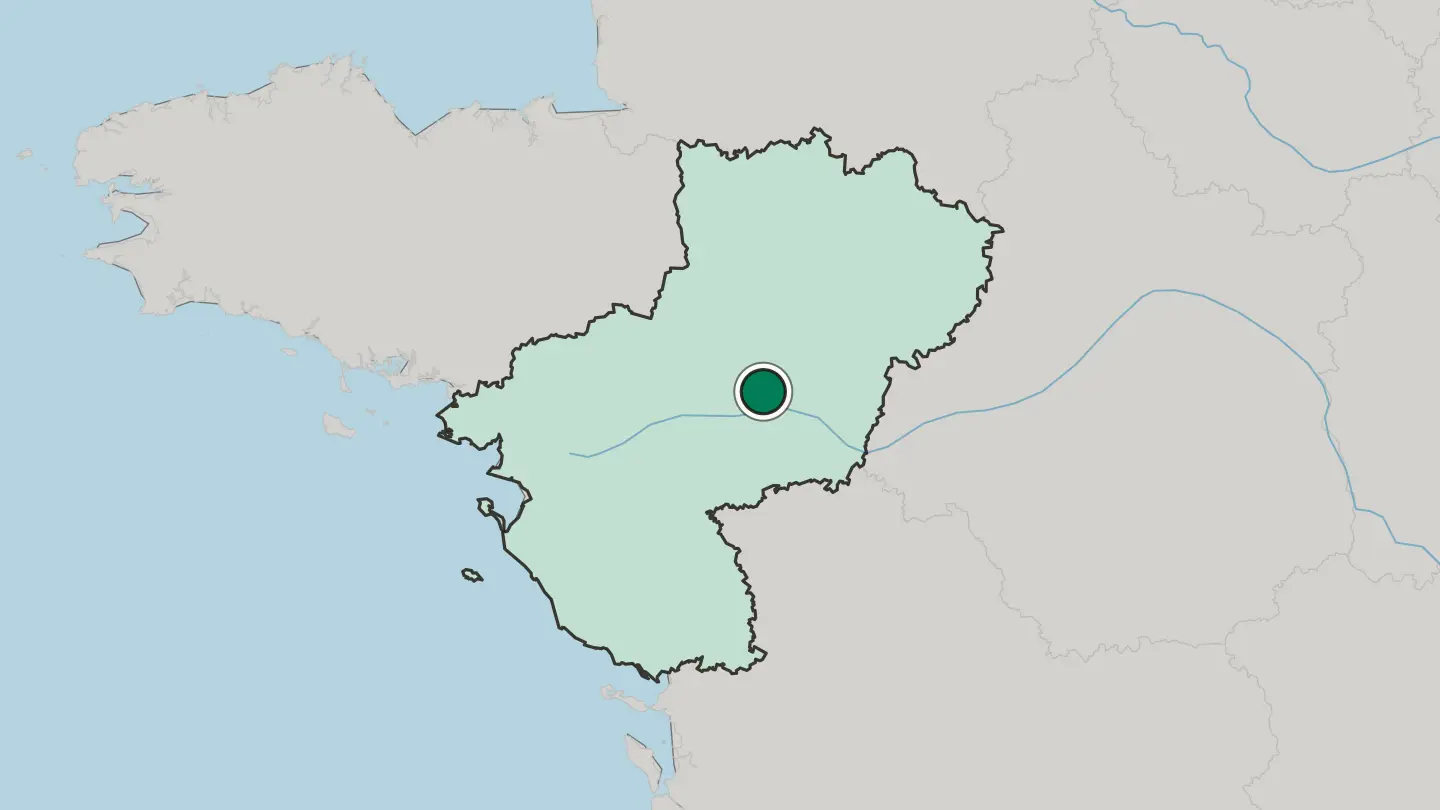
 France
Le Mans
Le Mans stands on the Sarthe where the Huisne joins it, old capital of Maine and host of the 24-hour motor race that carries its name.Where to stay →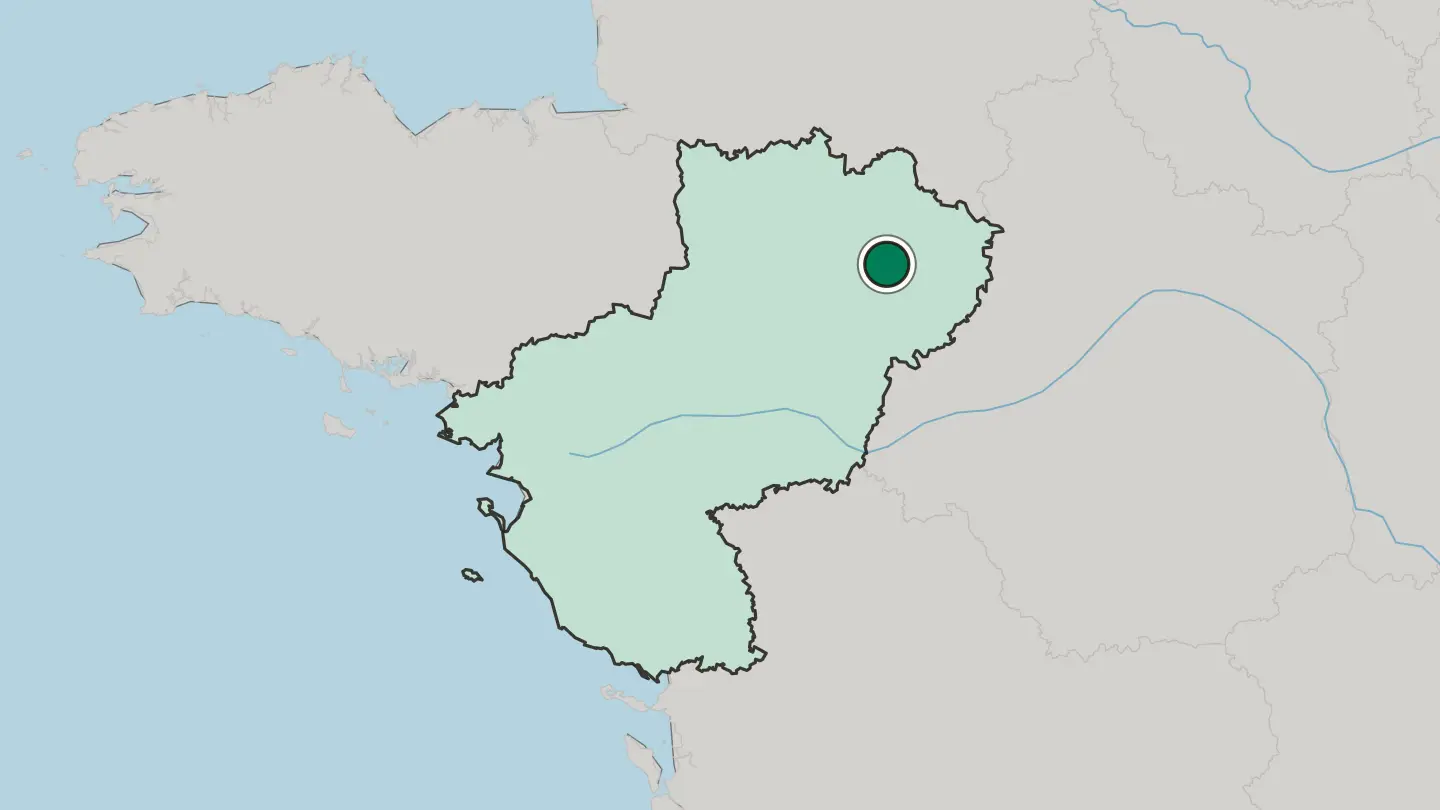
 France
Saint-Nazaire
Saint-Nazaire is a shipbuilding port at the mouth of the Loire in western France, marked forever by its great wartime submarine base.Where to stay →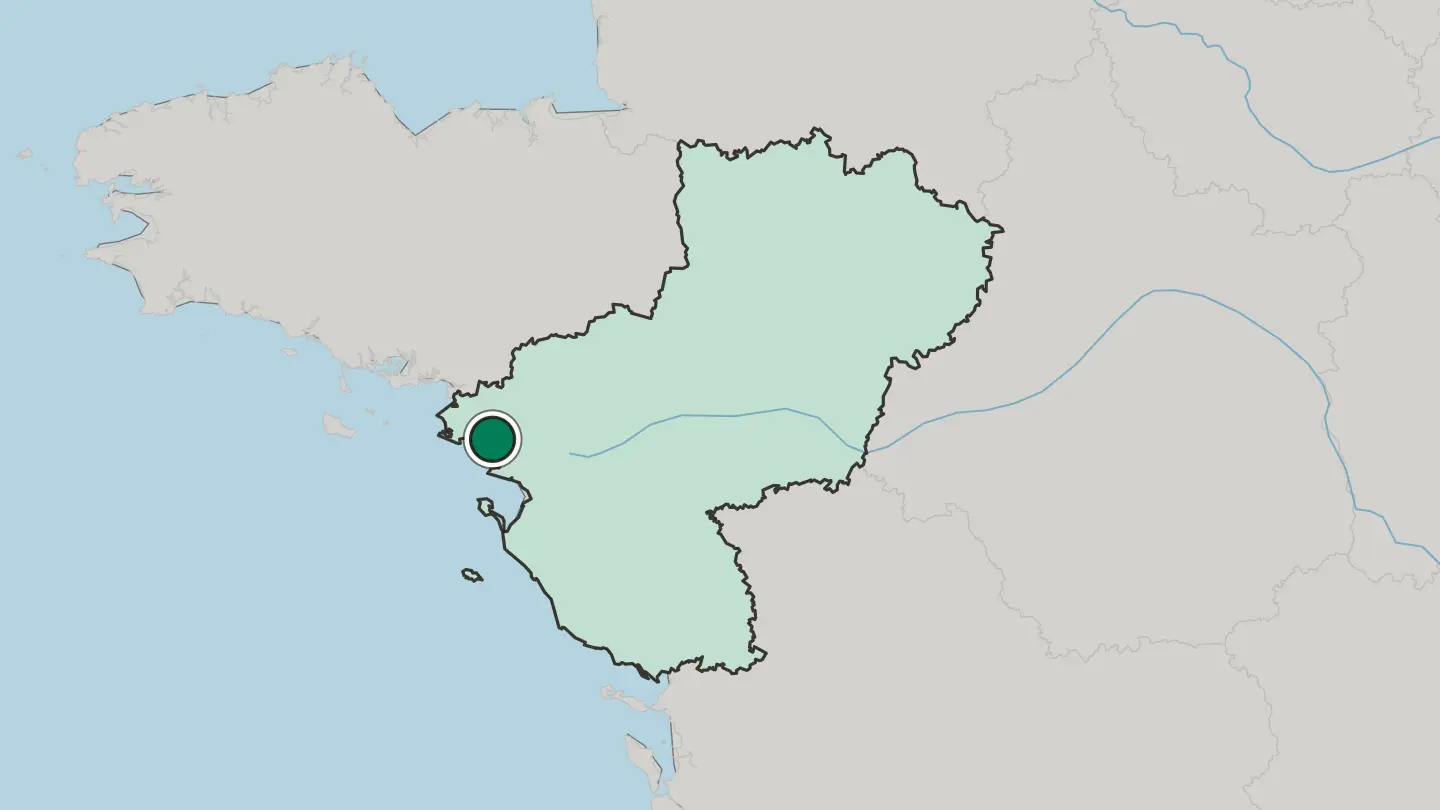
 France
La Roche-sur-Yon
La Roche-sur-Yon is the capital of the Vendée in western France, a planned town laid out by Napoleon around a great central square.Where to stay →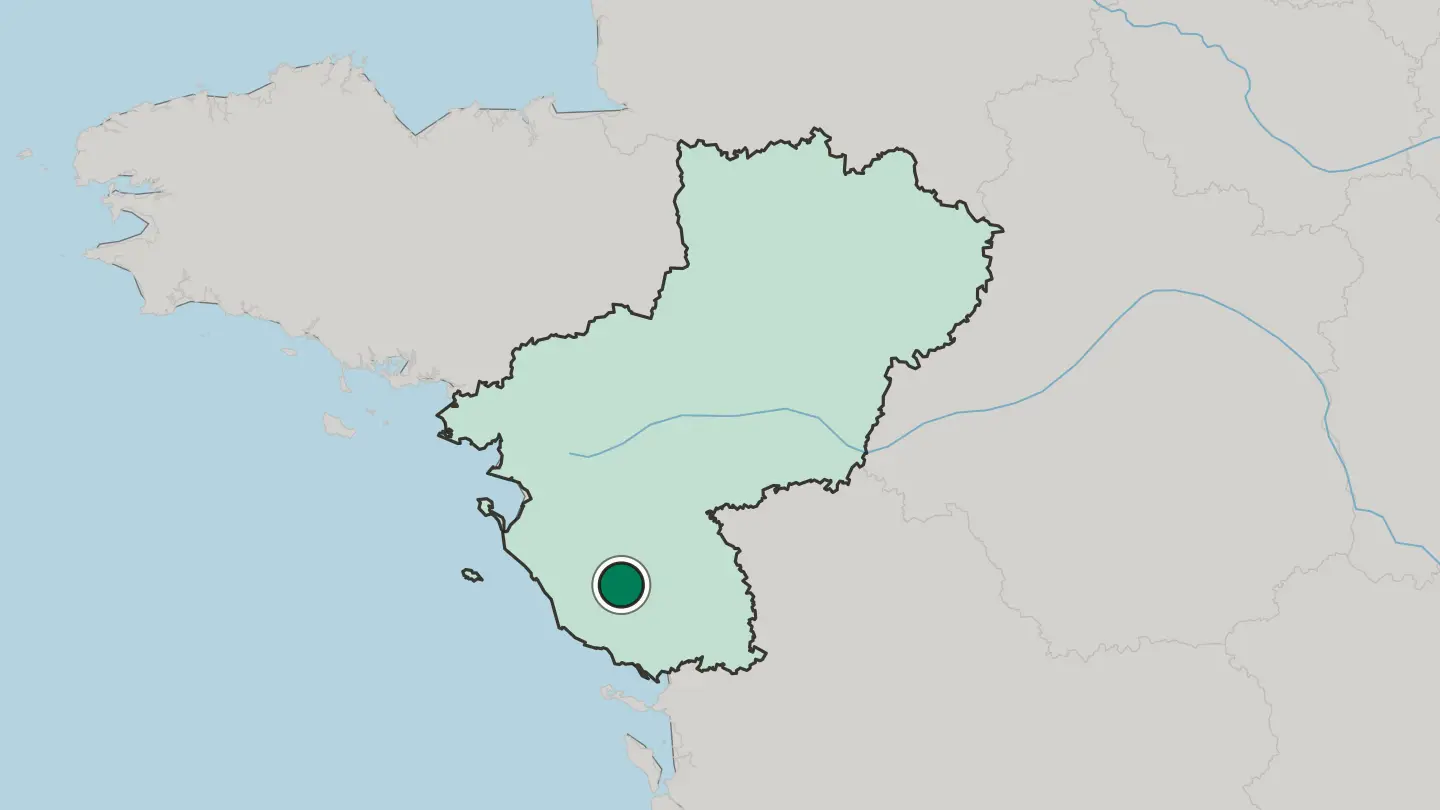
 France
Cholet
Cholet is a textile town of the Mauges in western France, a bocage country town scarred by the Wars of the Vendée and famous for its handkerchiefs.Where to stay →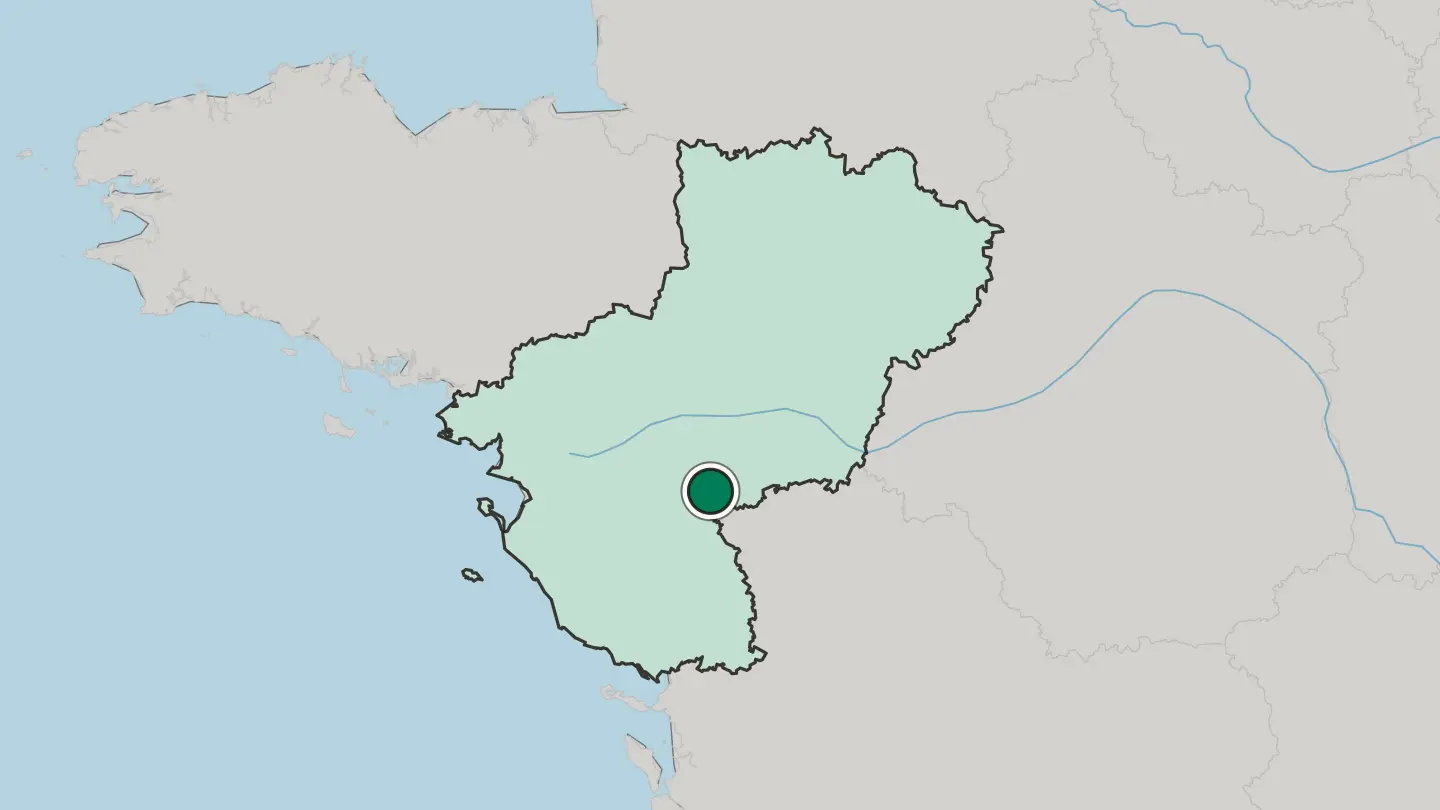
 France
Laval
Laval, capital of the Mayenne department in western France, holds the Château de Laval and the Basilica of Our Lady of Avesnières.Where to stay →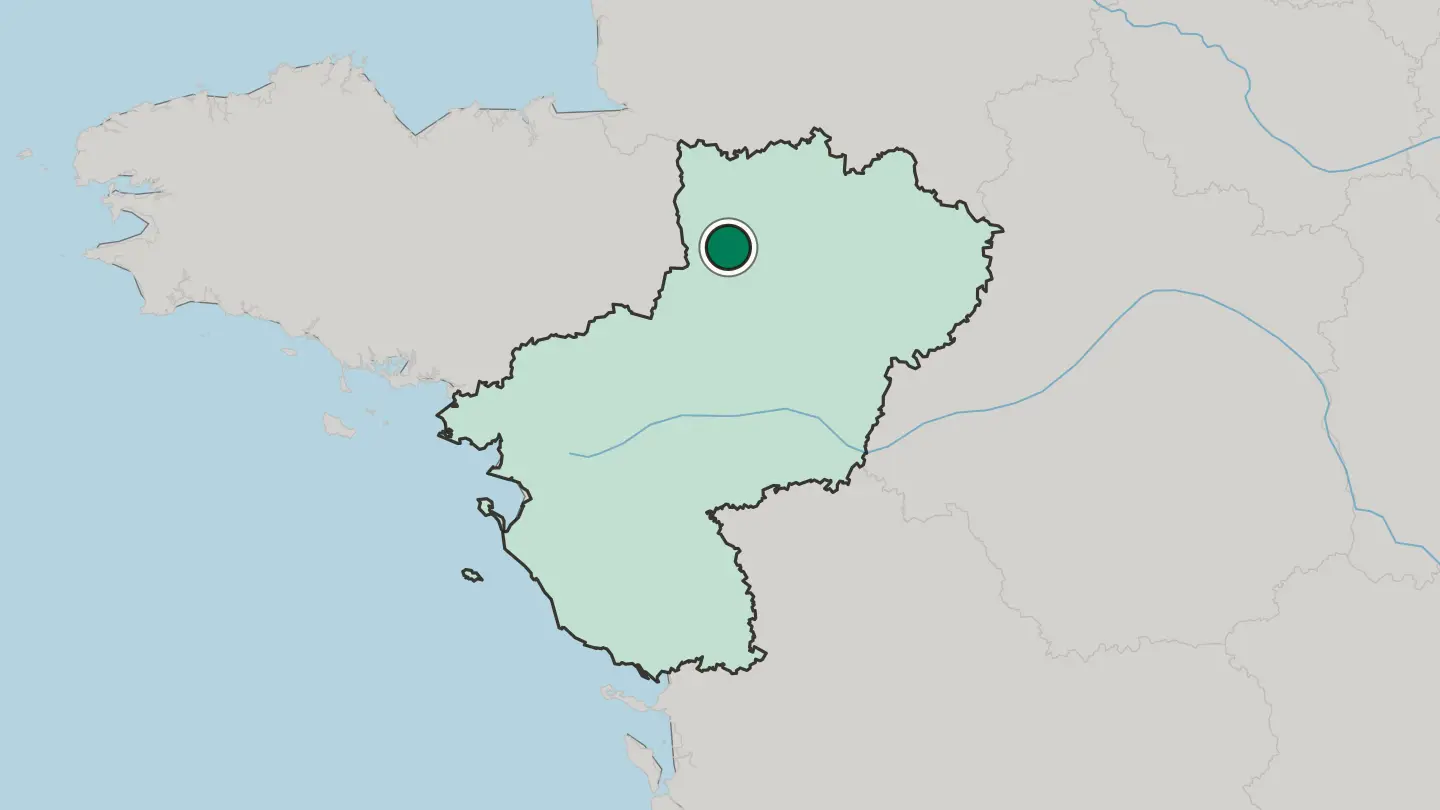
Hotel links are affiliate links: booking through them may earn us a commission, at no extra cost to you. It never affects how places are ranked. How this works
About Pays de la Loire
Wine, châteaux, and one very fast racetrack.
What is Pays de la Loire known for?
The Loire runs through the middle of the region and meets the Atlantic just past Nantes, its capital and largest city. Nantes holds the Château des ducs de Bretagne, the fortress of the old Dukes of Brittany, while Angers and Saumur anchor the Anjou vineyards and the sparkling wine of the Loire Valley. Le Mans is the name behind the 24-hour endurance race.
West of them all lies the Vendée coast, a long sandy shore backed by the sailing town of Les Sables-d'Olonne.
Where is Pays de la Loire?
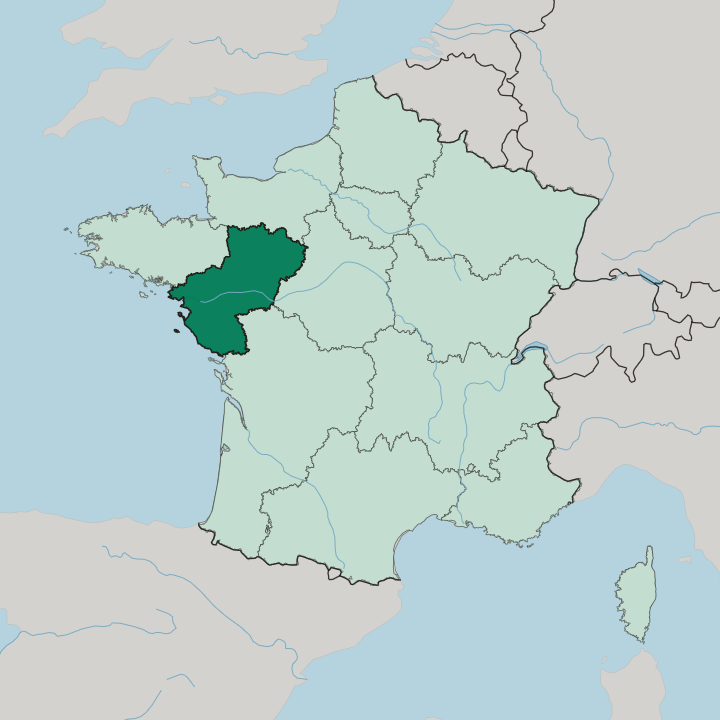
Pays de la Loire sits on the Atlantic edge of western France, wrapped around the lower reaches of the Loire as the river makes its final run to the sea. Five departments make up the region. Two of them touch the ocean: Loire-Atlantique in the north-west, where Nantes stands, and the Vendée to the south, whose beaches face the open Bay of Biscay.
The other three lie inland. Mayenne, Sarthe and Maine-et-Loire spread east across a gentler country of vineyards, river valleys and low wooded hills. Brittany borders the region to the north-west and Nouvelle-Aquitaine to the south, so the land shades from Breton coast into the warmer south-west.
The Loire is the thread that ties it together. It enters from the east near Angers, gathers the Sarthe and the Mayenne, then widens through Nantes into a broad tidal estuary that empties at Saint-Nazaire. West of the river the coast turns to long flat sand and salt marsh; the marshes of Guérande and the Marais Poitevin sit at either end of that shore.
Inland, the old rock of the Massif Armoricain rises through Mayenne, low but ancient. No corner of the region sits far from either the river or the sea.
What is Pays de la Loire like?
This is wine country as much as anywhere in France. The Anjou and Saumur vineyards around Angers and Saumur pour dry whites, rosés and the sparkling wine the Loire is known for, and Muscadet has come out of the Nantes country since the sixteenth century. Food follows the vine.
Markets carry river fish, Atlantic oysters, Guérande sea salt and the beurre blanc sauce first made along the estuary. Heritage runs from castle to abbey. Angers keeps the medieval Apocalypse Tapestry inside its fortress; Saumur trains the Cadre Noir, the black-coated riders of France's national riding school; the vast Royal Abbey of Fontevraud holds the tombs of the English kings of the House of Plantagenet.
Nantes wears a different face. The old port city turned its shipyards over to art, and giant mechanical elephants now walk its riverside. French is the everyday language across all five departments, though the region's western edge once looked to Brittany as much as to Paris.
Le Mans adds the loudest tradition of all. Its round-the-clock endurance race has drawn crowds to the city every summer for a century.
What is the history of Pays de la Loire?
The region is young; the land is old. Pays de la Loire was drawn up in the 1950s as a planning zone built around Nantes, one of a handful of French cities meant to balance the pull of Paris. Its borders cut across far older ground.
Nantes was the seat of the Dukes of Brittany, whose Château des ducs de Bretagne still stands over the Loire, and much of Loire-Atlantique counted as Breton until the region took its modern shape. Anjou to the east was the heartland of the Plantagenet counts who became kings of England. Those deep loyalties are why the region's name points to the river rather than to any old province.
What is the climate of Pays de la Loire?
The Atlantic sets the weather. Pays de la Loire has a mild oceanic climate, with cool damp winters and warm rather than hot summers, and rain spread thinly through the year. The Vendée shore, marketed as the Côte de Lumière, ranks among the sunniest stretches of the French Atlantic coast.
Move inland toward Le Mans and Mayenne and the sea's grip loosens a little, so summer days warm up and winter mornings turn crisper. Frost is rare along the water.
How do you get to Pays de la Loire?
Most travellers arrive through Nantes. Nantes Atlantique Airport sits a short way south of the city and carries flights from across France, Britain, Ireland and the rest of Europe. Fast trains link Nantes, Angers and Le Mans to Paris in a couple of hours, so the region is an easy hop from the capital.
Once here, road and rail fan out along the Loire between the inland wine towns and the Atlantic beaches. The coast is the last stop west.
Common questions
What is the best area to stay in Pays de la Loire?
Nantes: a natural first stop in Pays de la Loire. Angers and Saumur: the Loire Valley vineyards. La Baule: the northern Atlantic beach. The Vendée coast: family beaches and sailing.
Good for
More regions in France
Updated October 2026