France · Pays de la Loire
Where to Stay in Le Mans, Pays de la Loire
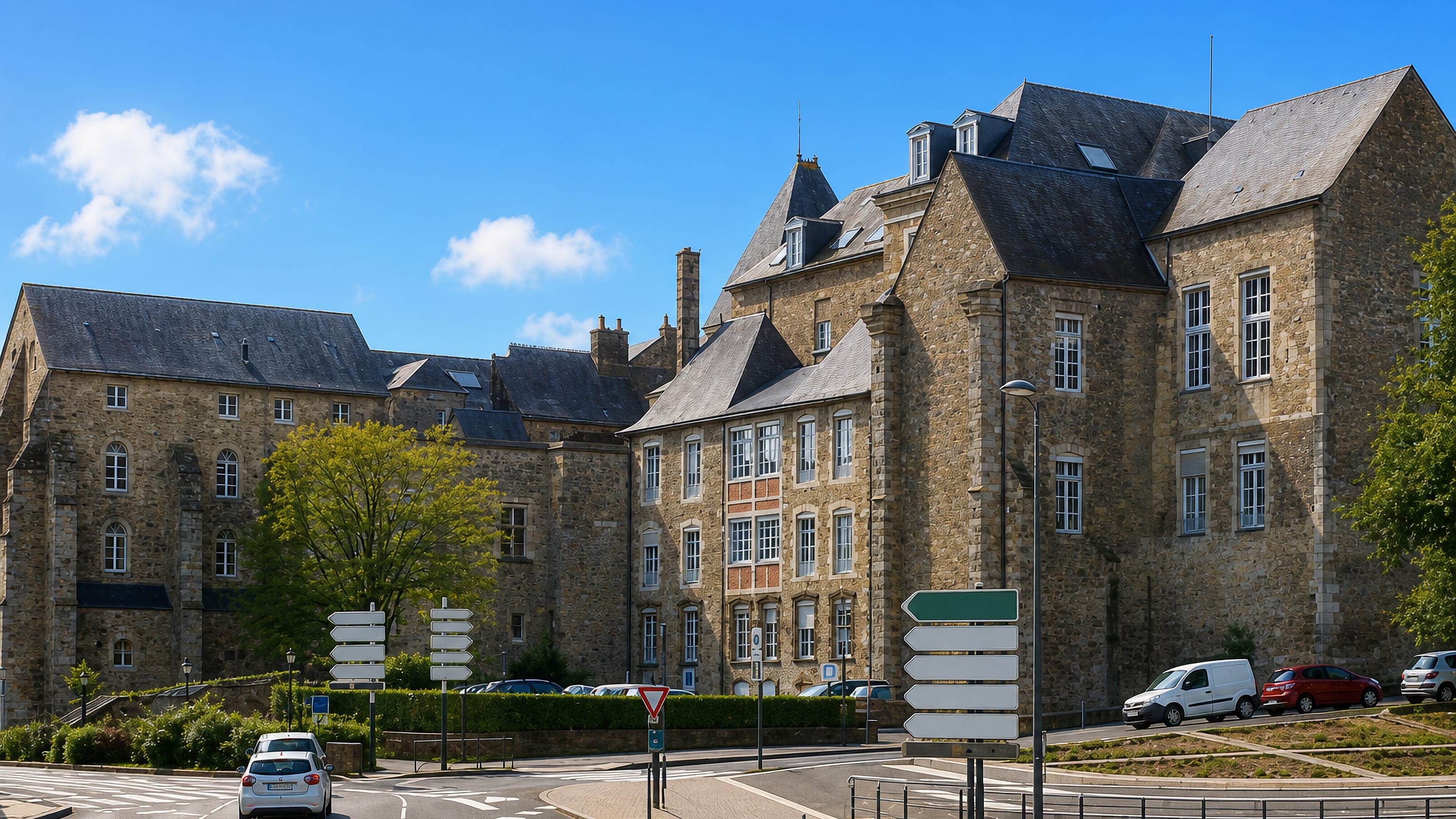
Le Mans stands on the Sarthe where the Huisne joins it, old capital of Maine and host of the 24-hour motor race that carries its name.
Hotel links are affiliate links: booking through them may earn us a commission, at no extra cost to you. It never affects how places are ranked. How this works


Where to stay in Le Mans
Where visitors usually base themselves, and why.
The Grande Rue and its named houses make one base, and the ground near the Stade Léon-Bollée makes quite another, which is the whole of the choice in Le Mans. Notre-Dame de la Couture marks the first. Rooms there put the Musée de Tessé, the Carré Plantagenêt and the Maison d'Adam et Ève within a walk.
Maison de Scarron, Maison de la Tourelle and Maison des Deux Amis line the same few streets, so a room there is a room among monuments. The Collégiale Saint-Pierre-la-Cour and the bourse du Mans stand close by. Away from the centre, the roads out towards Coulaines trade the old streets for space and an easier approach by car, which suits anyone here for the 24-hour race.
Coulaines keeps its own church. Église Saint-Nicolas de Coulaines stands there, while the Musée Vert and Église Notre-Dame-du-Pré du Mans belong to the city itself. Both bases reach the Musée de la Reine Bérengère and the Musée de Tessé inside a day. Pick the Grande Rue if you want the museums on foot, and the outer roads if you are driving to the race.
Find hotels in Le Mans
Direct booking searches for these neighbourhoods.
Grande Rue and the old streets
Maison d'Adam et Ève, Maison de Scarron and Maison du Pilier Rouge stand on these few streetsFind hotels in Grande Rue and the old streetsDrivers arriving for the 24-hour motor raceTowards Coulaines
Église Saint-Nicolas de Coulaines and the Stade Léon-Bollée mark this outer side of Le MansFind hotels in Towards CoulainesHotel links are affiliate links: booking through them may earn us a commission, at no extra cost to you. It never affects how places are ranked. How this works
Things to do in Le Mans
Ranked by global recognition; descriptions from Wikidata (CC0).
Museums & Galleries
3- Musée de la Reine Bérengère Heritage
- Musée de Tessé
- Carré Plantagenêt
Churches & Religious Sites
5- Notre-Dame de la Couture Heritage
- Église Notre-Dame-du-Pré du Mans Heritage
- Hôtel-Dieu de Coëffort Heritage
- Collégiale Saint-Pierre-la-Cour Heritage
- Église Saint-Nicolas de Coulaines Heritage
Castles & Historic Sites
2- Vindunum
- bourse du Mans
Stadiums & Sports
2- Stade Léon-Bollée
- salle les Boucheries
Landmarks & Notable Places
8- Maison du Pilier Rouge Heritage
- Maison d'Adam et Ève Heritage
- Maison de la Tourelle Heritage
- Maison de Scarron Heritage
- Maison des Deux Amis Heritage
Show 3 more →
- Maison du Pilier aux Clefs Heritage
- Maison, 1 rue de la Pierre-de-Tucé Heritage
- Maison, 45 Grande Rue Heritage
worth knowingacross 5 categories in Le Mans
About Le Mans
What is Le Mans known for?
The 24-hour motor race carries Le Mans far past the Sarthe, but the city's older claim is the run of named houses along the Grande Rue. Maison d'Adam et Ève stands there. Churches and old foundations run through the centre: Notre-Dame de la Couture, the Collégiale Saint-Pierre-la-Cour and the Hôtel-Dieu de Coëffort.
Bolton is its twin town.
What are the main landmarks in Le Mans?
The Maison d'Adam et Ève stands on the old street front with the Maison du Pilier aux Clefs and the Maison des Deux Amis, three of the named houses along the Grande Rue. Museums account for the rest. The Musée de Tessé, the Musée Vert and the Carré Plantagenêt divide the collections between them, and the Musée de la Reine Bérengère holds another.
Stade Léon-Bollée and the bourse du Mans sit outside that group.
What is the history of Le Mans?
Vindunum is the older name here. The settlement recorded as Vindunum held the ground at the joining of the Sarthe and the Huisne, and every later layer of Le Mans was laid over that first hold. Maine came next as the province the city led, and the diocese of Le Mans set its bishops in the same streets.
Church foundations account for Notre-Dame de la Couture, the Collégiale Saint-Pierre-la-Cour and the Hôtel-Dieu de Coëffort. Église Notre-Dame-du-Pré du Mans and Église Notre-Dame-de-Sainte-Croix add two more names to that list. The Carré Plantagenêt and the Musée de la Reine Bérengère carry names from that older Maine, while the Maison de Scarron and the Maison du Pilier Rouge hold the street front they were built on. Maison de la Tourelle, Maison des Deux Amis and Maison du Pilier aux Clefs keep their own names on the old streets.
The bourse du Mans marks the trading city. Later the Sarthe department made Le Mans its capital, and Pays de la Loire drew the wider region around it. Motor sport arrived last, and the 24-hour race and the Stade Léon-Bollée now stand for the city abroad.
A twinning links it to Bolton, in England.
Where is Le Mans?
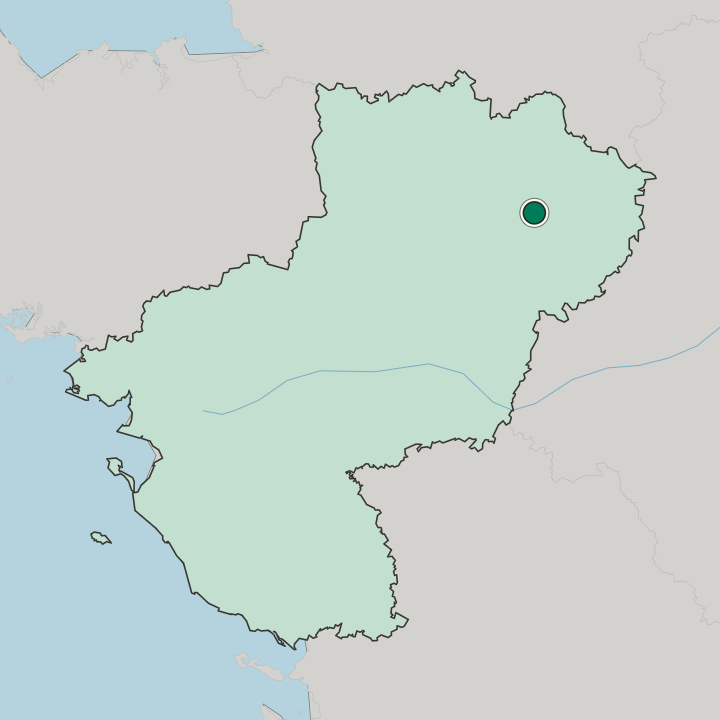
The Sarthe runs through Le Mans and gathers the Huisne where the city stands, and the two valleys shape the ground the streets are laid across. The Sarthe names the department too. Pays de la Loire takes in that department, and the province of Maine is the older frame the city belonged to.
Le Mans is its seat.
What is the climate of Le Mans?
Le Mans sits in the temperate band of the northern hemisphere, so the year turns through four marked seasons rather than a wet season and a dry one. The Huisne valley shares that. Temperature swings stay moderate through the year, which keeps the walk between the Grande Rue and Notre-Dame de la Couture comfortable in most months.
How do you get to Le Mans?
Le Mans heads the Sarthe department, which puts it at the centre of the routes crossing that part of Pays de la Loire, with the Sarthe and the Huisne valleys running in and out. Coulaines adjoins the same built area. Arrivals from Maine and the wider Sarthe country converge on the old centre, where the Grande Rue and Notre-Dame de la Couture stand.
Common questions
What is the best area to stay in Le Mans?
Grande Rue and the old streets: Stays walking to the Musée de Tessé and the Carré Plantagenêt. Towards Coulaines: Drivers arriving for the 24-hour motor race.
Good for
More cities in Pays de la Loire
Updated October 2026