United Kingdom · England · Birmingham
Birmingham Gay Village, Birmingham — Area Guide & Where to Stay
The Birmingham Gay Village is the city's LGBT district on Hurst Street, south of Birmingham city centre and next to the Chinese Quarter. Clubs fill it.
Hotel links are affiliate links: booking through them may earn us a commission, at no extra cost to you. It never affects how places are ranked. How this works


Where to stay in Birmingham Gay Village
Where visitors usually base themselves, and why.
Staying on or near Hurst Street puts you in the middle of the district's night life, steps from its clubs, cabaret bars and cocktail bars. That suits people who want to be out late rather than settled somewhere quiet. Light sleepers should weigh the noise, because the bars run live music and drag into the early hours.
Beds in the village itself are limited. Most visitors book across the wider Birmingham city centre and walk in, reaching the Bull Ring, St Martin in the Bull Ring and the Birmingham Back to Backs on foot.
Things to do in and around Birmingham
Ranked by global recognition; descriptions from Wikidata (CC0).
Museums & Galleries
3- Birmingham Museum and Art Gallery Heritage
- Birmingham Proof House Heritage
- Coffin Works Heritage
Churches & Religious Sites
8- St Martin in the Bull Ring Heritage
- St Paul's Church Heritage
- Birmingham Orthodox Cathedral Heritage
- St Agatha's Church, Sparkbrook Heritage
- Holy Trinity Church Heritage
Show 3 more →
- St. Thomas' Church Heritage
- St Anne's Church, Moseley Heritage
- St George's Church Heritage
worth knowingacross 2 categories in and around Birmingham
About Birmingham Gay Village
What are the main landmarks in Birmingham Gay Village?
The one heritage site inside the village is the Birmingham Back to Backs, a National Trust row of restored courtyard houses on Hurst Street. Walk north and you reach St Martin in the Bull Ring, the old parish church above the markets. The larger civic collections sit a little further into the centre.
Birmingham Museum and Art Gallery holds the city's main art collection, and the Thinktank science museum pulls in families with its hands-on galleries. All lie within an easy walk.
What is the history of Birmingham Gay Village?
This stretch of central Birmingham grew up as crowded working-class housing in the industrial 19th century. The Birmingham Back to Backs on Hurst Street survive from that time as the city's last court of back-to-back houses, built tight around a shared yard. Those courts are long gone.
As they came down, the area turned toward small trades, shops and entertainment, and lesbian and gay venues began to gather along Hurst Street in the later 20th century. The run of bars and clubs became known as the Gay Village, while the neighbouring Chinese Quarter grew in the same few streets.
Where is Birmingham Gay Village?
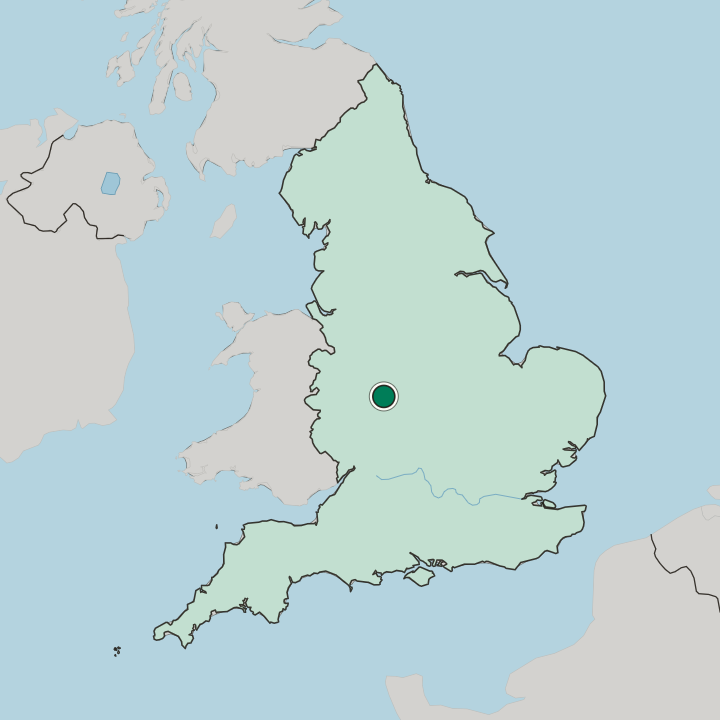
Hurst Street is the spine of the district. It runs through the southern part of Birmingham city centre, with the Chinese Quarter pressed up against it. Walk a few minutes north and the street opens onto the markets by St Martin in the Bull Ring.
The National Trust's Birmingham Back to Backs stand on Hurst Street itself, a surviving row of the courtyard housing that once packed this part of town.
Good for
More areas in Birmingham
Updated September 2026