United Kingdom · England
Where to Stay in Birmingham, England
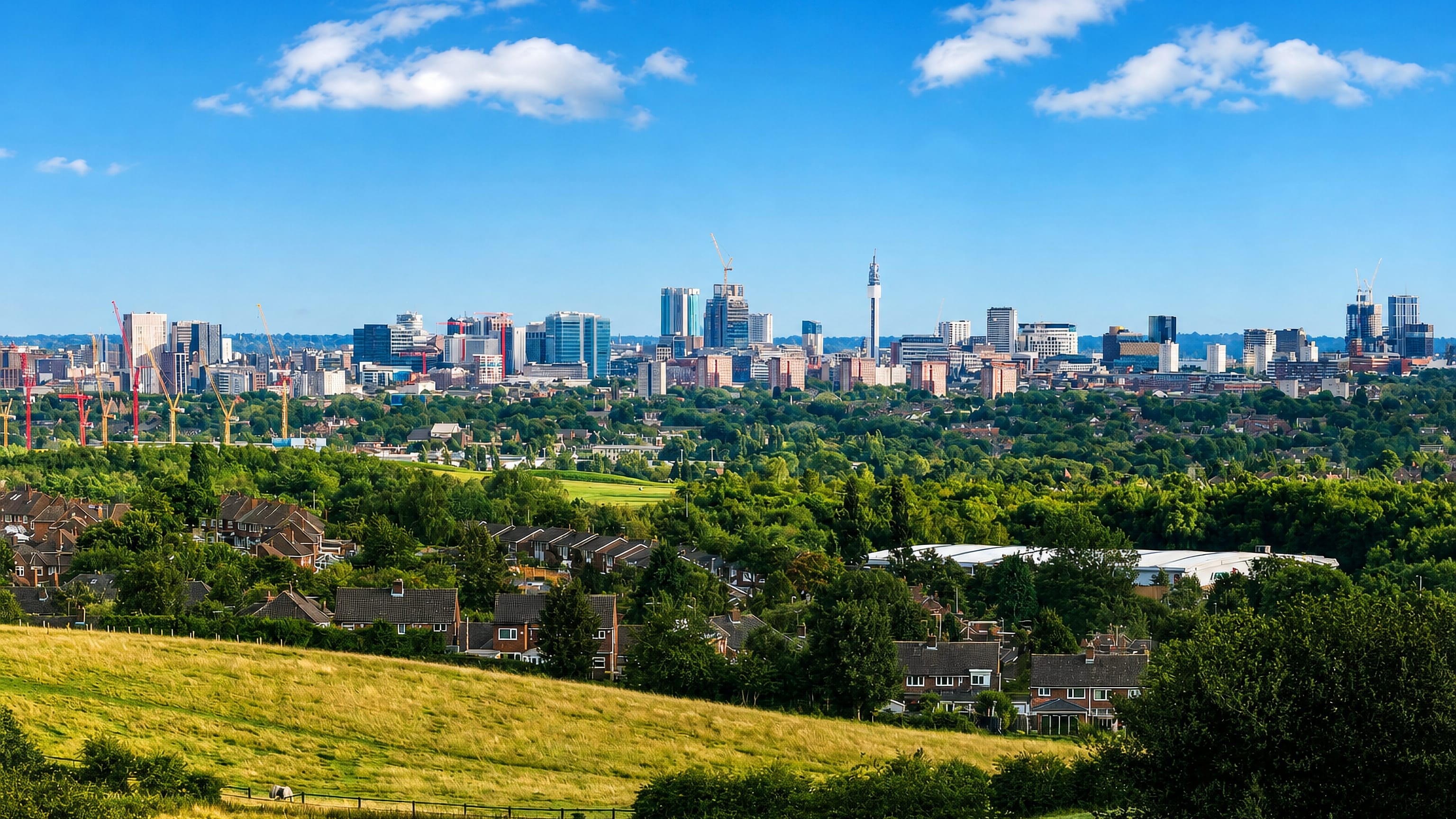
Brick and iron built Birmingham, a city in the West Midlands of England and Britain's second-largest, known for the Bull Ring and its old workshop trades.
Hotel links are affiliate links: booking through them may earn us a commission, at no extra cost to you. It never affects how places are ranked. How this works


Where to stay in Birmingham
Each area has its own feel; here's who each one suits.

 BirminghamUnited Kingdom
Chinese Quarter
The Chinese Quarter sits on the southern edge of central Birmingham around Hurst Street, the Bull Ring just north. With the Gay Village it forms Southside.Where to stay →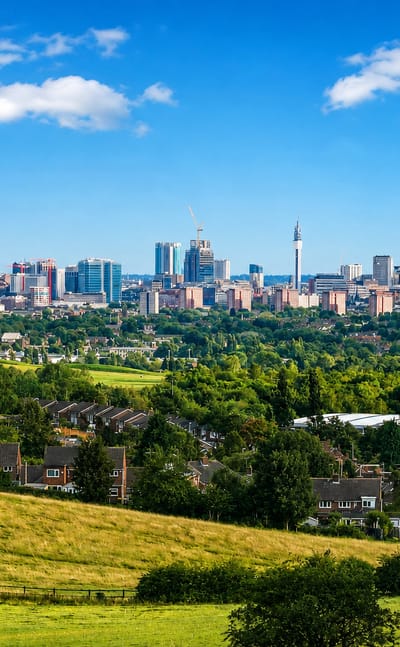 BirminghamUnited Kingdom
Birmingham Gay Village
The Birmingham Gay Village is the city's LGBT district on Hurst Street, south of Birmingham city centre and next to the Chinese Quarter. Clubs fill it.Where to stay →BirminghamUnited KingdomLee Bank
Lee Bank is an inner-city district of Birmingham against Edgbaston, rebuilt in the 2000s as Park Central. Lee Bank Middleway runs along its north edge.Where to stay →BirminghamUnited KingdomHockley
Hockley is an inner-city district of Birmingham, a mile north-west of the centre, and Birmingham's Jewellery Quarter carries on inside it.Where to stay →BirminghamUnited KingdomSummerfield
Summerfield is a district of west Birmingham, England, between Winson Green and Spring Hill, with Bishop Latimer Memorial Church, Winson Green just north.Where to stay → BirminghamUnited Kingdom
Gib Heath
Gib Heath is a district of inner north-west Birmingham, close to Winson Green in the Victorian terraces toward Handsworth. Soho House lies north.Where to stay →BirminghamUnited KingdomAston
Aston is an inner ward just north-west of Birmingham city centre, an independent parish called Aston-juxta-Birmingham until 1911.Where to stay → BirminghamUnited Kingdom
Winson Green
Winson Green sits on Birmingham's western edge, between Hockley, Spring Hill and Smethwick. The Bishop Latimer Memorial Church stands.Where to stay → BirminghamUnited Kingdom
Moseley
Moseley is a suburb south of Birmingham city centre, with King's Heath, Balsall Heath and Sparkbrook around it. St Mary's Church, Moseley anchors it.Where to stay →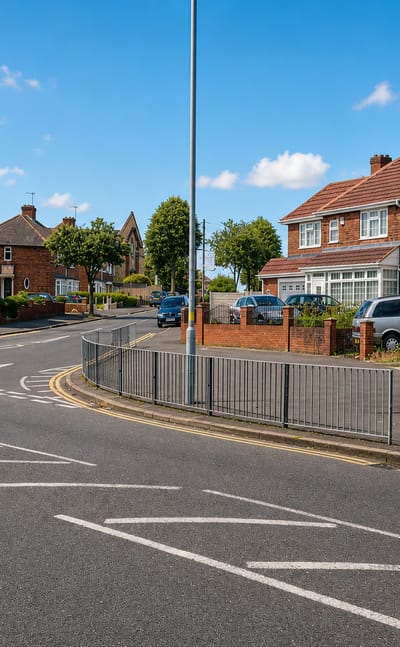 BirminghamUnited Kingdom
Washwood Heath
Washwood Heath is a Birmingham ward within Hodge Hill, holding the ground between Nechells, Bordesley Green and Stechford.Where to stay →BirminghamUnited KingdomWitton
Witton is an inner-city area of Birmingham in the West Midlands, built around Villa Park, the ground of Aston Villa Football Club.Where to stay →BirminghamUnited KingdomStockland Green
Stockland Green is an area of northeast Birmingham between Erdington and Gravelly Hill, around St Mark's Church, Stockland Green. Aston lies beyond.Where to stay →All neighbourhoods (18)
 BirminghamUnited Kingdom
Harborne
Harborne is a southwest Birmingham suburb, historically Staffordshire, its core at St Peter's Church, Harborne. The University of Birmingham borders it.Where to stay → BirminghamUnited Kingdom
Tyseley
Tyseley is a working district of east Birmingham around the railway yards, with Tyseley Locomotive Works. The Tyseley Energy from Waste Plant follows.Where to stay → BirminghamUnited Kingdom
Yardley
Yardley is an area in east Birmingham, in the West Midlands, holding Blakesley Hall, St Edburgha's Church and Pinfold House.Where to stay →BirminghamUnited KingdomAcocks Green
Acocks Green is a suburban ward of southeast Birmingham, named after the Acock family, who built a large house on the ground here in 1370.Where to stay → BirminghamUnited Kingdom
Longbridge
Longbridge lies at Birmingham's Worcestershire edge among Northfield, Rubery and Cofton Hackett, with Cofton Hall and the Hawkesley Farm moated site.Where to stay →BirminghamUnited KingdomFalcon Lodge
Falcon Lodge is a residential estate on the eastern side of Sutton Coldfield, part of Birmingham, with Walmley just south. Churches, not a centre.Where to stay →Hotel links are affiliate links: booking through them may earn us a commission, at no extra cost to you. It never affects how places are ranked. How this works
Find hotels in Birmingham
Direct booking searches for these neighbourhoods.
City centre
Around St Martin in the Bull Ring and the Birmingham Museum and Art Gallery, close to the Wheel of Birmingham and the Jewellery Quarter's St Paul's ChurchFind hotels in City centreGreener, grander streets near the universityEdgbaston
South-west quarter holding the Barber Institute of Fine Arts and the Church of SS Mary and Ambrose, EdgbastonFind hotels in EdgbastonHistory and parkland away from the centreAston and the north
Around Aston Hall in its park, with Soho House to the north-west and old Deritend nearbyFind hotels in Aston and the northHotel links are affiliate links: booking through them may earn us a commission, at no extra cost to you. It never affects how places are ranked. How this works
Things to do in Birmingham
Ranked by global recognition; descriptions from Wikidata (CC0).
Museums & Galleries
6- Birmingham Museum and Art Gallery Heritage
- Sarehole Mill Heritage
- Barber Institute of Fine Arts Heritage
- Birmingham Assay Office Heritage
- Birmingham Proof House Heritage
Show 1 more →
- Coffin Works Heritage
Churches & Religious Sites
8- St Martin in the Bull Ring Heritage
- St Paul's Church Heritage
- Church of SS Peter & Paul, Aston Heritage
- Birmingham Orthodox Cathedral Heritage
- Erdington Abbey Heritage
Show 3 more →
- St Edburgha's Church, Yardley Heritage
- St Peter's Church, Harborne Heritage
- St Alban the Martyr Heritage
Castles & Historic Sites
3- Weoley Castle Heritage
- Canterbury Cross Junior And Infants' School Heritage
- Hawkesley Farm moated site Heritage
Landmarks & Notable Places
5- 21 Yateley Road Heritage
- Cofton Hall Heritage
- Hay Hall Heritage
- Pinfold House Heritage
- Ward End Park House Heritage
worth knowingacross 4 categories in Birmingham
About Birmingham
What is Birmingham known for?
Birmingham is known as the second-largest city in Britain and the heart of the West Midlands, a place of trades and workshops. In the Victorian age it was called the City of a Thousand Trades and the Workshop of the World. St Martin in the Bull Ring marks the old market at its centre, and the Birmingham Museum and Art Gallery holds its collections.
Industry made it. The city still carries the mark of the crafts that built Birmingham.
What are the main landmarks in Birmingham?
Birmingham's landmarks trace its trades. St Martin in the Bull Ring stands over the old market at the centre, and the Birmingham Museum and Art Gallery and the Barber Institute of Fine Arts hold the city's collections. The Thinktank science museum and the Pen Museum record its industry.
Aston Hall and Soho House survive from earlier centuries in the northern quarters. The Birmingham Back to Backs preserve old workers' housing, while the Wheel of Birmingham turns above the modern centre.
What is the history of Birmingham?
Birmingham began as a small settlement and grew into the workshop of a nation. A market town in the Middle Ages around St Martin in the Bull Ring, it turned to metal trades early, and by the Victorian age it had earned the names City of a Thousand Trades and Workshop of the World. Small makers filled it.
Iron and brass shaped it. Where guns, pens, buttons, and jewellery were made in countless small shops, the town spread outward across the West Midlands into a great manufacturing city. Great houses and institutions rose with the wealth of the trades.
Soho House was home to a leading manufacturer, and Aston Hall stood in its park to the north. The Birmingham Museum and Art Gallery and the Barber Institute of Fine Arts gathered art for the growing city, while the Pen Museum and the Thinktank later recorded the industries that built it. Rows of the Birmingham Back to Backs housed the workers who kept the trades going.
Canals laced the whole place together. Birmingham grew into the second city of the United Kingdom, at the centre of the West Midlands conurbation. The workshops are fewer now.
The city still lives from the making that raised it.
Where is Birmingham?
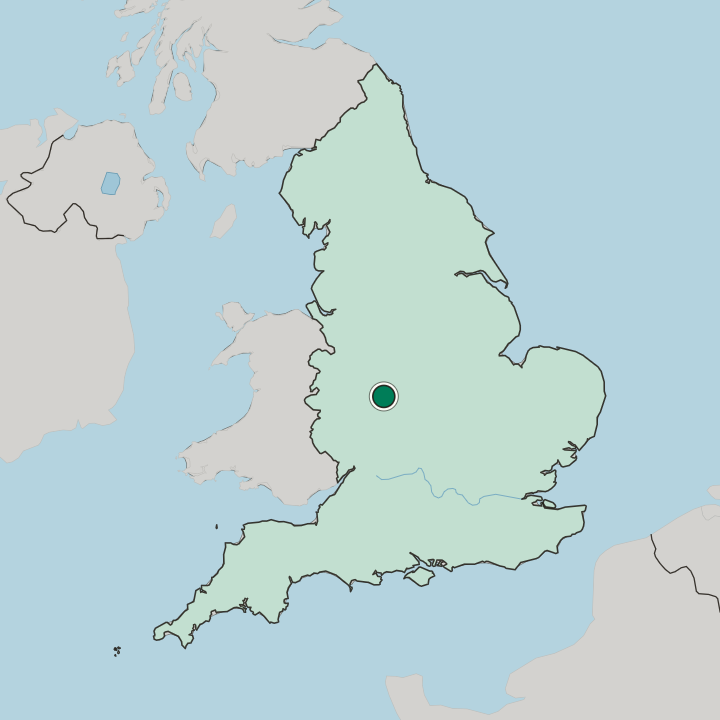
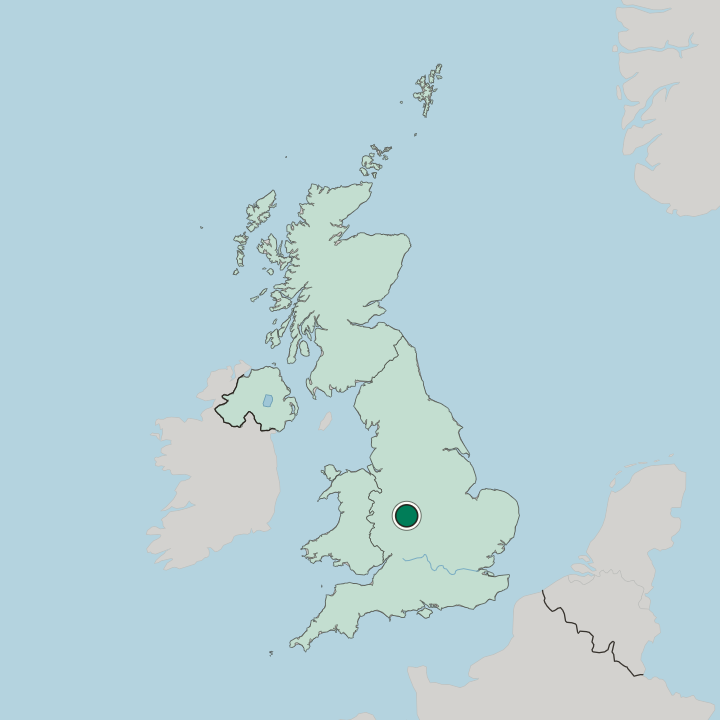
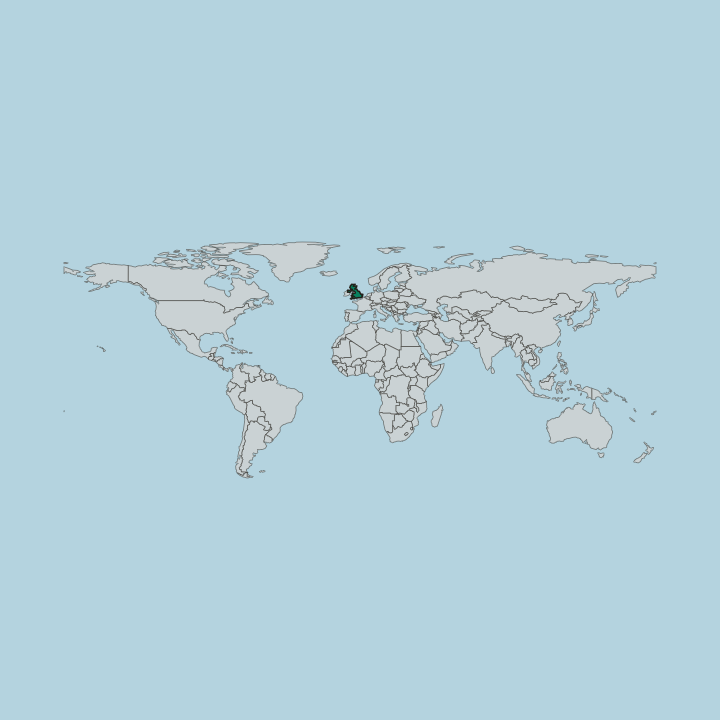
Birmingham lies in the West Midlands of England, an inland city set on a low plateau away from any coast. It stands at the centre of the West Midlands conurbation, with the Black Country on its west side and the towns of Solihull and Sutton Coldfield close around it. Coventry lies to the east across the Meriden Gap, and Lichfield to the north. The ground is gently rolling.
Canals cross the plateau that Birmingham grew upon.
What is the climate of Birmingham?
Birmingham has a cool, damp inland climate, far from the softening reach of the sea. Winters are grey and chilly, with frost and long spells of cloud settling over the plateau where the city and the wider West Midlands stand. Summers are mild and changeable.
Rain falls through much of the year, and the weather turns often over the low ground around the city.
How do you get to Birmingham?
Birmingham sits at the centre of England's rail and road network, easy to reach from every direction. Trains run in from London and the north to the stations in the centre, and motorways ring the city and link it to the wider West Midlands and the Black Country beyond. Roads meet here from all sides.
From the central stations it is a short walk to St Martin in the Bull Ring and the markets at the heart of Birmingham.
Common questions
What is the best area to stay in Birmingham?
City centre: First-time visitors who want the Bull Ring and the canals on the doorstep. Edgbaston: Greener, grander streets near the university. Aston and the north: History and parkland away from the centre.
Good for
More cities in England
Updated October 2026