United Kingdom · England
Where to Stay in Barking, England
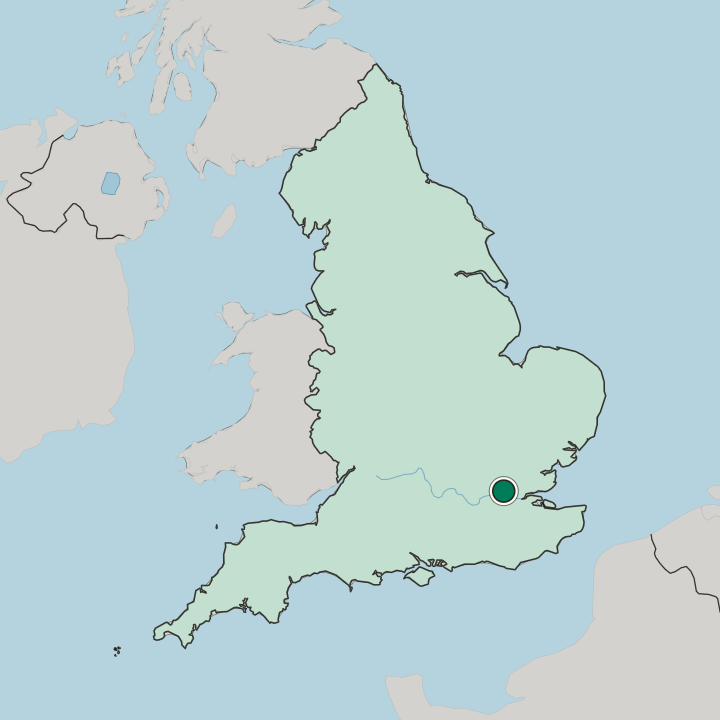
Barking is a riverside town in the London Borough of Barking and Dagenham, East London, with Barking Abbey standing on its oldest ground.
Hotel links are affiliate links: booking through them may earn us a commission, at no extra cost to you. It never affects how places are ranked. How this works


Where to stay in Barking
Not every neighbourhood fits every trip — here's what each one is good for.
 BarkingUnited Kingdom
Creekmouth
Creekmouth is an industrial area of Barking in east London, built around the works and yards of River Road and Thames Road.Where to stay → BarkingUnited Kingdom
Barking Riverside
Barking Riverside is a mixed-use development rising on the site of the former Barking Power Station, beside the River Thames in east London.Where to stay →BarkingUnited KingdomBecontree Heath
Becontree Heath names both an open space in Barking and Dagenham and the RM8 district that grew around it.Where to stay →BarkingUnited KingdomRush Green
Rush Green is a suburban part of Romford in East London, straddling the boundary of Barking and Dagenham and Havering.Where to stay →Hotel links are affiliate links: booking through them may earn us a commission, at no extra cost to you. It never affects how places are ranked. How this works
Find hotels in Barking
Direct booking searches for these neighbourhoods.
Barking town centre
The abbey ground and the retail streets that grew around it, with the East End Women's Museum a few minutes off.Find hotels in Barking town centreEastbury Manor House, Capital Karts and a car at the doorTowards Barking Riverside
The former industrial land to the south, past Eastbury Manor House and the Church of St Barnabas, now rebuilding as Barking Riverside. Lodging is scarce in this area; reserve in advance.Find hotels in Towards Barking RiversideValentines Mansion and an afternoon in the Redbridge MuseumLittle Ilford and Seven Kings
The outlying parishes around Seven Kings Methodist Church and Browning Road, within a short run of The Who Shop Museum.Find hotels in Little Ilford and Seven KingsHotel links are affiliate links: booking through them may earn us a commission, at no extra cost to you. It never affects how places are ranked. How this works
Things to do in Barking
Ranked by global recognition; descriptions from Wikidata (CC0).
Museums & Galleries
3- East End Women's Museum
- The Who Shop Museum
- West Ham United Football Club Museum
Churches & Religious Sites
8- Barking Abbey Heritage
- St Margaret's Church, Barking Heritage
- St Mary Magdalene's Church Heritage
- St Andrew's Church Heritage
- St Mary's Church, Little Ilford Heritage
Show 3 more →
- Emmanuel Church Heritage
- Church of St Barnabas Heritage
- St Patrick's Church Heritage
Castles & Historic Sites
1- Monument At South End Of Axis South From Columbarium And Non Conformist Chapel At City Of London Cemetery Heritage
Stadiums & Sports
3- Coronation Picture Palace Heritage
- Romford Greyhound Stadium
- Romford Ice Arena
Landmarks & Notable Places
6- Valence House Museum Heritage
- Red House Heritage
- Bell House Heritage
- Bentry Heath House Heritage
- Fellowship House Heritage
Show 1 more →
- The Manor House Heritage
worth knowingacross 5 categories in Barking
About Barking
Abbey first, shopping centre later.
What is Barking known for?
Barking Abbey and St Margaret's Church still hold the ground the town grew from, while the modern middle works as a retail and commercial district for this end of East London rather than as a place visitors linger. Museums do the surprising work. The East End Women's Museum, the Redbridge Museum, The Who Shop Museum and the West Ham United Football Club Museum cover far more ground between them than the size of the place would suggest.
What are the main landmarks in Barking?
Barking Abbey is the reason to come. St Margaret's Church stands on the same ground, Eastbury Manor House survives a short way out, and Valentines Mansion holds the grander end of the same story. Churches multiply from there.
The Church of All Saints, St Andrew's Church, Emmanuel Church, St Patrick's Church and the Roman Catholic Church of St Nicholas and Boundary Wall spread across the parishes, while the Coronation Picture Palace records what a night out used to look like.
What is the history of Barking?
Barking Abbey is the oldest thing here by a long way. The foundation gave the settlement its name and its early standing, and St Margaret's Church still occupies the abbey ground as the working survivor of that arrangement. Little else of the age remains.
What followed reads as a story of manor houses rather than monasteries. Eastbury Manor House and The Manor House record the landed phase, Valentines Mansion the polite one, and Red House with Fellowship House the more ordinary listed fabric that filled the gaps between them. Congregations multiplied fast.
Emmanuel Church, St Patrick's Church, the Church of St Barnabas, the Church of St Andrew and Seven Kings Methodist Church together mark how many separate ones this corner of East London ended up carrying, and the City of London Cemetery took the dead of a far wider area than Barking alone. Industry came and went along the water. The former industrial land to the south is being redeveloped as Barking Riverside, the largest single change the district has seen in a long while, and the town centre carries its own share of the same rebuilding.
The Coronation Picture Palace belongs to the older layer. Browning Road and the streets around it stand for the residential Barking that filled in between the abbey ground and the works, which is most of what the place actually consists of.
Where is Barking?
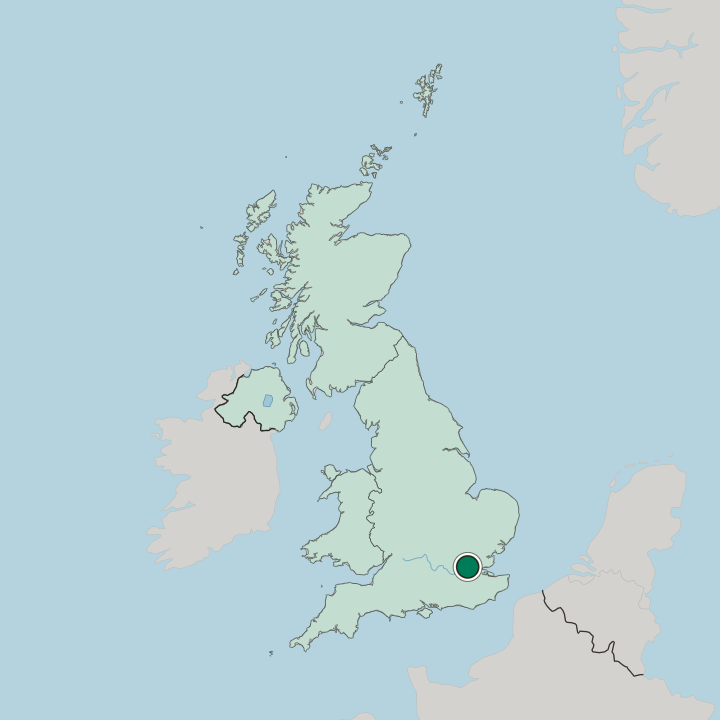
Fifteen kilometres east of Charing Cross. Barking occupies that part of East London inside the London Borough of Barking and Dagenham, its riverside ground running south towards Barking Riverside while the outer parishes reach Little Ilford and Seven Kings. Low-density residential, mostly.
Valentines Mansion, the City of London Cemetery and the Church of All Saints mark roughly how far the built-up area carries before it stops answering to the name.
What is the climate of Barking?
Snow is a rumour here. East London hands Barking the same mild and damp year as the rest of the capital, which keeps the walk round the abbey ground or out to Eastbury Manor House usable in most months and the gardens at Valentines Mansion working through nearly all of them. Wind is the variable.
Open riverside land to the south carries it inland with nothing much in the way.
How do you get to Barking?
Distance from the middle of London is the whole point. Some fifteen kilometres separate Barking from Charing Cross, which is close enough for the town to work as a base and far enough for its streets to stay residential once past the retail core. Barking Riverside is the growth edge.
Eastbury Manor House, Valentines Mansion and the Redbridge Museum all fall within a short local run of the centre.
Common questions
What is the best area to stay in Barking?
Barking town centre: Barking Abbey, St Margaret's Church and the shops in one walk. Towards Barking Riverside: Eastbury Manor House, Capital Karts and a car at the door. Little Ilford and Seven Kings: Valentines Mansion and an afternoon in the Redbridge Museum.
Good for
More cities in England
Updated October 2026