Croatia · Split-Dalmatia County
Where to Stay in Split, Split-Dalmatia County
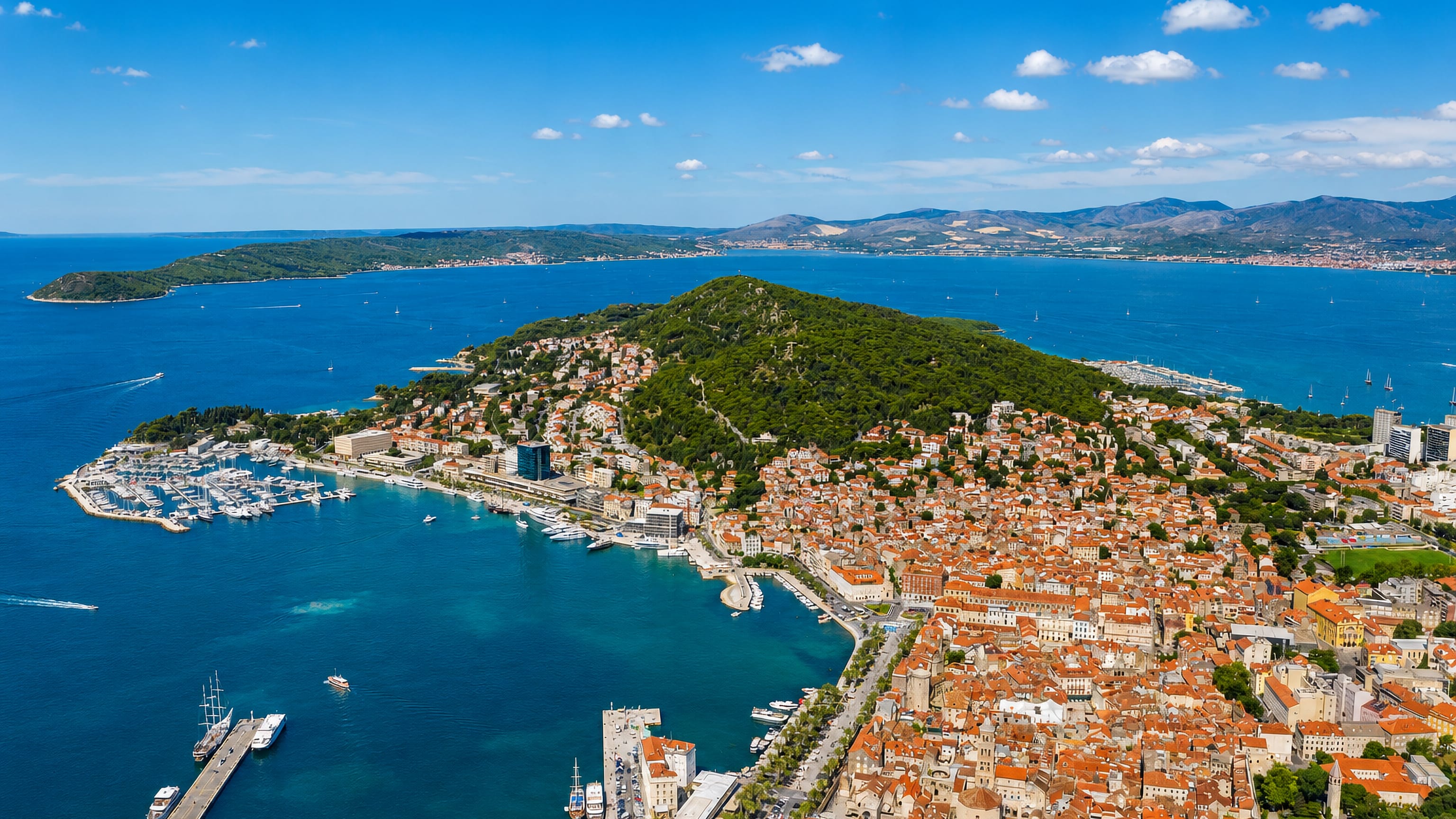
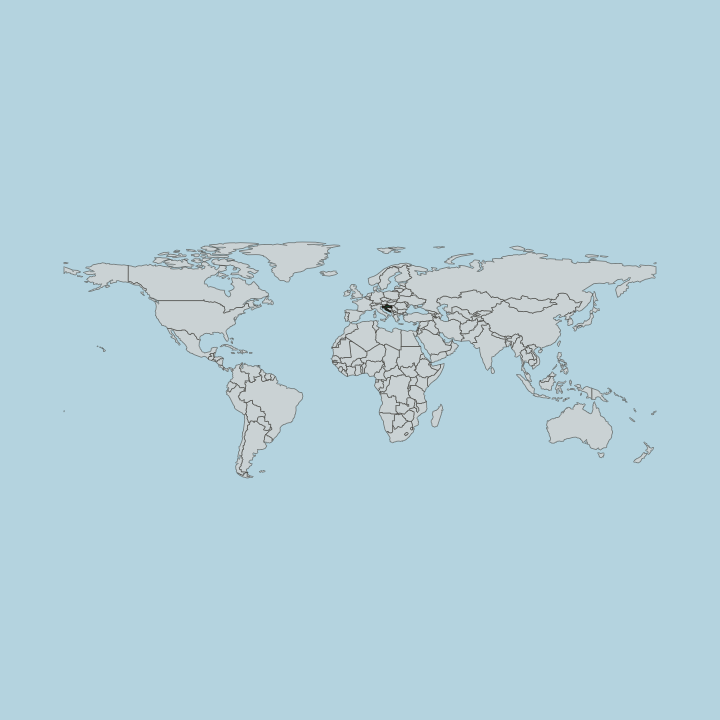
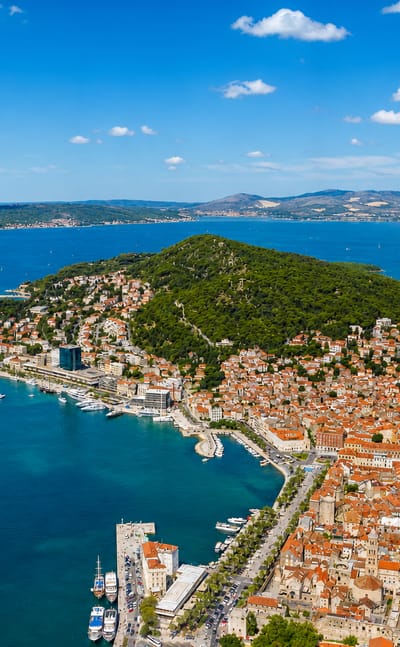
Split is a city on the central Dalmatian coast of Croatia, built in and around the Roman walls of Diocletian's Palace.
Hotel links are affiliate links: booking through them may earn us a commission, at no extra cost to you. It never affects how places are ranked. How this works


Where to stay in Split
Not every neighbourhood fits every trip — here's what each one is good for.

 SplitCroatia
Varoš
The stone stairs and lanes of Varoš climb the slope just west of the palace, calmer but still walkable to the core.Varoš →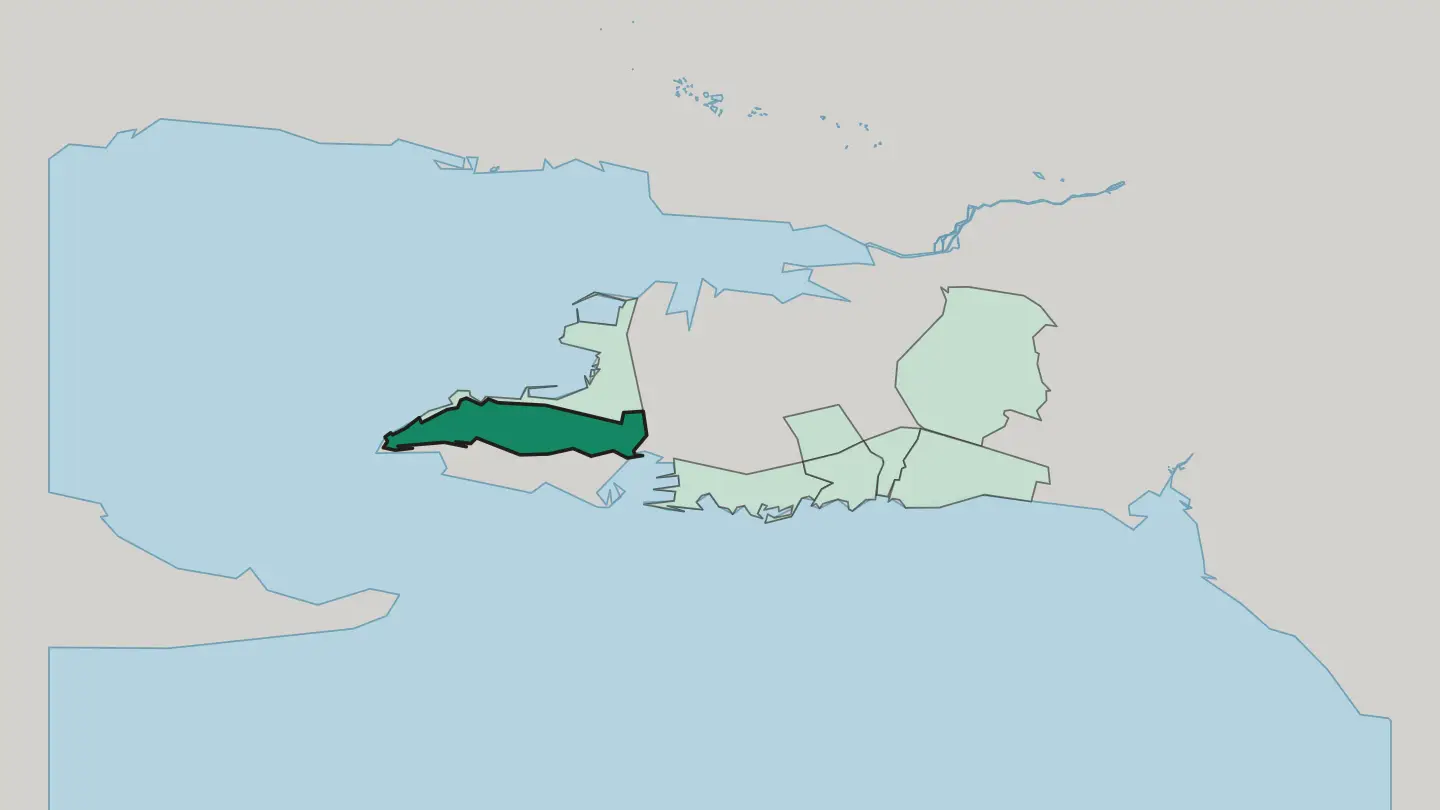
 SplitCroatia
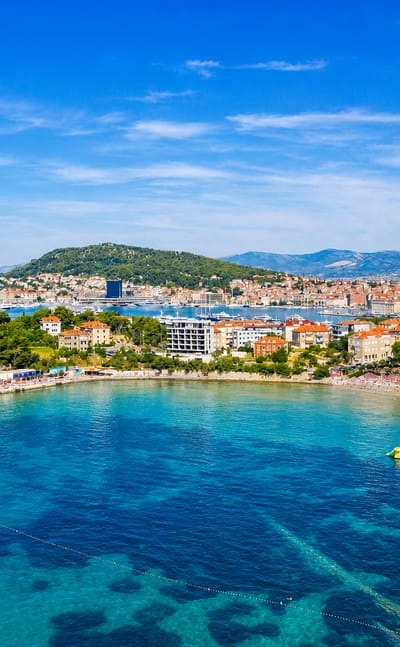
Spinut
Spinut is a residential district on the northwestern edge of Split, tucked between Poljud bay and the wooded Marjan hill.Where to stay →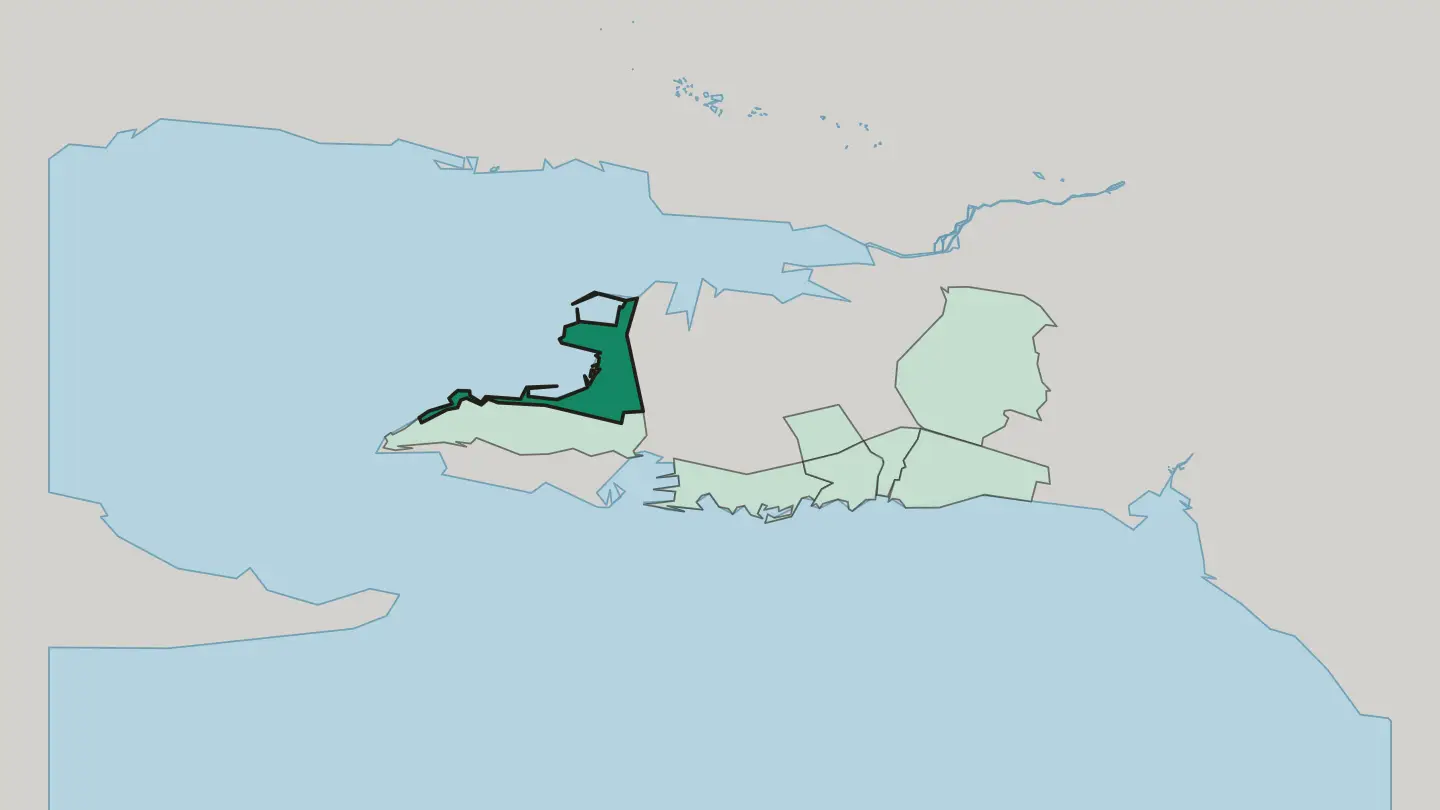
 SplitCroatia
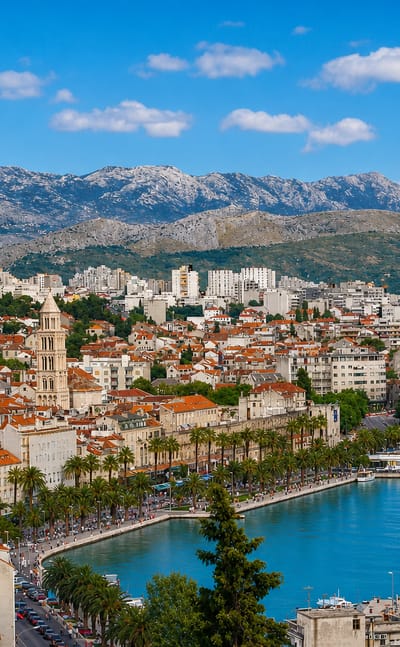
Bačvice
Bačvice is a waterfront neighbourhood on the eastern shore of Split, Croatia, wrapped around its shallow city beach.Where to stay →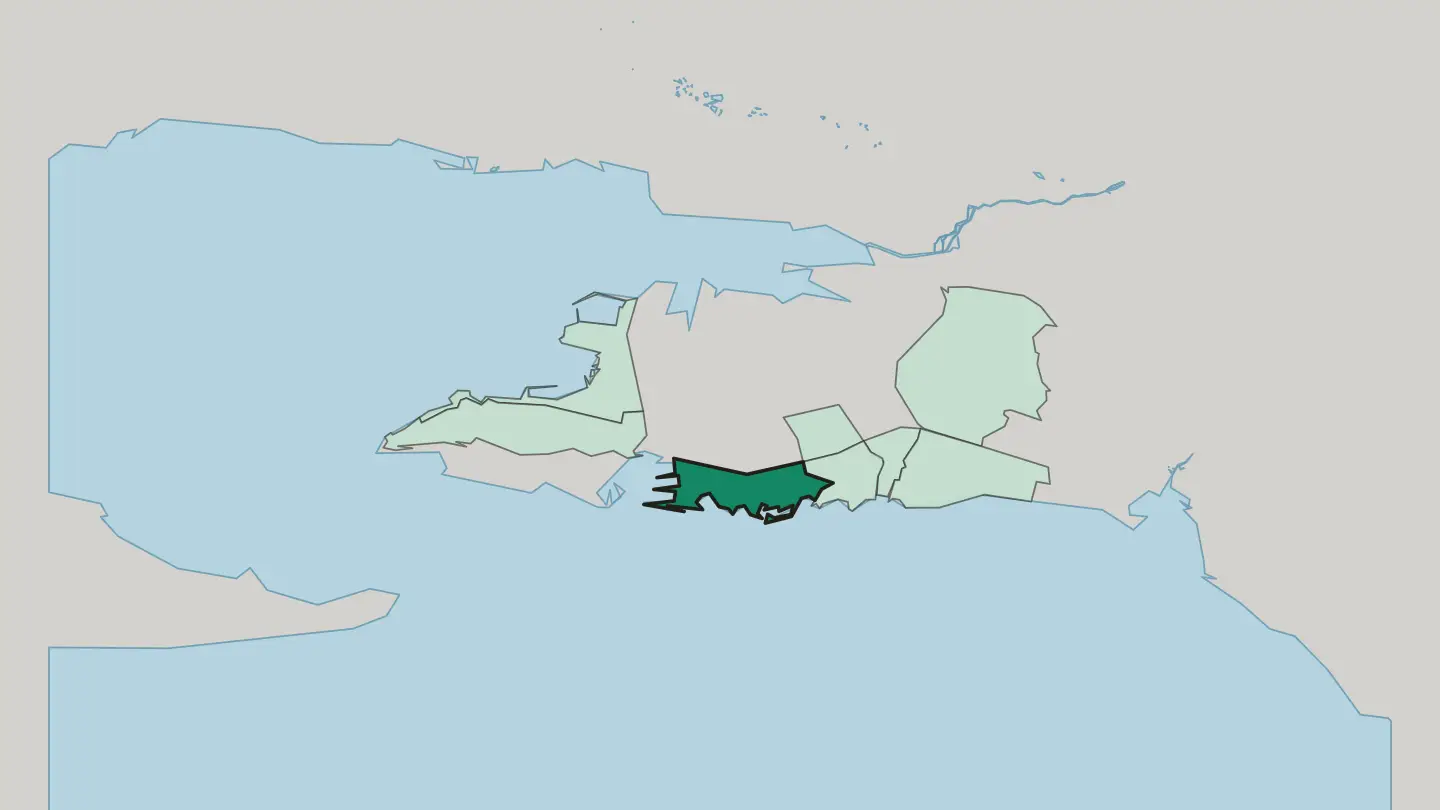
 SplitCroatia
Split 3
Split 3 is the central district of Split, Croatia, wrapping the Roman Temple of Jupiter and the old town in stone lanes.Where to stay →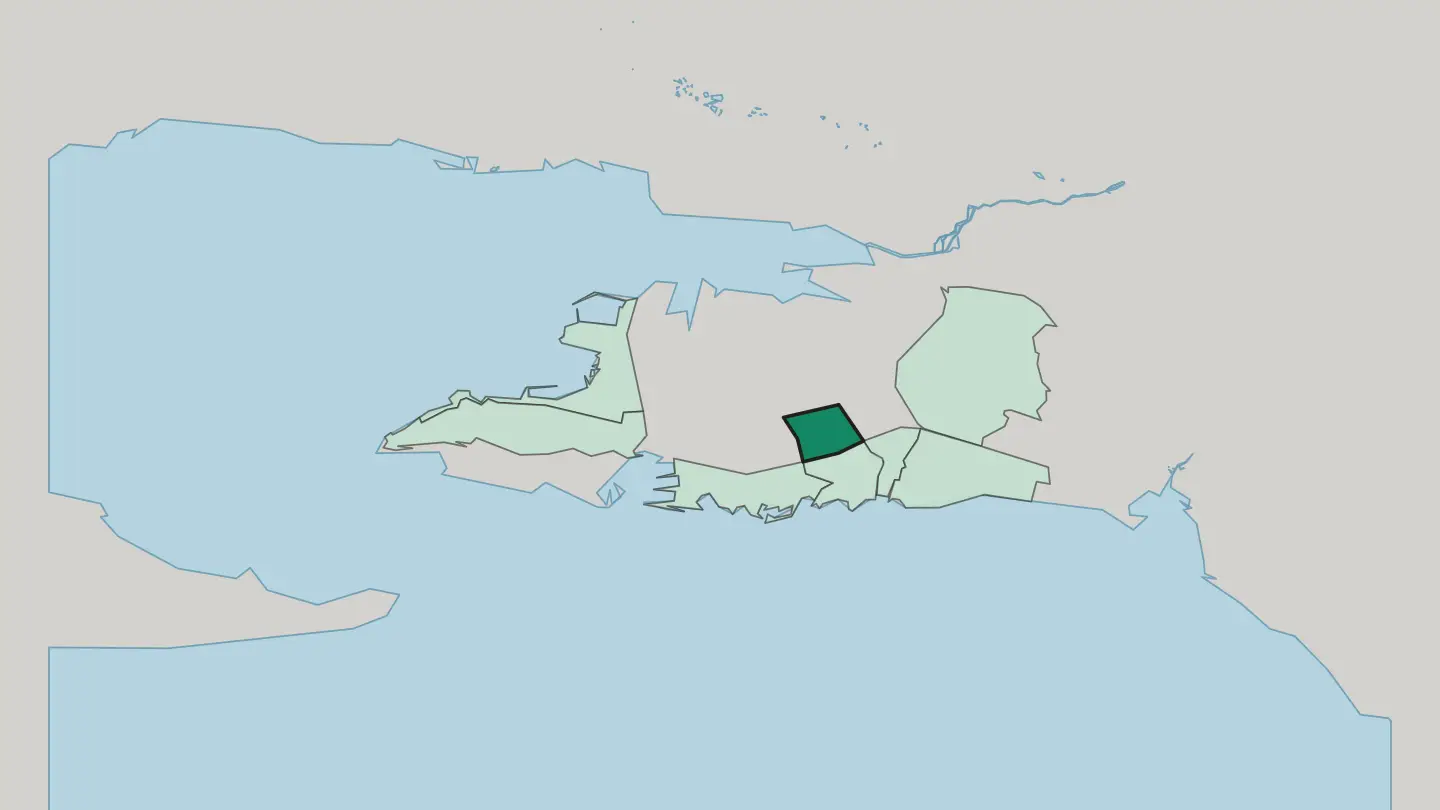 SplitCroatia
Trstenik
Trstenik is a coastal residential district of Split, set on the Adriatic shore south-east of the old town near Pojišan.Where to stay →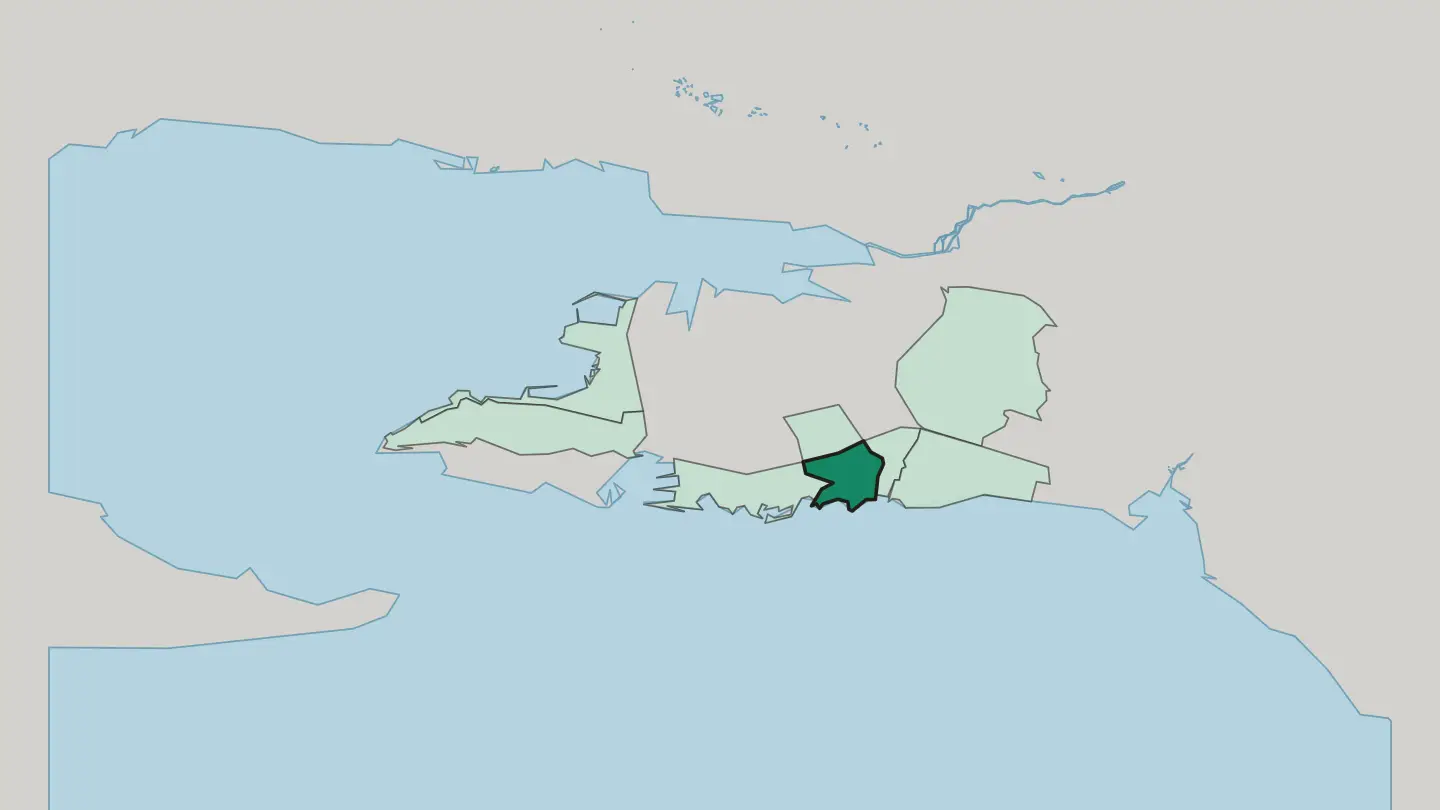 SplitCroatia
Mertojak
Mertojak is a residential district in eastern Split, Croatia, set on the slope above Trstenik and Žnjan.Where to stay →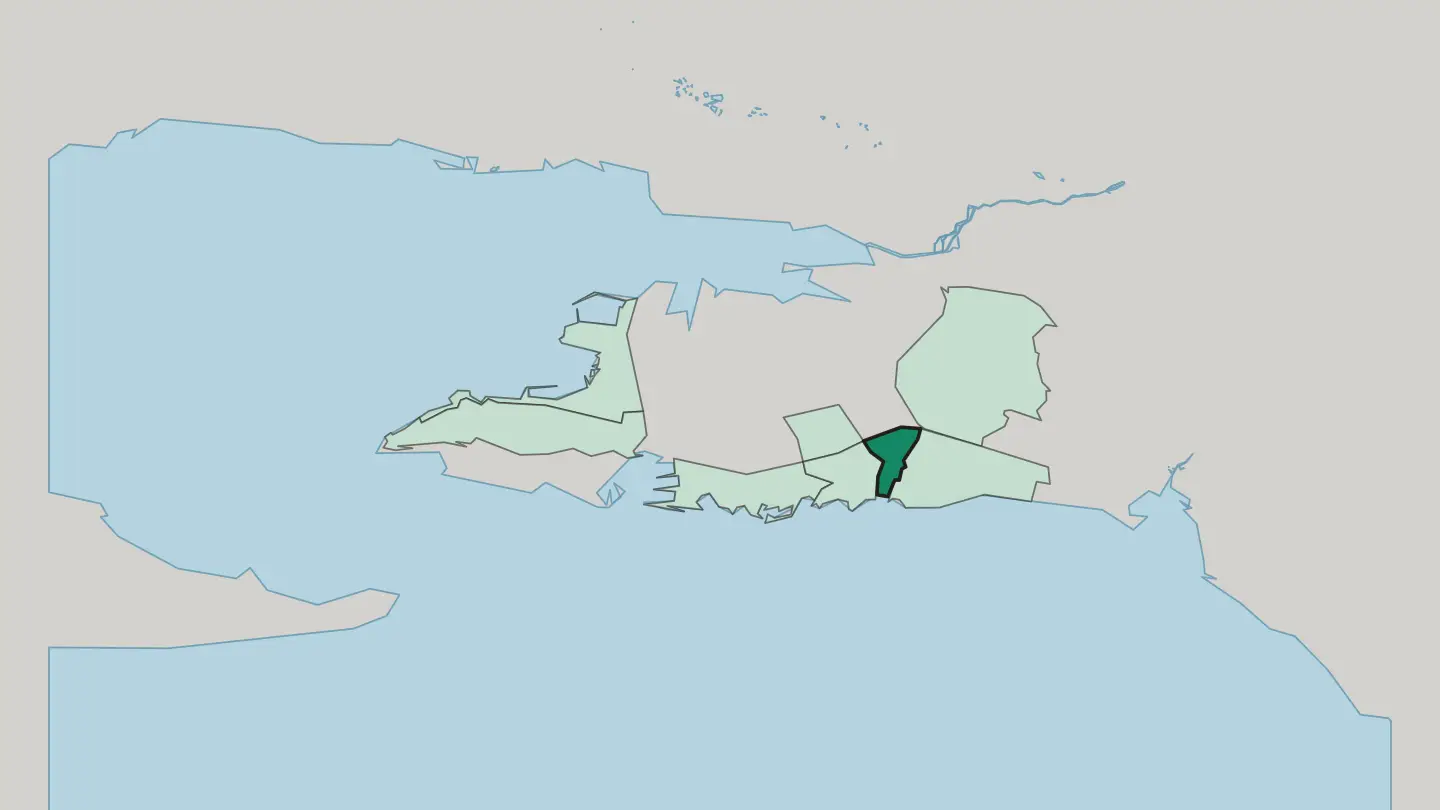 SplitCroatia
Žnjan
Žnjan is a coastal district on the eastern seafront of Split, Croatia, above the Church of Our Lady of Pojišan.Where to stay →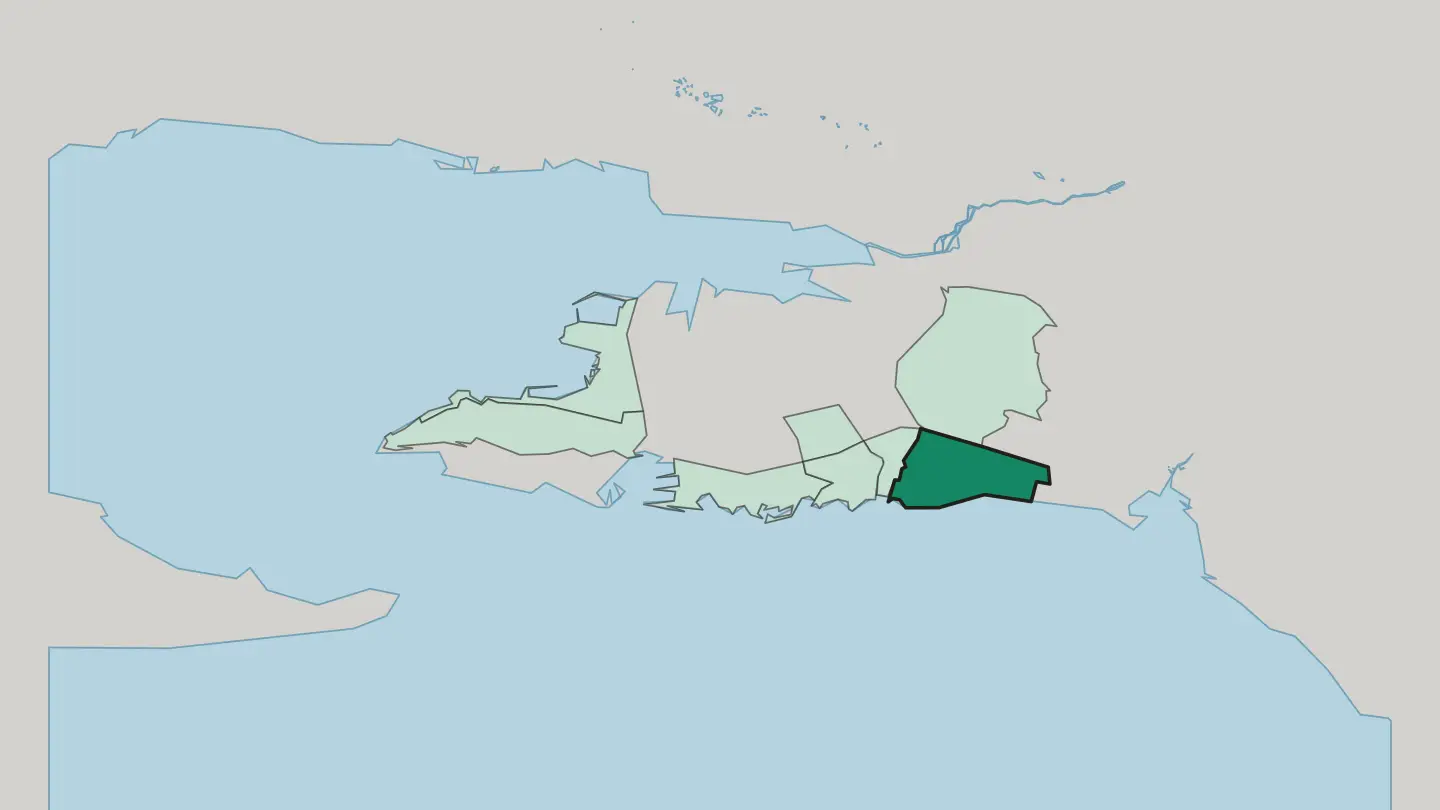 SplitCroatia
Mejaši (Split)
Mejaši is a residential neighbourhood on the eastern edge of Split, Croatia, near the churchlands of Solin.Where to stay →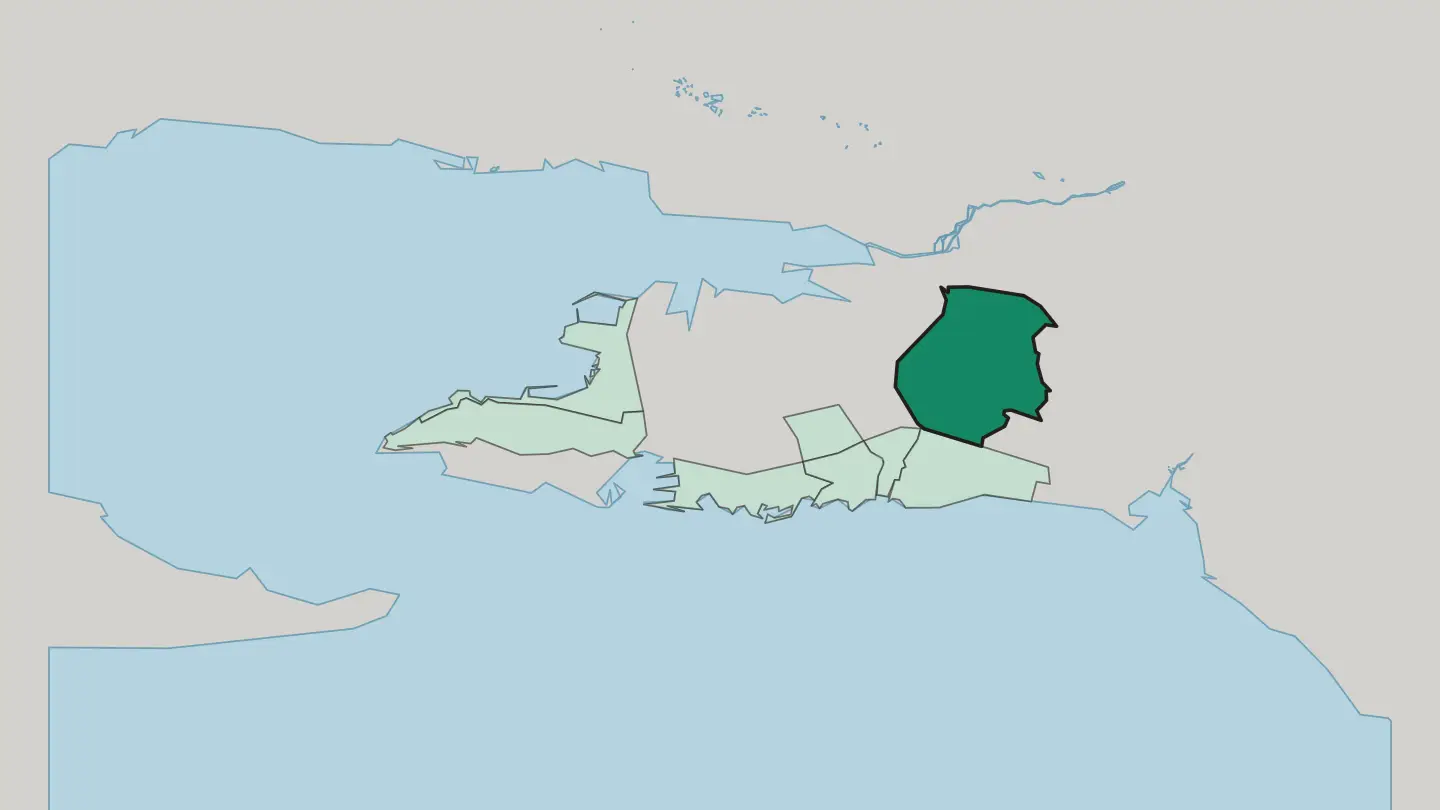
Hotel links are affiliate links: booking through them may earn us a commission, at no extra cost to you. It never affects how places are ranked. How this works
Find hotels in Split
Direct booking searches for these neighbourhoods.
Diocletian's Palace
Rooms built into the Roman walls of the palace put the squares, temples, and the harbour on the doorstep.Find hotels in Diocletian's Palaceferries and the seaThe waterfront
Beds along the harbour front look out to the port and the ferries bound for the Dalmatian islands.Find hotels in The waterfrontHotel links are affiliate links: booking through them may earn us a commission, at no extra cost to you. It never affects how places are ranked. How this works
Things to do in Split
Ranked by global recognition; descriptions from Wikidata (CC0).
Museums & Galleries
3- Ivan Meštrović Gallery
- Archaeological Museum Split
- Froggyland
Churches & Religious Sites
8- Temple of Jupiter, Split Heritage
- Church of Holy Trinity Heritage
- St Martin's Church Heritage
- Hollow Church Heritage
- Saint Francis Monastery and Church Heritage
Show 3 more →
- Church of St. Nicholas in Varoš Heritage
- Church of Our Lady of Health Heritage
- Church of Our Lady of Pojišan Heritage
Castles & Historic Sites
1- Salona
Stadiums & Sports
2- Spaladium Arena
- Stadion Park mladeži
worth knowingacross 4 categories in Split
About Split
What is Split known for?
Split is known for Diocletian's Palace. The old town fills the walls of the Roman palace, its lanes, squares, and temples still lived in rather than fenced off as ruins. Stone runs through everything.
Split is the largest city of Dalmatia and the seat of Split-Dalmatia County, a working port that ties the Roman core to the harbour and the coast. Museums and churches crowd the old streets.
What are the main landmarks in Split?
Split's landmarks start with Diocletian's Palace. Inside the Roman walls stand the Temple of Jupiter and the old squares, while the Co-Cathedral of Saint Peter and a ring of smaller churches mark the quarters around it. The museums are many.
The Archaeological Museum Split, the Croatian Maritime Museum, and the Ivan Meštrović Gallery hold the city's past and art, and there is even Froggyland. Old churches are everywhere. The Church of Saint Nicholas in Varoš and the Spaladium Arena mark the older quarters and the modern edge of Split.
What is the history of Split?
Split grew out of a Roman palace. In late Roman times the emperor Diocletian raised a great walled palace on this stretch of the Dalmatian coast, and the city took root inside and around its stone the moment the empire faded. People moved into the walls.
Centuries ago, locals from the surrounding coast sought refuge within Diocletian's Palace, turning the halls, gates, and courtyards of the old imperial complex into houses, churches, and streets. The palace became a town. Over the centuries Split spread beyond the Roman walls into quarters like Varoš, growing into the largest city of Dalmatia and the seat of Split-Dalmatia County within Croatia.
The old stone still holds the centre. Roman work never faded here. The walls, temples, and squares of the palace still shape the plan of the old town, and the Temple of Jupiter and the imperial gates survive among the later churches and houses.
Split wears its history in plain sight. Few cities keep a Roman core so alive, still lived in rather than roped off, the modern city of Dalmatia carrying on inside the ancient one.
Where is Split?
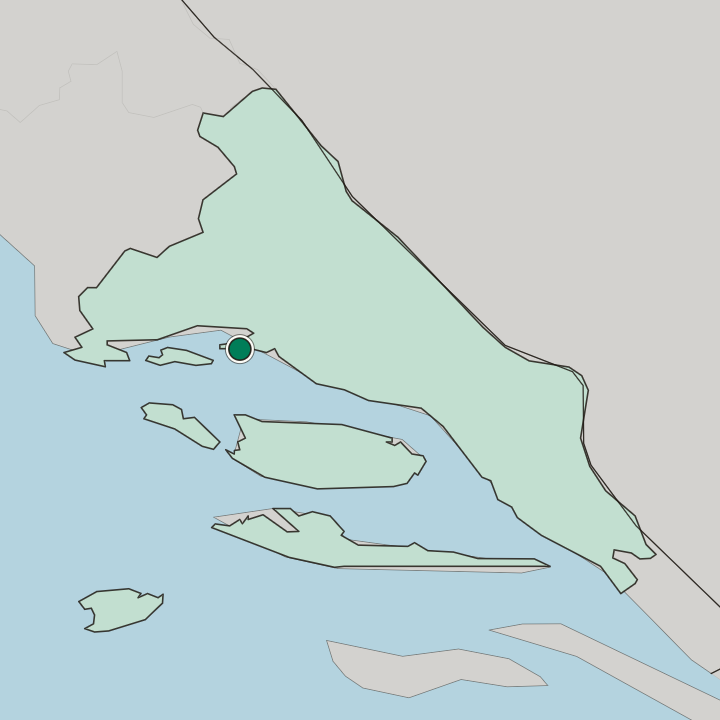
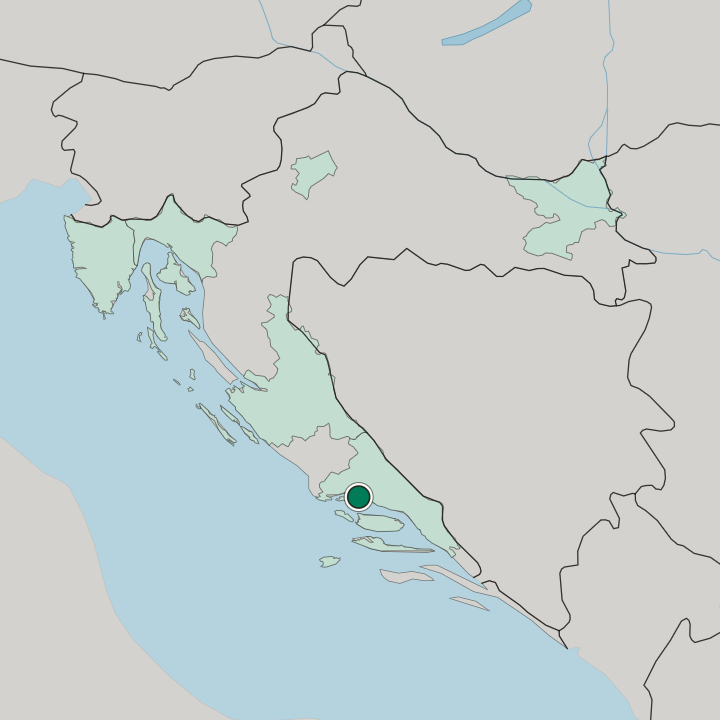
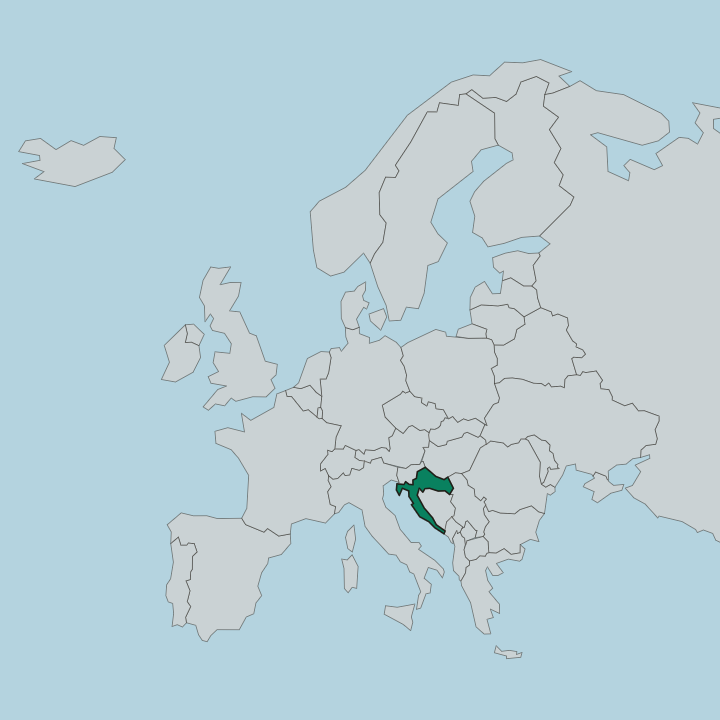
Split sits on the central Dalmatian coast of Croatia. The city fills a stretch of shore between the sea and the hills, its old core wrapped around the harbour, with the Dalmatian islands lying offshore and the hinterland rising behind. The sea is always close.
As the seat of Split-Dalmatia County, the city looks out over the water toward the islands, the natural centre of the central Dalmatian coast. Stone, water, and hills meet here.
What is the climate of Split?
Split has a warm Mediterranean climate. Long, hot summers dry out the stone of the old town while the sea keeps the winters mild, so the harbour and the lanes stay busy far into the shoulder seasons. Rain comes mostly in winter.
Sea breezes take the edge off the summer heat along the Dalmatian coast, and snow on the shore is rare. Heat holds on here for months.
How do you get to Split?
Split is the transport hub of Dalmatia. The city carries the region's main airport and the busiest ferry port on the Dalmatian coast, the point where most trips to the islands and the wider county begin. Ferries fan out from the harbour.
Boats leave the waterfront for the Dalmatian islands, while roads and rail run inland from Split across Split-Dalmatia County toward the rest of Croatia. Most visitors arrive by sea or air.
Common questions
What is the best area to stay in Split?
Diocletian's Palace: history in the middle of it. Varoš: quiet old-town stays. The waterfront: ferries and the sea.
Good for
Updated September 2026