Indonesia · Jawa Barat
Where to Stay in Bekasi, Jawa Barat
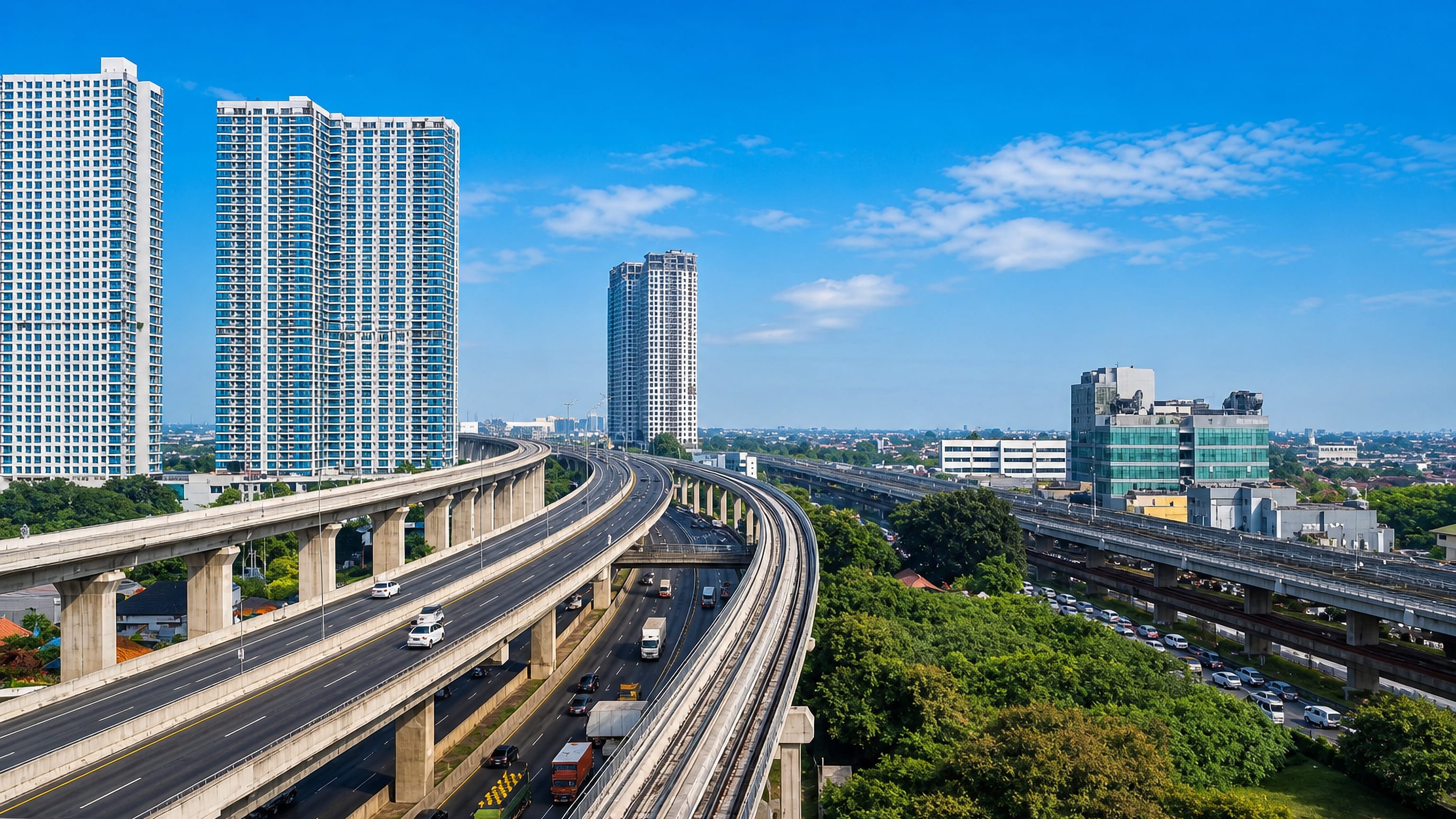
Bekasi is the largest city of West Java, on the eastern border of Jakarta, a commuter and industrial city inside the Jabodetabek metropolitan area.
Hotel links are affiliate links: booking through them may earn us a commission, at no extra cost to you. It never affects how places are ranked. How this works


Where to stay in Bekasi
The practical side of choosing where to sleep.
Malls set the pattern in Bekasi. Kota Bekasi draws most of its visitors for shopping malls and restaurants, and the districts named in its churches, Taman Galaxi, Kranji, Harapan Indah, North Bekasi, Kranggan, and Rawalumbu, give the city its working geography. If you are here to shop, stay where the malls run thickest.
The city covers about 210 square kilometres of built ground on the eastern border of Jakarta, and traffic, not distance, is what separates one district from another. Jakarta is the other option. Bekasi works as a commuter city, and East Jakarta sits directly across the western boundary, so a room in the capital keeps the whole Jabodetabek metropolitan area within the same daily reach.
Harapan Indah and Rawalumbu carry their own church parishes, and beyond them the city runs into Bekasi Regency, Bogor Regency, and Depok City. Industry crowds those outer edges. Museum Catur Indonesia and the recreation parks give the city something to do that is not retail, which matters if a whole day is spent inside West Java rather than commuting out of it.
Find hotels in Bekasi
Direct booking searches for these neighbourhoods.
Taman Galaxi and Kranji
Saint Bartholomew Church, Taman Galaxi and Santo Mikael Church, Kranji name the two retail-heavy districtsFind hotels in Taman Galaxi and KranjiStays out toward Bekasi Regency and the factory groundHarapan Indah and Rawalumbu
Saint Albert the Great Church, Harapan Indah and Santo Yohanes Paulus II Rawalumbu mark the outer districts. Beds are limited here, so book early.Find hotels in Harapan Indah and RawalumbuCommuters splitting the day between Bekasi and the capitalAcross the line in East Jakarta
East Jakarta adjoins the western boundary of Bekasi inside the Jabodetabek metropolitan areaFind hotels in Across the line in East JakartaHotel links are affiliate links: booking through them may earn us a commission, at no extra cost to you. It never affects how places are ranked. How this works
Things to do in Bekasi
Ranked by global recognition; descriptions from Wikidata (CC0).
Museums & Galleries
1- Museum Catur Indonesia
Churches & Religious Sites
3- St. Servatius Church
- Arnold Janssen Church
- Gereja Santo Stanislaus Kostka, Kranggan
worth knowingacross 2 categories in Bekasi
About Bekasi
Shopping and factories carry the city.
What is Bekasi known for?
Bekasi draws visitors mainly for its shopping malls and restaurants, while a large number of factories work in and around Kota Bekasi, which makes it an industrial city as much as a commuter one for Jakarta. Churches account for most of its named landmarks, from Arnold Janssen Church to Santo Mikael Church, Kranji. Museum Catur Indonesia is the outlier.
What are the main landmarks in Bekasi?
Nine named sites sit inside Kota Bekasi. Churches take almost all of them: St. Servatius Church, Arnold Janssen Church, Saint Albert the Great Church, Harapan Indah, Saint Clare Church, North Bekasi, Saint Bartholomew Church, Taman Galaxi, Santo Mikael Church, Kranji, Gereja Santo Stanislaus Kostka, Kranggan, and Santo Yohanes Paulus II Rawalumbu. Museum Catur Indonesia is the one that is not a church.
What is the history of Bekasi?
Kota Bekasi dates from 1997. The city took its present form on the eastern border of Jakarta, with Bekasi Regency along the north and the east, Bogor Regency and Depok City to the south, and East Jakarta on the western side. Growth followed the capital, and the eastern edge of Jakarta filled in.
Bekasi became a commuter city for Jakarta and an industrial one in its own right, with a large number of factories working in and around it, and it stands as the largest city of West Java. The parish map is unusually full. Arnold Janssen Church, Saint Clare Church, North Bekasi, Saint Bartholomew Church, Taman Galaxi, and Gereja Santo Stanislaus Kostka, Kranggan, spread named buildings across districts that grew as the city grew.
A few historic buildings and recreation parks survive alongside them, but the shopping malls and restaurants are what most visitors come for. Museum Catur Indonesia sits among them as the one non-church landmark. Bekasi is the third-largest city in Indonesia, and its place inside the Jabodetabek metropolitan area explains that scale better than anything in its own history.
Where is Bekasi?
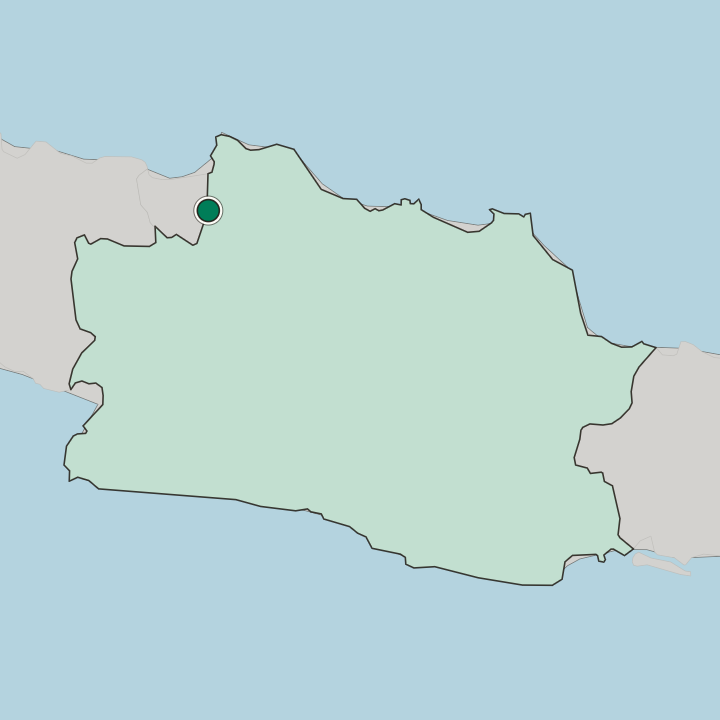
Kota Bekasi covers about 210 square kilometres on the eastern border of Jakarta. Bekasi Regency runs along the north and the east, Bogor Regency and Depok City lie to the south, and the city of East Jakarta closes the western side. Not one edge meets the sea.
The whole of the city sits inland in West Java, packed into the built-up ground that the Jabodetabek metropolitan area spreads east of Jakarta.
What is the climate of Bekasi?
The low ground east of Jakarta gives Bekasi no relief from the tropics, and the city holds warm, humid air through a year that splits into wet and dry rather than into hot and cold seasons. Nothing here breaks the humidity. West Java keeps the same pattern across the Jabodetabek metropolitan area, so the difference between Bekasi and Jakarta is measured in traffic rather than in weather.
How do you get to Bekasi?
East Jakarta lies on the western side, which makes Bekasi the first city out of the capital along that edge of the Jabodetabek metropolitan area. Commuters run both ways. Bekasi Regency picks up to the north and the east, Bogor Regency and Depok City to the south, so approaches into Kota Bekasi come from every side except the sea.
Common questions
What is the best area to stay in Bekasi?
Taman Galaxi and Kranji: Shopping days across the malls and restaurants of Kota Bekasi. Harapan Indah and Rawalumbu: Stays out toward Bekasi Regency and the factory ground. Across the line in East Jakarta: Commuters splitting the day between Bekasi and the capital.
Good for
More cities in Jawa Barat
Updated September 2026