Indonesia
Jawa Barat, Indonesia — Towns & Travel Guide
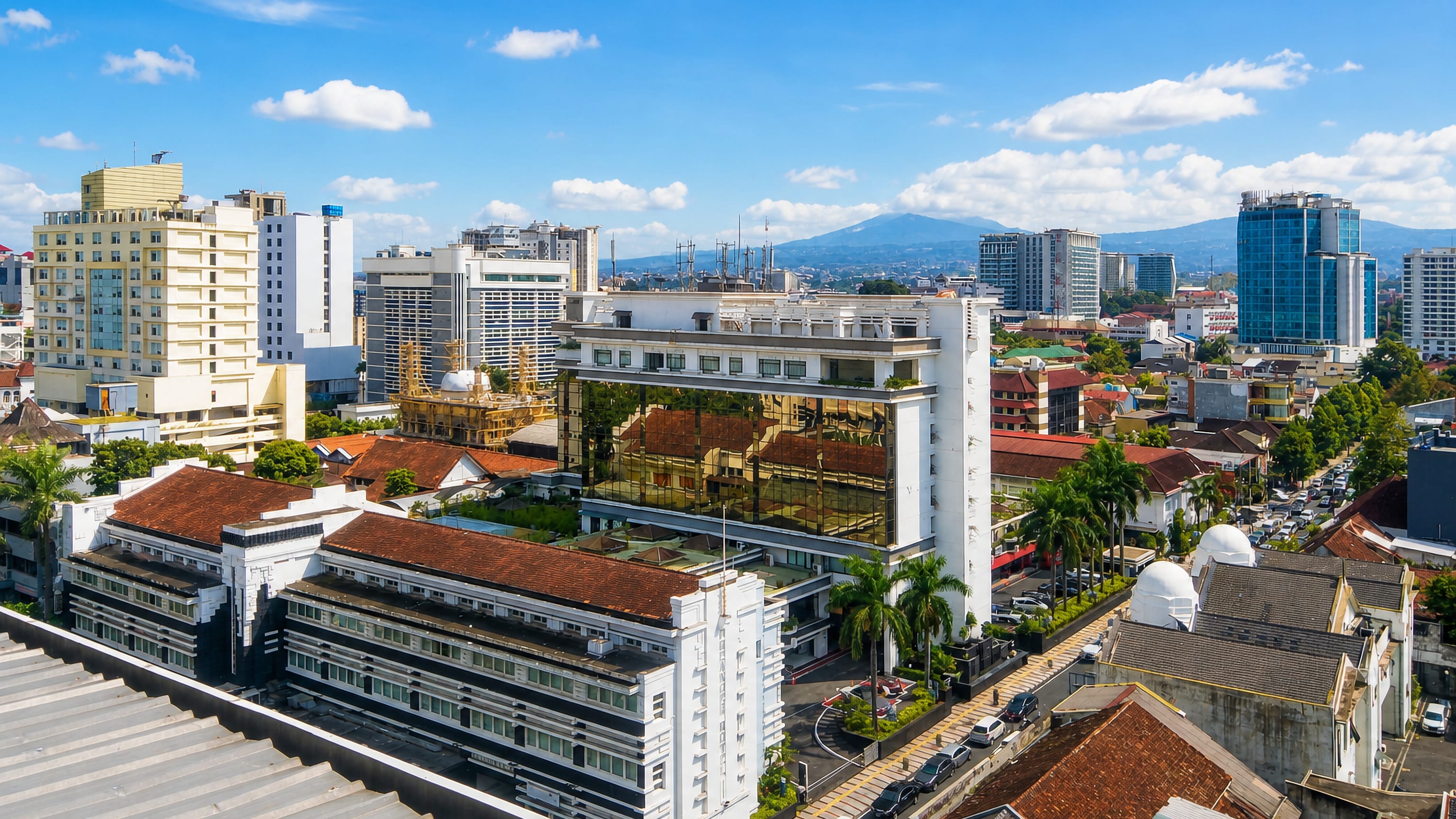
Jawa Barat is the Sundanese heartland of western Java, a volcano-ringed Indonesian province centred on its cool highland capital, Bandung.
Hotel links are affiliate links: booking through them may earn us a commission, at no extra cost to you. It never affects how places are ranked. How this works


Towns & cities in Jawa Barat
Pick a town or city — each links to where to stay.

 Indonesia
Bekasi
Bekasi is the largest city of West Java, on the eastern border of Jakarta, a commuter and industrial city inside the Jabodetabek metropolitan area.Where to stay →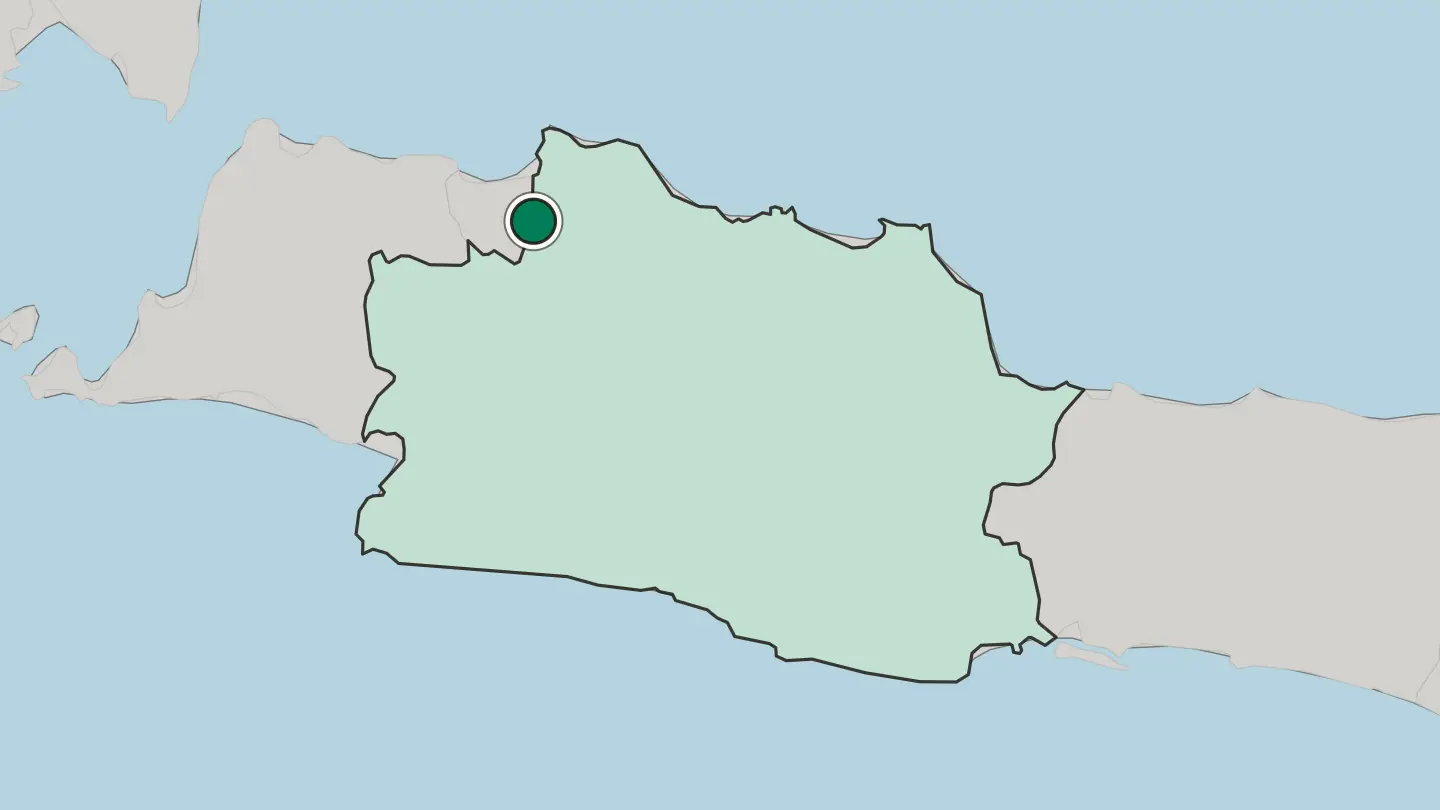
 Indonesia
Bandung
Bandung sits in a volcanic basin above the Java coast, the capital of West Java, known for Jalan Braga, Gedung Sate and the Asian-African Conference.Where to stay →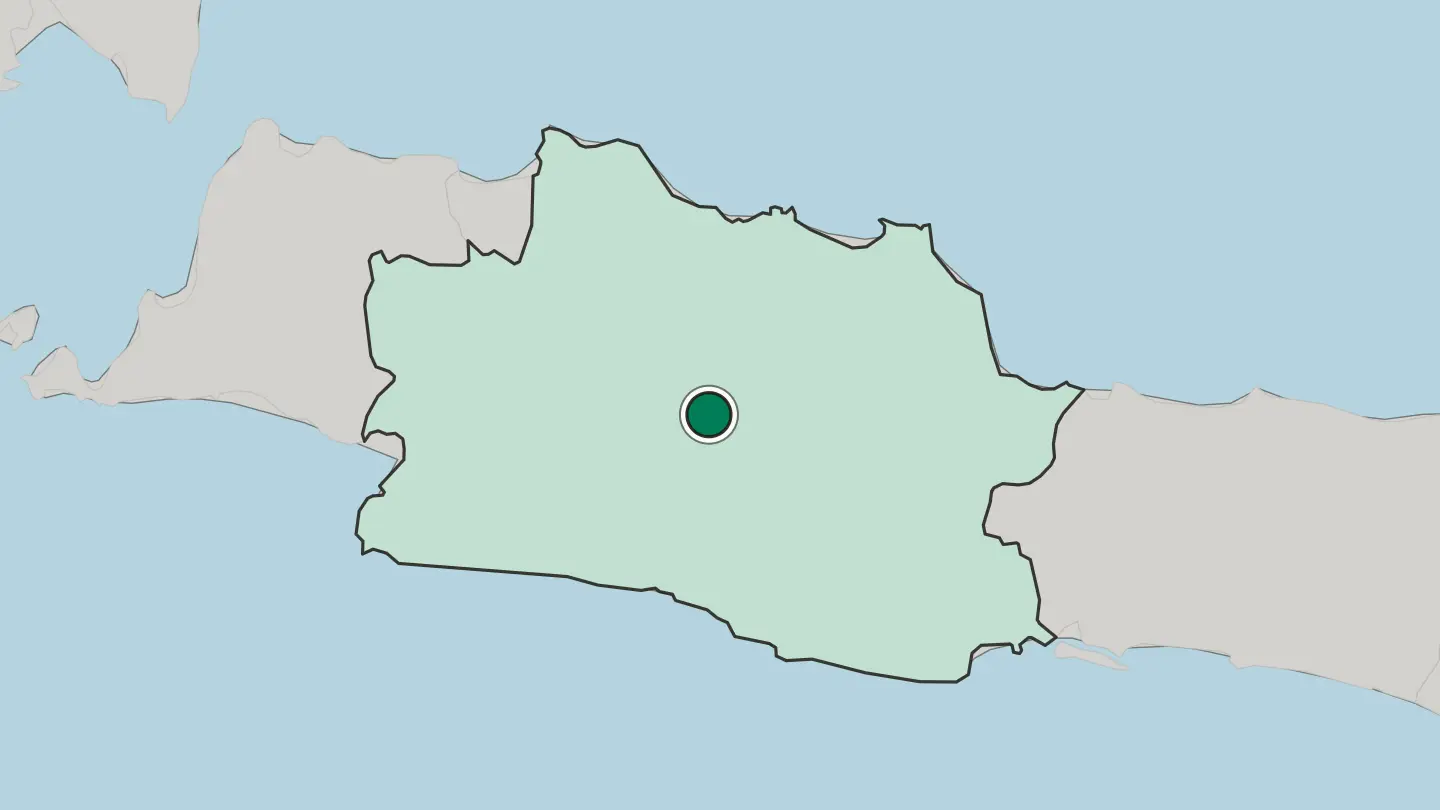
 Indonesia
Depok
Depok is a landlocked city directly south of Jakarta in West Java, and the University of Indonesia holds its ground here.Where to stay →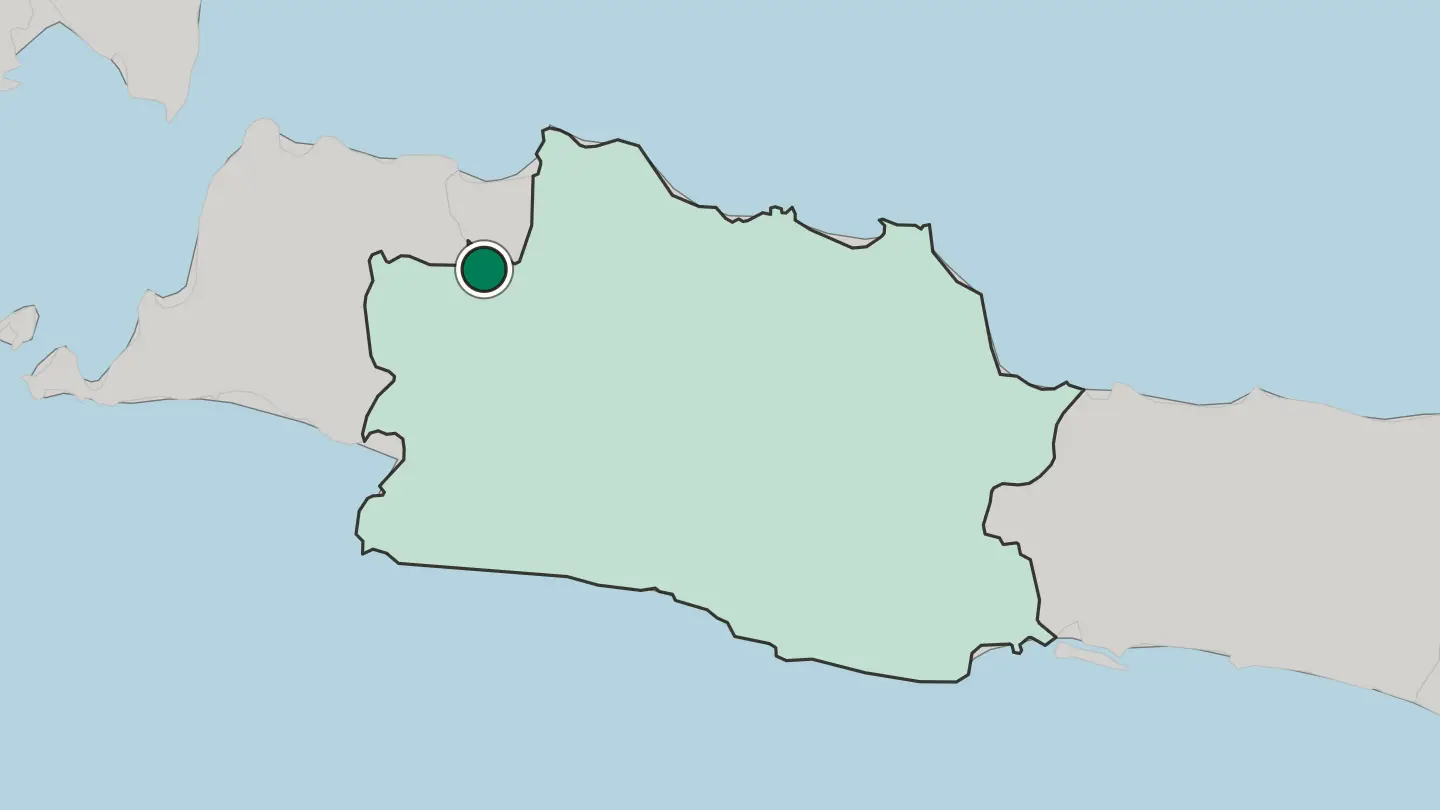
 Indonesia
Bogor
Bogor is a hill city of West Java in Indonesia, a rainy town of great botanical gardens and a presidential palace below Mount Salak, just south of Jakarta.Where to stay →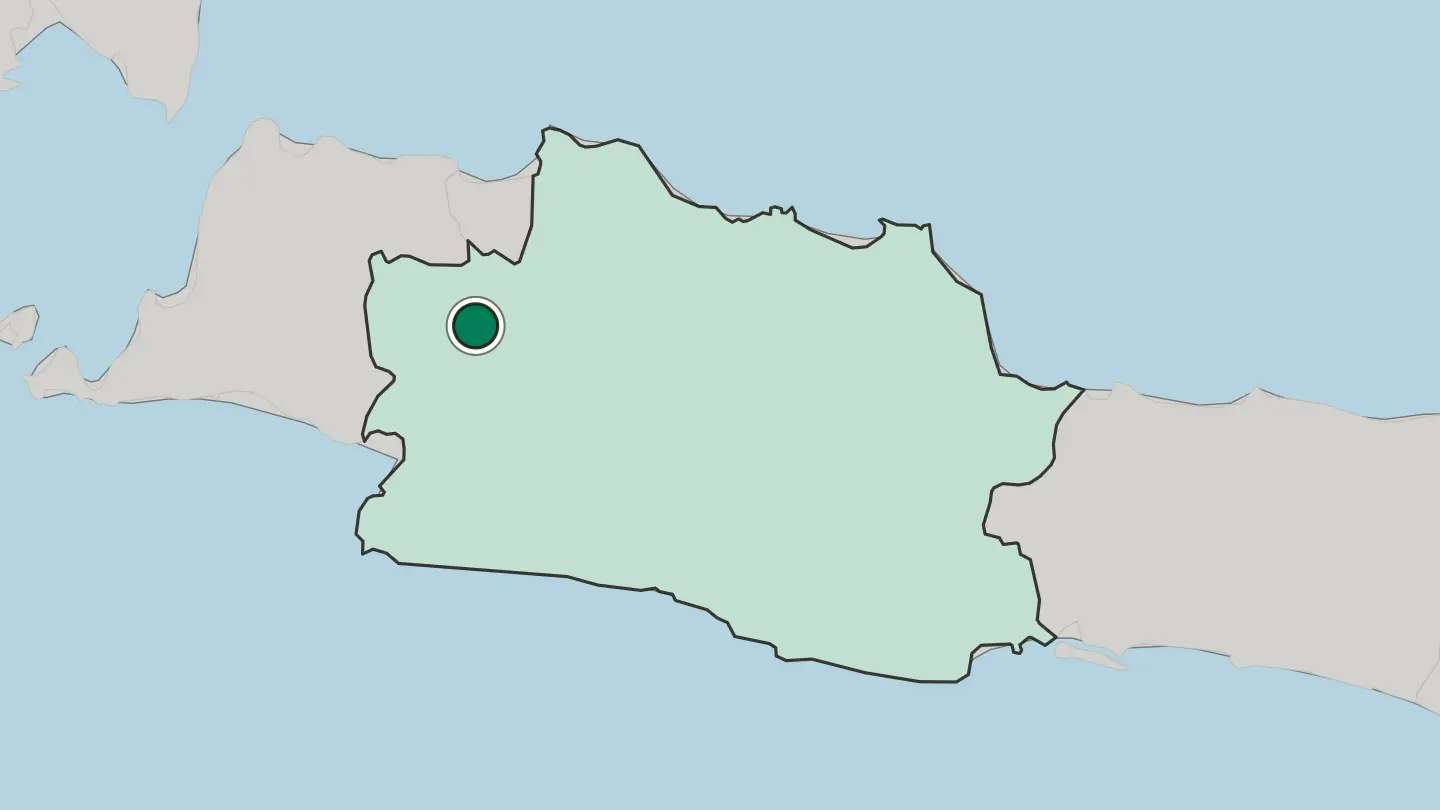 Indonesia
Tasikmalaya
Tasikmalaya is a landlocked city in West Java, Indonesia, known as kota santri for its many Islamic boarding schools.Where to stay →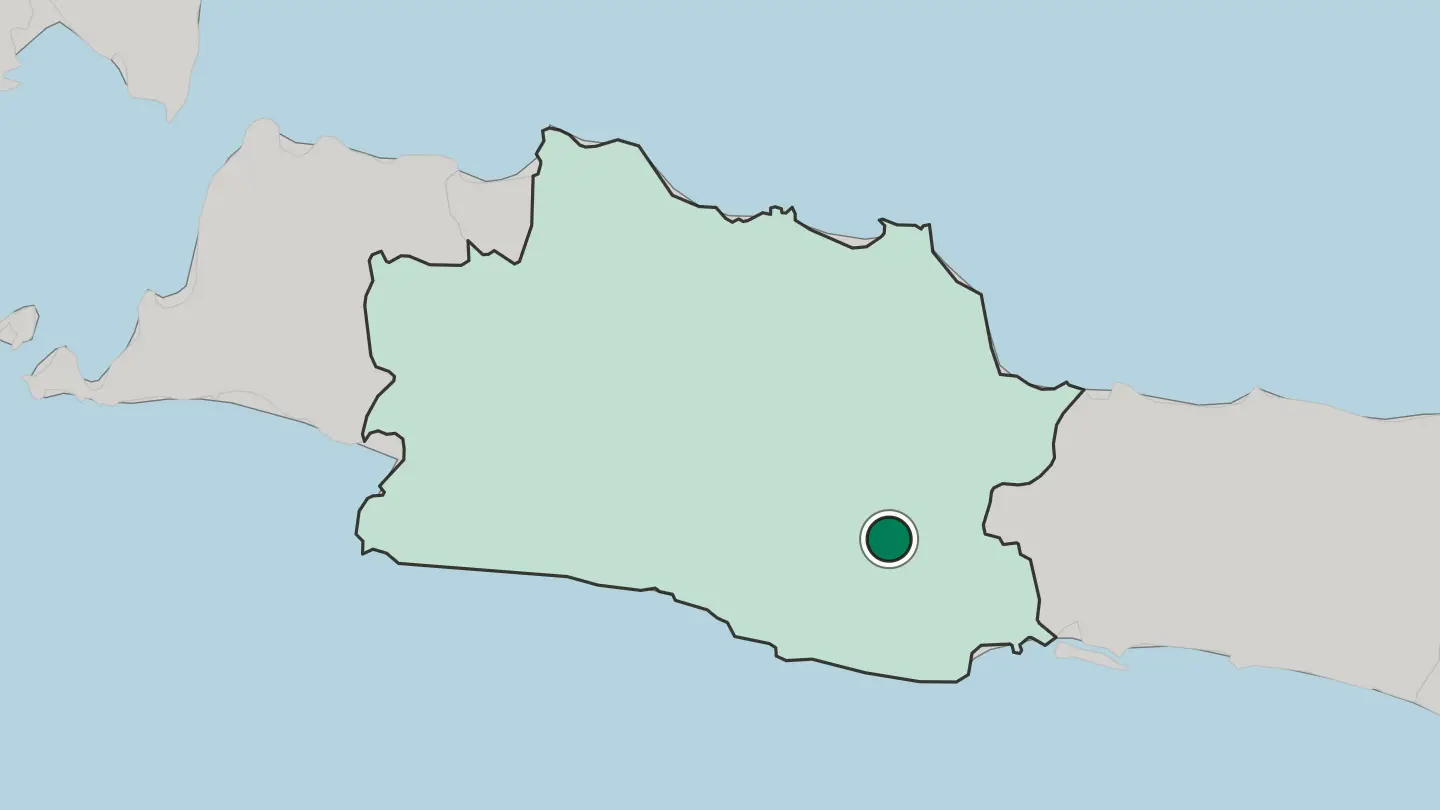
 Indonesia
Cimahi
Cimahi is a landlocked city immediately west of Bandung in West Java, holding military training centres and the NuArt Sculpture Park.Where to stay →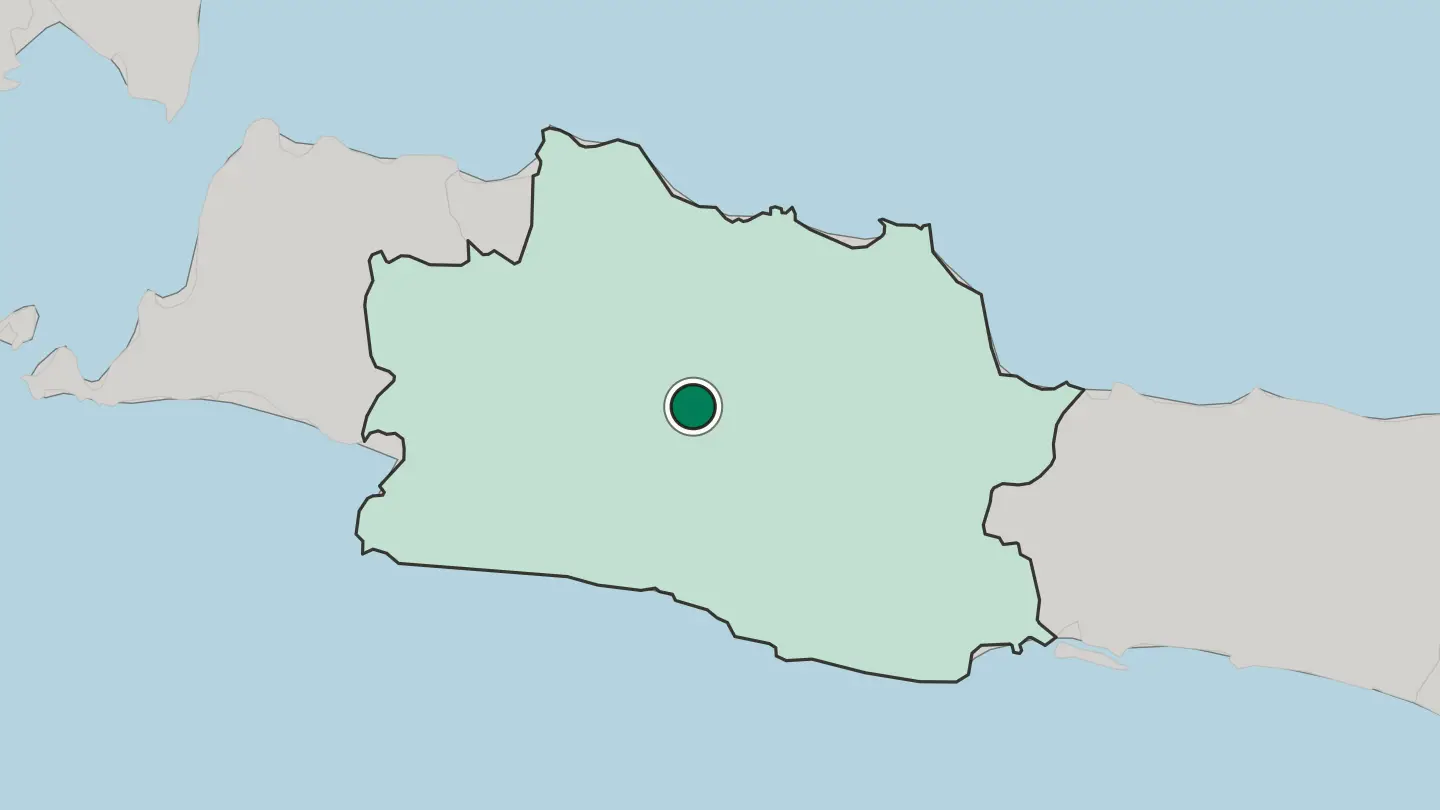
 Indonesia
Sukabumi
Sukabumi is a city in West Java, Indonesia, set in the southern foothills of Mount Gede and ringed by the regency that shares its name.Where to stay →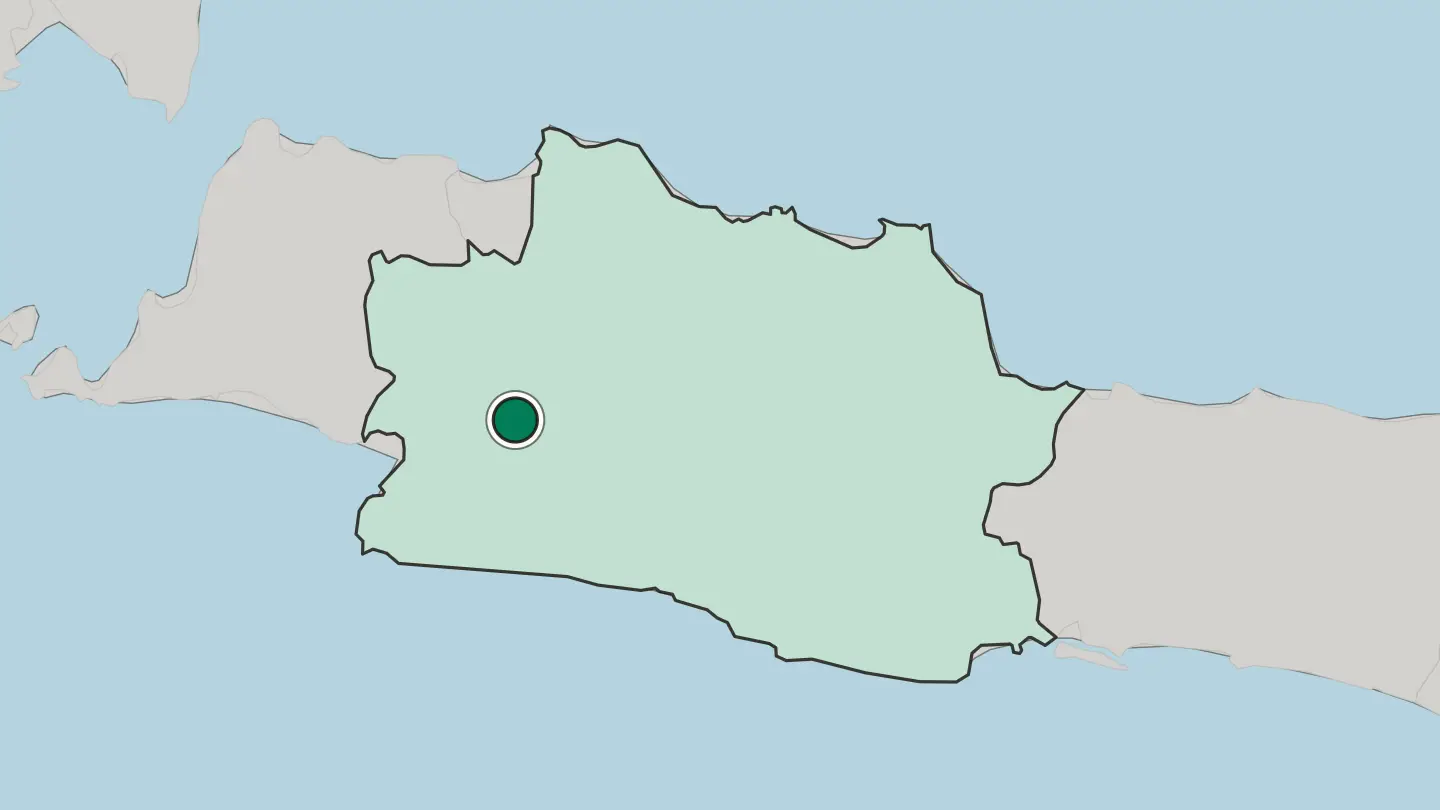
 Indonesia
Cirebon
Cirebon is a port city on the north coast of Java in Indonesia, famous for the palaces of its old sultans.Where to stay →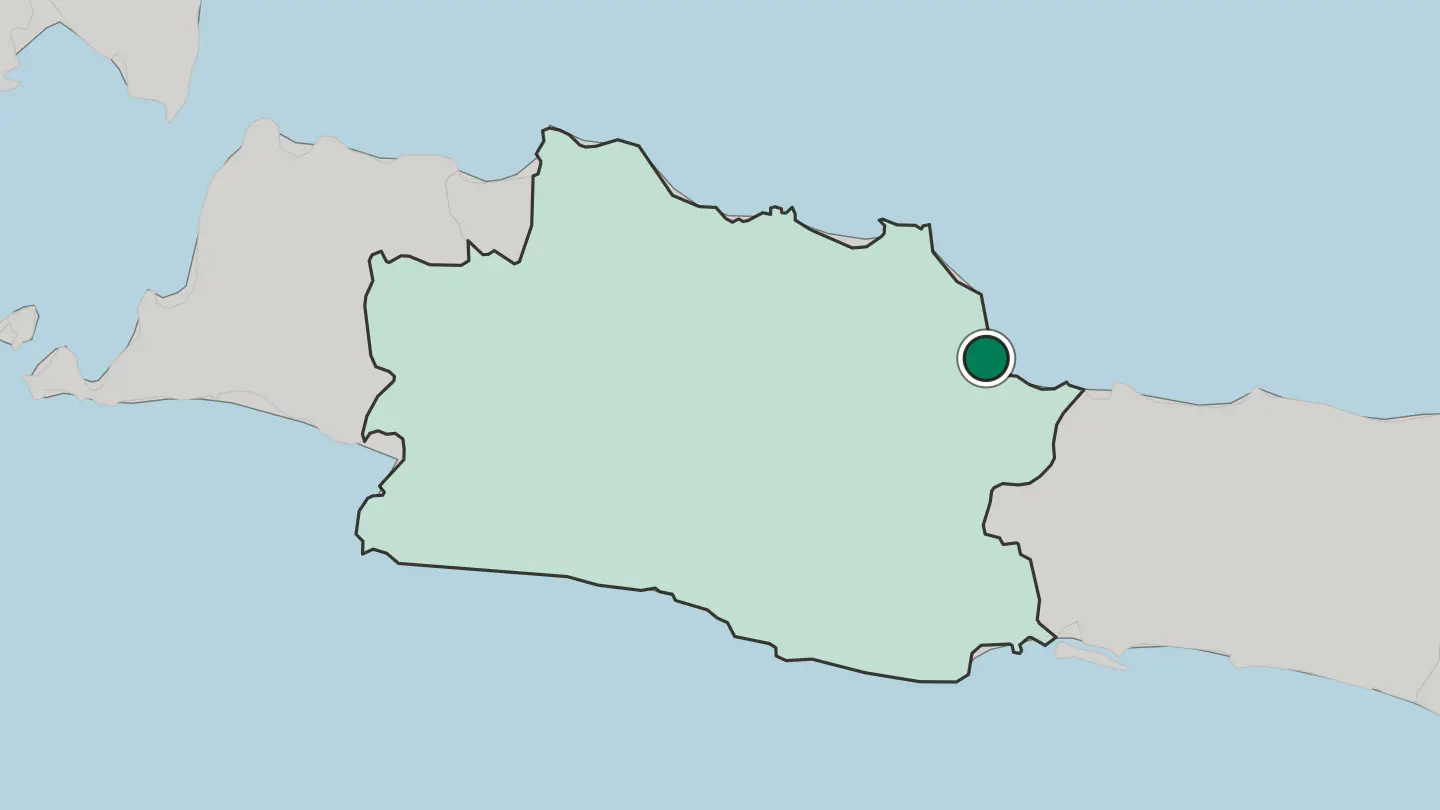
All towns & cities (15)
 Indonesia
Karawang
Karawang is a West Java city whose named sites run to the History of Sundaland Museum and Christ the King Church.Where to stay →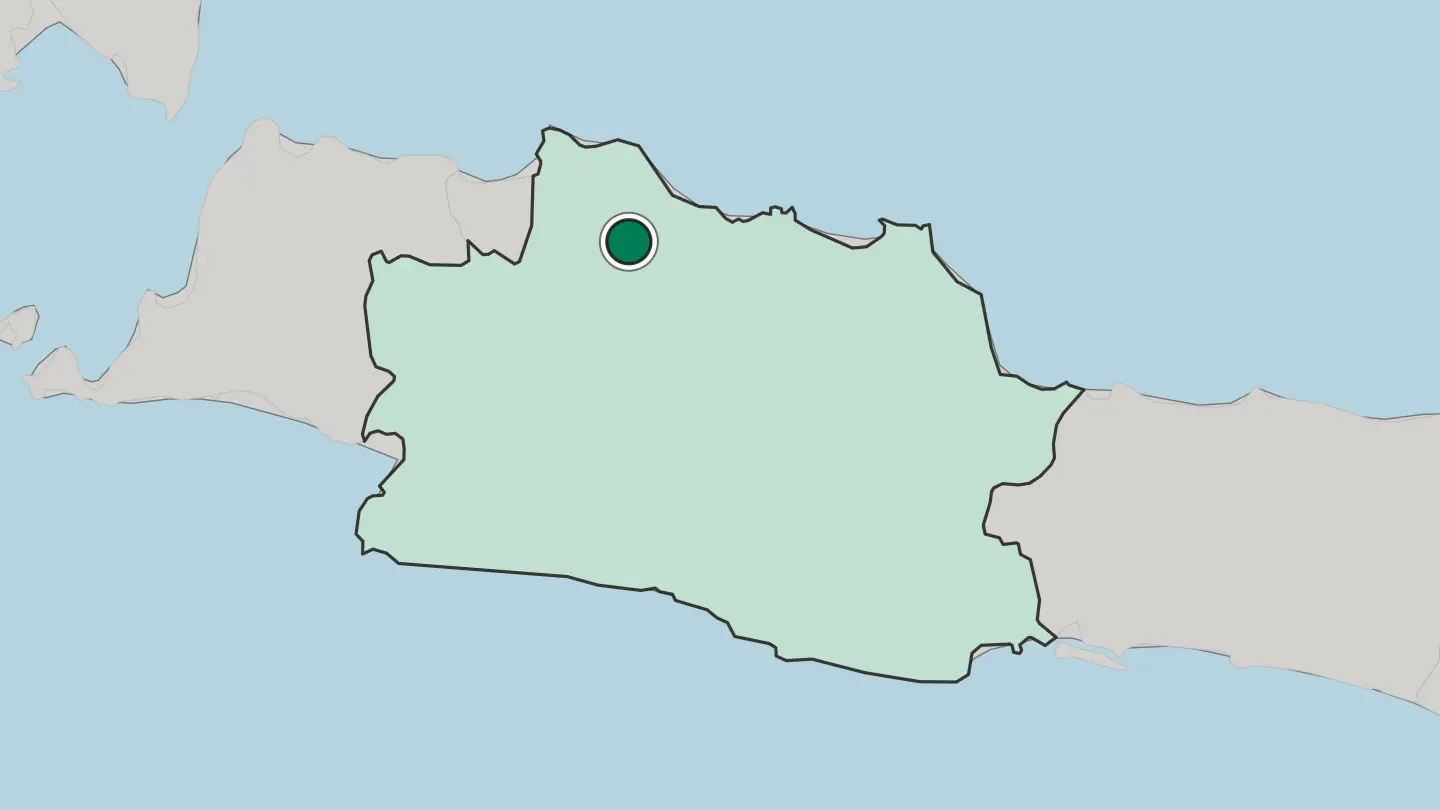 Indonesia
Cianjur
Cianjur is the seat of Cianjur Regency in West Java, and the Gunung Padang Megalithic Site lies within its bounds.Where to stay →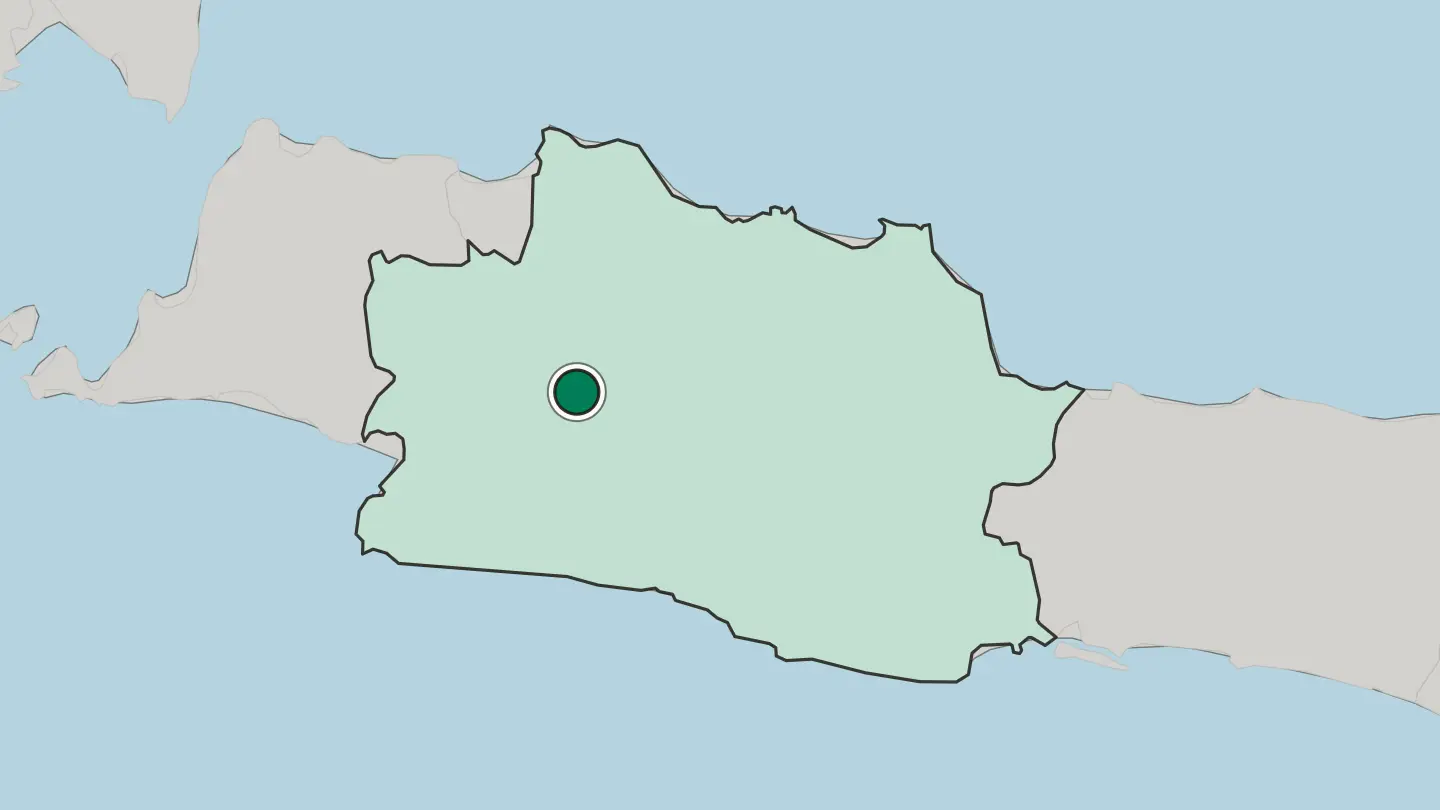 Indonesia
Subang
Subang is a regency in West Java, Indonesia, running from the Java Sea in the north down to its boundary with West Bandung Regency.Where to stay →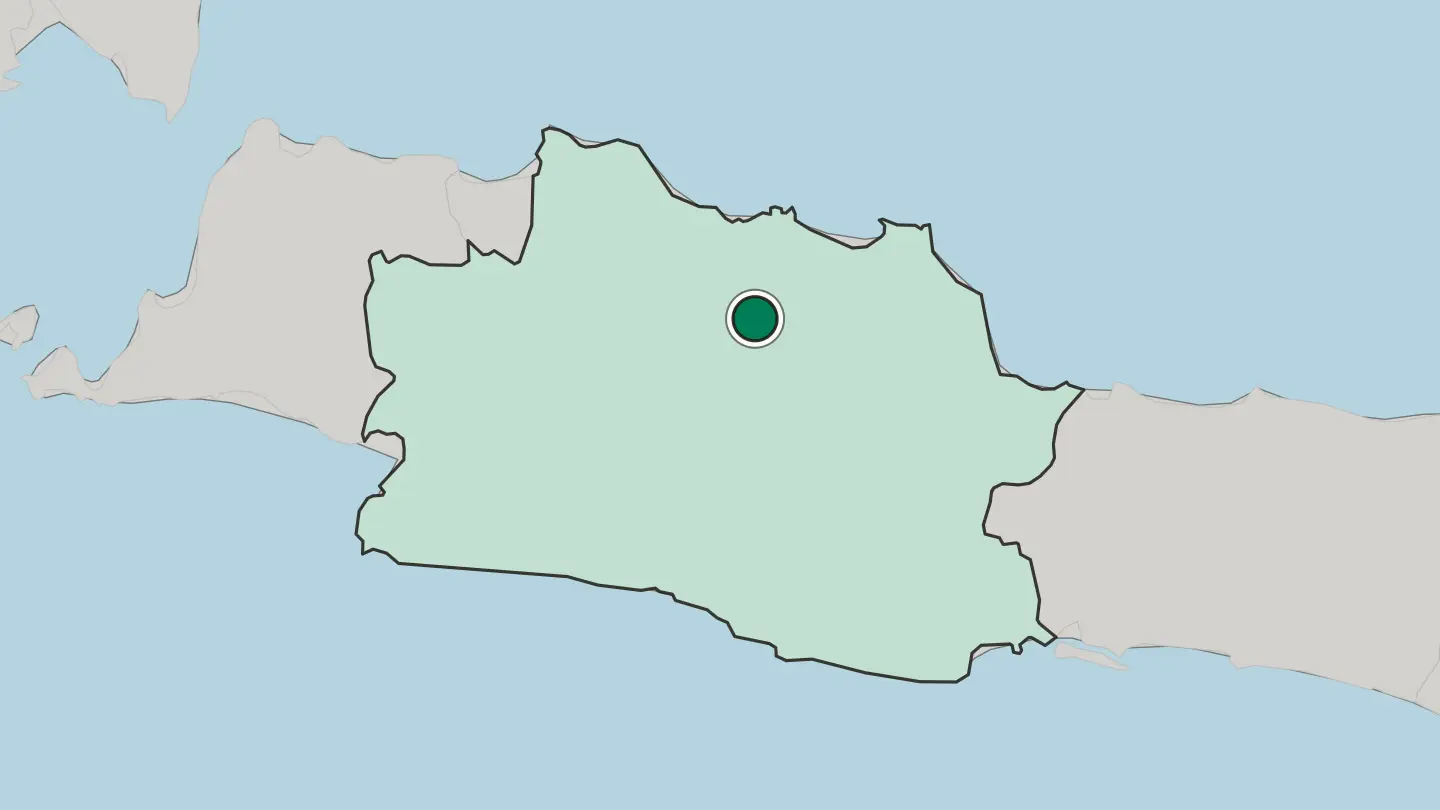 Indonesia
Garut
Garut is a city of Jawa Barat, the West Java province of Indonesia, where Saint Mary Church and the Museum RAA Adiwidjaja stand.Where to stay →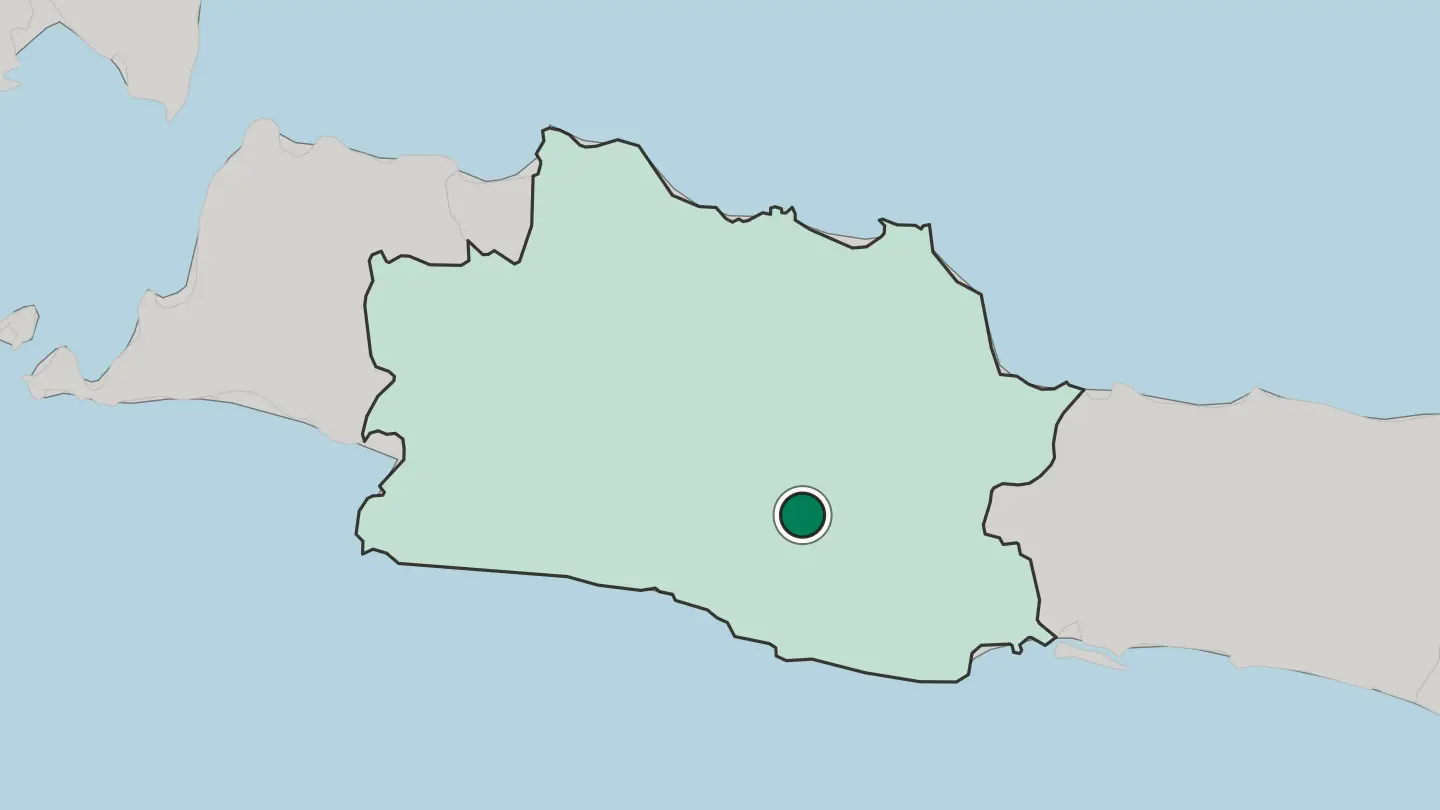
 Indonesia
Indramayu
Indramayu, named after the god Indra, is the capital of Indramayu Regency in the northern coastal area of West Java.Where to stay →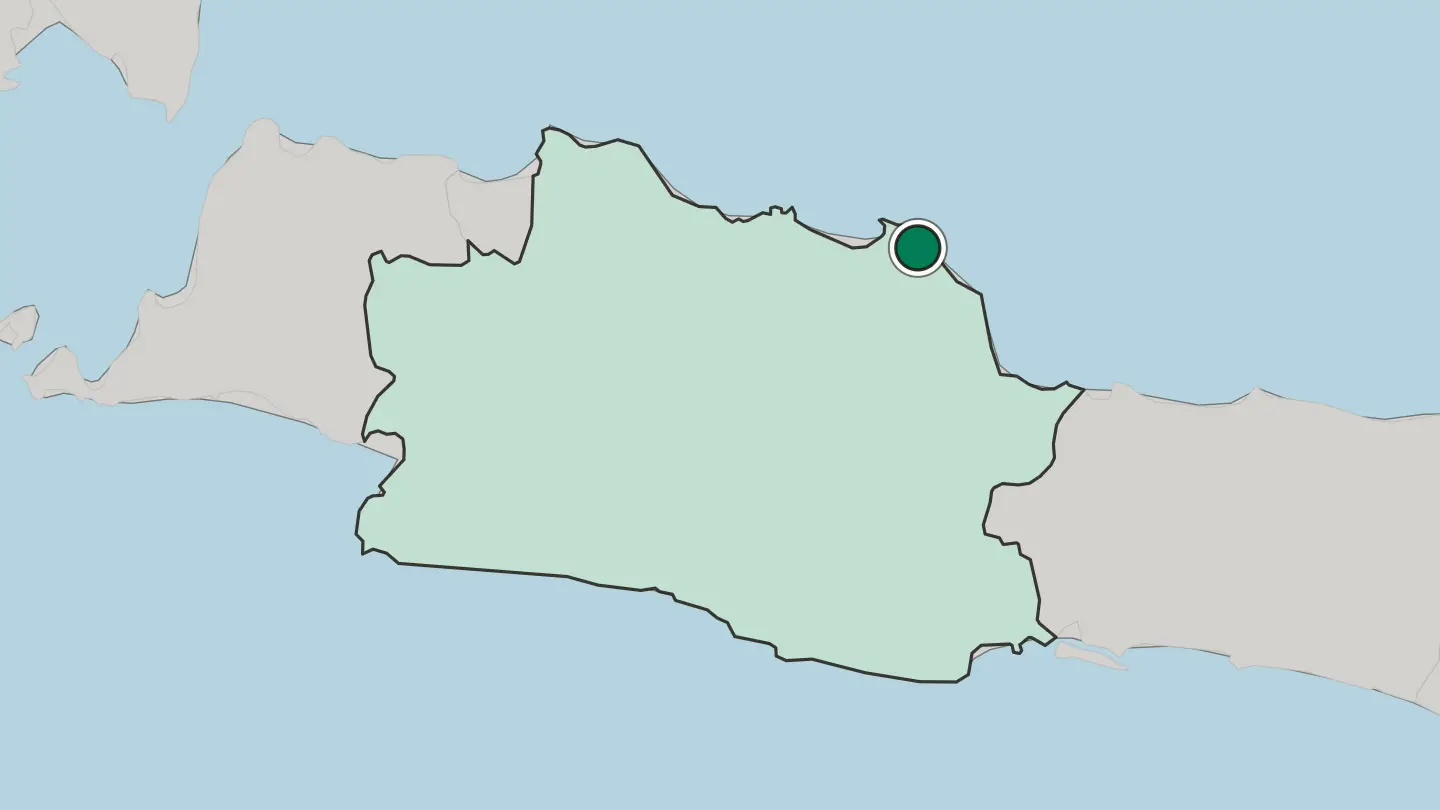 Indonesia
Kuningan
Kuningan is a regency in West Java, Indonesia, whose seat is the town of Kuningan and whose eastern boundary is the line with Central Java.Where to stay →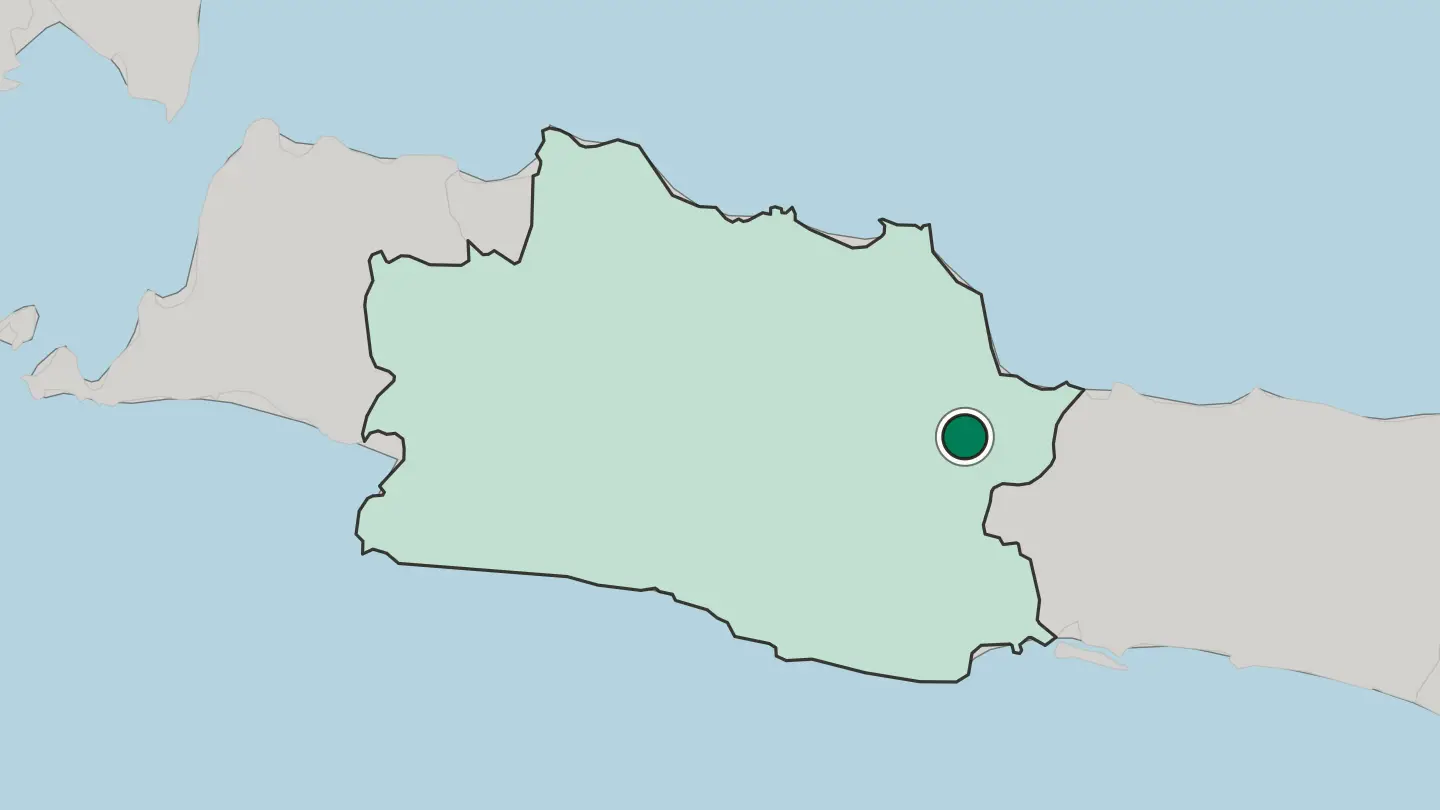
 Indonesia
Majalengka
Majalengka is a landlocked regency of West Java in Indonesia, with its administrative capital in the town of Majalengka.Where to stay →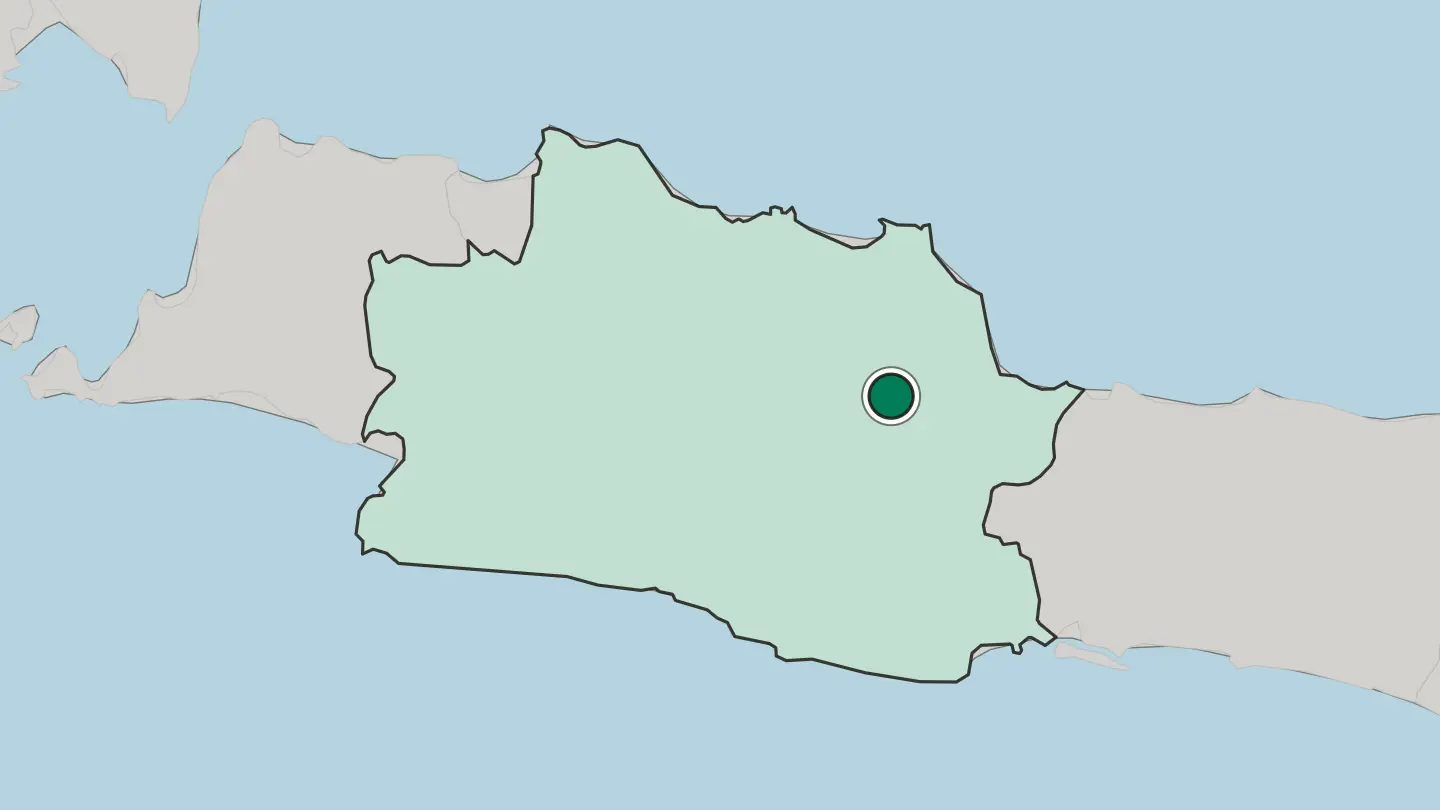
Hotel links are affiliate links: booking through them may earn us a commission, at no extra cost to you. It never affects how places are ranked. How this works
About Jawa Barat
What is Jawa Barat known for?
Jawa Barat is the homeland of the Sundanese people, Indonesia's second-largest ethnic group. Volcanoes define it. A chain of peaks led by Mount Ciremai rises above tea estates, hot springs, and the cool highland bowl that holds Bandung, the province's capital and creative centre.
The Puncak pass draws weekenders up through terraced plantations, while surfers head south to the Indian Ocean sands at Pangandaran. In 1955 Bandung hosted the Asian-African Conference. That gathering put the city on the world map.
Where is Jawa Barat?
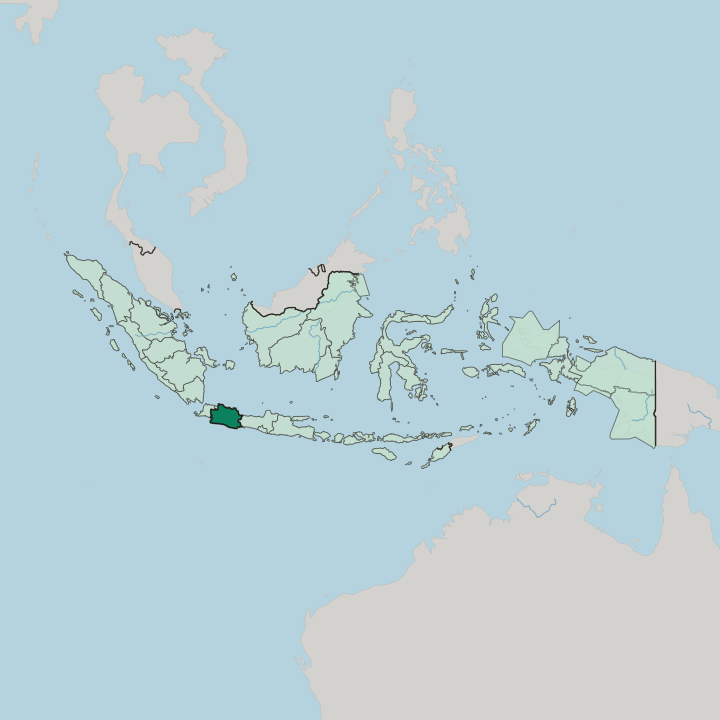
Jawa Barat fills the western end of the island of Java, the mountainous core of the old Preanger highlands. Banten province and the capital region of Jakarta press against it in the west, Central Java lies to the east, the Java Sea washes its northern lowlands, and the Indian Ocean pounds the south coast. The land climbs inland. A spine of volcanoes runs the length of the province, active and dormant peaks that top out on Mount Ciremai near the Central Java border.
Bandung sits high among them, in a broad plateau bowl that keeps it far cooler than the steamy northern plain. Bekasi, the largest city, sprawls the other way, absorbed into the built-up edge of greater Jakarta. The province's rivers carve out everything else.
The Citarum, the longest river in West Java, rises in the southern highlands and winds north across the rice plains to the Java Sea, feeding reservoirs and paddies on the way. Its north coast is flat, silted, and lined with fishing towns and ports. The south is the opposite.
There the mountains drop almost straight into the surf, and beaches such as Pangandaran break against open Indian Ocean swell with almost no shelf between the peaks and the sea.
What is Jawa Barat like?
This is Sunda, and its people set the tone. The Sundanese are the second-largest ethnic group in Indonesia, and their language, distinct from Javanese, is heard from Bandung's campuses to the terraced villages of the interior. Their arts travel well.
The angklung, a tuned bamboo rattle shaken in ensembles, was inscribed on UNESCO's heritage list, and wayang golek rod puppets act out old epics without a screen. Jaipongan, a percussive Sundanese dance, was born in the Bandung and Karawang lowlands. Sundanese cooking runs to the fresh and the fiery.
Raw vegetables come as lalab with a fierce sambal, karedok mixes them in peanut sauce, and rice steamed in banana leaf is served as nasi timbel. Islam is near-universal, layered over older village customs that still govern places like Kampung Naga. On the north coast, Cirebon keeps its own courtly kraton culture and a batik marked by billowing storm-cloud motifs.
Bandung pulls in a different crowd. Its university, the Institut Teknologi Bandung, and a long design and music scene make the capital the youthful, restless counterweight to the quiet farming country around it.
What is the history of Jawa Barat?
Western Java carries some of Indonesia's oldest history. Its story starts on the rivers. Tarumanagara, a Hindu kingdom on the northern rivers, left stone inscriptions from the 5th century.
The Sunda Kingdom followed and held the west for centuries from Pakuan Pajajaran, the royal seat that grew into modern Bogor, until the Banten Sultanate and then three hundred years of Dutch rule took over. The Dutch turned the highlands into coffee estates and made Bandung their hill retreat. Jawa Barat became one of the first provinces of the new republic in 1945, and Banten was split from its western end in 2000.
What is the climate of Jawa Barat?
Elevation decides the weather here. The north coast around Bekasi and Cirebon stays hot and sticky all year, while Bandung and the Puncak highlands keep a mild, spring-like cool that first drew the Dutch uphill. Rain follows the monsoon.
The heaviest downpours run from about November to April, and Bogor, catching moist air against the mountains, ranks among the most thunderstorm-prone towns on earth. The drier months from mid-year are the easier time to climb the volcanoes.
How do you get to Jawa Barat?
Most visitors reach Jawa Barat through Jakarta. Soekarno-Hatta, the country's main airport, sits just across the border in Banten, and a short drive or train carries arrivals into the province. The Whoosh high-speed line, Southeast Asia's first, links Jakarta to the edge of Bandung in under an hour.
That trip once took half a day. West Java also runs its own long-haul airport at Kertajati, in the Majalengka lowlands, which absorbed the flights from Bandung's Husein Sastranegara. Toll roads climb from the capital along the Cipularang route, while the southern beaches at Pangandaran still mean a long drive over the mountains.
Common questions
What is the best area to stay in Jawa Barat?
Bandung: a highland first base. Lembang and Ciater: hot springs under the volcano. Bogor: rainforest gardens near Jakarta. Pangandaran: surf on the south coast.
Good for
More regions in Indonesia
Updated September 2026