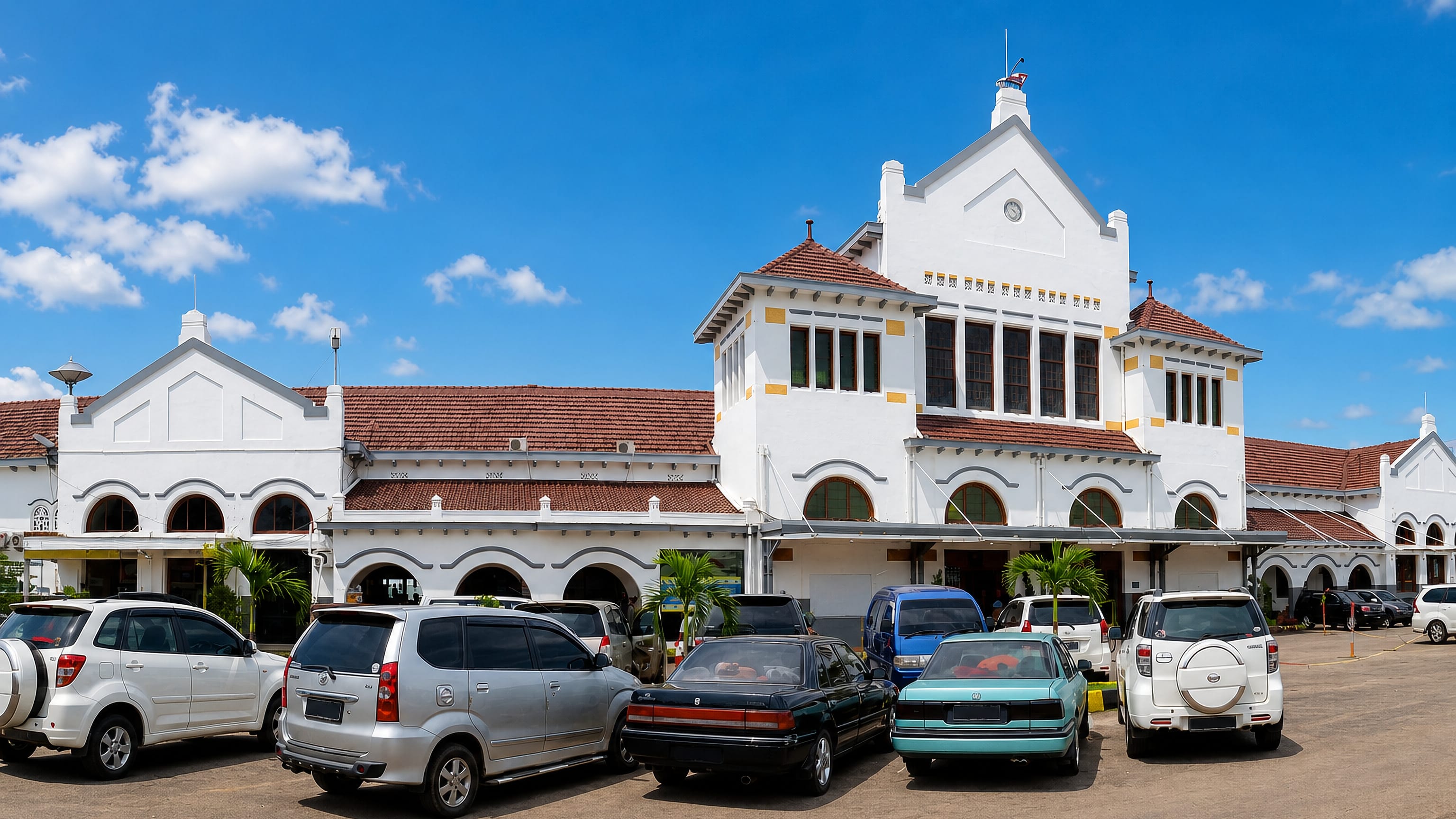
Indonesia · Jawa Barat
Where to Stay in Cirebon, Jawa Barat
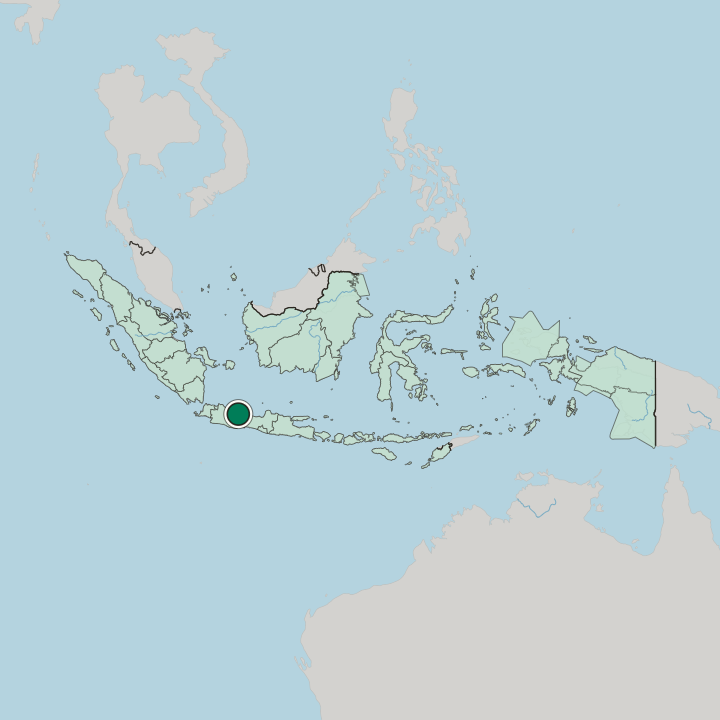
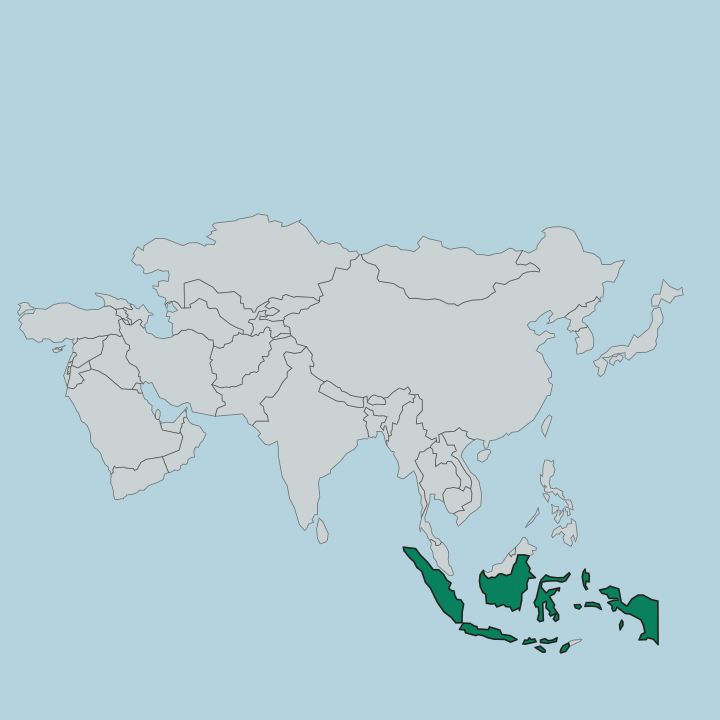
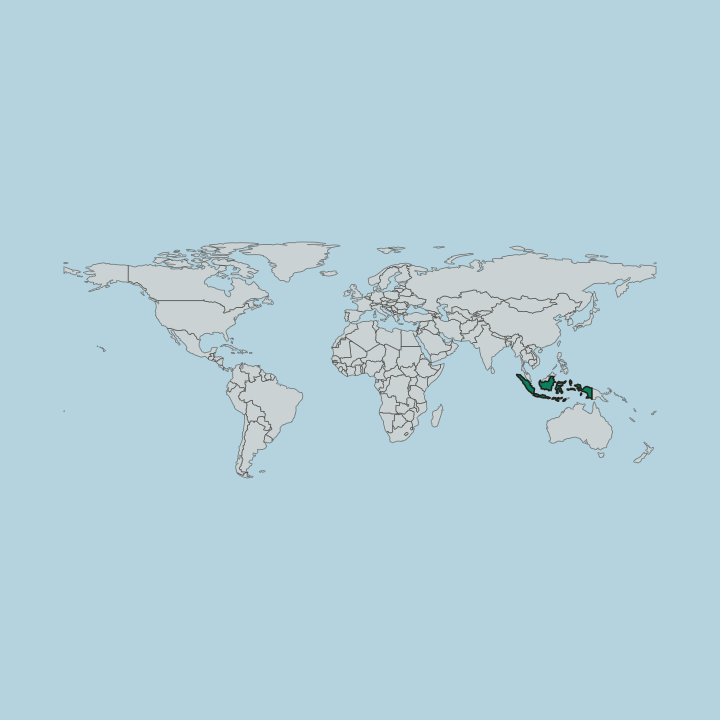
Cirebon is a port city on the north coast of Java in Indonesia, famous for the palaces of its old sultans.
Hotel links are affiliate links: booking through them may earn us a commission, at no extra cost to you. It never affects how places are ranked. How this works


Where to stay in Cirebon
Where the beds are, and what that means for the visit.
Choosing a room in Cirebon comes down to how near you want to be to the old kraton quarter. The streets near the Kasepuhan Palace keep the kratons, the market, and the batik shops within reach, and staying in the centre suits anyone here for the old courts. The old walls hush after dark.
Rooms sit near the palace gates. Out toward the coast and the newer town, the streets run wider and busier. A room away from the centre trades the old lanes for the seafront, the malls, and an easy road to the station.
The flat coast opens past the edge. If you want the palaces, stay in the centre; if you want the sea, take a room by the coast. Whichever you pick, the kraton quarter stays within easy reach.
Find hotels in Cirebon
Direct booking searches for these neighbourhoods.
The old town
Around the Kasepuhan Palace and the kratons, within reach of the batik shopsFind hotels in The old townStays wanting the seafront and the road outThe coast
Toward the coast in the newer town, an easy road to the stationFind hotels in The coastHotel links are affiliate links: booking through them may earn us a commission, at no extra cost to you. It never affects how places are ranked. How this works
Things to do in Cirebon
Ranked by global recognition; descriptions from Wikidata (CC0).
Museums & Galleries
3- Kasepuhan Palace Heritage Museum
- Kanoman Palace Heritage Building Museum
- Museum Keraton Kasepuhan
Churches & Religious Sites
3- Saint Joseph Church, Cirebon Heritage
- Saint Mary Church, Cirebon
- Gereja Kristen Pasundan Jemaat Cirebon
Castles & Historic Sites
1- Situs Pedati Gede Heritage
Stadiums & Sports
1- GOR Bima
Landmarks & Notable Places
1- Menara PDAM Tuparev Heritage
worth knowingacross 5 categories in Cirebon
About Cirebon
What is Cirebon known for?
Cirebon is a city of sultan's palaces on the Java coast. Two old royal courts, the kratons, still stand in the town, hung with carved gates and a legendary carriage, and a strange grotto of coral rock rises nearby, while the city's batik-makers print the famous cloud-patterned cloth. Where Sundanese and Javanese lands meet, cultures mingle here.
Palaces and batik mark the city.
What are the main landmarks in Cirebon?
The Kasepuhan Palace is the pride of Cirebon. The oldest of the sultan's kratons, with its carved red-brick gates and a great mythic carriage, stands in the heart of the town, the emblem of the city, behind old walls. More courts and grottoes lie near.
The Kanoman Palace holds another royal court, while the coral-rock grotto of Sunyaragi and the tomb of Sunan Gunung Jati draw pilgrims and crowds.
What is the history of Cirebon?
Cirebon rose as a port and a seat of sultans. In the days when Islam was spreading through Java, a great saint, Sunan Gunung Jati, made Cirebon a stronghold of the new faith and a trading port on the coast, and his heirs ruled as sultans from their palaces. The town stood between two worlds.
It lay on the border of the Sundanese west and the Javanese centre, and its culture drew from both, along with Chinese and Arab traders who came to the port. The courts split but held on. In time the ruling line divided, and two and then three kratons stood in the town, each a court of its own, keeping the old arts of dance, music, and batik.
Trade and craft filled the streets. The port shipped rice, sugar, and salt, and the city's dyers made the famous cloud-patterned batik prized across the islands. The old palaces still stand in the town.
Cirebon keeps its kratons and its batik on the Java coast.
Where is Cirebon?
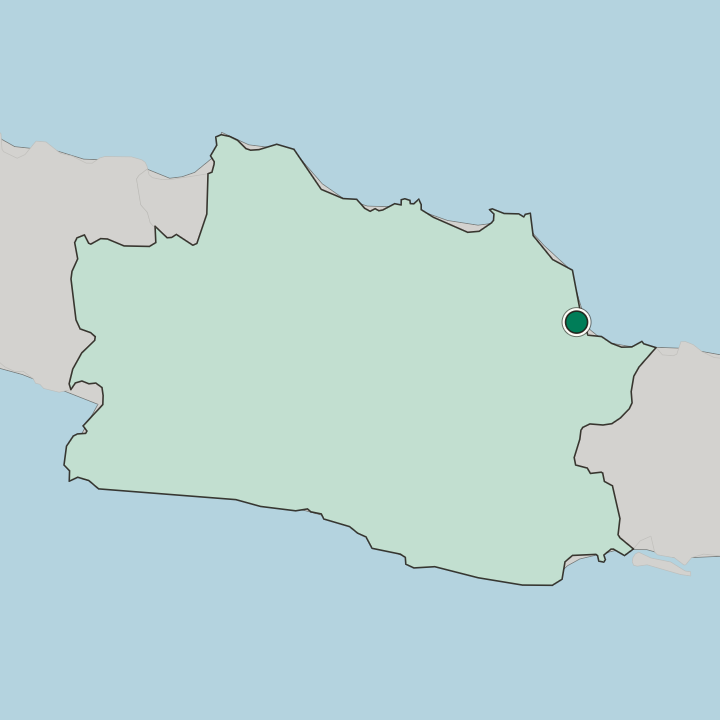
Cirebon lies on the north coast of Java where West Java meets the central lands. The city spreads along a flat coastal plain by the Java Sea, backed by the volcano Ceremai to the south, in the warm lowlands of Indonesia. Volcanic slopes rise inland.
The sea stretches out to the north.
What is the climate of Cirebon?
Cirebon sits in the hot, rain-heavy tropics. Warm, humid air hangs over the coast all year, and a wet monsoon brings the rains from autumn into spring, with a drier, hotter spell between. Sea breezes ease the coastal heat.
The lowland stays warm year-round.
How do you get to Cirebon?
Cirebon lies on the north coast of Java, between Jakarta and Semarang. Trains and the toll road run to it along the coast from the capital, and the port works the Java Sea. Local buses link Cirebon with the fishing and market towns strung along the Java Sea shore.
Most arrive by rail along the coast.
Common questions
What is the best area to stay in Cirebon?
The old town: Visitors here for the palaces, market, and batik. The coast: Stays wanting the seafront and the road out.
Good for
More cities in Jawa Barat
Updated September 2026