Indonesia · Jawa Timur
Where to Stay in Malang, Jawa Timur
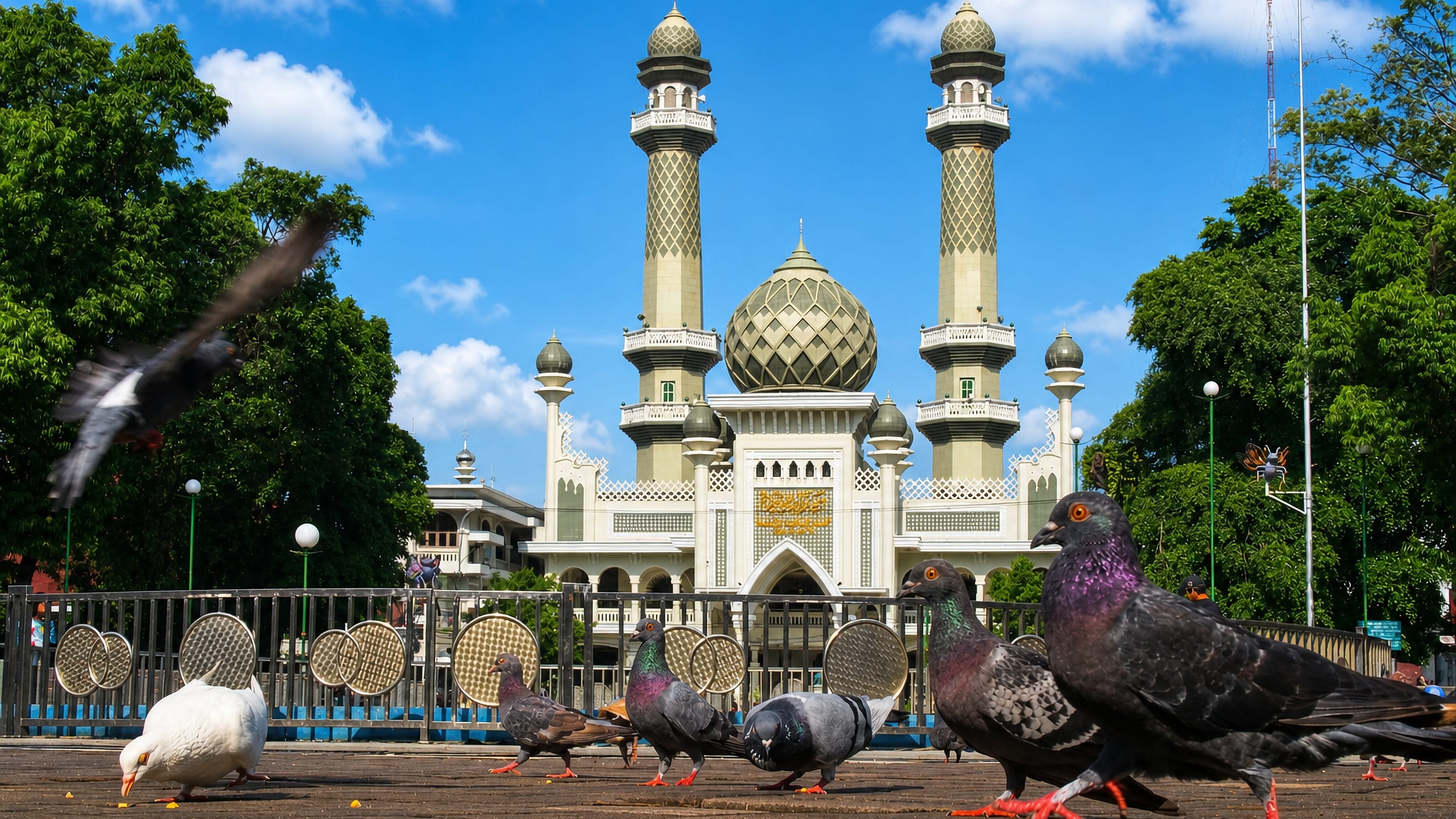
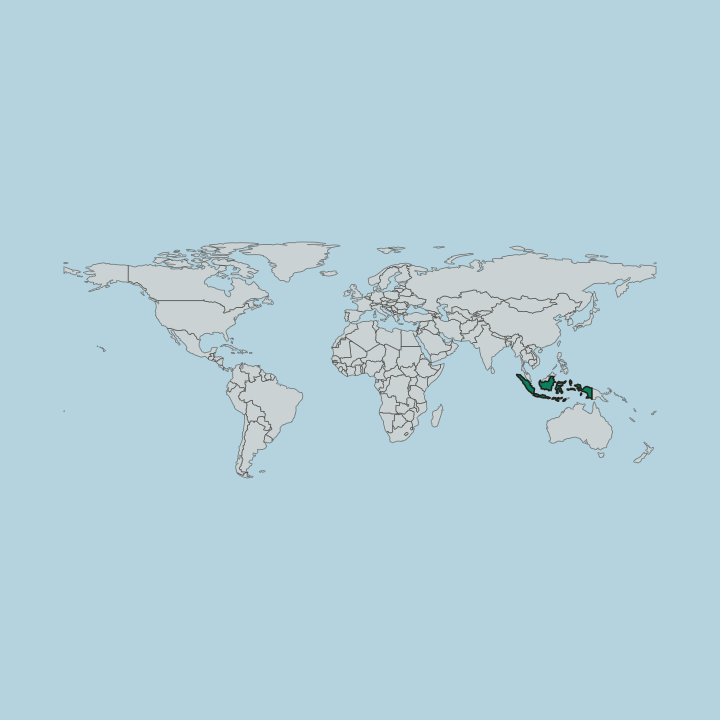
Malang is a cool hill city of East Java in Indonesia, a Dutch colonial town ringed by volcanoes on the upland plain of the Brantas.
Hotel links are affiliate links: booking through them may earn us a commission, at no extra cost to you. It never affects how places are ranked. How this works


Where to stay in Malang
The right area depends on your trip — here's what each neighbourhood is best for.

 MalangIndonesia
Bareng
Bareng, registered as Kelurahan Bareng, is a ward of Malang in Jawa Timur, with Jodipan and Sukun the closest of its neighbours.Where to stay →MalangIndonesiaKlojen
Klojen is a district of Malang in East Java, the kecamatan that carries the city's cathedral and Museum Brawijaya.Where to stay →MalangIndonesiaJodipan
Jodipan is a kelurahan of Malang, written in full as Kelurahan Jodipan, in the Indonesian province of Jawa Timur.Where to stay →MalangIndonesiaTanjungrejo
Tanjungrejo is a kelurahan of Malang in Jawa Timur, an administrative ward rather than a quarter with landmarks of its own.Where to stay →MalangIndonesiaSukun
Sukun is a kecamatan of Malang in East Java, known in the record chiefly as the base of the tobacco firm Bentoel Group.Where to stay →Hotel links are affiliate links: booking through them may earn us a commission, at no extra cost to you. It never affects how places are ranked. How this works
Find hotels in Malang
Direct booking searches for these neighbourhoods.
The old town
Around the Tugu square within a walk of the marketsFind hotels in The old townStays wanting the orchards and the volcanoesThe hills
Out toward Batu and the road to BromoFind hotels in The hillsHotel links are affiliate links: booking through them may earn us a commission, at no extra cost to you. It never affects how places are ranked. How this works
Things to do in Malang
Ranked by global recognition; descriptions from Wikidata (CC0).
Museums & Galleries
3- Museum Musik Indonesia
- Carriage of death
- Indonesian Old Cinema Museum
Churches & Religious Sites
1- Cathedral of Our Lady of Mount Carmel, Malang
Castles & Historic Sites
1- Badut
Stadiums & Sports
1- GOR Platinum Arena
worth knowingacross 4 categories in Malang
About Malang
Malang is the garden city of the East Java uplands.
What is Malang known for?
On a high plain among the volcanoes where the Brantas rises, it kept the leafy villas and boulevards of the Dutch, and it keeps that colonial quarter with its Tugu monument and clock square, the Ijen boulevard of old mansions, the Brawijaya army museum, and the ancient Badut temple on the edge of town. Green volcanoes ring the plain. Cool air hangs over the streets.
What are the main landmarks in Malang?
The Dutch colonial quarter is the emblem of Malang. The garden streets and Art Deco villas, gathered along the Ijen boulevard and the Tugu square, spread through the centre, the mark of the city, under the trees. An old temple stands nearby.
The ancient Badut temple keeps its Hindu shrine at the town's edge, while the Brawijaya museum, the great mosque, and the Carmelite cathedral mark the streets of Malang.
What is the history of Malang?
Malang began at the heart of an ancient Javanese kingdom. The old kingdom of Singhasari rose on this upland in the thirteenth century, leaving stone temples like Badut and Singosari among the fields, and a market grew where the trade of the highlands gathered. Kings ruled here first.
Long before the Dutch came, the plain around Malang carried temples, rice, and the shrines of a Hindu-Buddhist realm. Under Dutch rule it became a hill retreat. The cool climate drew planters and officials up from the coast, and in the last century the Dutch laid out garden suburbs, wide boulevards, and villas that made Malang a show town of the colony.
The plantations fed the city. Coffee, sugar, and apples came down from the slopes to its markets and mills, and after independence it grew into a city of schools and army barracks. The old villas still line the boulevards.
Malang keeps its temples and its garden streets below the volcanoes.
Where is Malang?
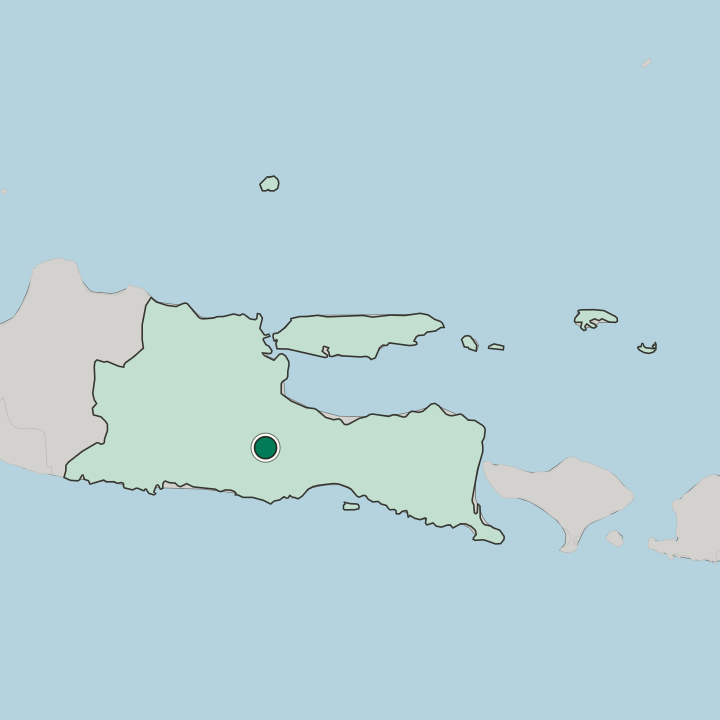
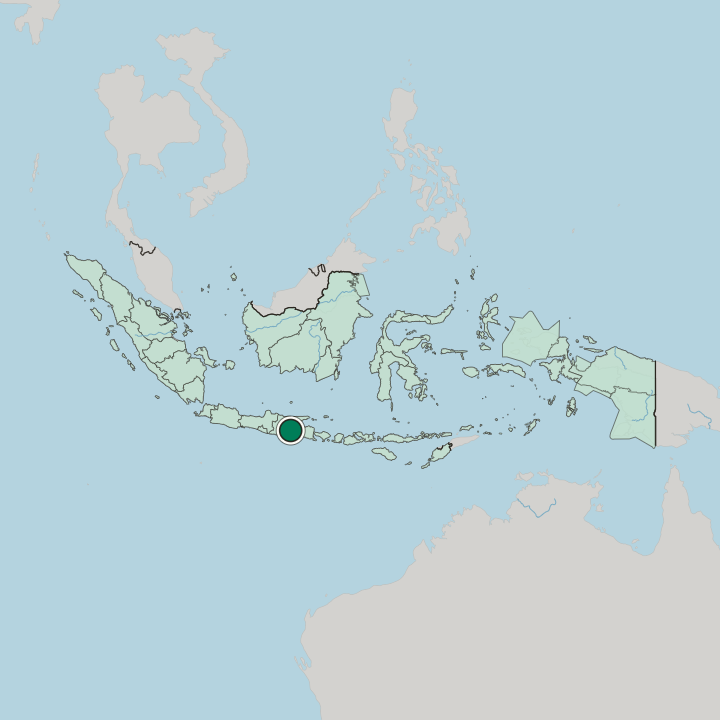
Malang lies on a high inland plateau in East Java, about ninety kilometres south of Surabaya. The city sits some five hundred metres up on the plain of the upper Brantas, ringed by great volcanoes, with Arjuno to the north and the cone of Semeru, the highest in Java, away to the east. Green ridges close the horizon.
The river winds down through the town.
What is the climate of Malang?
Malang has a mild upland climate cooler than the coast. Warm days and cool nights cross the plateau through the year, softened by its height, with a wet season from late in the year and drier, fresher months around midyear. Mountain air keeps the heat off.
Mist gathers on the volcanoes at dawn.
How do you get to Malang?
Malang lies inland in East Java, about two hours south of Surabaya by road or rail. Trains and buses climb to it from the coast up the Brantas valley, and a small airport lies just outside the city. Mountain roads run on to Bromo and Batu.
Surabaya lies to the north on the sea.
Common questions
What is the best area to stay in Malang?
The old town: Visitors here for the colonial quarter and museums. The hills: Stays wanting the orchards and the volcanoes.
Good for
More cities in Jawa Timur
Updated October 2026