Republic of Ireland · Leinster · Dublin
Ringsend, Dublin — Area Guide & Where to Stay
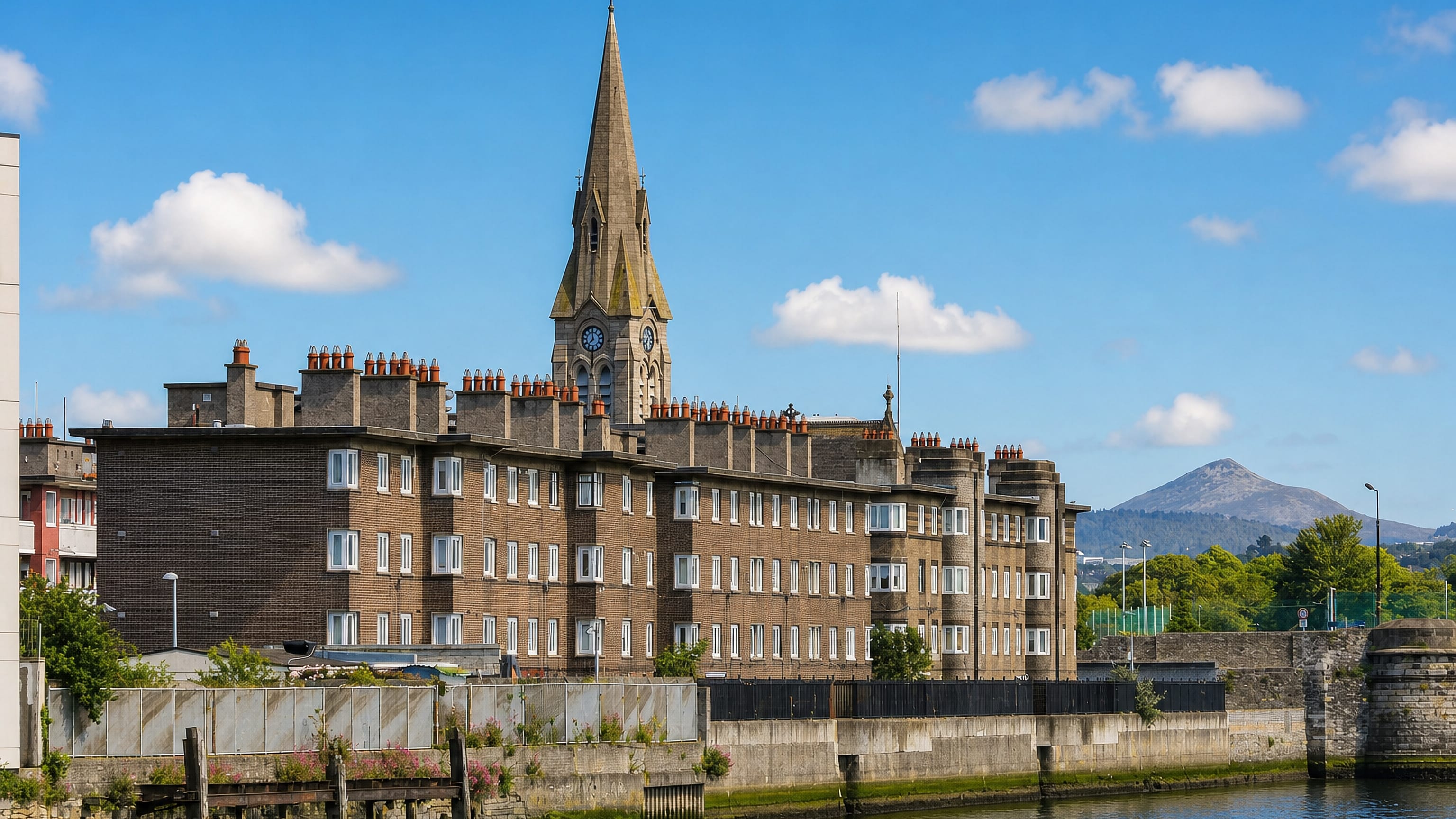
Ringsend is a southside inner suburb of Dublin between the River Liffey and the River Dodder, under the chimneys of Poolbeg power station.
Hotel links are affiliate links: booking through them may earn us a commission, at no extra cost to you. It never affects how places are ranked. How this works


Where to stay in Ringsend
Where the beds are, and what that means for the visit.
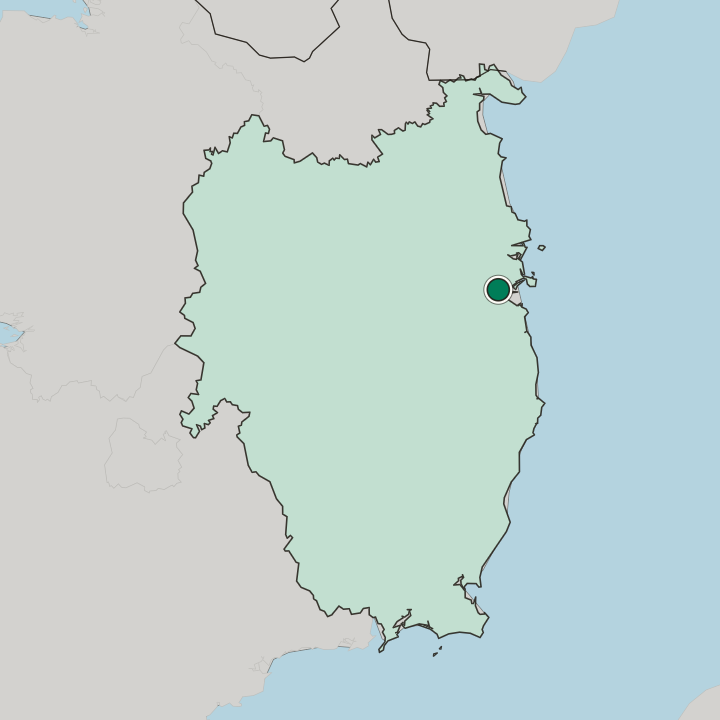
Grand Canal Dock holds the beds. Rooms gather at the western end of Ringsend, where South Lotts and the Grand Canal Dock area run into the Dublin Docklands and the Dublin city centre sits about two kilometres west along the Liffey. Irishtown begins just south. Streets that way lead towards Sandymount and the Beggars Bush corner of Ballsbridge, quieter than the dock side and still inside a short walk of the River Dodder crossings.
Find hotels in Ringsend
Direct booking searches for these neighbourhoods.
South Lotts and Grand Canal Dock
The western end of Ringsend, where South Lotts meets the Grand Canal Dock area and the Liffey quays carry on into the city centre.Find hotels in South Lotts and Grand Canal Dockquieter streets running towards Irishtown and SandymountThe Irishtown edge
The southern side of Ringsend, past the River Dodder crossings towards Sandymount and the Beggars Bush corner of Ballsbridge. Lodging is scarce in this area; reserve in advance.Find hotels in The Irishtown edgeHotel links are affiliate links: booking through them may earn us a commission, at no extra cost to you. It never affects how places are ranked. How this works
About Ringsend
What are the main landmarks in Ringsend?
St Andrew's Church and St Patrick's Church stand a few streets apart in the older core, with St Laurence O'Toole's Church nearby and the Wheel of Dublin turning across the water on the docklands side. Poolbeg settles the skyline. The chimneys of Poolbeg power station stand beyond the eastern edge of Ringsend, the single feature the area is best known by, close to where the East Link Toll Bridge carries the road across the Liffey.
What is the history of Ringsend?
Water set the boundaries. Ringsend grew on the south bank of the River Liffey with the River Dodder closing it off to the west, and the record of the area is written in those two rivers rather than in a founding charter or a date. The bridge changed the traffic.
As southern terminus of the East Link Toll Bridge, Ringsend took a road crossing at the Liffey mouth, and the names South Lotts and Grand Canal Dock still mark where the area meets the Dublin Docklands.
Where is Ringsend?
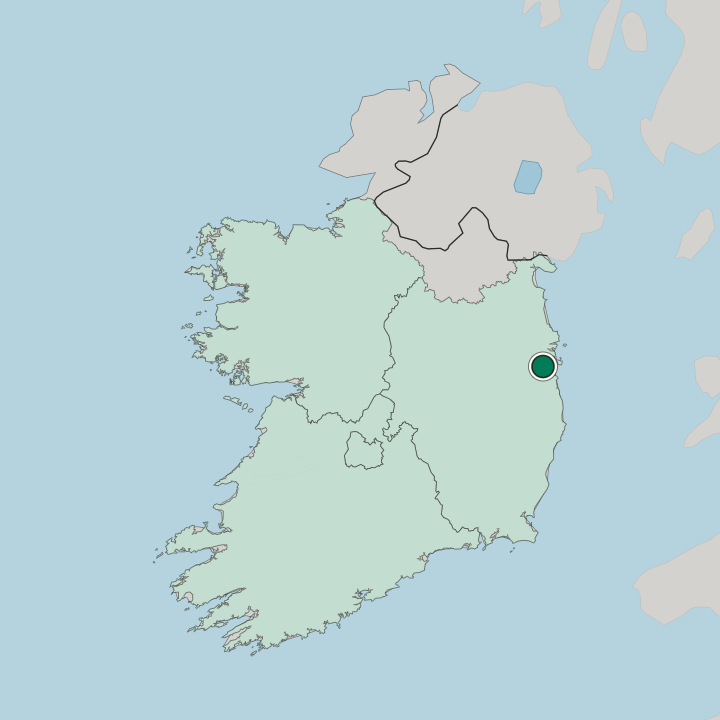
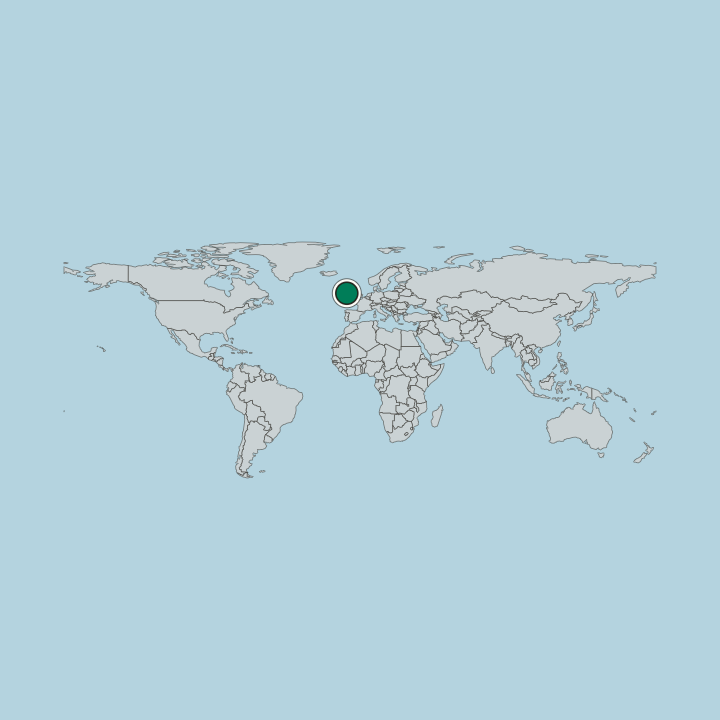
South Lotts and the Grand Canal Dock area close the western end of Ringsend, with Irishtown and Sandymount to the south and the River Liffey along the north.
Common questions
What is the best area to stay in Ringsend?
South Lotts and Grand Canal Dock: walking into the Dublin Docklands from the Grand Canal Dock end. The Irishtown edge: quieter streets running towards Irishtown and Sandymount.
Good for
More areas in Dublin
Updated October 2026