Republic of Ireland · Leinster · Dublin
Stoneybatter, Dublin — Area Guide & Where to Stay
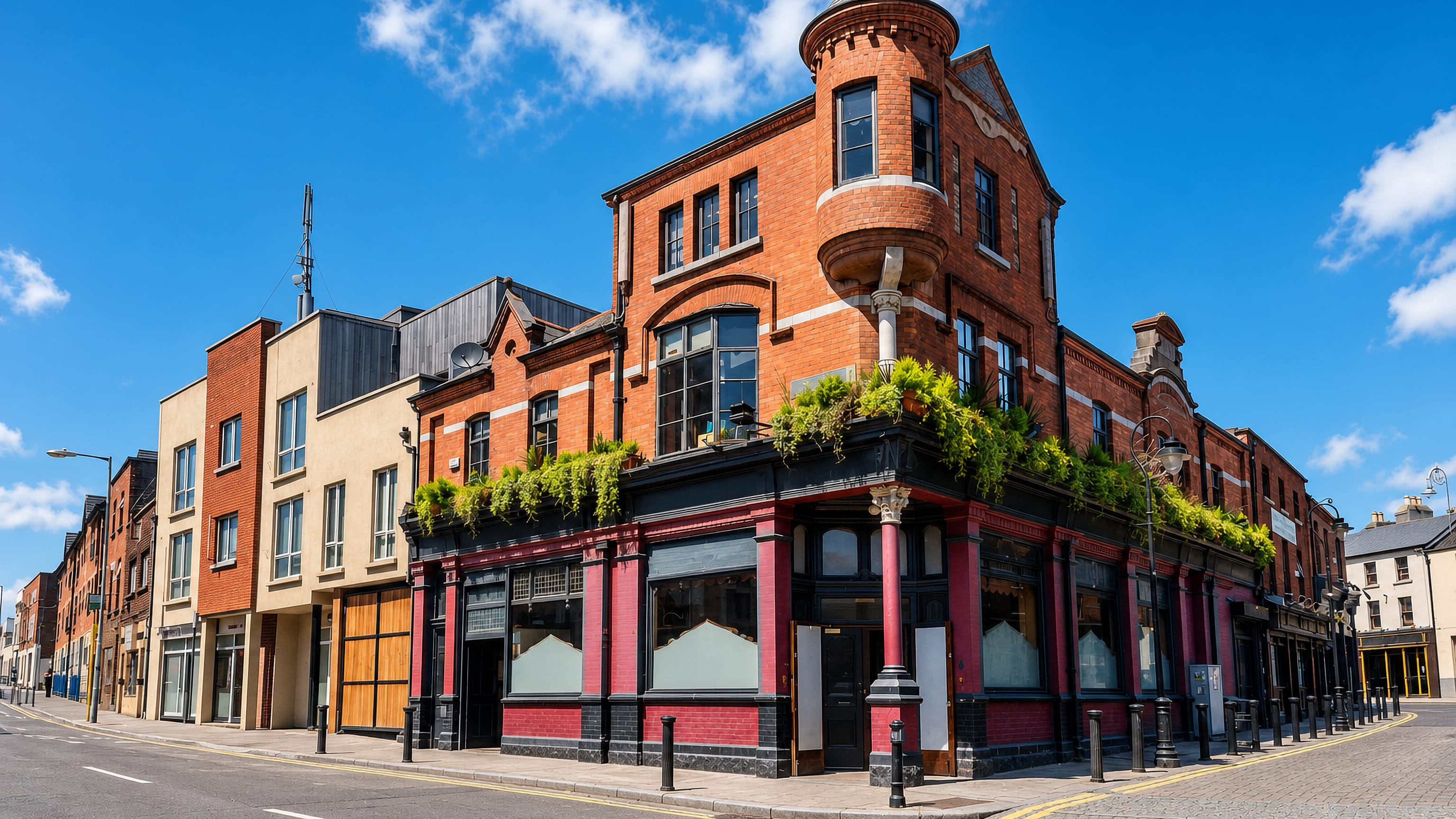
Stoneybatter is a quarter on Dublin's northside, red-brick terraces on a village main street. The name means road of stones. Smithfield lies east.
Hotel links are affiliate links: booking through them may earn us a commission, at no extra cost to you. It never affects how places are ranked. How this works



Where to stay in Stoneybatter
The practical side of choosing where to sleep.
Beds are scarce in Stoneybatter itself. The quarter is mostly cottages and terraced houses, so what a visitor finds here is a handful of guesthouses and short-let rooms rather than large hotels, chosen for the neighbourhood's easy pubs and cafés. Staying here puts the Phoenix Park and Dublin Zoo within a walk to the west, with the Guinness Storehouse a little way south across the River Liffey.
It suits travellers who want a quiet base with a local grain over nightlife. For a wider choice of rooms, central Dublin lies just across the river.
Things to do in and around Dublin
Ranked by global recognition; descriptions from Wikidata (CC0).
Museums & Galleries
3- Guinness Storehouse
- National Gallery of Ireland
- Chester Beatty Library
Churches & Religious Sites
3- Whitefriar Street Carmelite Church
- John's Lane Church
- Saint Francis Xavier Church
Castles & Historic Sites
3- Spire of Dublin
- Dublin Castle
- Anna Livia
worth knowingacross 3 categories in and around Dublin
About Stoneybatter
What are the main landmarks in Stoneybatter?
Stoneybatter's own draw is its streetscape rather than a roll of monuments. West through the Phoenix Park, the Dublin Zoo keeps the largest crowds, and its parkland walks begin barely past the quarter's edge. South across the River Liffey stand two of the city's heavyweight visits: the Guinness Storehouse at St James's Gate, and Kilmainham Gaol with the Irish Museum of Modern Art on the old Royal Hospital grounds further west.
The quays run on into the centre. There the National Museum of Ireland and Dublin's cluster of city-centre galleries wait a short walk beyond.
What is the history of Stoneybatter?
The name records an old road of stones, part of a routeway that carried travellers into Dublin long before the Georgian city grew. The cattle trade shaped it for generations. Drovers walked herds down from the North Dublin Cattle Market off Prussia Street toward the Liffey quays, and the pubs and yards along the way served that traffic.
In the late nineteenth century the Dublin Artisans' Dwellings Company laid out the rows of small red-brick cottages that still define the streets. At Arbour Hill, on the southern edge, lie the executed leaders of the 1916 Rising.
Where is Stoneybatter?
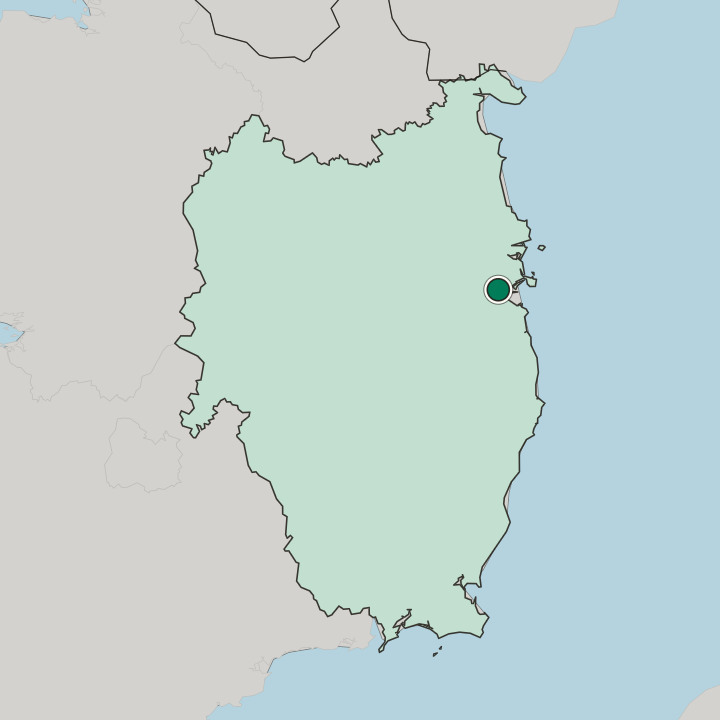
Stoneybatter occupies rising ground on Dublin's northside, set back from the north quays of the River Liffey within the Dublin 7 district. Its spine is the street of the same name, which climbs north as Manor Street toward Prussia Street and the ground of the old cattle market. Arbour Hill falls away to the south.
North of the quarter runs the North Circular Road, with Phibsborough beyond; the Phoenix Park opens west and Smithfield sits close to the east.
Good for
More areas in Dublin
Updated October 2026