India · Madhya Pradesh
Where to Stay in Khandwa, Madhya Pradesh
Khandwa is the administrative headquarters of Khandwa district, a nagar nigam city in the Nimar region of Madhya Pradesh.
Hotel links are affiliate links: booking through them may earn us a commission, at no extra cost to you. It never affects how places are ranked. How this works


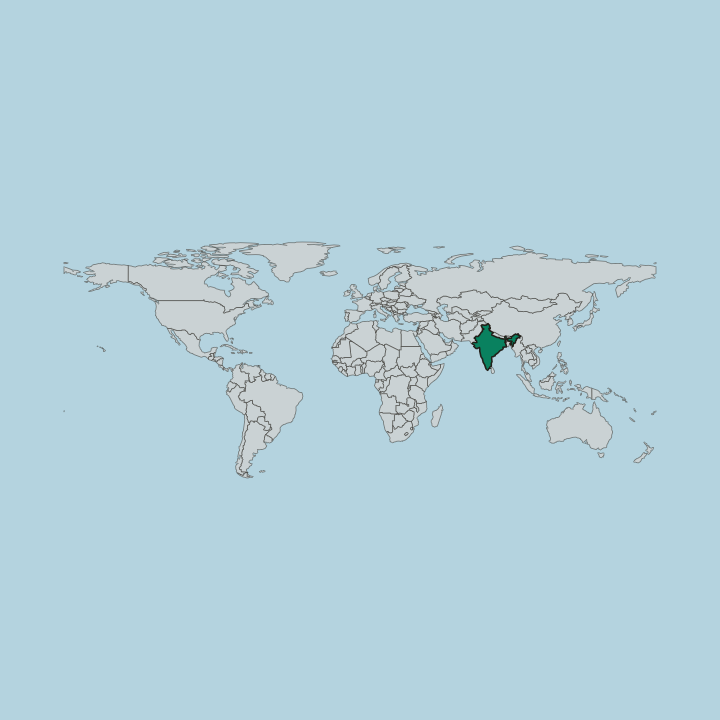
Where to stay in Khandwa
Where visitors usually base themselves, and why.
Khandwa is a working district capital, and the beds follow the offices. Most rooms stand near the administrative core, because the traffic filling them is official business and family visits from around Khandwa district rather than any tourist season. Choice is limited, not absent.
A traveller who needs to be within walking distance of the headquarters of the district will find something, though the range runs to plain and functional rather than to anything built for an outlook over the Nimar country. The second option is the market side. Those streets are loud through the day and quiet once the shops close, which suits an arrival late at night or a start before dawn better than it suits office hours.
You want the administrative quarter for a morning appointment. Anyone touring the wider Nimar region by car tends to treat this city as the place to reassemble a trip, since it is the administrative centre for a large rural stretch of Madhya Pradesh and the obvious spot to restock and sleep before driving on. One night usually does it.
A longer stay makes sense only when the business that brought you to Khandwa district runs across several days.
Find hotels in Khandwa
Direct booking searches for these neighbourhoods.
The Khandwa district headquarters quarter
Walking distance of the Khandwa district headquarters, where the city keeps its plain, functional rooms.Find hotels in The Khandwa district headquarters quarterdrivers working their way across the Nimar regionThe market streets
Loud until the shops shut and quiet afterwards, on the flank of Khandwa that faces the Nimar country roads.Find hotels in The market streetsHotel links are affiliate links: booking through them may earn us a commission, at no extra cost to you. It never affects how places are ranked. How this works
About Khandwa
Administration is the business here.
What is Khandwa known for?
Khandwa works as a nagar nigam and as the administrative headquarters of Khandwa district, which gathers the offices and courts of a wide stretch of the Nimar region into one city. The district answered to another name. Older references to the same country call it East Nimar District, and the switch to Khandwa district is worth knowing for anyone reading an earlier map of Madhya Pradesh or an earlier gazetteer of India.
What are the main landmarks in Khandwa?
No single monument stands out. The public buildings of Khandwa belong to its role as the administrative headquarters of Khandwa district, which means courts, offices and the ordinary architecture of a nagar nigam rather than anything that draws visitors across Madhya Pradesh. Interest here is regional.
What the city holds is a position in the Nimar region, mapped for years as East Nimar District, and the agricultural country reaching away from its edges in every direction.
What is the history of Khandwa?
The district changed its name. Khandwa district was East Nimar District before it took the city's own name, and that renaming is the clearest event the record attaches to the place, the point at which an administrative unit stopped being described by its quarter of a wider region and started being described by its capital instead. Before that, the country was simply Nimar.
Nimar names the land itself, older than any district line drawn across it and still the word people use for the whole agricultural belt. The standing of the city has been administrative throughout. Khandwa holds the headquarters of the district and governs itself as a nagar nigam, the municipal form used for the larger cities of Madhya Pradesh, and those two roles have kept it at the centre of the paperwork for a very wide stretch of country.
Names on the map moved; the function did not. The practical inheritance for a visitor is plain enough, a city that grew around administration rather than around a fort, a shrine or a harbour, with the offices of Khandwa district still setting the pace of the working day. Nothing here was preserved for tourism.
What is on show is a functioning district capital of India.
Where is Khandwa?
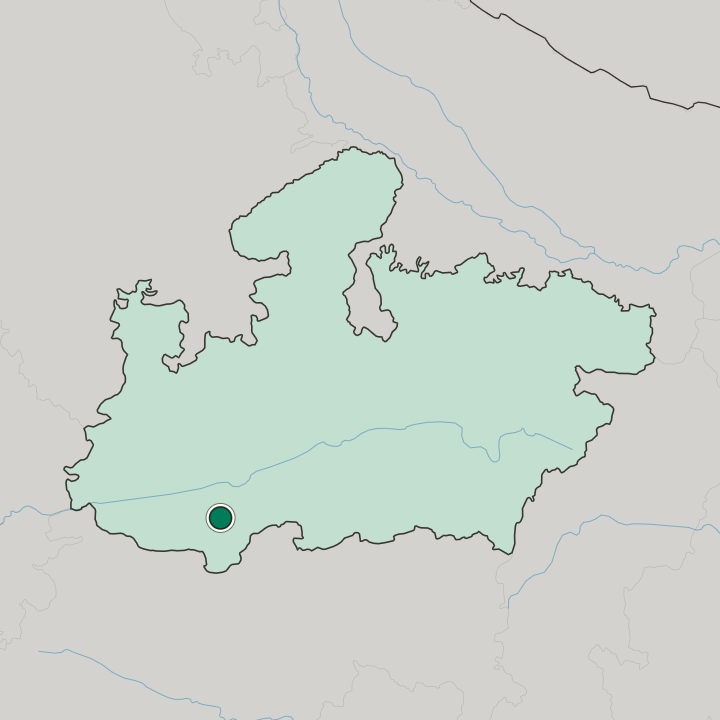
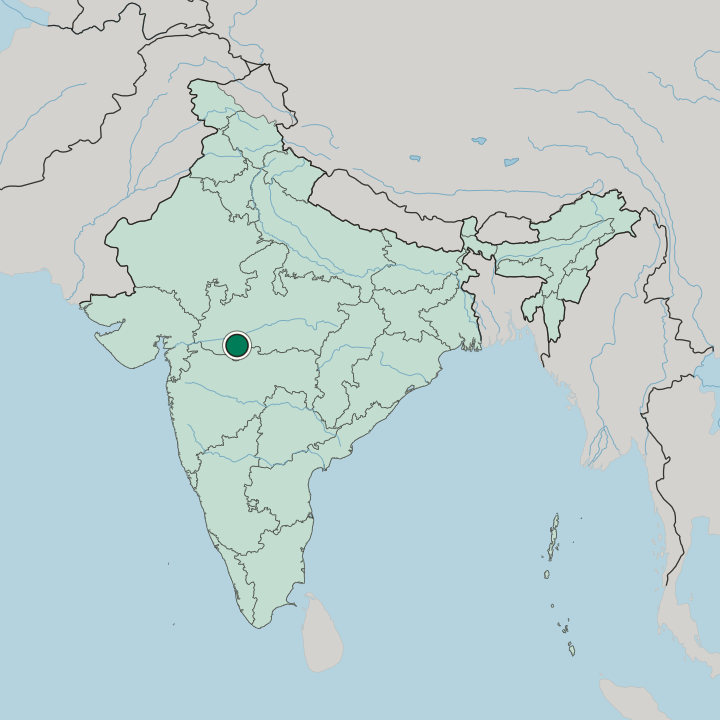
The ground here is inland country. Khandwa sits inside the Nimar region of Madhya Pradesh, a long way from any coast and within the tropical belt that covers this part of India, on the open agricultural land that a district capital serves rather than commands. Distances between towns are long.
Khandwa district spreads out around the city on all sides, and the drive from one settlement to the next is a large part of what travelling here actually consists of. Maharashtra begins south of the state line, which is the direction Burhānpur lies in, with Bhusawal about 100 kilometres to the south-west.
What is the climate of Khandwa?
Dry heat comes first, then the rains. Khandwa lies in the tropical band, and the Nimar country around it has no coast within reach to take the edge off anything, so the hot months build without relief until the wet season breaks over the fields of Khandwa district. In Nimar the useful thing is shade, not shelter.
Travel in the dry stretch works best at either end of the day, because the middle of it flattens any plan made in Madhya Pradesh without that in mind.
How do you get to Khandwa?
Every route in runs over land. Khandwa is reached by road and by rail across the Nimar region, and its standing as the seat of Khandwa district puts it on the routes that the business of a large rural area has to run along anyway. Journeys are measured in hours.
Coming from elsewhere in Madhya Pradesh means a long overland leg rather than a quick hop, so it pays to arrive with the day still ahead of you rather than behind. Burhānpur lies about 60 kilometres to the south, Indore about 110 to the north-west, and Bhopal, the state capital, some 190 kilometres to the north-east.
Common questions
What is the best area to stay in Khandwa?
The Khandwa district headquarters quarter: early appointments at the district offices. The market streets: drivers working their way across the Nimar region.
More cities in Madhya Pradesh
Updated September 2026