India
Madhya Pradesh, India — Towns & Travel Guide
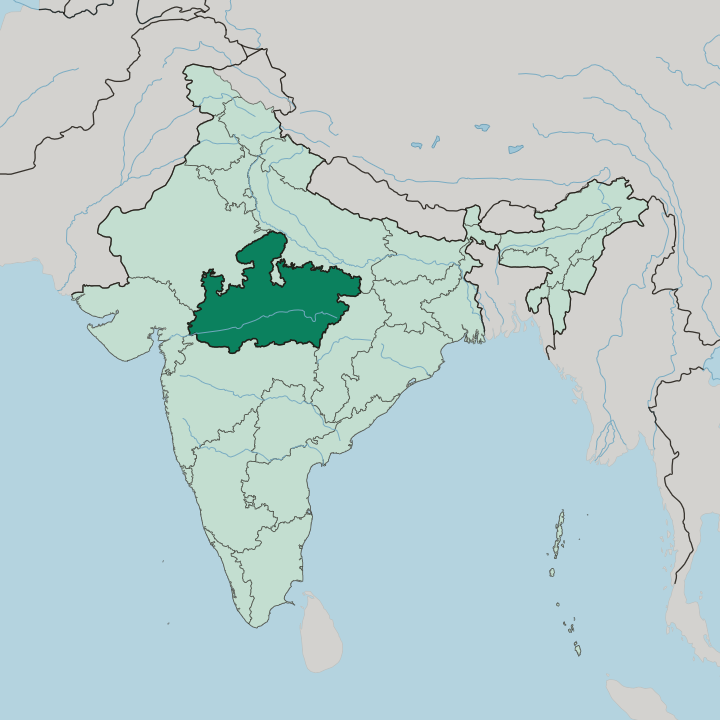
Madhya Pradesh sits at the centre of India, the country's second-largest state, split by the Narmada and ringed by tigers and temples.
Hotel links are affiliate links: booking through them may earn us a commission, at no extra cost to you. It never affects how places are ranked. How this works


Towns & cities in Madhya Pradesh
Pick a town or city — each links to where to stay.
 India
India
Indore
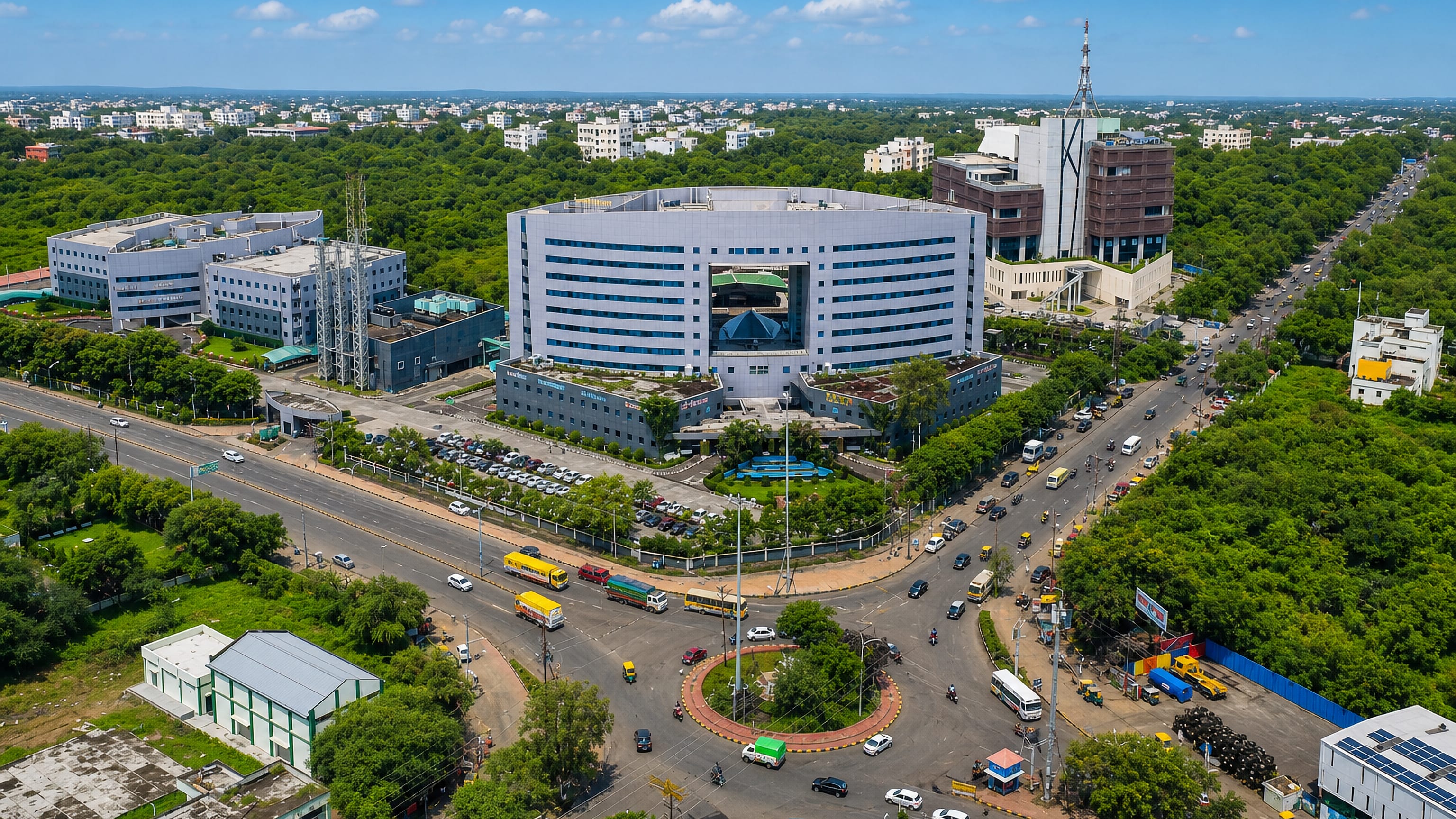
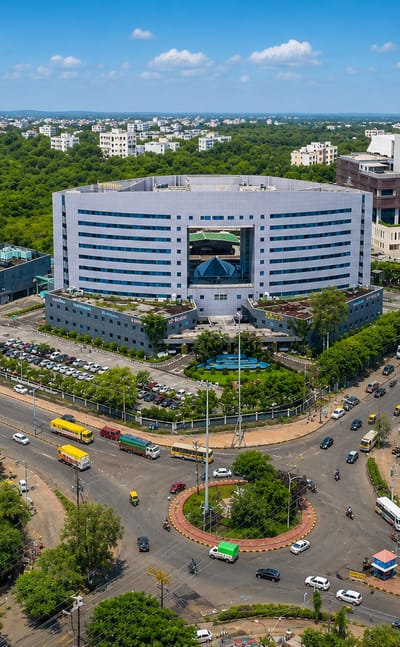
Holkar cenotaphs mark Indore, a city in Madhya Pradesh in central India, known for the Krishnapura Chhatri and the Indore Museum.Where to stay →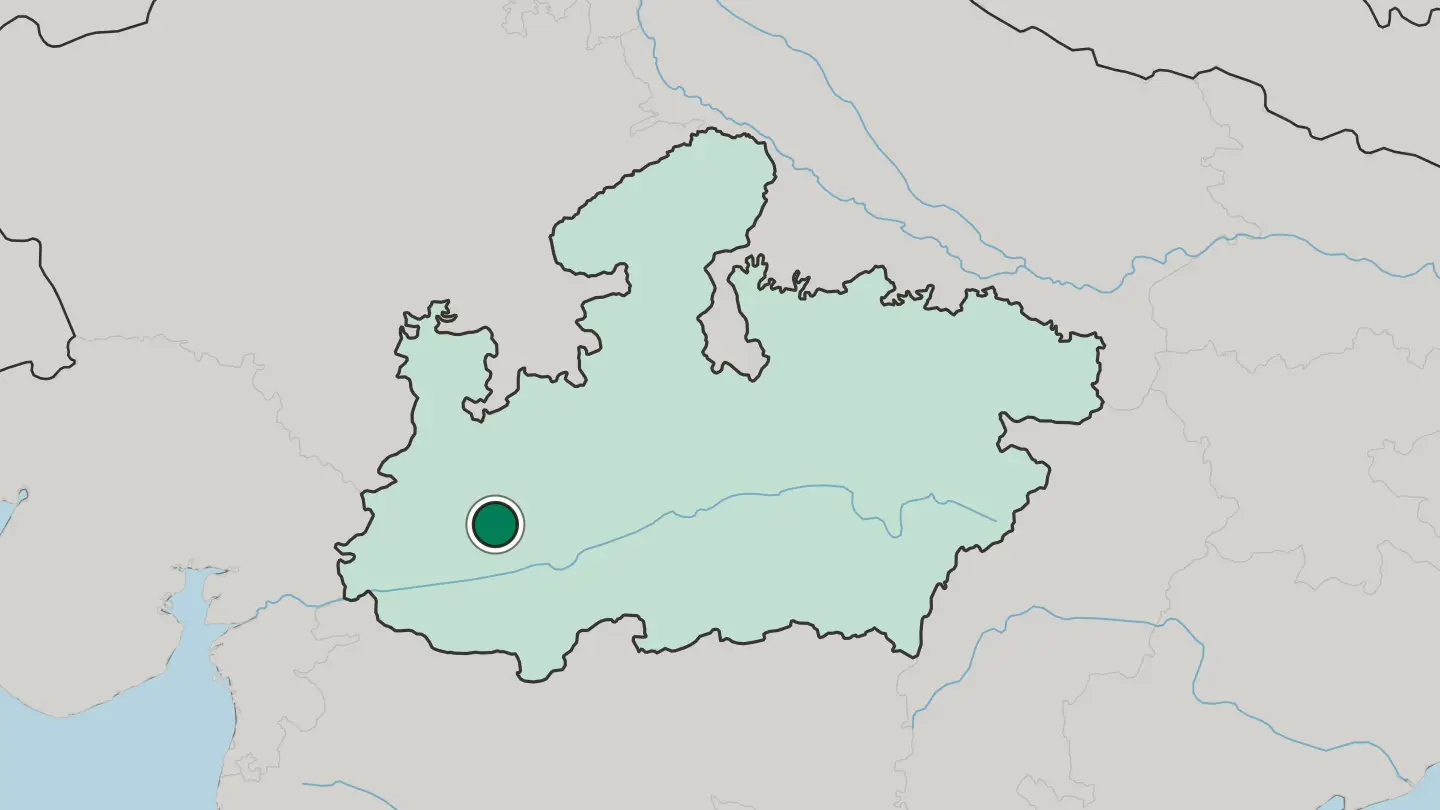
 India
India
Bhopal
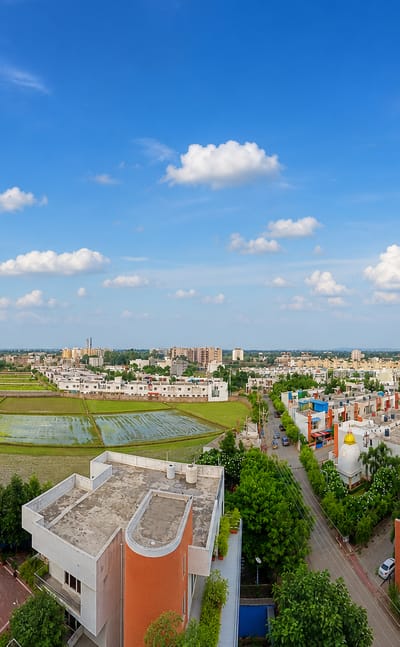
Museum galleries fill Bhopal, a city and capital of Madhya Pradesh in central India, known for Bharat Bhavan and the State Museum.Where to stay →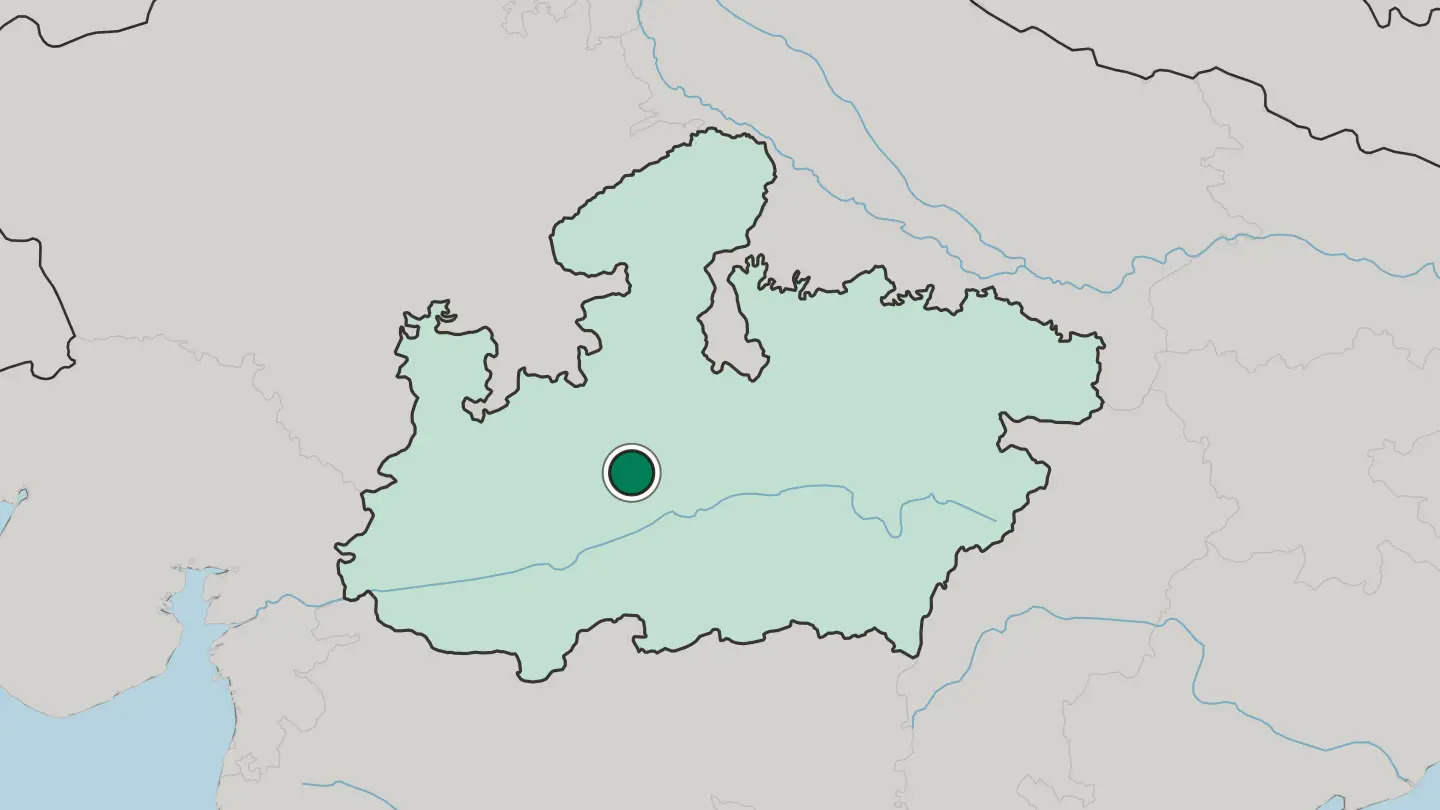
 India
India
Jabalpur
Jabalpur is a city of central India in Madhya Pradesh, set on the Narmada river near the white Marble Rocks of Bhedaghat.Where to stay →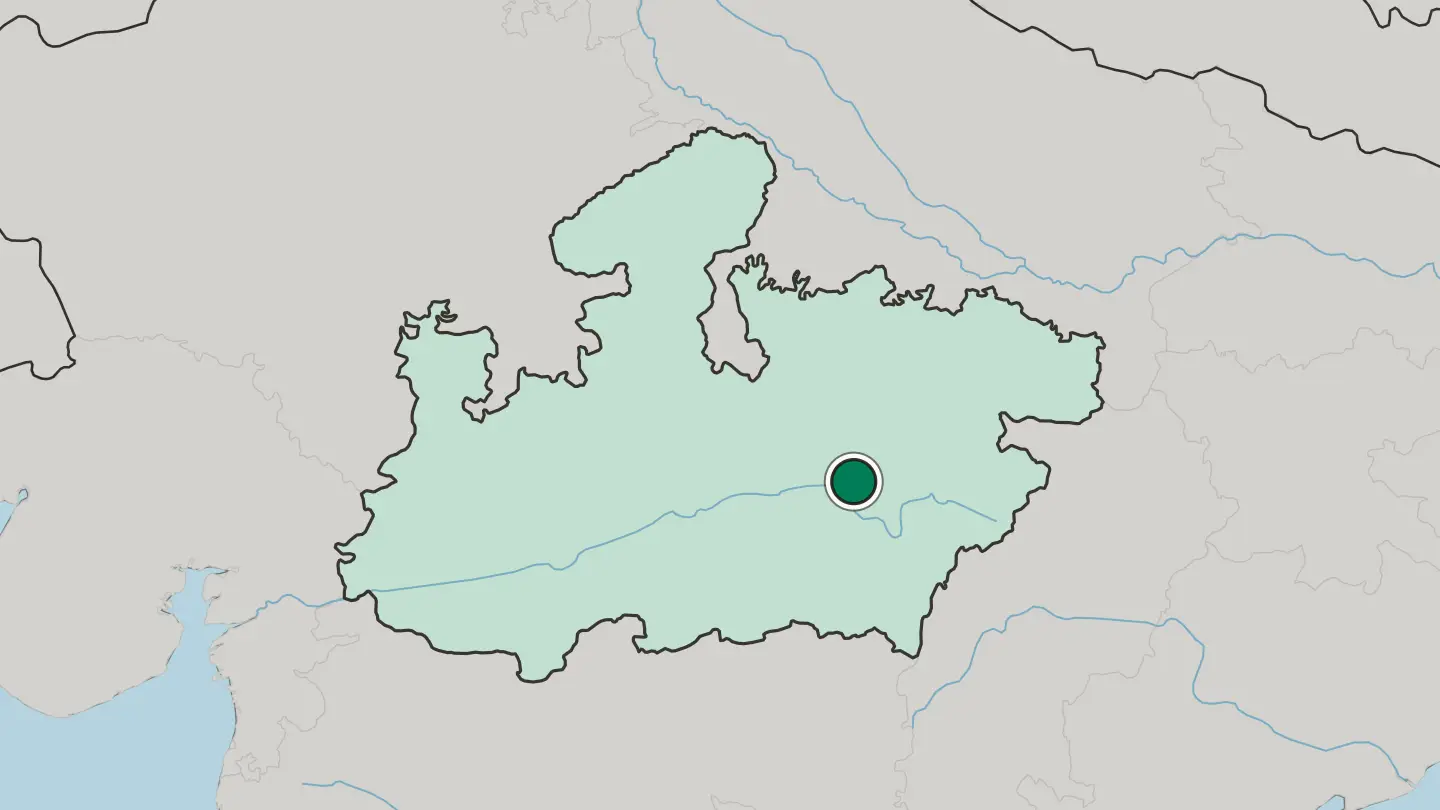
 India
India
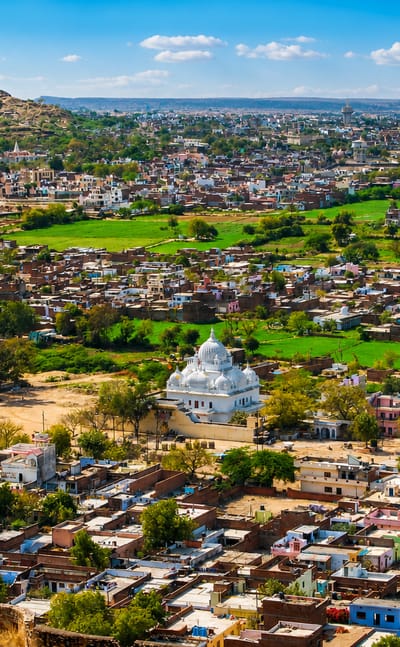
Gwalior
Palace halls crown Gwalior, a city in Madhya Pradesh in central India, known for the Jai Vilas Mahal and the rock carvings of Gopachal.Where to stay →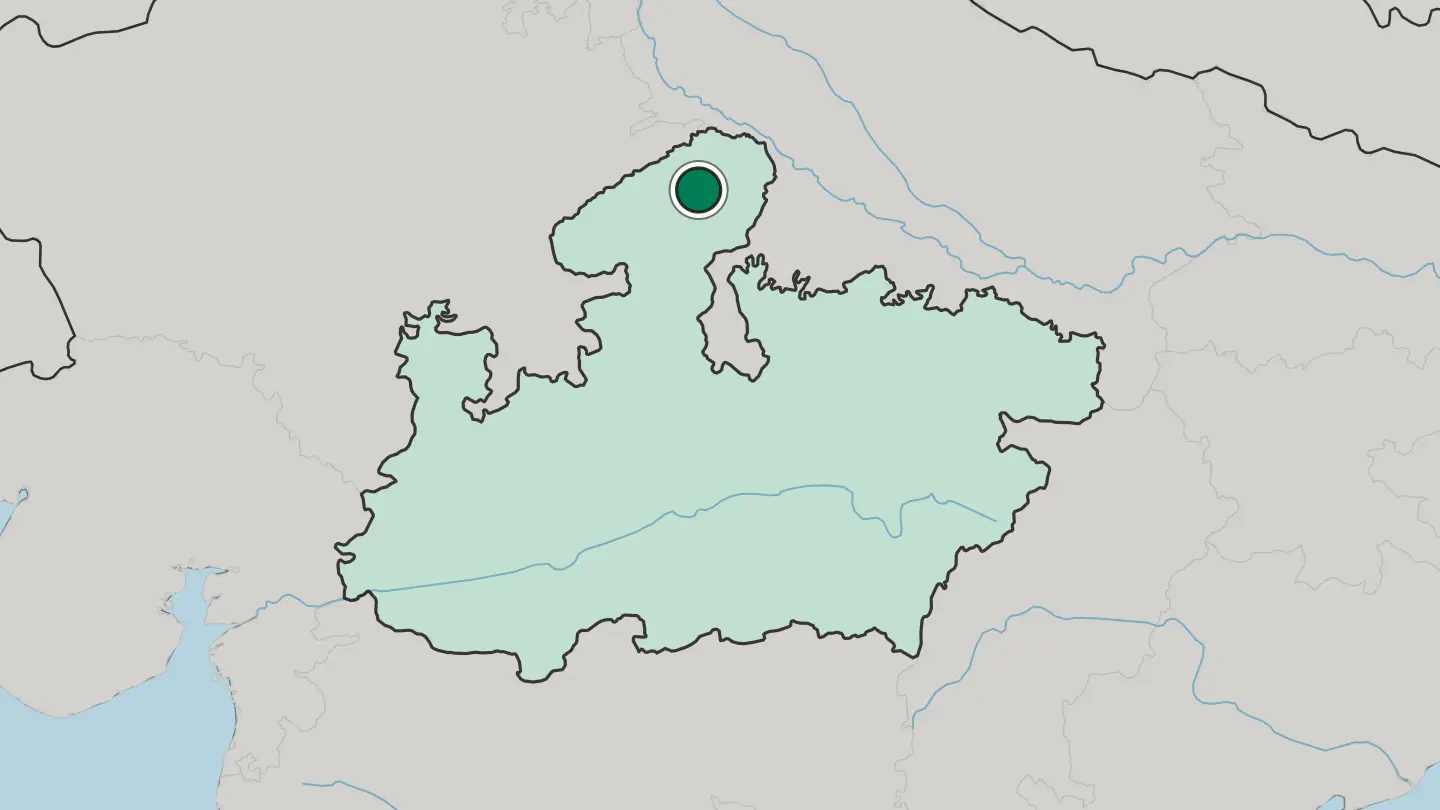
 India
India
Ujjain
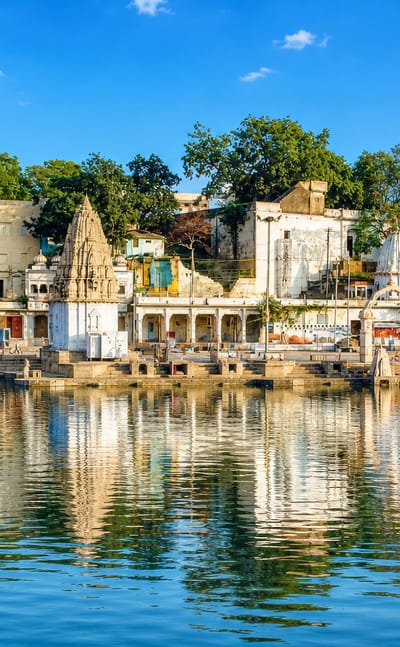
The Mahakaleshwar Temple stands at the heart of Ujjain, an ancient city in Madhya Pradesh, known for its Jyotirlinga shrine and the Kumbh Mela.Where to stay →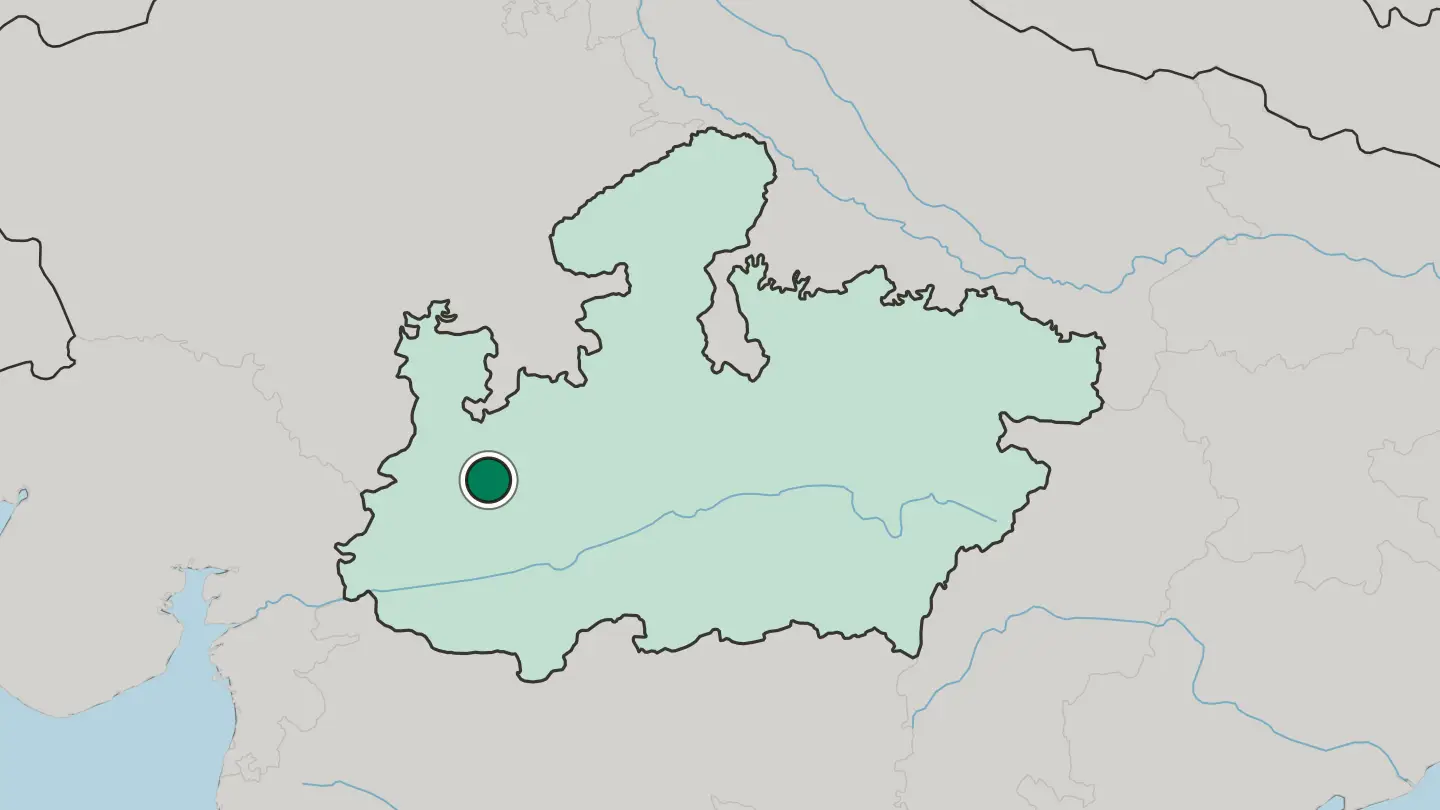
 India
India
Dewas
Dewas is an industrial city of the Malwa region in Madhya Pradesh, once the twin seat of Dewas Senior state and Dewas Junior state.Where to stay →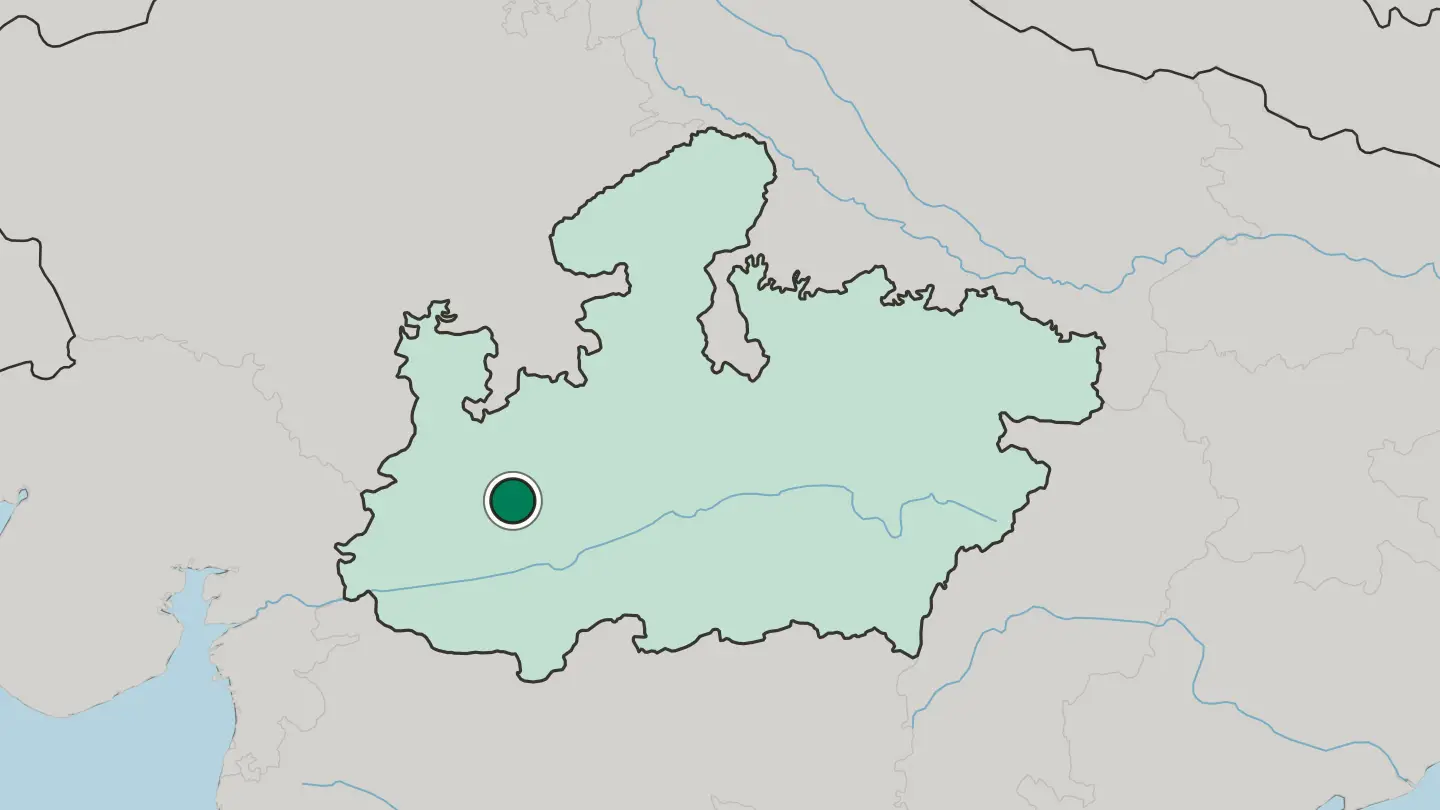
 India
India
Satna
Satna is a cement city of Madhya Pradesh, headquarters of Satna district, standing about 500 kilometres east of the state capital at Bhopal.Where to stay →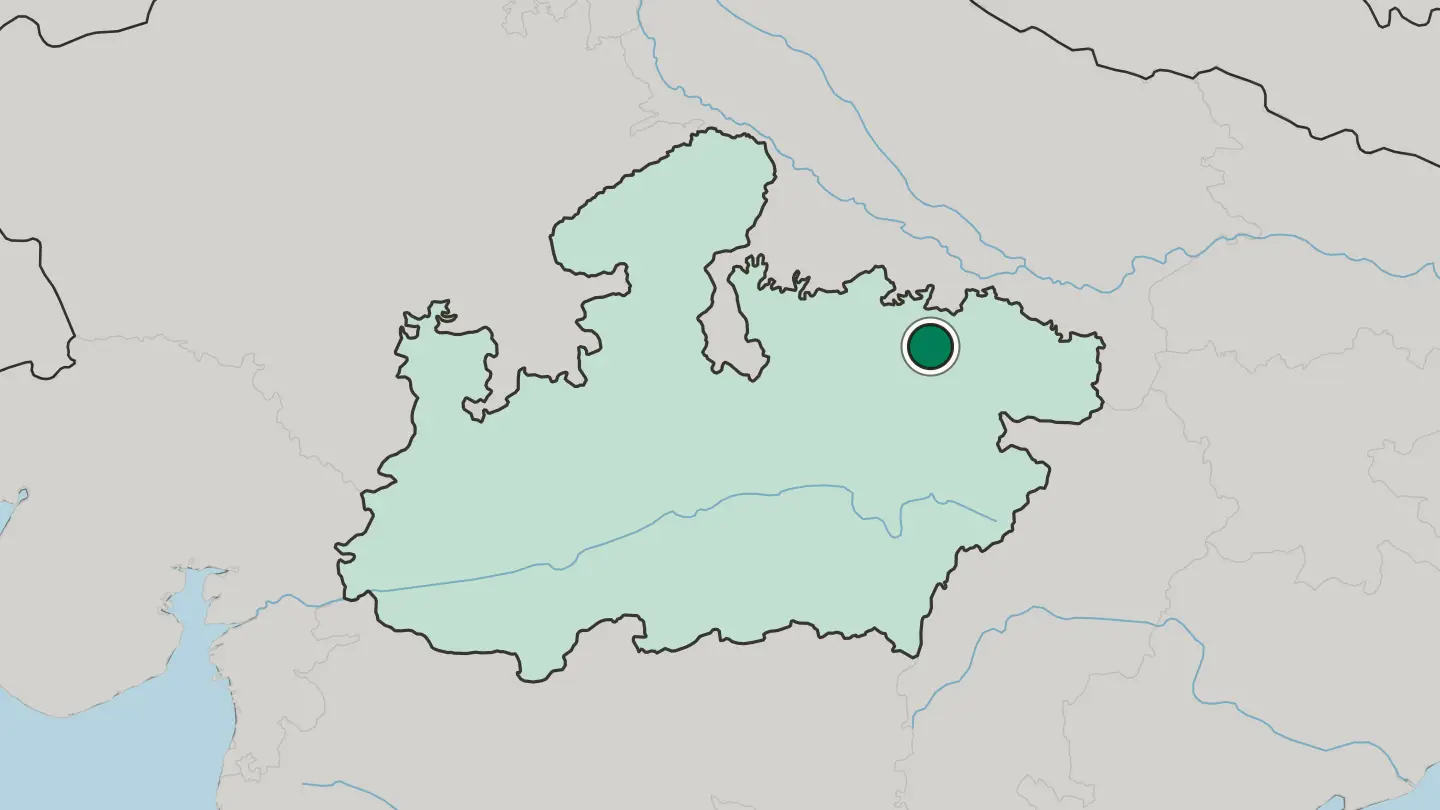
 India
India
Saugor
Saugor, officially Sagar, stands on a spur of the Vindhya Range in Madhya Pradesh, a university city and the headquarter of Sagar district.Where to stay →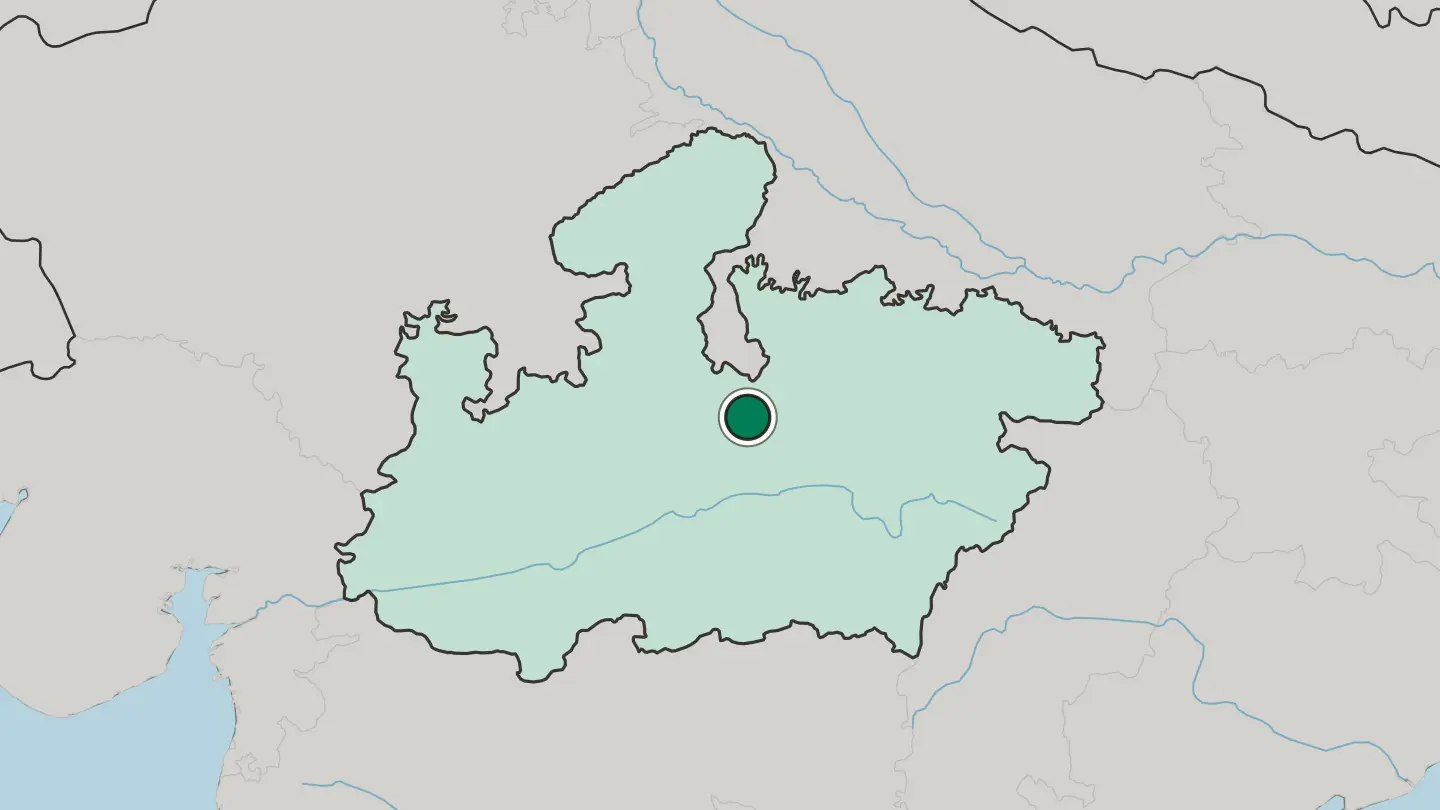
All towns & cities (28)
India
Ratlām
Ratlām, in the Malwa region of Madhya Pradesh, heads Ratlam district and stands on the railway some 294 kilometres west of Bhopal.Where to stay →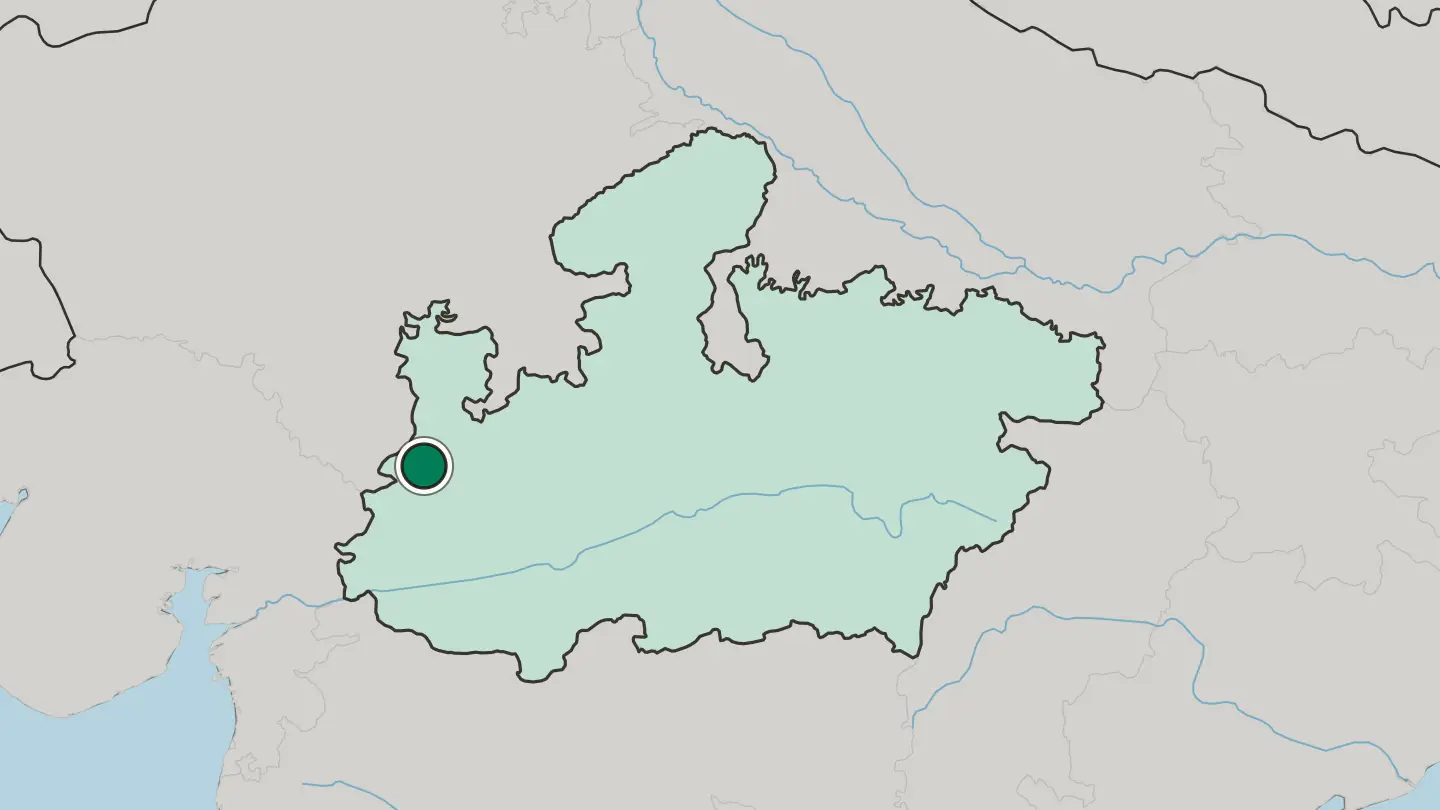
 India
India
Rewa
Rewa lies in the north-eastern part of Madhya Pradesh, the centre of Rewa District and Rewa Division, with its White Tiger Safari and Rewa Fort.Where to stay →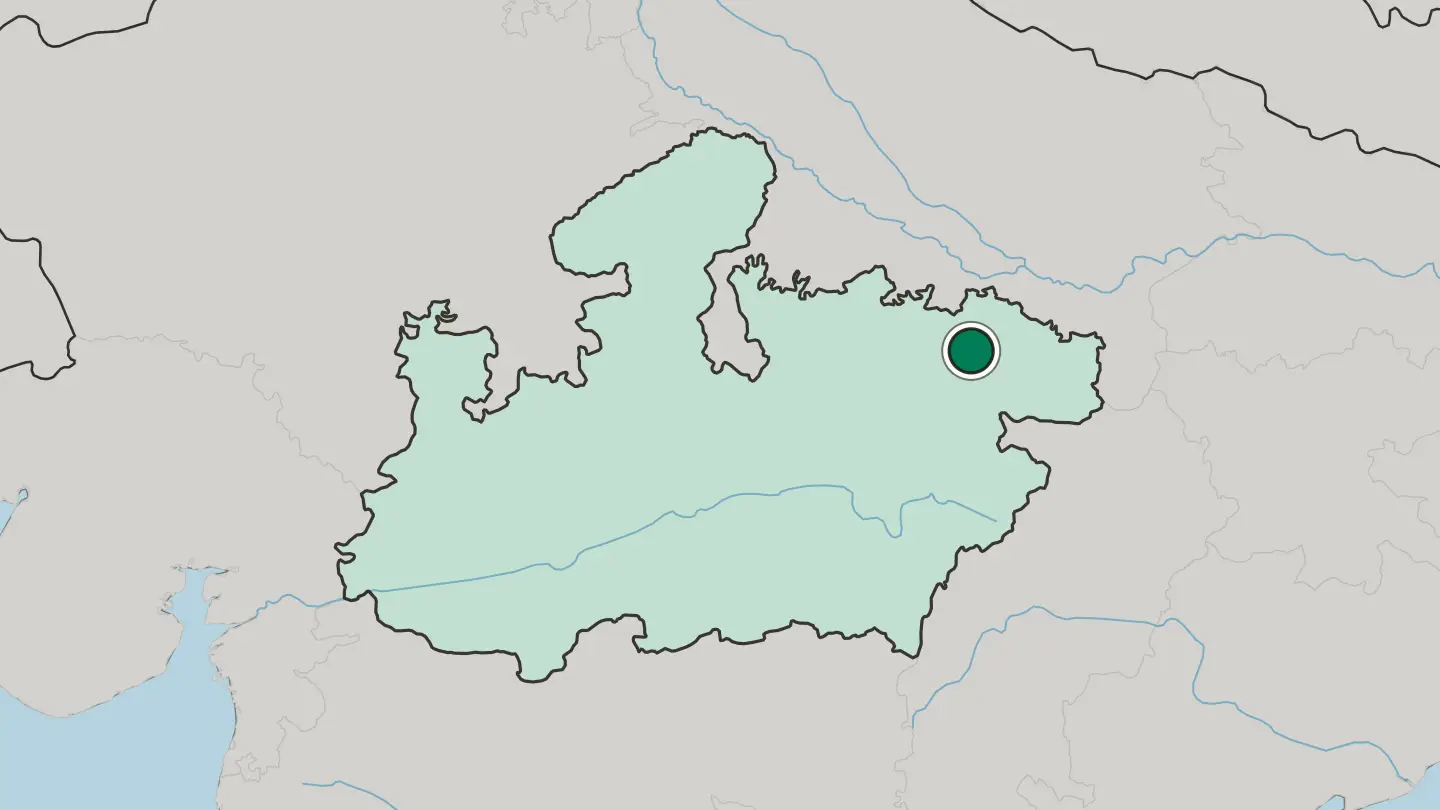
 India
India
Murwāra
Murwāra, the official name of the city known as Katni, stands on the Katni River as headquarters of Katni District and a centre of the lime trade.Where to stay →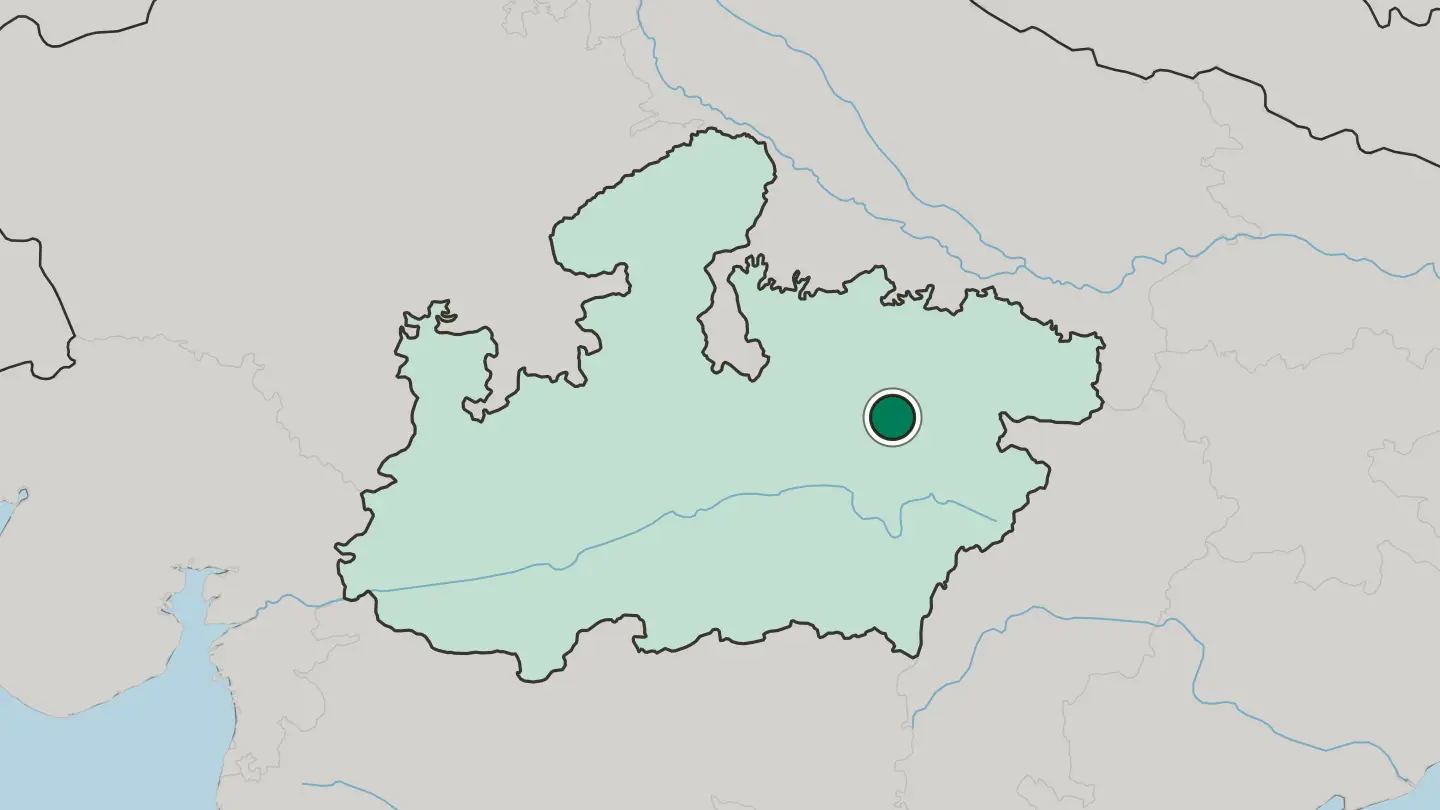
 India
India
Burhānpur
Burhānpur is a historical city on the Tapti River in Madhya Pradesh, the administrative seat of Burhānpur District and a Municipal Corporation.Where to stay →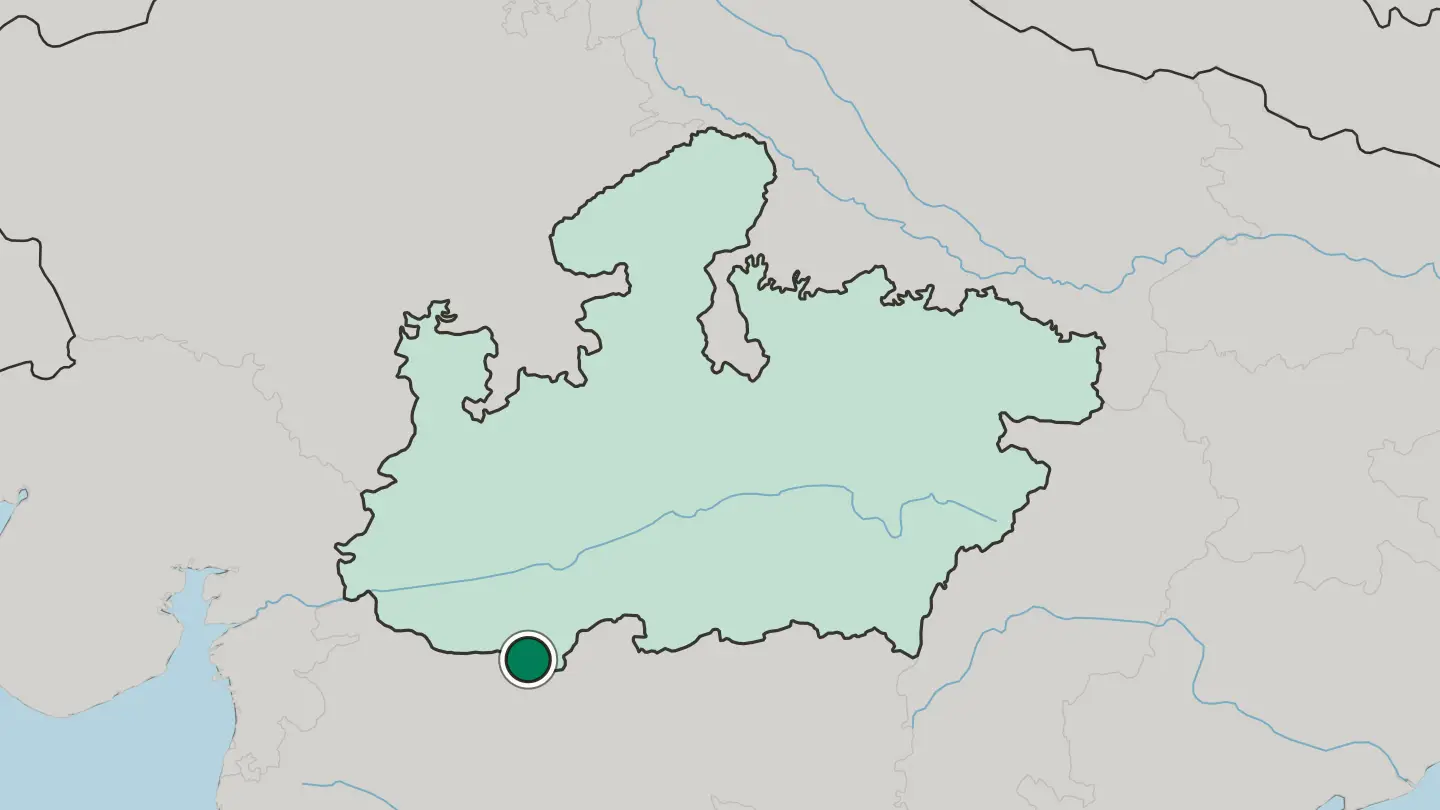
 India
India
Khandwa
Khandwa is the administrative headquarters of Khandwa district, a nagar nigam city in the Nimar region of Madhya Pradesh.Where to stay →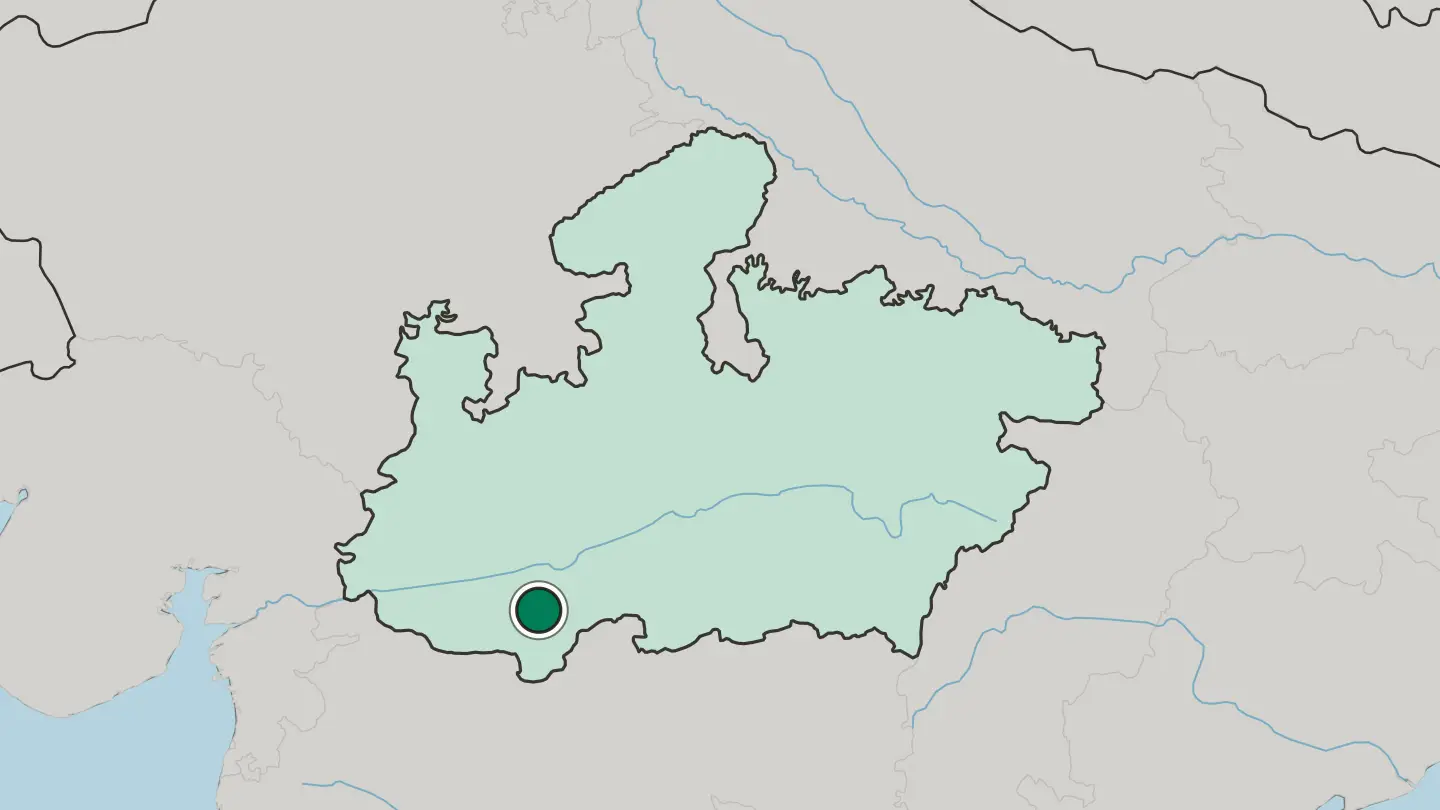
 India
India
Morena
Morena is a town and district of Madhya Pradesh whose name comes from mor and raina, the words behind its standing reputation for peacocks.Where to stay →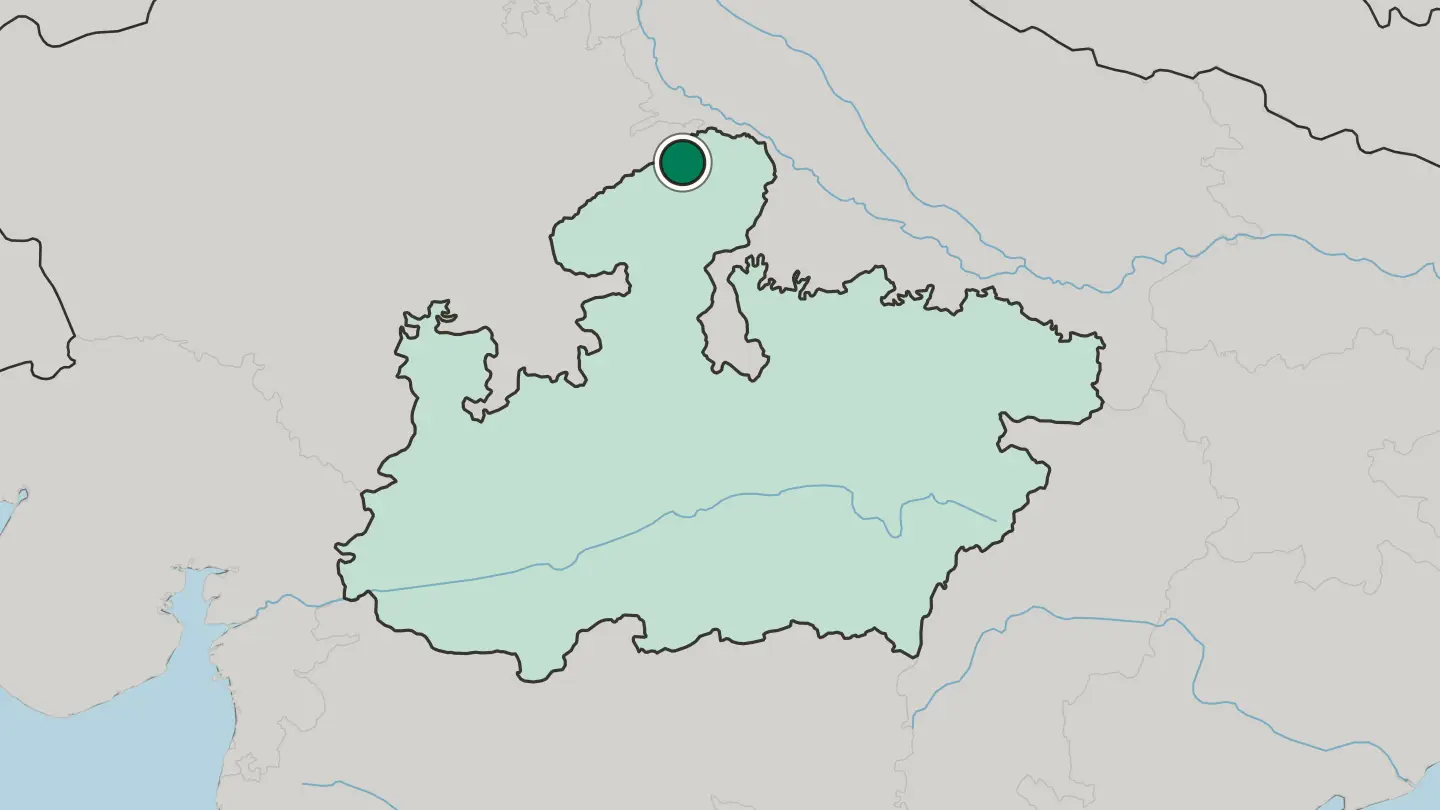
 India
India
Shivpuri
Shivpuri, formerly Sipri, is the headquarters of Shivpuri District in the Gwalior Division of Madhya Pradesh, standing 462 m above sea level.Where to stay →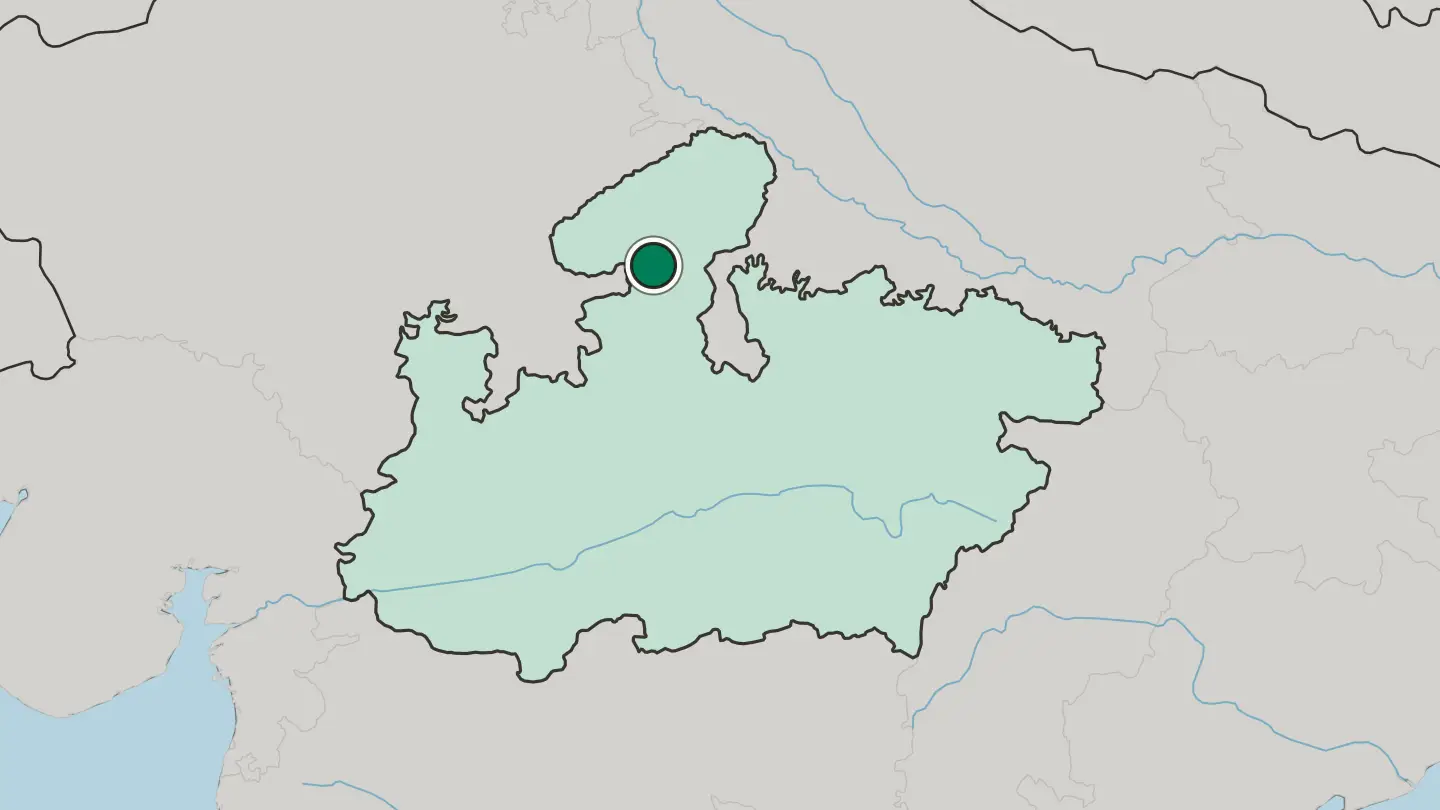 India
India
Chhindwāra
Chhindwāra is a Municipal Corporation in Madhya Pradesh, the administrative headquarters of Chhindwāra District, and a rail and road town.Where to stay →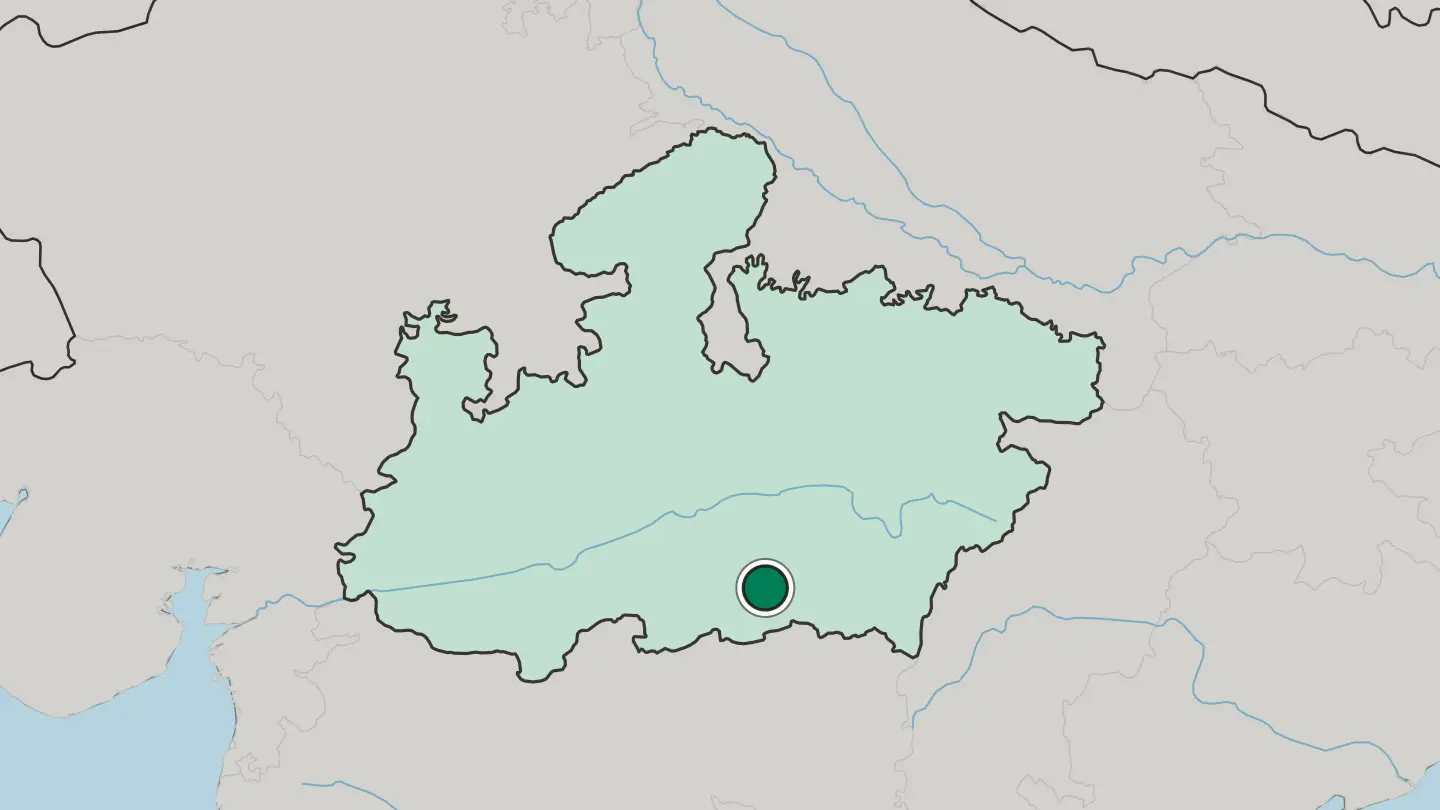
 India
India
Vidisha
Vidisha, a Jain pilgrimage centre in Madhya Pradesh, is the seat of Vidisha district, close to Sanchi and to the Udayagiri Caves.Where to stay →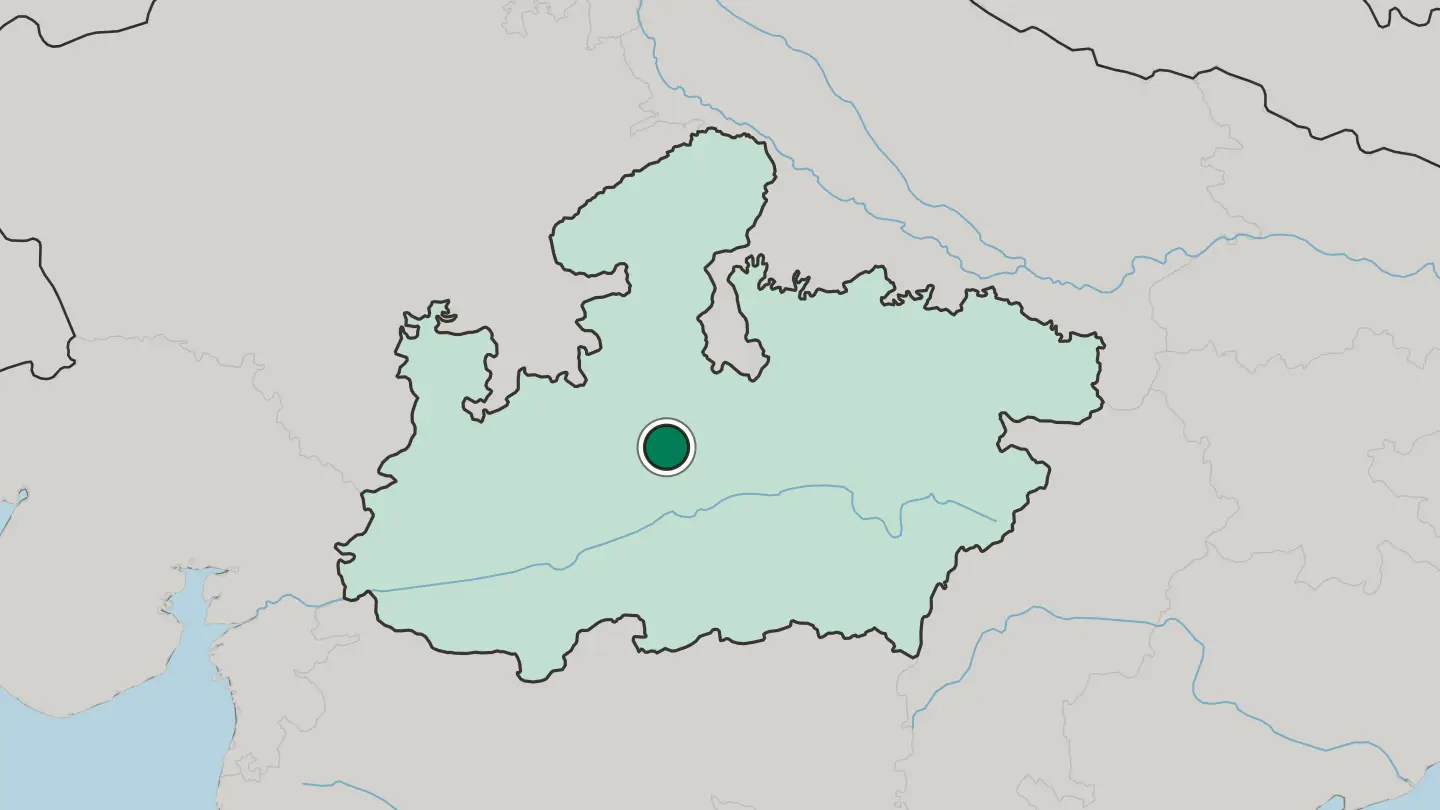 India
India
Chhatarpur
Chhatarpur, seat of Chhatarpur District in Madhya Pradesh, was founded in 1785 and named for Chhatrasal, whose cenotaph the Bundelkhand town keeps.Where to stay →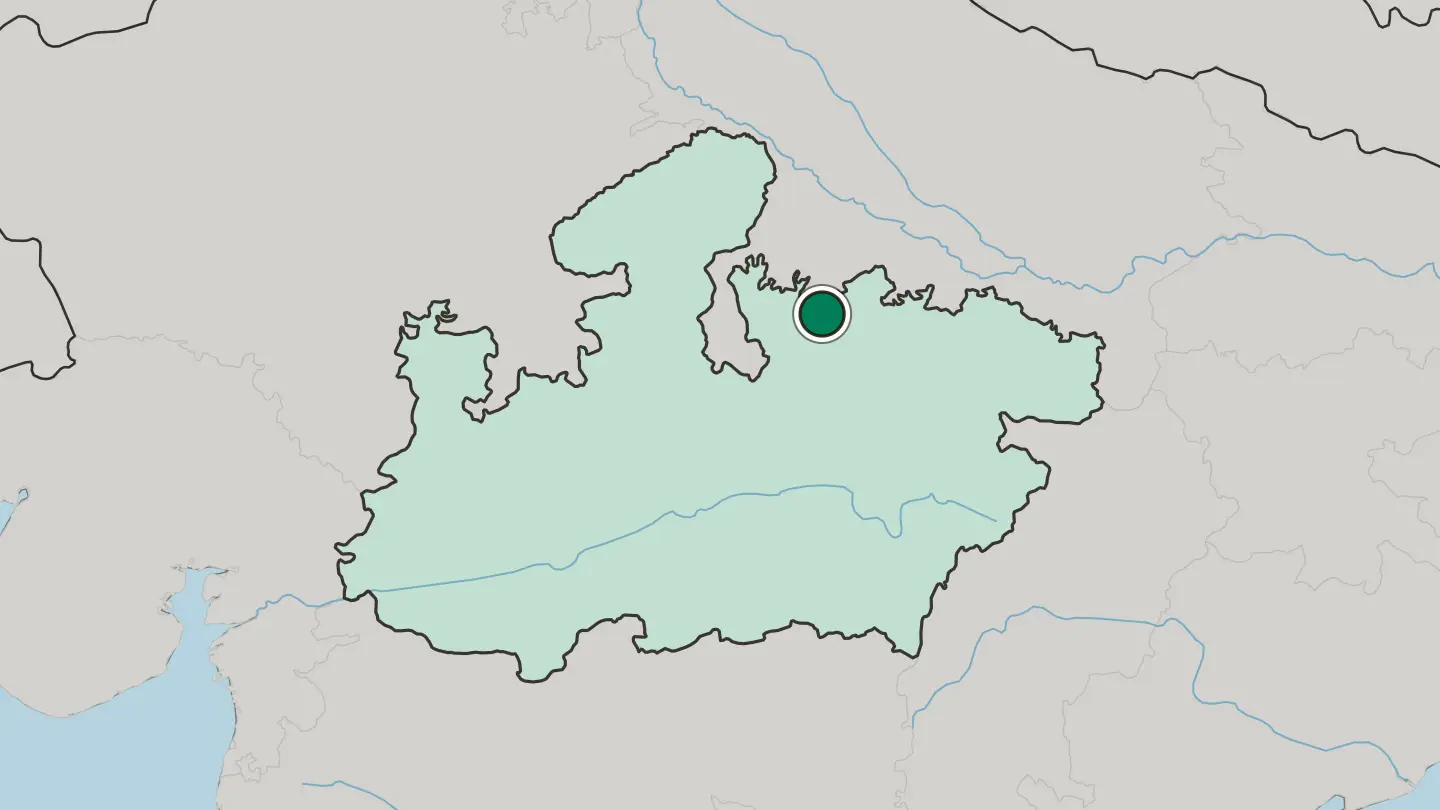
 India
India
Mandsaur
Mandsaur is a Madhya Pradesh city on the border of Malwa and Mewar, known for the ancient Pashupatinath Temple and for opium farming.Where to stay →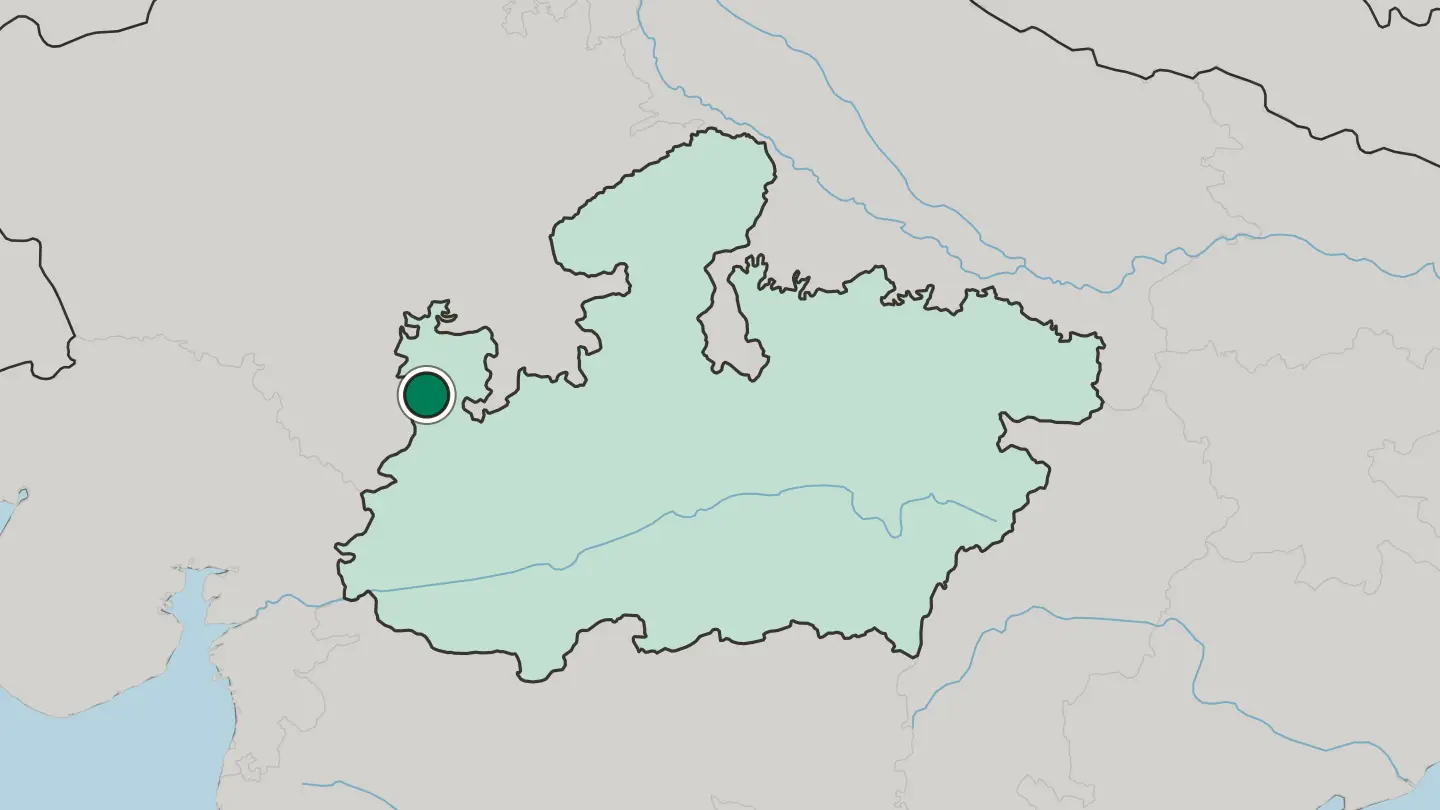
 India
India
Narmadapuram
Narmadapuram, formerly Hoshangabad, stands on the south bank of the Narmada River, the seat of Hoshangabad district in Madhya Pradesh.Where to stay →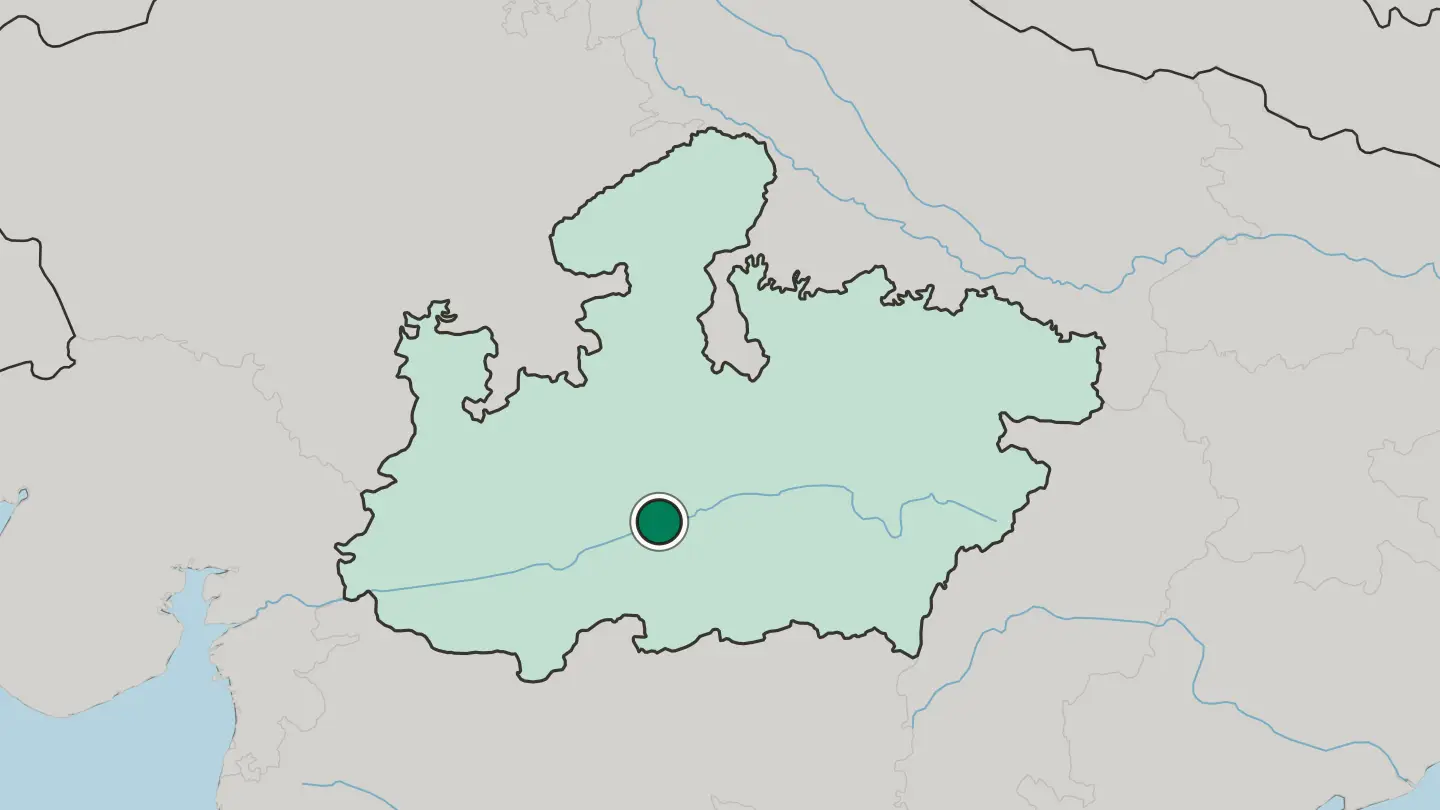 India
India
Sehore
Sehore, headquarters of Sehore District in Madhya Pradesh, stands below the Vindhya Range in Malwa, 38 km from Bhopal.Where to stay →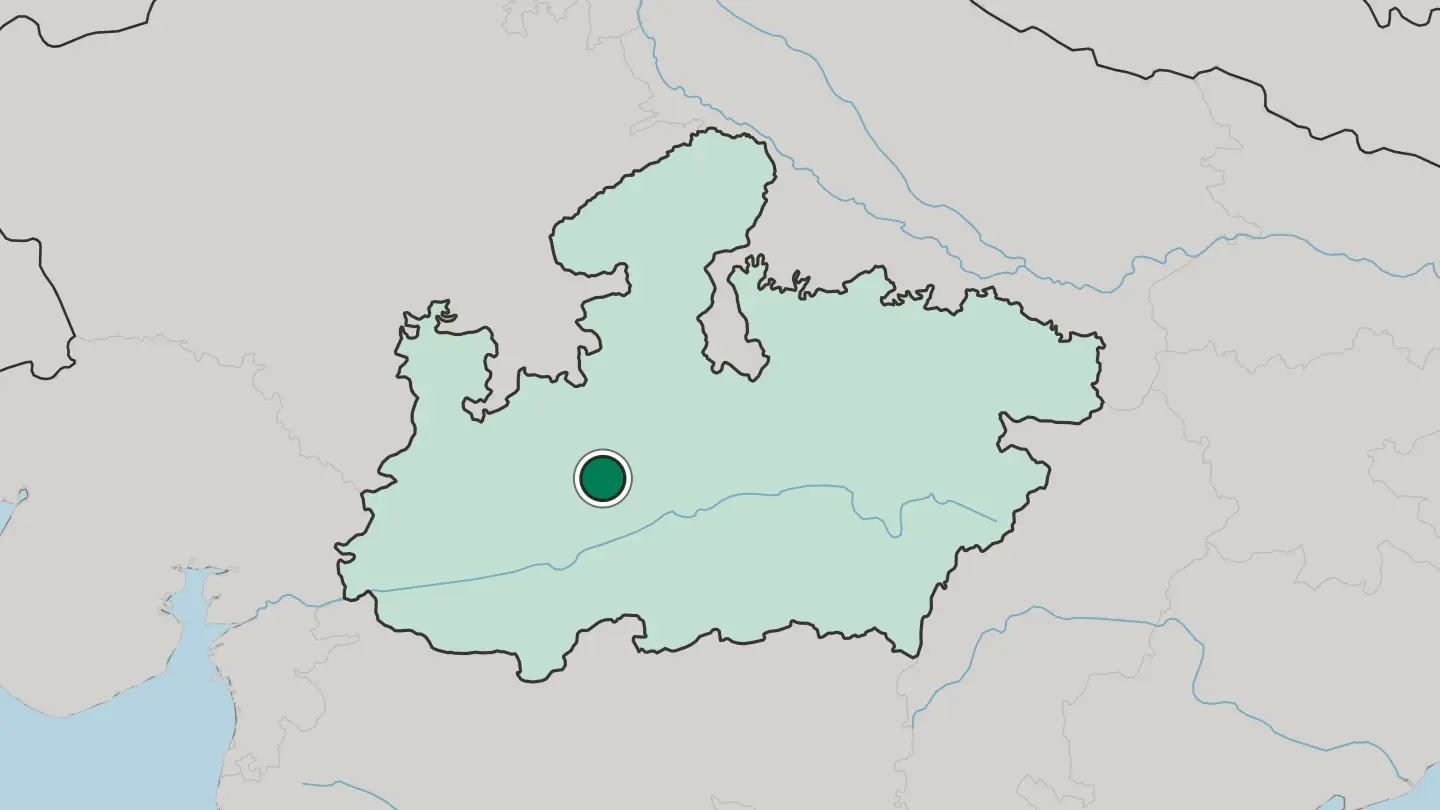 India
India
Itārsi
Itārsi is a railway town in Narmadapuram, Madhya Pradesh, grown around Itārsi Junction, the biggest railway junction in the state.Where to stay →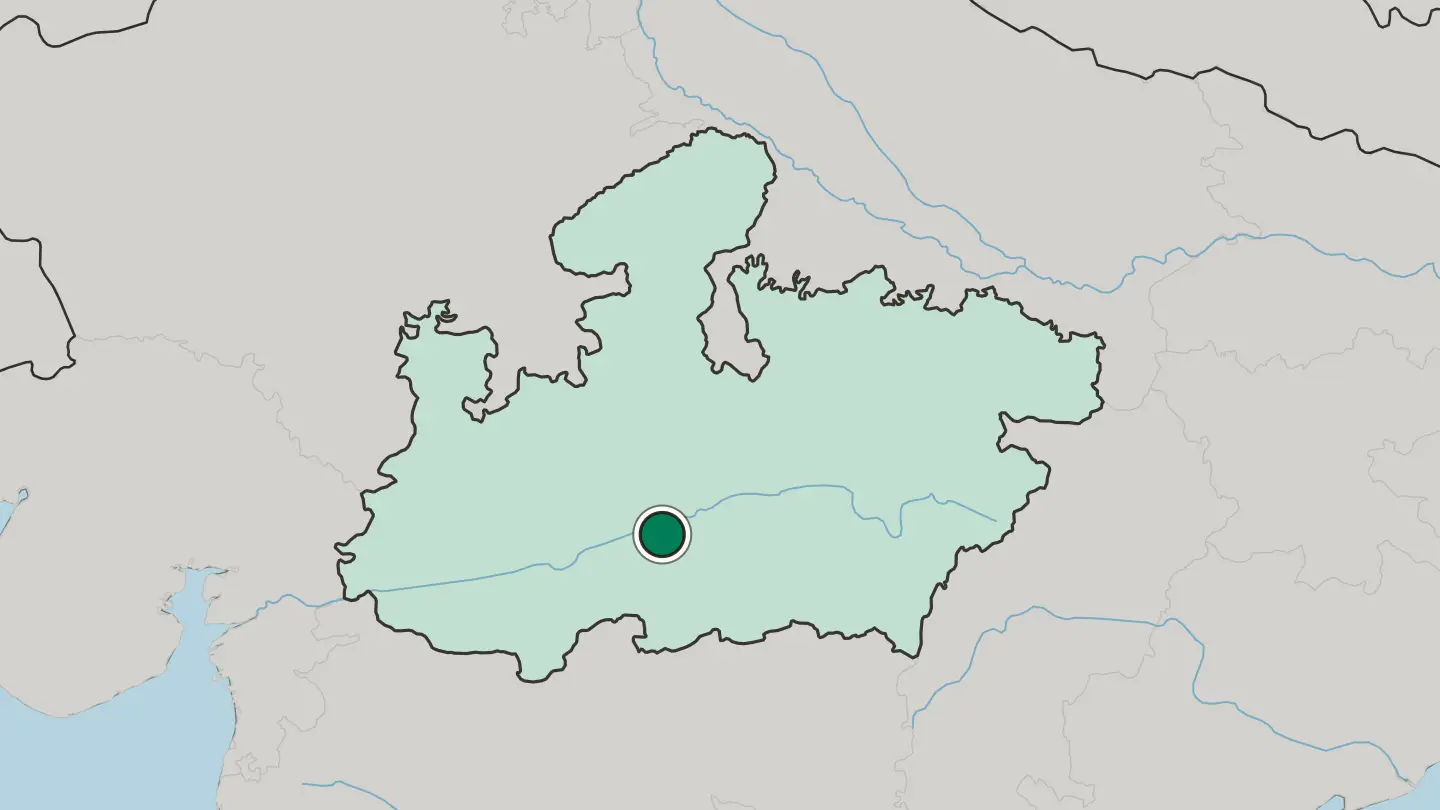
 India
India
Datia
Datia is a city in the Gwalior Chambal region of Madhya Pradesh, headquarters of Datia District and the site of the Pitambara Peeth shrine.Where to stay →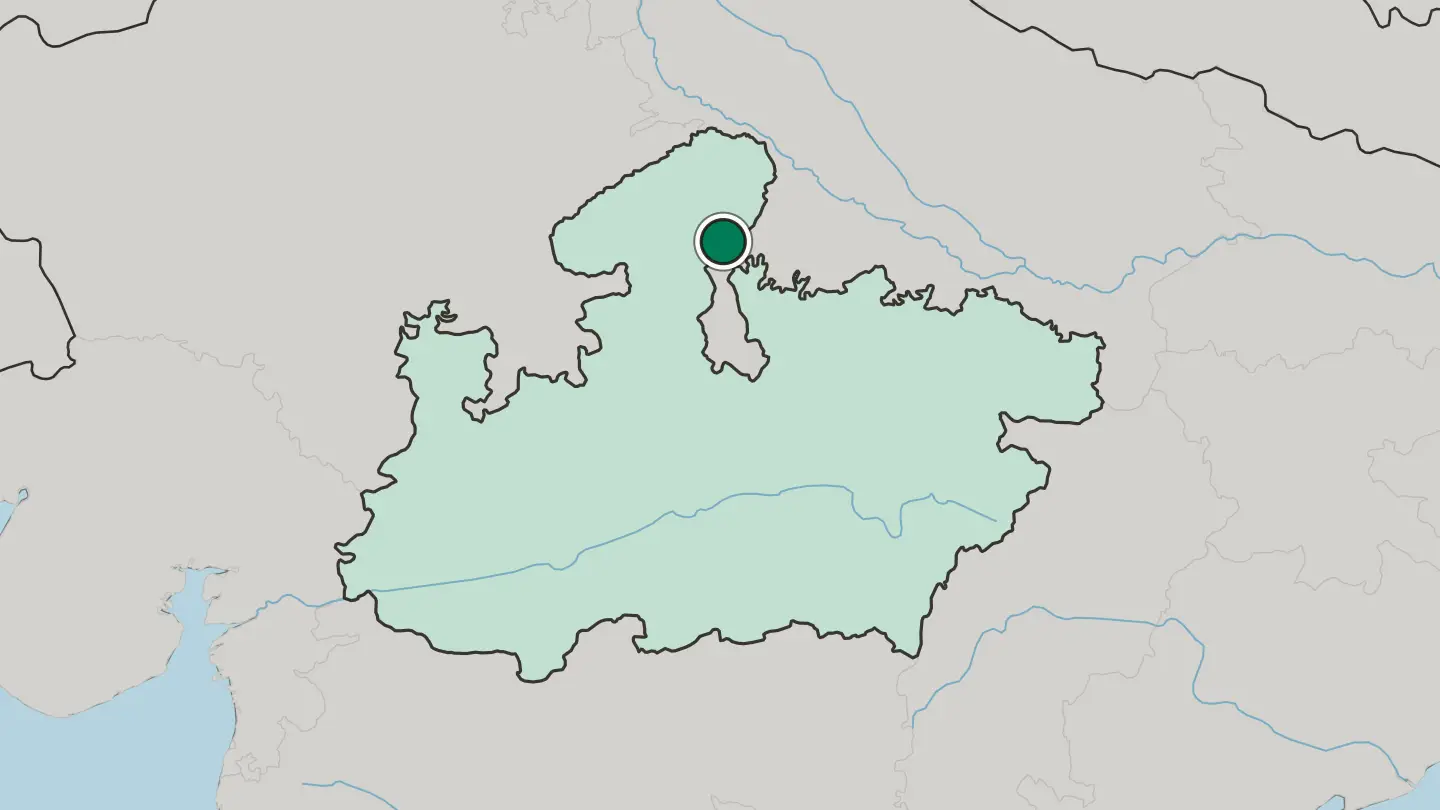 India
India
Dhār
Dhār is a city in the Malwa region of Madhya Pradesh, headquarters of Dhar district and once the capital of the Dhar princely state.Where to stay →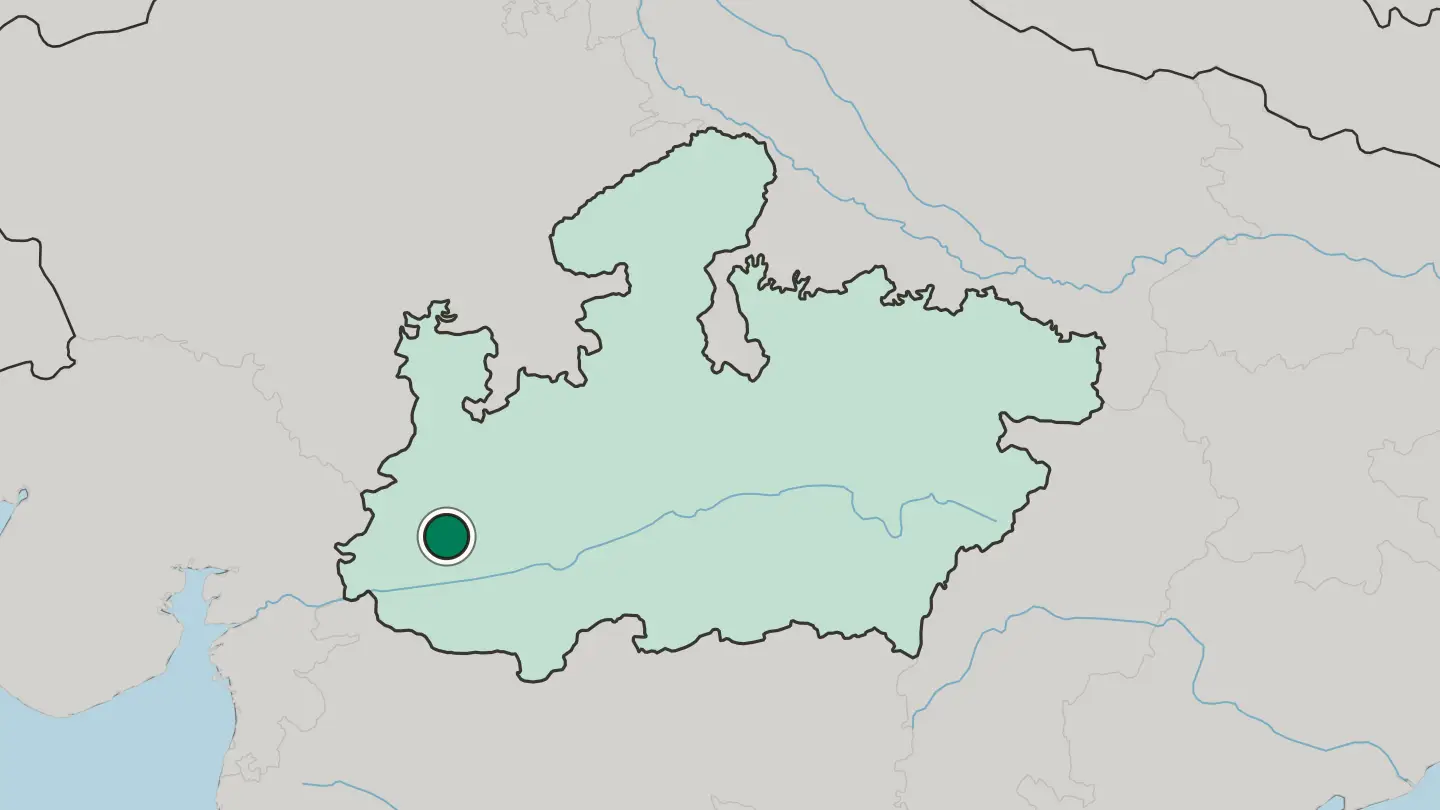
 India
India
Mhow
Mhow, officially Dr. Ambedkar Nagar, is a town of Indore district in Madhya Pradesh, and the birthplace of B. R. Ambedkar.Where to stay →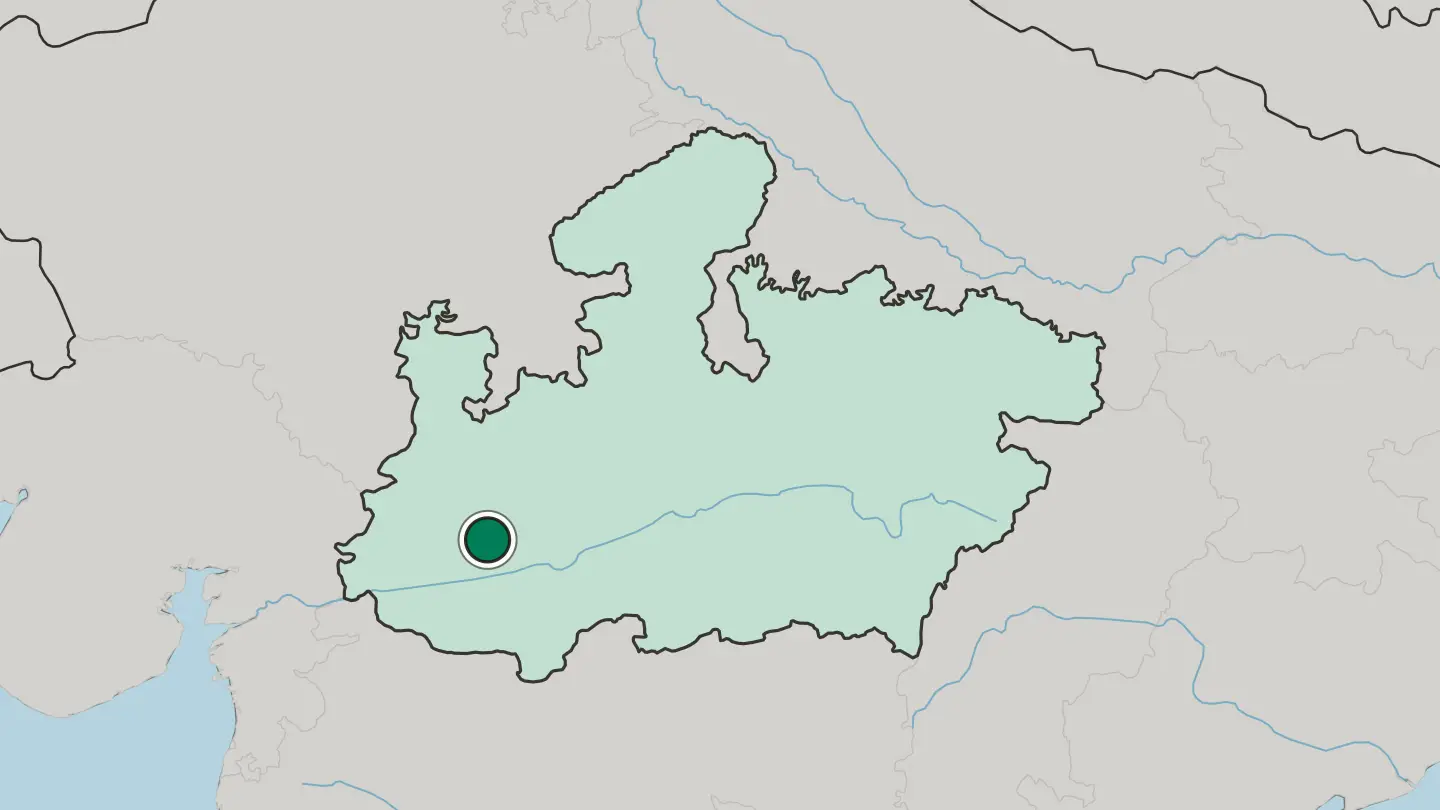 India
India
Tīkamgarh
Tīkamgarh, once the Tehri of three hamlets, is a district headquarters in Madhya Pradesh named for the fort that drew the Orchha capital here in 1783.Where to stay →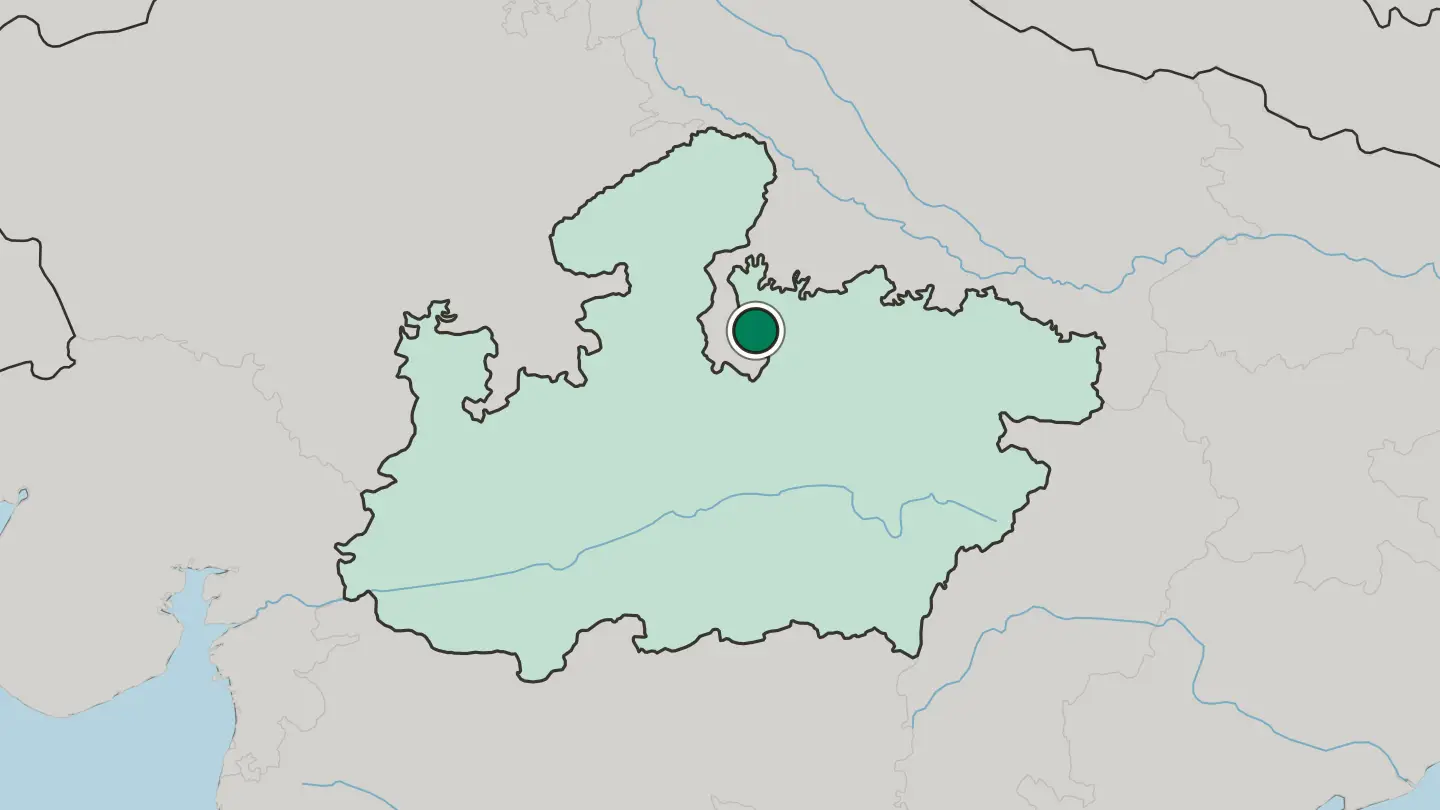
 India
India
Panna
Panna is a city and municipality in Madhya Pradesh, the administrative centre of Panna District, noted for its diamond mines and its temples.Where to stay →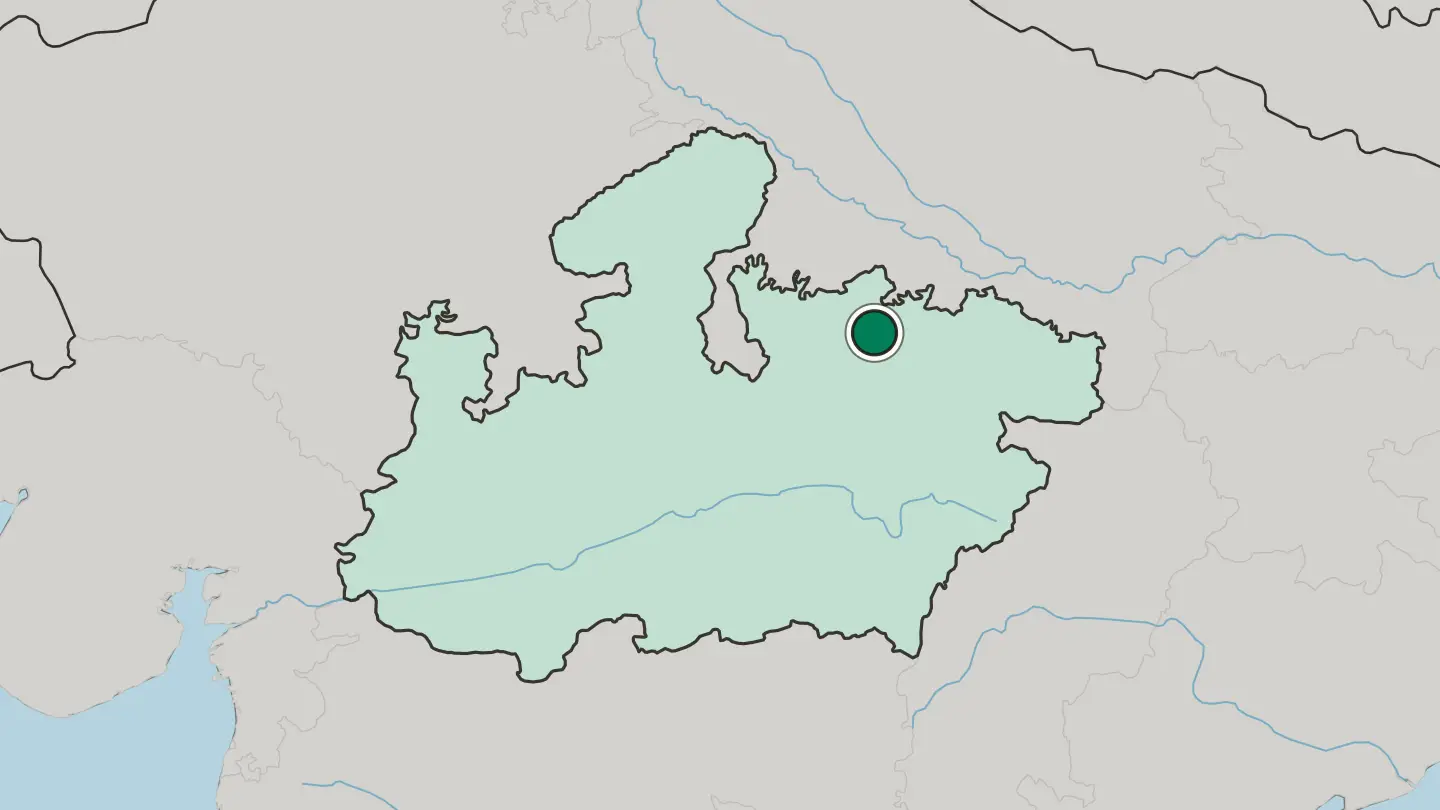 India
India
Etāwa
Etāwa, written more often as Bina, is a city of the Bina-etawa district in Madhya Pradesh, named for the Bina River that runs past it.Where to stay →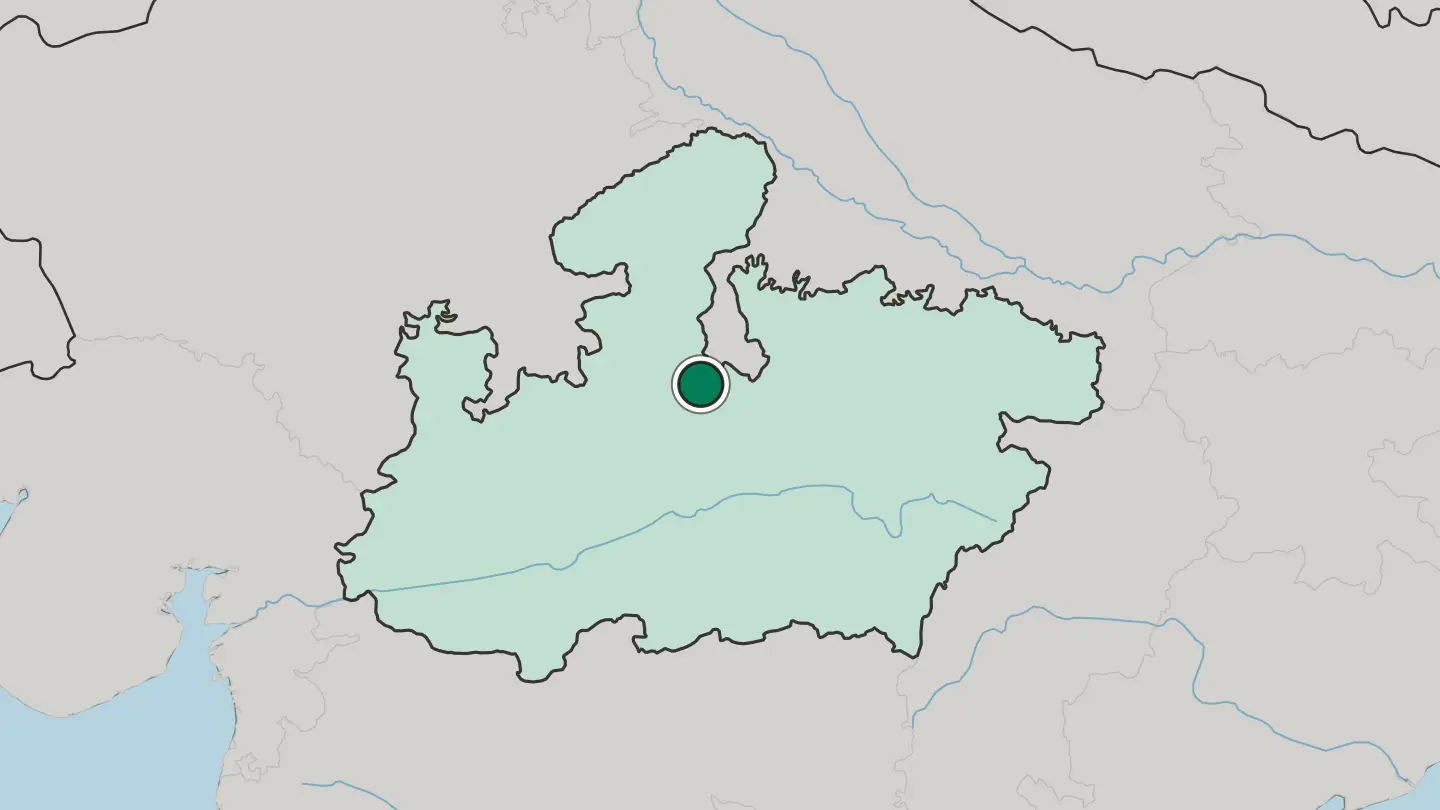
Hotel links are affiliate links: booking through them may earn us a commission, at no extra cost to you. It never affects how places are ranked. How this works
About Madhya Pradesh
Tigers and temples.
What is Madhya Pradesh known for?
Kanha and Bandhavgarh, two of its tiger reserves, draw travellers deep into the sal forests for a sight of them. The carved temples of Khajuraho and the Buddhist stupa at Sanchi both carry UNESCO World Heritage listing, and the hilltop fort at Gwalior guards the northern approach to the state. Bhopal, the capital, spreads around its lakes, while Indore anchors the commercial west.
Where is Madhya Pradesh?
Madhya Pradesh occupies the centre of India, a landlocked state with no coast of its own. Its name means "central province". The Narmada is the spine of the place, rising on the Amarkantak plateau in the east and running west across the whole state before it reaches the Arabian Sea far beyond the border in Gujarat.
Two ranges hem that river in. The Vindhya hills rise to the north of the Narmada and the Satpura hills to the south, and the valley between them cuts the state into an upper and a lower half. South of the Satpura the land drains instead into the Tapti.
The Vindhya have long been read as the divide between northern and southern India, and Madhya Pradesh straddles that line. Bhopal stands roughly at the centre, on the northern plateau. The forested, higher country lies east and south, toward the borders with Chhattisgarh and Maharashtra, where the tiger reserves sit.
Open farmland fills the Malwa plateau in the west around Indore. Rajasthan lies to the north-west and Uttar Pradesh to the north-east. It is a wide interior state on high plateau ground, closer in feel to the tableland than to any sea.
What is Madhya Pradesh like?
Hindi is the common language across Madhya Pradesh, written in the Devanagari script and shared with the wider Hindi belt of northern India. The state carries a long religious layer. Ujjain hosts the Kumbh Mela on the Kshipra river, while Sanchi keeps its Buddhist stupa.
That range of faith is the heart of the culture here. The stone itself tells much of the story. Chandela kings raised the Khajuraho temples with their famous carved figures, the Bundela rulers built the palaces of Orchha, and the sultans of Malwa left the hillside pavilions of Mandu.
Gwalior fort towers over the north on its long sandstone ridge. Craft traditions run alongside the monuments, from the Maheshwari and Chanderi weaves to the tribal Gond painting of the eastern districts. Large Adivasi communities live across much of eastern Madhya Pradesh, and their forest villages give the state a character quite apart from the cities.
Food leans to wheat and gram, plainer than the coasts. The whole makes a distinctly central-Indian identity, neither of the north nor of the Deccan.
What is the history of Madhya Pradesh?
The land is ancient. Ujjain was a seat of the Mauryan and Gupta empires, and Ashoka governed the region before he raised the great stupa at Sanchi in the third century BCE. Later the Chandela, the Malwa sultans, and the Maratha houses of Scindia at Gwalior and Holkar at Indore all held parts of this ground.
The state itself is young. Modern Madhya Pradesh was drawn together only in 1956, when the States Reorganisation Act merged several princely territories and provinces into one Hindi-speaking state, with Bhopal as its capital rather than Jabalpur.
What is the climate of Madhya Pradesh?
Madhya Pradesh runs to three sharp seasons. Summers before the rains are fierce, with May and June pushing well past the mid-forties across the northern and western districts. Then the south-west monsoon breaks in mid-June and carries the bulk of the year's rain through September.
Winters turn cool and dry. Pachmarhi, the one hill station high in the Satpura, stays milder than the plains through the hot months.
How do you get to Madhya Pradesh?
For most, Madhya Pradesh begins at an airport. Indore has an airport, with Bhopal a short way east of it, and both cities sit on the trunk rail lines that cross central India between Delhi and Mumbai. Smaller airports at Gwalior, Jabalpur, and Khajuraho put the northern forts and the eastern tiger parks within reach.
For the reserves you land at one of these, then drive the last stretch by road to the park gates.
Common questions
What is the best area to stay in Madhya Pradesh?
Bhopal: the heritage circuit around Sanchi. Indore: the commercial west and Ujjain pilgrimage. The eastern tiger forests: safaris at Kanha and Bandhavgarh. Khajuraho: the carved temple field.
Good for
More regions in India
Updated October 2026