India · Madhya Pradesh
Where to Stay in Gwalior, Madhya Pradesh
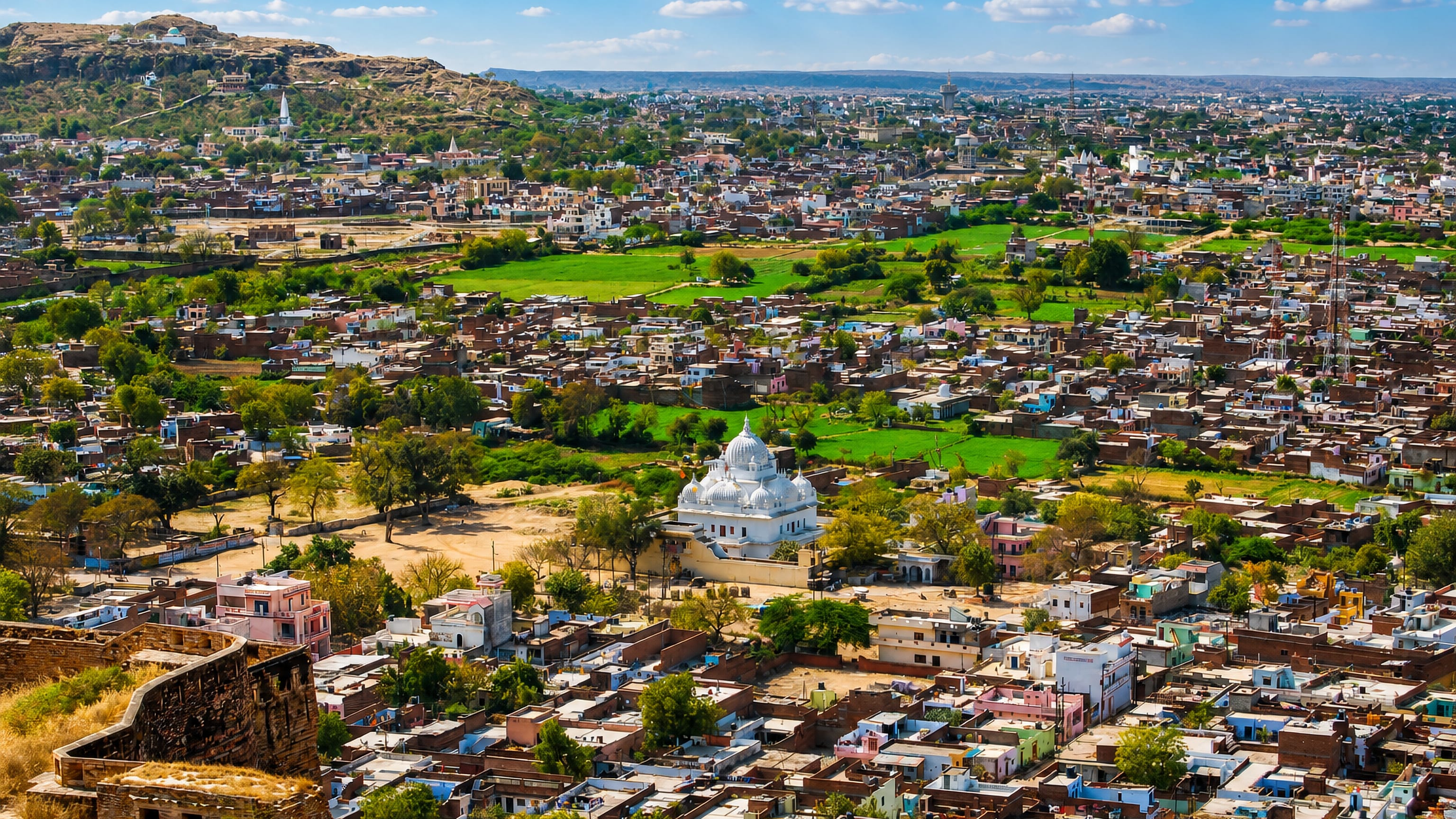
Palace halls crown Gwalior, a city in Madhya Pradesh in central India, known for the Jai Vilas Mahal and the rock carvings of Gopachal.
Hotel links are affiliate links: booking through them may earn us a commission, at no extra cost to you. It never affects how places are ranked. How this works


Where to stay in Gwalior
Where the beds are, and what that means for the visit.
Gwalior gathers around its palaces and rock monuments in northern Madhya Pradesh, and where you stay turns on which you want at the door. The heart of the city holds the Jai Vilas Mahal and the Gujari Mahal Archaeological Museum, close to the old bazaars. History crowds these lanes.
Rooms near the centre put the Scindia palace, the museum, and the Chhatri of Bhimsena Rana within short reach, so a day built around the monuments can move mostly on foot or by a brief ride. The outer city spreads across the plain toward Gopachal and the newer districts of Madhya Pradesh. This ground trades the crush of the old core for wider roads and quieter nights, with the Jain carvings of Gopachal and the Gandhi Zoological Park within easy reach by car.
It suits travellers who want the space of the newer city over the density of the palace quarter, and who do not mind a short run back in to the Jai Vilas Mahal and the old bazaars.
Find hotels in Gwalior
Direct booking searches for these neighbourhoods.
The palace and bazaar core
The centre keeps the Jai Vilas Mahal, the Gujari Mahal Archaeological Museum, and the Chhatri of Bhimsena Rana within short reach.Find hotels in The palace and bazaar coreTravellers after wider roads and quieter nights near the rock carvingsThe outer plain city
The newer districts keep the Jain figures of Gopachal and the Gandhi Zoological Park near open roads across Madhya Pradesh.Find hotels in The outer plain cityHotel links are affiliate links: booking through them may earn us a commission, at no extra cost to you. It never affects how places are ranked. How this works
About Gwalior
What is Gwalior known for?
Gwalior is known for its palaces and rock-cut heritage in northern Madhya Pradesh. The Jai Vilas Mahal, the grand Scindia palace, sets the tone. Its halls now hold a museum of the dynasty that ruled here, and the Gujari Mahal Archaeological Museum preserves the older sculpture of the region.
Gopachal shows Jain figures carved into the living rock, while the Chhatri of Bhimsena Rana and the Gandhi Zoological Park round out a city built around its monuments.
What are the main landmarks in Gwalior?
The landmarks of Gwalior run from palace to rock face. The Jai Vilas Mahal leads them. This vast Scindia palace holds a museum of the ruling house within its ornate halls, and beside the older quarter the Gujari Mahal Archaeological Museum keeps the sculpture of early Madhya Pradesh.
Carved straight into the cliff, the Jain figures of Gopachal draw pilgrims and visitors alike. The Chhatri of Bhimsena Rana and the Gandhi Zoological Park complete the built heritage of the city.
What is the history of Gwalior?
Gwalior stands as one of the great princely cities of central India, long a seat of power in northern Madhya Pradesh. Its rock and its palaces tell the story. The Jain figures of Gopachal, cut into the cliff over centuries, mark an ancient religious life, while the Gujari Mahal Archaeological Museum preserves the sculpture of the older kingdoms that held this ground.
Rulers came and went. The modern city bears the mark of the Scindia dynasty above all. They built the Jai Vilas Mahal as their grand palace, its halls now open as a museum of the ruling house, and their memory shapes the character of Gwalior still.
The Chhatri of Bhimsena Rana keeps the memory of the region's warriors, while the Gandhi Zoological Park added a later, gentler face. From cliff shrine to princely capital, these monuments together trace the long rise of a city at the heart of Madhya Pradesh.
Where is Gwalior?
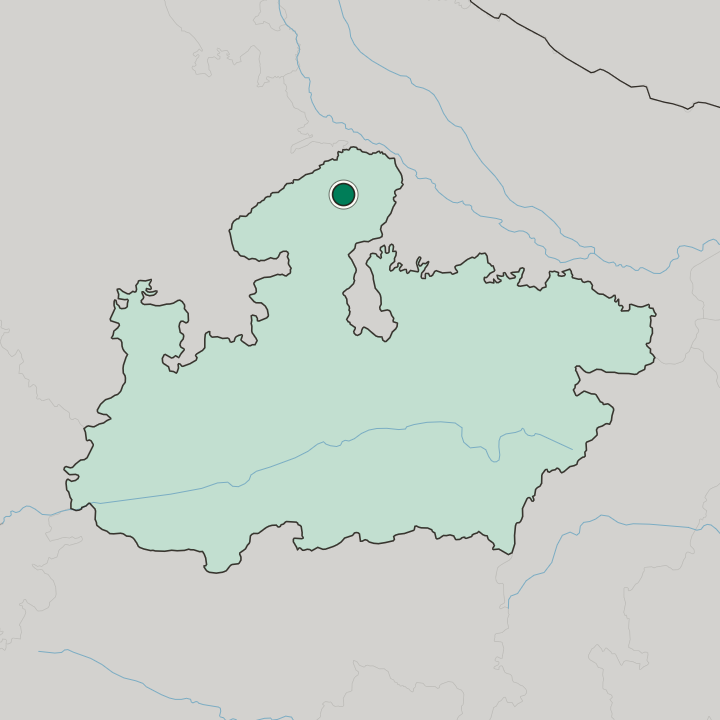
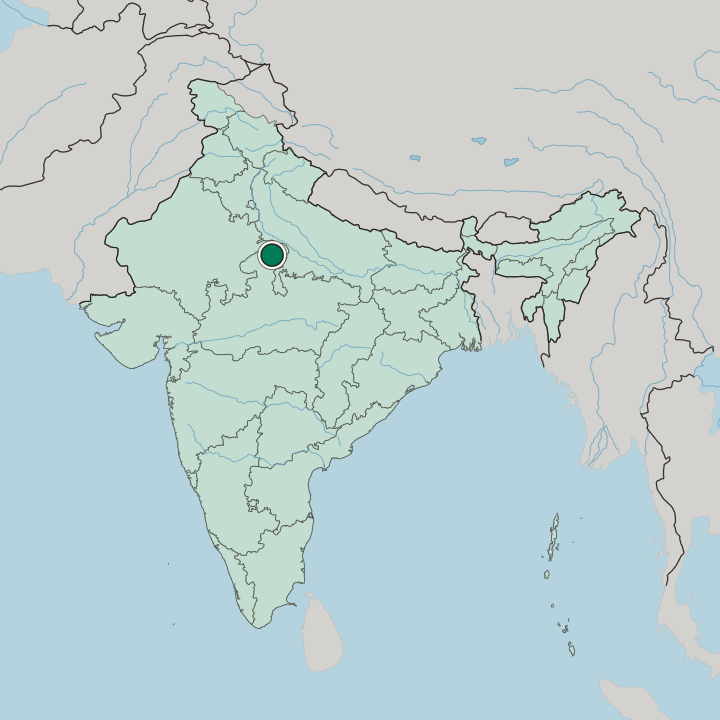
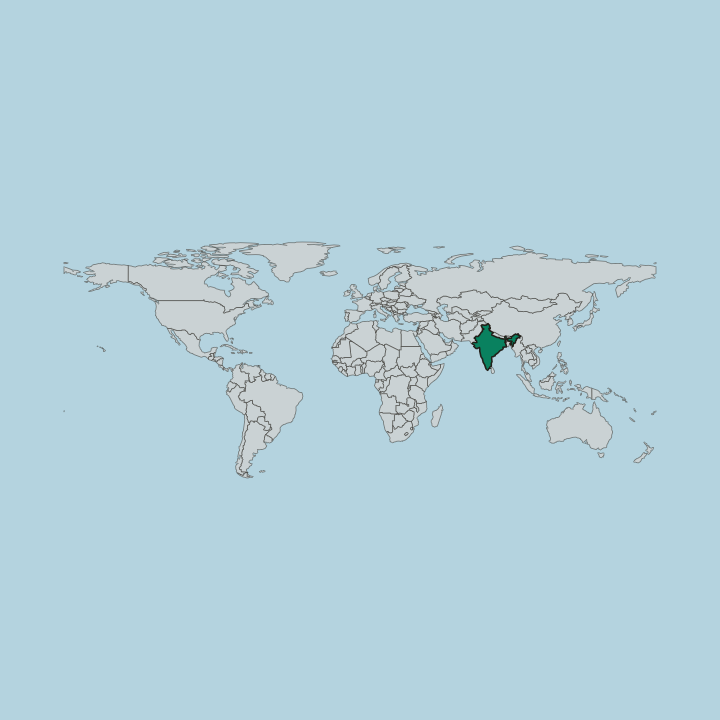
Gwalior lies in northern Madhya Pradesh, in the interior of central India well away from any coast. A rocky ridge rises. It climbs abruptly from the surrounding plain, and the old city gathers at its foot where the wider country runs flat and open in every direction.
The subtropical inland setting gives the ground around the Jai Vilas Mahal and Gopachal its dry character across northern Madhya Pradesh.
What is the climate of Gwalior?
Gwalior has a dry subtropical climate typical of interior Madhya Pradesh. Summers run intensely hot across the open plain before the monsoon arrives to break the heat. The rains bring a short, heavy wet season.
Winters turn cool and dry. Visitors climb to the Jai Vilas Mahal and the carvings of Gopachal most easily in the milder months, when the fierce inland heat of the central plain has eased.
How do you get to Gwalior?
Gwalior sits on the main rail and road line running north through Madhya Pradesh toward Delhi. Trains reach the city from every direction. The corridor that crosses central India passes straight through Gwalior, and an airport near the city brings visitors flying in for the Jai Vilas Mahal.
Highways run out across the plain, tying the city to the wider network of Madhya Pradesh and the rock carvings of Gopachal on its edge.
Common questions
What is the best area to stay in Gwalior?
The palace and bazaar core: First visitors who want the Scindia palace and old bazaars on foot. The outer plain city: Travellers after wider roads and quieter nights near the rock carvings.
Good for
More cities in Madhya Pradesh
Updated September 2026