India · Madhya Pradesh
Where to Stay in Murwāra, Madhya Pradesh
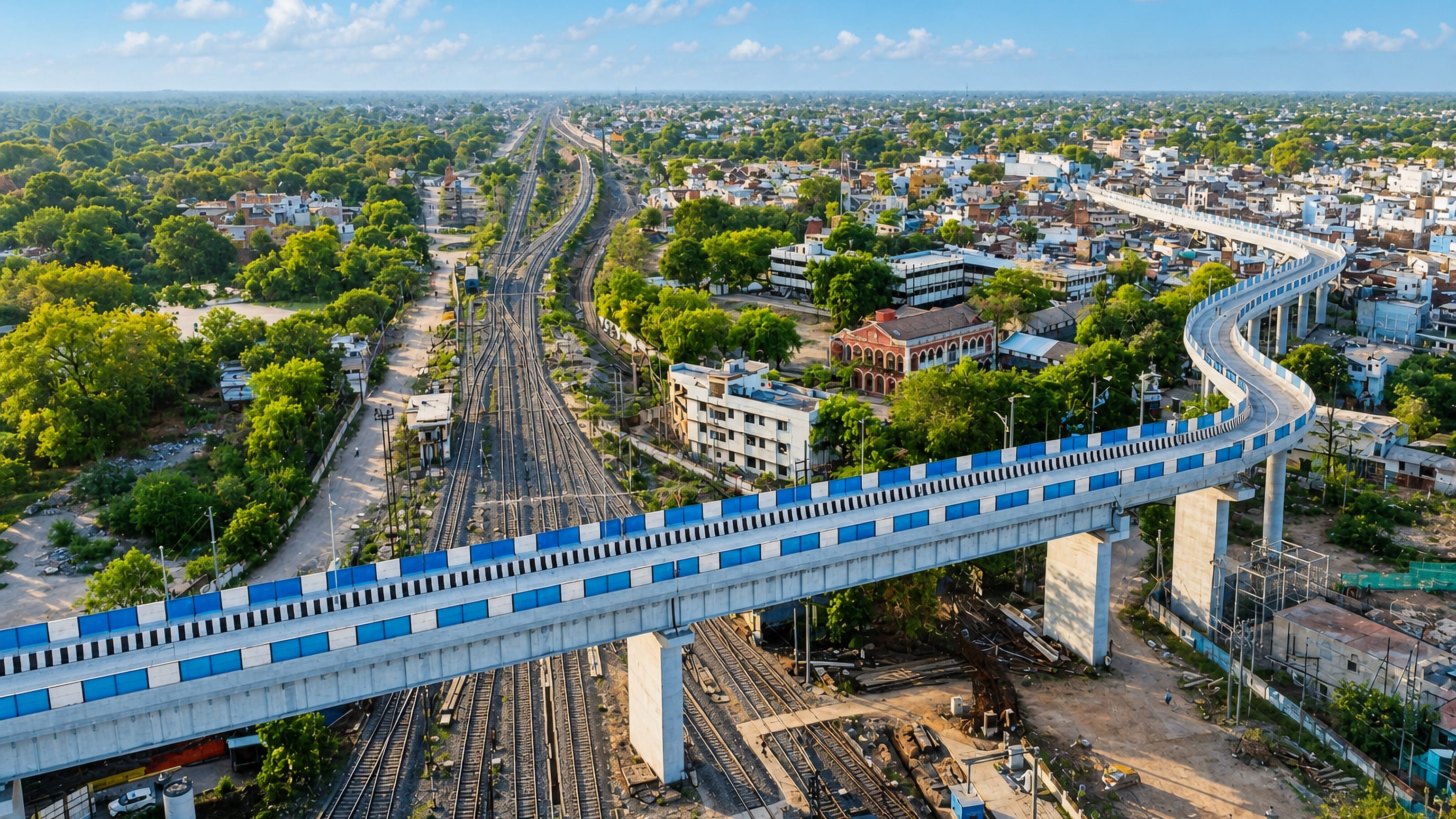
Murwāra, the official name of the city known as Katni, stands on the Katni River as headquarters of Katni District and a centre of the lime trade.
Hotel links are affiliate links: booking through them may earn us a commission, at no extra cost to you. It never affects how places are ranked. How this works


Where to stay in Murwāra
Where the beds are, and what that means for the visit.
Katni divides between the river bank and the works. Rooms near the Katni River sit in the part of the city that grew along the water, where the markets and the daily business of a district headquarters are concentrated and where the walking distances stay short enough to make a car unnecessary. That side suits brief stops.
Out toward the limestone quarries and the cement plants the lodging changes character completely, plainer and arranged around the schedules of people trading in stone rather than around anything a visitor would travel to look at. Jabalpur takes the overflow. The divisional headquarters of the Mahakoshal region stands 90 km off and holds a far wider choice of hotels than Murwāra keeps, so travellers who want range book there and treat Katni District as a day's work instead of a base.
Weekdays fill first. Trade in limestone and cement runs on a business calendar, which means the beds nearest the works go to buyers and engineers ahead of anyone else, and if you want a quiet room on the Katni River side of the city you will do better outside the middle of the working week. Madhya Pradesh spreads its towns thinly across this stretch of India, so the practical decision is usually between a night here and a longer drive on.
Find hotels in Murwāra
Direct booking searches for these neighbourhoods.
The Katni River bank
The older streets that grew along the Katni River, holding the markets and the offices of Katni District.Find hotels in The Katni River bankbuyers working the limestone trade that made the City of LimeThe quarry and cement side
Functional rooms out among the limestone quarries and cement works, filled on the trade calendar rather than by visitors.Find hotels in The quarry and cement sidea wider hotel choice 90 km from MurwāraJabalpur
The divisional headquarters of Mahakoshal, holding the range of rooms that Katni District itself does not.Find hotels in JabalpurHotel links are affiliate links: booking through them may earn us a commission, at no extra cost to you. It never affects how places are ranked. How this works
About Murwāra
Lime built the reputation.
What is Murwāra known for?
Factories working the limestone around Murwāra turn out cement in enough quantity that the nickname City of Lime follows the place in print, and that industry, far more than any monument, is what carries the name beyond the Mahakoshal region. Katni District runs its administration from here. Jabalpur, the divisional headquarters, lies 90 km off and takes most of the region's visitor traffic, which leaves Katni to its quarries, its works, and the river that shares the city's everyday name.
What are the main landmarks in Murwāra?
No monument list attaches to Katni in the record, and the features that stand out are working ones: the Katni River through the middle of the city, and the limestone quarries and cement plants ringing it that gave rise to the City of Lime tag. Industry is the skyline. Chimneys, stone yards, and loading grounds mark the approaches to Murwāra in a way that temples or forts do so in other towns of Madhya Pradesh.
The river is the softer counterweight.
What is the history of Murwāra?
Two names run in parallel. Murwāra is the official form and Katni the one in daily use, a doubling that survives in addresses, timetables and signage alike, with the second name taken directly from the Katni River that the city was built beside. Water came before industry.
The settlement's position on the banks fixed it where the Mahakoshal country could be worked from, and the administrative role followed, making the place the headquarters from which Katni District is governed. Stone decided the rest. Limestone in the ground around the city drew the cement works that dominate its economy, and the concentration of them became heavy enough that the City of Lime nickname stuck in print rather than staying local, which is a rare thing for a town of this size in Madhya Pradesh.
Jabalpur kept the seniority. Standing 90 km away as divisional headquarters of the region, it held the offices, the institutions and the travelling public, so Murwāra grew as a production centre in its shadow rather than as a rival to it. No founding year or dynasty is recorded for the city in the sources that describe it, which leaves the river, the limestone and the district administration as the three threads that actually explain what the place became, and the third of those is the most recent of the three.
Where is Murwāra?
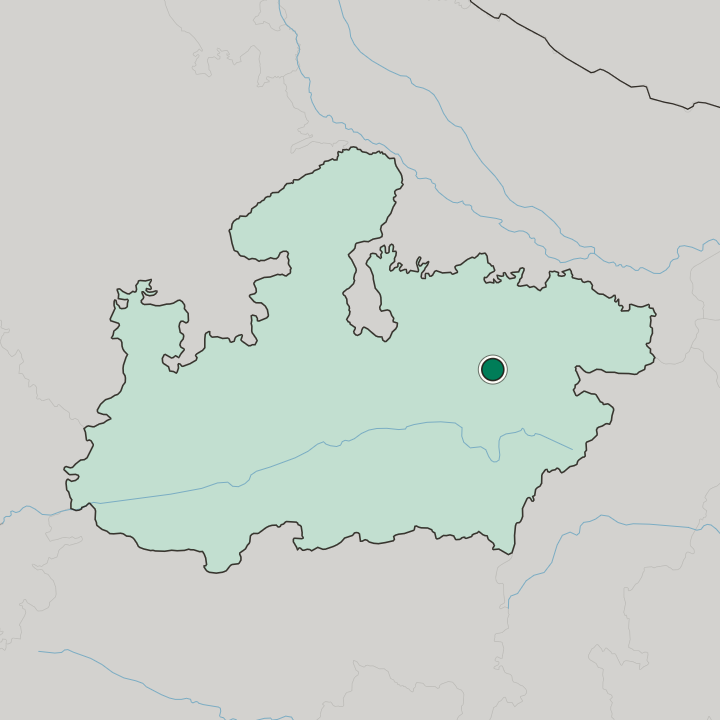
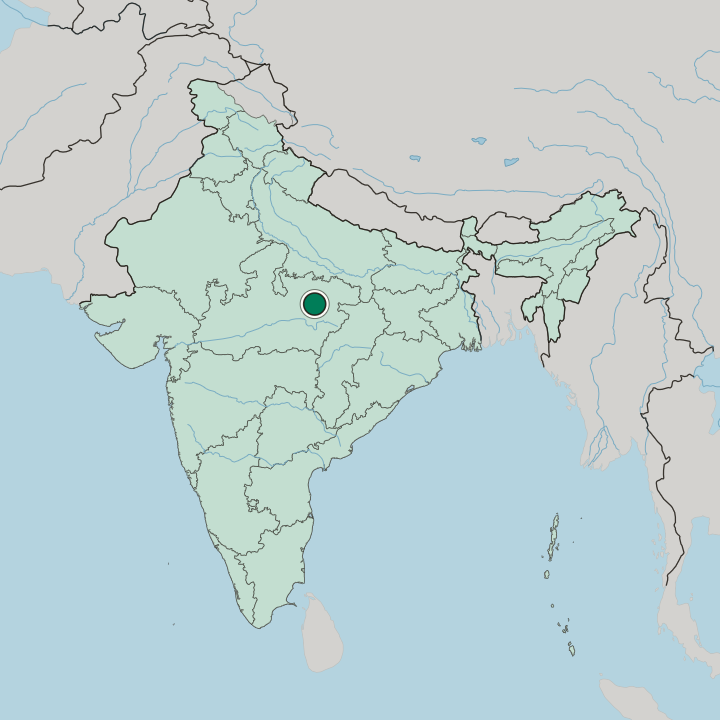
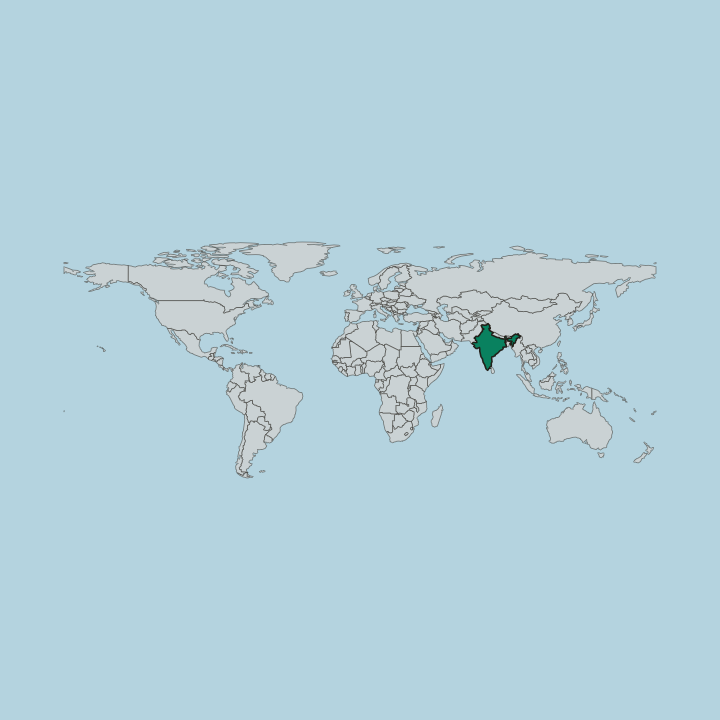
Banks of the Katni River hold the city. Murwāra lies inland within the Mahakoshal region of Madhya Pradesh, in country whose limestone is close enough to the surface to be quarried at scale, and the river gives the built ground its shape and its everyday name. Jabalpur is the nearest large centre.
The divisional headquarters stands 90 km from Katni, close enough that the two function as a pair within the region, and far enough that the smaller city keeps its own market and its own working day.
What is the climate of Murwāra?
Heat governs the working year in this subtropical part of the Mahakoshal country, with a long hot run before the rains, a wet middle, and a shorter cool spell that is the only comfortable time to be out among the quarries and stone yards. Open ground offers little shade. Anyone timing a visit to Murwāra for the cooler months finds the Katni River at its most approachable and the walk between the market streets and the works far easier than it is when the temperature is at full stretch.
How do you get to Murwāra?
Most approaches run through Jabalpur, 90 km away, the divisional headquarters of the Mahakoshal region and the point where onward transport toward Katni is easiest to arrange for anyone arriving from outside Madhya Pradesh. The road does the work. Freight moving limestone and cement out of Katni District keeps the route busy in both directions, and passengers travel on the same corridor, arriving in Murwāra on the river side of the city where the markets and most of the rooms are.
Common questions
What is the best area to stay in Murwāra?
The Katni River bank: market mornings beside the Katni River. The quarry and cement side: buyers working the limestone trade that made the City of Lime. Jabalpur: a wider hotel choice 90 km from Murwāra.
More cities in Madhya Pradesh
Updated September 2026