India · Madhya Pradesh
Where to Stay in Ujjain, Madhya Pradesh
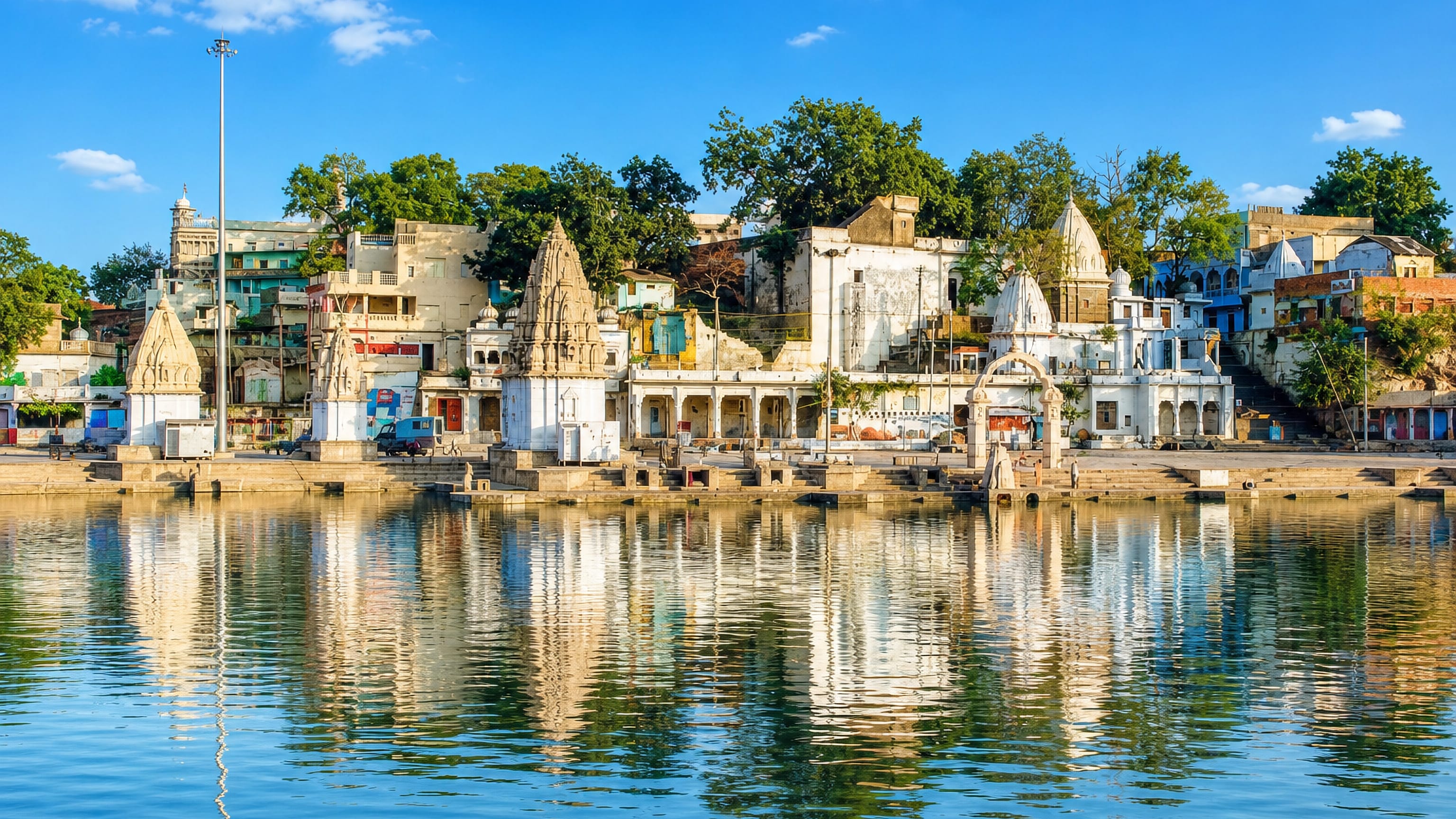
The Mahakaleshwar Temple stands at the heart of Ujjain, an ancient city in Madhya Pradesh, known for its Jyotirlinga shrine and the Kumbh Mela.
Hotel links are affiliate links: booking through them may earn us a commission, at no extra cost to you. It never affects how places are ranked. How this works


Where to stay in Ujjain
How the choice of base plays out on the ground.
Ujjain gathers around the Mahakaleshwar Temple, and where you stay turns mostly on how close you want to be to the shrine at its heart. The old city rings the temple in a knot of lanes. Its close lanes hold the pilgrim heart of Ujjain, filling before dawn with those coming for darshan at the Jyotirlinga, and they suit first-time visitors best.
Rooms here put the temple minutes away. Every twelve years the Simhastha transforms the city, and the Kumbh Mela grounds swell with a tide of pilgrims that dwarfs the ordinary town. In those months every bed grows scarce.
If your visit falls in a Simhastha year, book far ahead and expect the whole of Ujjain to be given over to the gathering. Away from the shrine, the newer quarters of Ujjain serve the district and division offices and the old trade of the Malwa region. These outer streets stay calmer.
Travellers here for work base themselves clear of the temple crush, within easy reach of the administrative centre of Ujjain district and Ujjain division. The shrine still sets the rhythm.
Find hotels in Ujjain
Direct booking searches for these neighbourhoods.
Old city around Mahakaleshwar Temple
The old lanes of Ujjain ring the Mahakaleshwar Temple, filling before dawn with pilgrims coming for darshan at the Jyotirlinga at the city's heart.Find hotels in Old city around Mahakaleshwar TemplePilgrims attending the Kumbh Mela in a Simhastha yearThe Simhastha festival grounds
Every twelve years the Kumbh Mela grounds of the Simhastha swell with pilgrims across Ujjain, so beds here grow scarce and must be booked far ahead.Find hotels in The Simhastha festival groundsWork trips near the offices of Ujjain district and Ujjain divisionThe administrative quarters
The newer quarters of Ujjain serve the district and division offices and the Malwa trade, calmer streets set clear of the temple crush.Find hotels in The administrative quartersHotel links are affiliate links: booking through them may earn us a commission, at no extra cost to you. It never affects how places are ranked. How this works
About Ujjain
What is Ujjain known for?
Ujjain is a Hindu holy city in the Malwa region of Madhya Pradesh, best known for the Mahakaleshwar Temple, one of India's twelve Jyotirlingas. Pilgrims have come for ages. It counts among the seven sacred cities of the Sapta Puri, and every twelve years it hosts the Kumbh Mela, or Simhastha, among the largest religious gatherings in the world.
The temple sits at the city's core.
What are the main landmarks in Ujjain?
The Mahakaleshwar Temple is the great landmark of Ujjain, its Jyotirlinga shrine drawing pilgrims to the center of the old city. It ranks among the twelve Jyotirlingas. Counted among India's twelve Jyotirlingas, the shrine of Mahakaleshwar marks Ujjain as one of the seven Sapta Puri cities of Hindu pilgrimage.
The Kumbh Mela returns here. Every twelve years the Simhastha fills Ujjain with the vast gathering of the Kumbh Mela.
What is the history of Ujjain?
Ujjain, known in antiquity as Ujjayini, is one of the oldest cities of the Indian subcontinent. Few Indian cities carry so long a past. Its story reaches back to the distant era of the Mahajanapadas.
From the age of those ancient realms, Ujjayini stood among the most prominent trade and political centres of the subcontinent, its markets and rulers shaping the Malwa region. Trade and rule long ran through it. That prominence held across many dynasties, until the British colonisation of India drew the old centre into a new order.
Alongside its worldly power, Ujjain grew as a holy city, its temple of Mahakaleshwar counted among the twelve Jyotirlingas and its name among the seven Sapta Puri. The Kumbh Mela came round every twelve years. The Simhastha, drawing pilgrims across the generations, fixed Ujjain in the sacred geography of Hindu India.
Ujjain serves as the administrative and religious centre of Ujjain district and Ujjain division in Madhya Pradesh. The old city still endures around its shrine. Temple and market hold the ground they have kept since the days of Ujjayini.
Where is Ujjain?
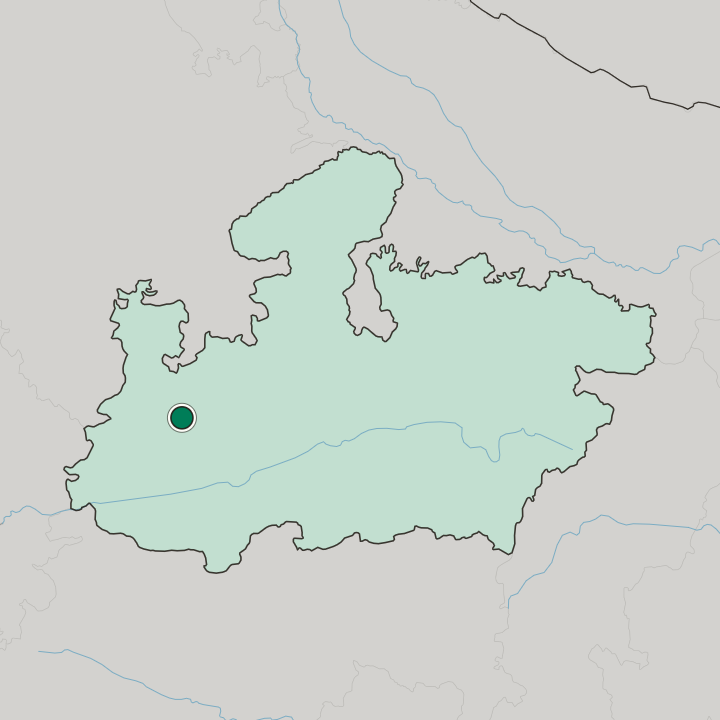
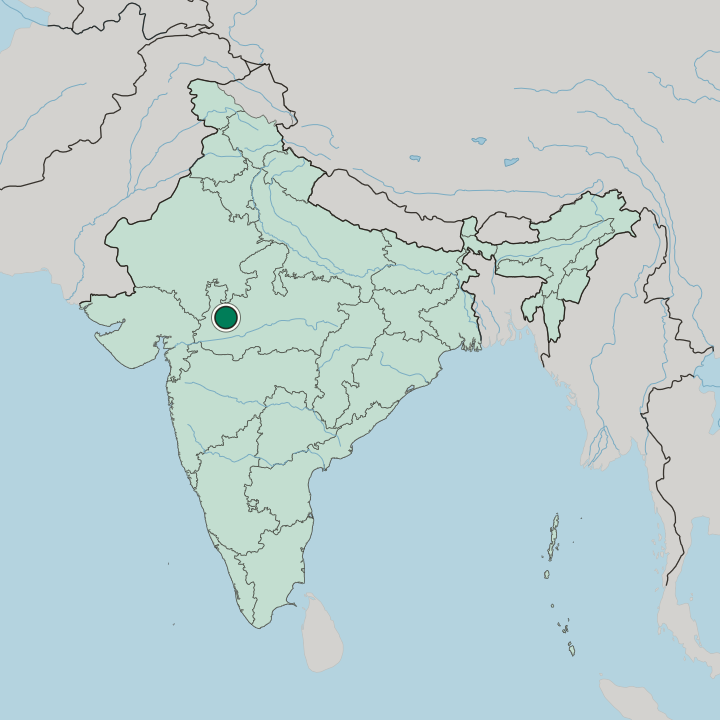
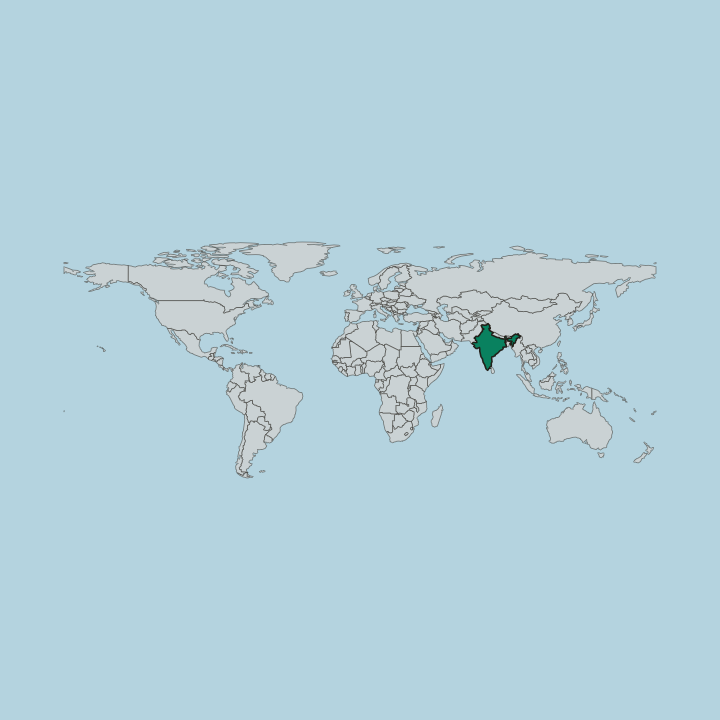
Ujjain lies in the Malwa region of Madhya Pradesh, the seat of both Ujjain district and the wider Ujjain division. The old city holds the center. Around it the Malwa region spreads in a broad tract of farmland and market towns, the setting that has fed Ujjain since ancient times.
Madhya Pradesh surrounds it. The city sits on the plains of the Malwa region, deep in the body of Madhya Pradesh.
What is the climate of Ujjain?
Ujjain has a hot tropical climate shaped by the seasons of the Malwa region. The year turns on the monsoon. Long dry heat builds through the hot months before the rains break, and the monsoon then greens the fields of the surrounding Malwa region for a season.
Winters run mild and dry. The dry season returns to hold Ujjain in heat until the next monsoon arrives.
How do you get to Ujjain?
Ujjain is reached across the Malwa region by the roads and railways that have long tied it to the wider Madhya Pradesh. Pilgrims arrive year round. Most come for the Mahakaleshwar Temple, and every twelve years the Simhastha brings a vast Kumbh Mela crowd that tests every route into Ujjain.
The city sits on old trade lines. As a seat of both Ujjain district and Ujjain division, the city draws traffic from across the Malwa region.
Common questions
What is the best area to stay in Ujjain?
Old city around Mahakaleshwar Temple: First-time pilgrims wanting darshan at the Mahakaleshwar Jyotirlinga. The Simhastha festival grounds: Pilgrims attending the Kumbh Mela in a Simhastha year. The administrative quarters: Work trips near the offices of Ujjain district and Ujjain division.
Good for
More cities in Madhya Pradesh
Updated September 2026