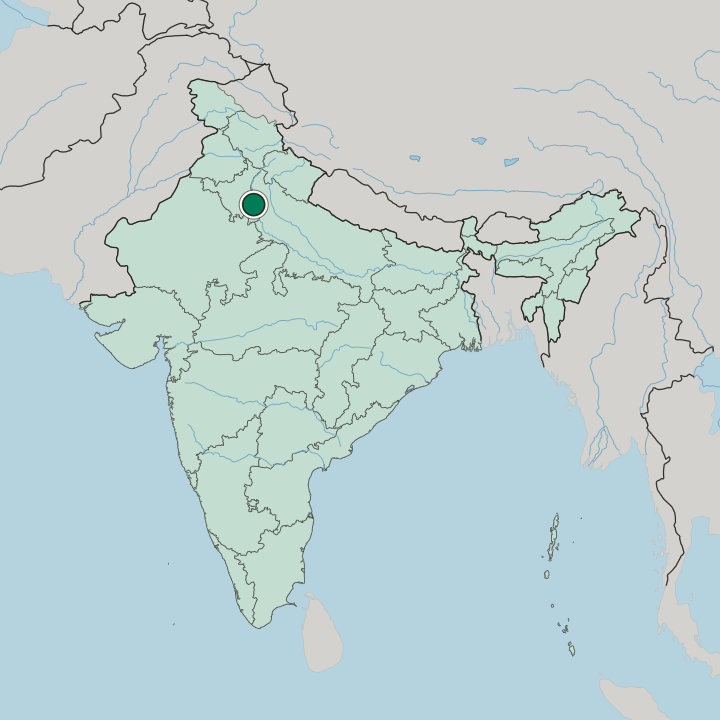
India · National Capital Territory of Delhi · Delhi
Central Delhi district, Delhi — Area Guide & Where to Stay
Central Delhi is a district of the National Capital Territory of Delhi around the old walled city: Chandni Chowk, the Red Fort, and Raj Ghat.
Hotel links are affiliate links: booking through them may earn us a commission, at no extra cost to you. It never affects how places are ranked. How this works


Map data © OpenStreetMap contributors
Where to stay in Central Delhi district
Where the beds are, and what that means for the visit.
Most travellers who sleep in Central Delhi do it for one reason: to wake up inside the old city. Paharganj, the warren of budget hotels behind New Delhi Railway Station, has been the capital's backpacker landing pad for decades, cheap and loud and a short walk from the Metro. Karol Bagh trades up to mid-range hotels wrapped around a shopping district, useful for late trains and early flights.
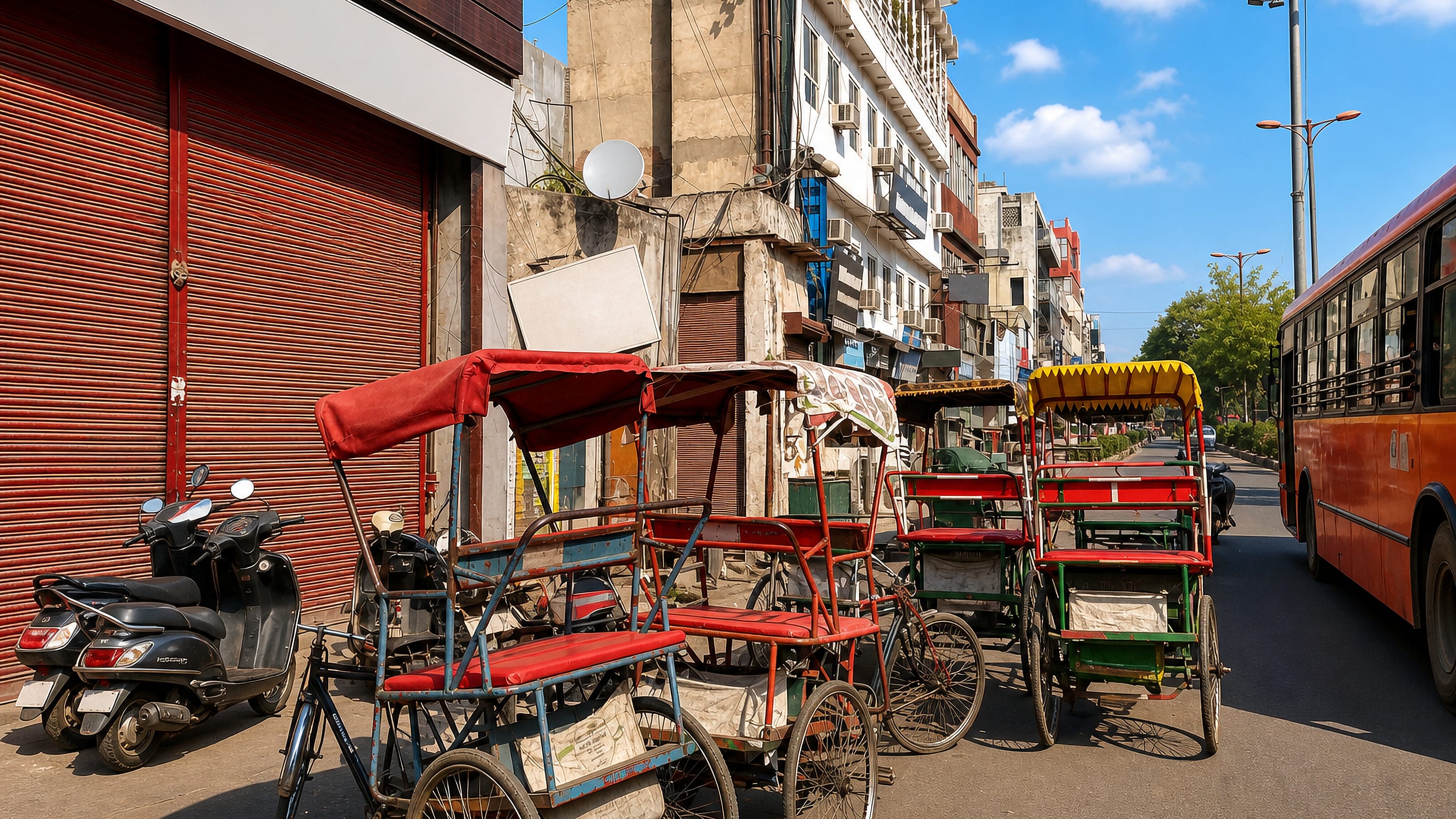
Around Daryaganj and Chandni Chowk, the Red Fort, Ghalib ki Haveli, and St. James' Church at Kashmiri Gate are all a rickshaw ride away, though the cost of that proximity is constant noise and traffic. Beds here run practical, not plush.
Things to do in and around Delhi
Ranked by global recognition; descriptions from Wikidata (CC0).
Museums & Galleries
3- Shankar's International Dolls Museum
- Ghalib ki Haveli
- Red Fort Archaeological Museum
Churches & Religious Sites
3- St. James' Church, Delhi
- Central Baptist Church, Delhi
- Holy Trinity Church, Delhi
Castles & Historic Sites
1- Mutiny Memorial at Kashmiri Gate Heritage
Landmarks & Notable Places
1- Tehri Garhwal House
worth knowingacross 4 categories in and around Delhi
About Central Delhi district
What are the main landmarks in Central Delhi district?
The sights here run Mughal and modern. The Red Fort holds two collections inside its sandstone walls, the Red Fort Archaeological Museum and the Indian War Memorial Museum, while the Yamuna bank carries Raj Ghat and associated memorials, the black platform where Gandhi was cremated, with the National Gandhi Museum facing it across the road. Kashmiri Gate keeps the oldest churches and the hardest memories: St. James' Church, the Mutiny Memorial at Kashmiri Gate from the revolt of 1857, and the Partition Museum recording the exodus of 1947.
Down a lane off Chandni Chowk stands Ghalib ki Haveli, the restored home of the Urdu poet Mirza Ghalib. For something lighter, Shankar's International Dolls Museum lines its cases with figures from around the world.
What is the history of Central Delhi district?
The story starts in the seventeenth century, when the Mughal emperor Shah Jahan laid out a walled capital along the Yamuna and raised the Red Fort as its palace. British power crept in over the following century, leaving churches such as St. James' Church at Kashmiri Gate, built by the Anglo-Indian soldier James Skinner. The uprising of 1857 broke here in blood, storming the same Kashmiri Gate that the Mutiny Memorial commemorates.
Partition in 1947 tore through the district again, its refugees and losses recorded at the Partition Museum, and in 1948 the funeral pyre of Mahatma Gandhi burned at Raj Ghat on the riverbank. The old city outlasted them all.
Where is Central Delhi district?
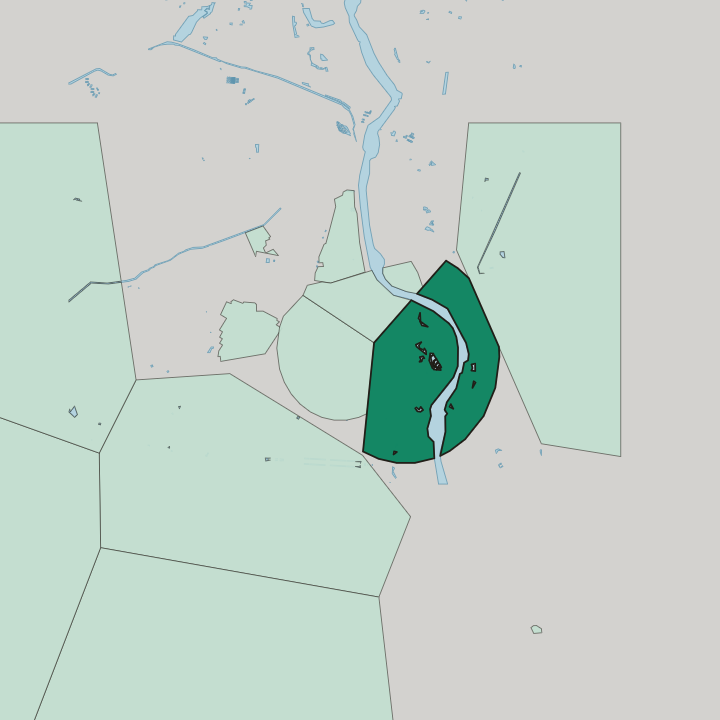
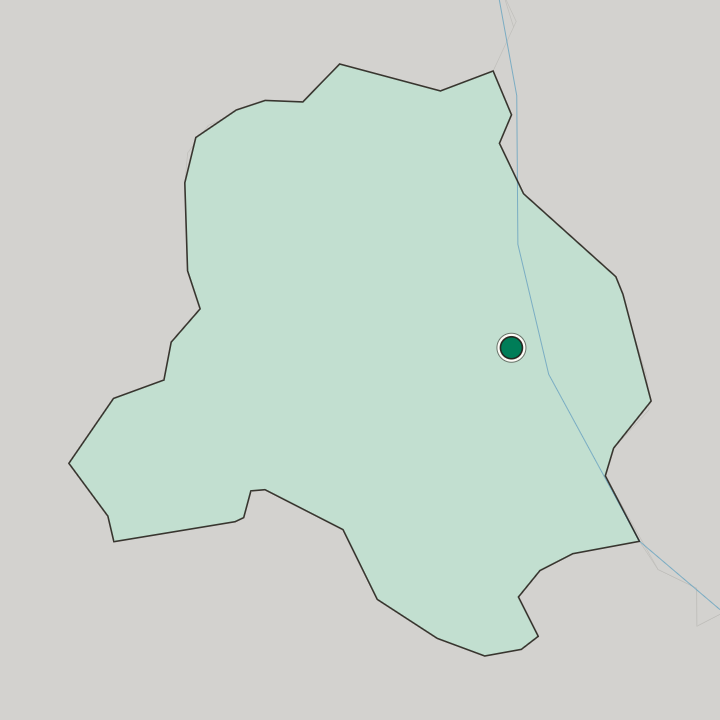
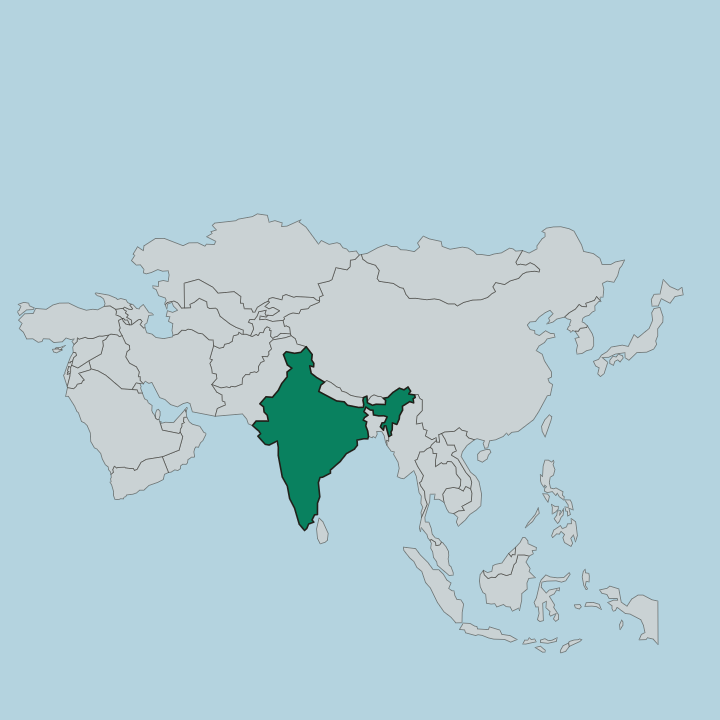
The district occupies the middle of Delhi, pressed against the Yamuna on its eastern side. Its best-known quarters run in a line through the old city: Kashmiri Gate at the north end, the bazaar spine of Chandni Chowk in the centre, and Daryaganj toward Delhi Gate in the south. West of the walls lie the crowded lanes of Paharganj and the shopping blocks of Karol Bagh.
The river marks the edge.
Good for
More areas in Delhi
Updated October 2026