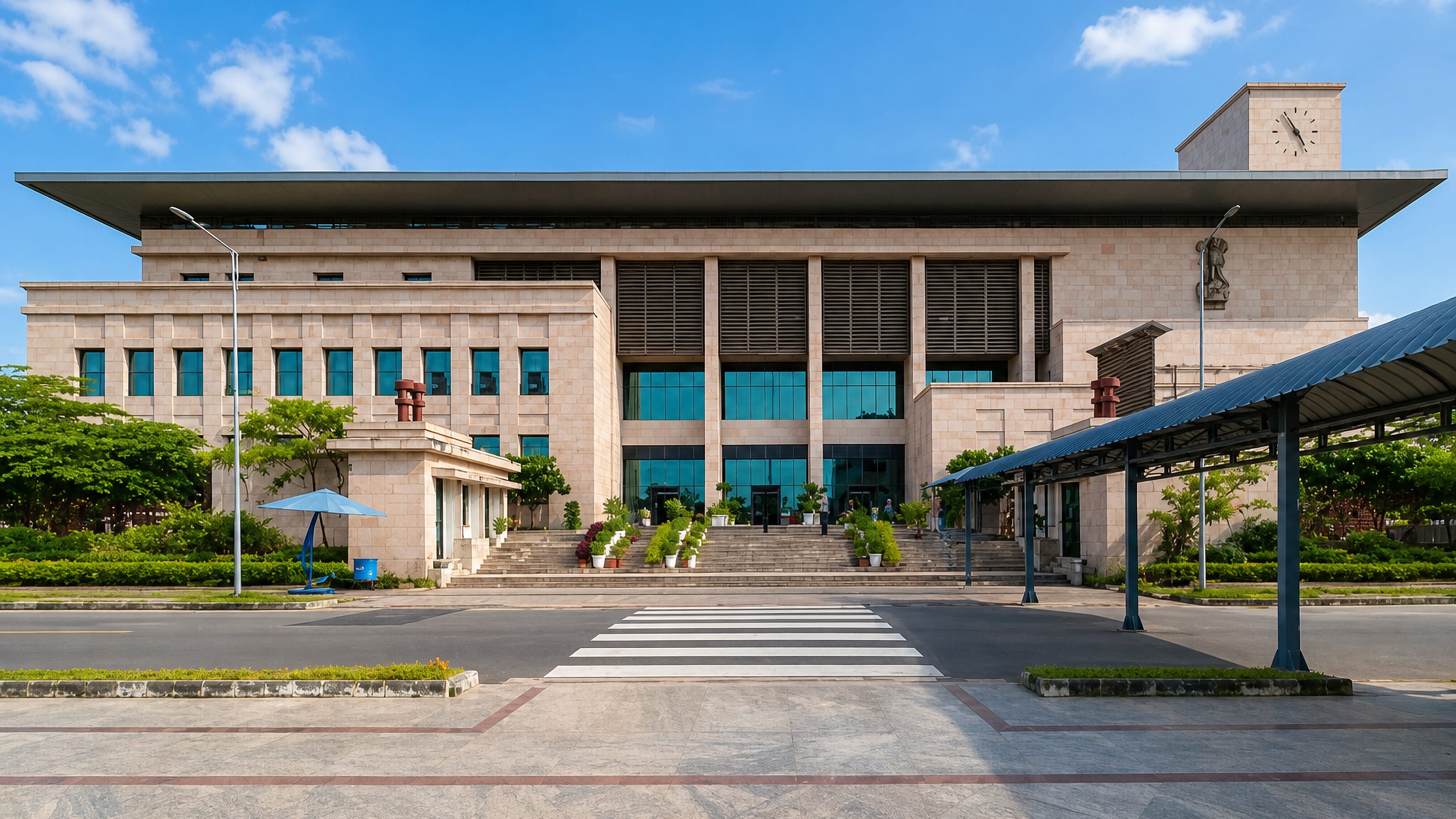
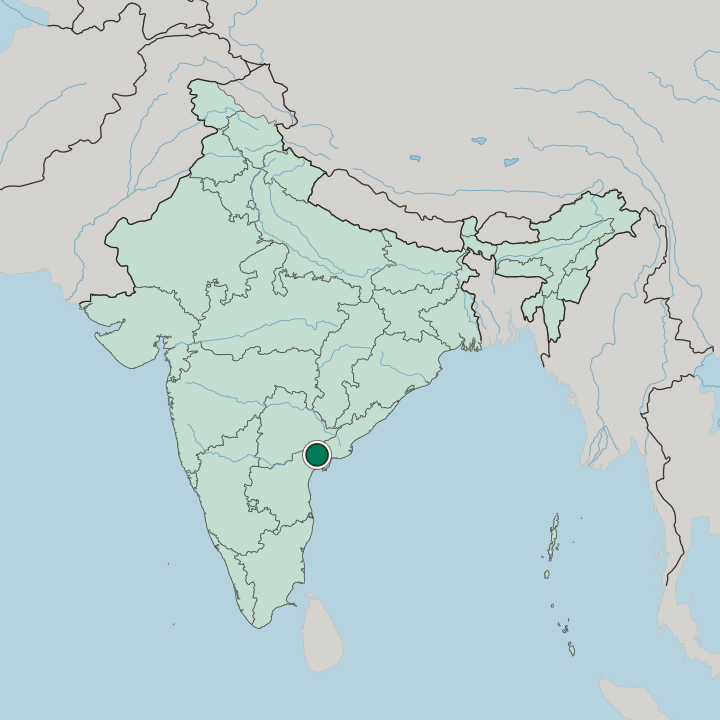
India · State of Andhra Pradesh
Where to Stay in Amaravati, State of Andhra Pradesh
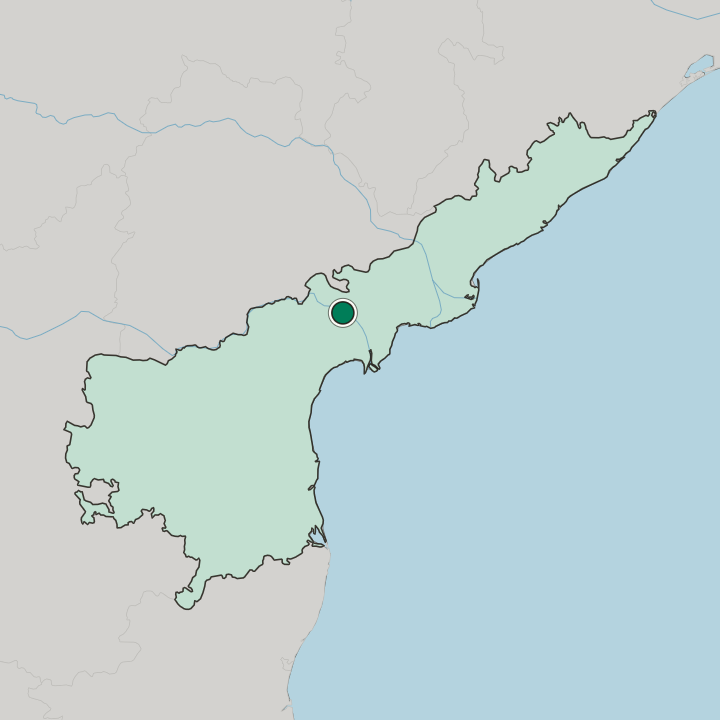
Amaravati is the capital of Andhra Pradesh, set on the right bank of the Krishna River near the ancient site of Amaravathi, and founded in 2015.
Hotel links are affiliate links: booking through them may earn us a commission, at no extra cost to you. It never affects how places are ranked. How this works


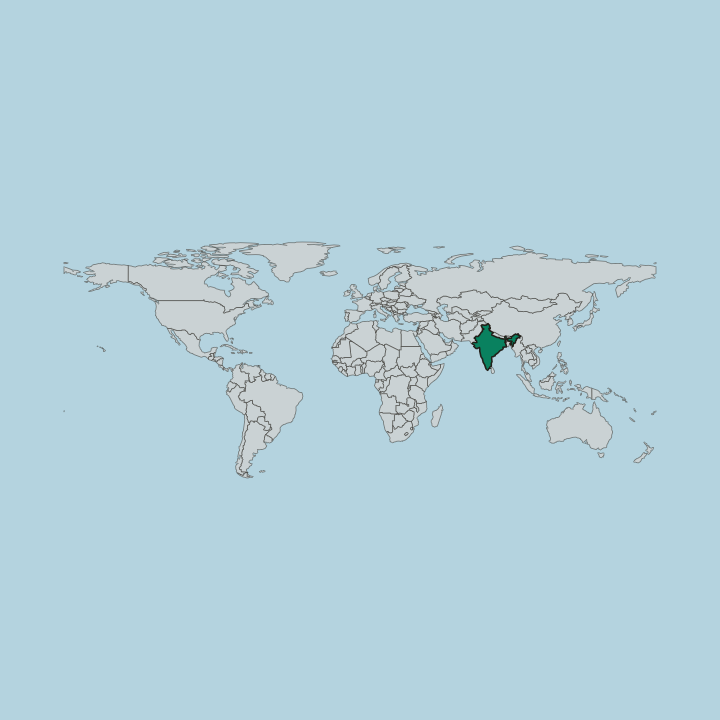
Where to stay in Amaravati
Where the beds are, and what that means for the visit.
Beds follow the river here. Amaravati was laid out on the right bank of the Krishna River as the capital of Andhra Pradesh, and the plan that was meant to fill it with a working city stalled when the state administration changed, so the room stock is thinner than the title suggests. Vijayawada solves that. The older Bezawada stands opposite across the Krishna, roughly fifteen kilometres to the northeast, and it carries the hotels, the transport and the ordinary weekday business that a capital under construction does not. Guntur is the other option.
It sits southwest of the new capital, in the district Amaravati was carved out of, and anyone arriving overland from that side will find it the easier place to put a bag down before crossing. The ancient site pulls the other way. Amaravathi, the Satavahana capital that gave the modern city its name, is what most visitors actually come for, and a room near the riverbank keeps that within a short ride rather than a day trip out of somewhere else.
Choose by the reason for the trip. Stay by the Krishna for the ancient Buddhist centre and the river frontage, take Vijayawada for a full choice of rooms and a working transport hub, or take Guntur when the district itself is the errand.
Find hotels in Amaravati
Direct booking searches for these neighbourhoods.
The Krishna frontage
Amaravati's designated ground meets the water along this bank, and the ancient Satavahana capital lies a short way along the same reach. Few places to stay nearby — book ahead.Find hotels in The Krishna frontageAnyone who needs a working transport hub rather than a capital still being builtVijayawada, across the river
Vijayawada, the older Bezawada, stands opposite Amaravati roughly fifteen kilometres off and holds the hotel stock the new capital does not.Find hotels in Vijayawada, across the riverArrivals coming overland from the southwest through Guntur districtGuntur
Guntur sits inland from Amaravati and anchors the district the new capital was carved out of, which makes it the simpler approach from that side.Find hotels in GunturHotel links are affiliate links: booking through them may earn us a commission, at no extra cost to you. It never affects how places are ranked. How this works
About Amaravati
Two Amaravatis share one name.
What is Amaravati known for?
The modern one is the seat of government for Andhra Pradesh, set out on the right bank of the Krishna River and named after the ancient site of Amaravathi nearby, which served as the capital of the Satavahana Empire nearly two thousand years ago. That older place was a major Buddhist centre. The newer one is better known for a planned build that stalled when the state administration changed, and for the legal battles that followed.
What are the main landmarks in Amaravati?
The record names no monuments in the new city. What it does name is Amaravathi, the historic site that lent the capital its name, once the seat of the Satavahana Empire and a major Buddhist centre in the ancient world, which is the reason most visitors make the trip at all. The Krishna River supplies the rest.
Its right bank is the frontage the capital was planned around, with Vijayawada standing opposite and Guntur off to the southwest.
What is the history of Amaravati?
Amaravati is new; only its name is old. Amaravathi, the site that lies close by, served as the capital of the Satavahana Empire nearly two thousand years ago, and in the same era it was one of the major Buddhist centres of the ancient world. That centre sat within what became Guntur district, on the same reach of the Krishna River the modern capital was later drawn along.
Then the record thins. What survives in the modern account is the name itself, carried forward when a new capital needed one. Andhra Pradesh chose the ground in 2015.
The state set its capital on the right bank of the Krishna River in Guntur district, opposite Vijayawada and a short way northeast of Guntur itself, and began a build meant to raise a working seat of government from open land. Its designated ground runs to a bit over two hundred square kilometres. The megaproject did not run its course.
A change in state administration put it on hold, and the years that followed were spent in a series of legal battles rather than in construction, which is why Amaravati is read in urban planning as a cautionary tale rather than a finished capital.
Where is Amaravati?
Amaravati occupies the right bank of the Krishna River, which is the single fact that governs everything else about the site. Guntur district surrounds it. Vijayawada stands across the water to the northeast, roughly fifteen kilometres off, while Guntur lies inland to the southwest and the older Amaravathi site sits a short way along the same bank.
What is the climate of Amaravati?
Heat runs the calendar, not the season. Amaravati sits in the tropical band on the Krishna River, so the year is warm end to end and the difference between one month and the next is far smaller than the difference between noon and dawn. Cold is not a factor.
Time outdoors at the Amaravathi site is best taken early, before the middle of the day closes it down.
How do you get to Amaravati?
Arrivals come through the neighbours. Vijayawada, also called Bezawada, stands opposite Amaravati across the Krishna River about fifteen kilometres off, and it is the practical entry point for anyone heading to the capital by long-distance transport. Guntur covers the other side.
It lies southwest, in the district that holds Amaravati, and the approach from that side ends at the same right bank of the Krishna River.
Common questions
What is the best area to stay in Amaravati?
The Krishna frontage: Travellers whose reason for coming is the Amaravathi site and the right bank of the Krishna. Vijayawada, across the river: Anyone who needs a working transport hub rather than a capital still being built. Guntur: Arrivals coming overland from the southwest through Guntur district.
More cities in State of Andhra Pradesh
Updated September 2026